
Last updated November 18, 2026
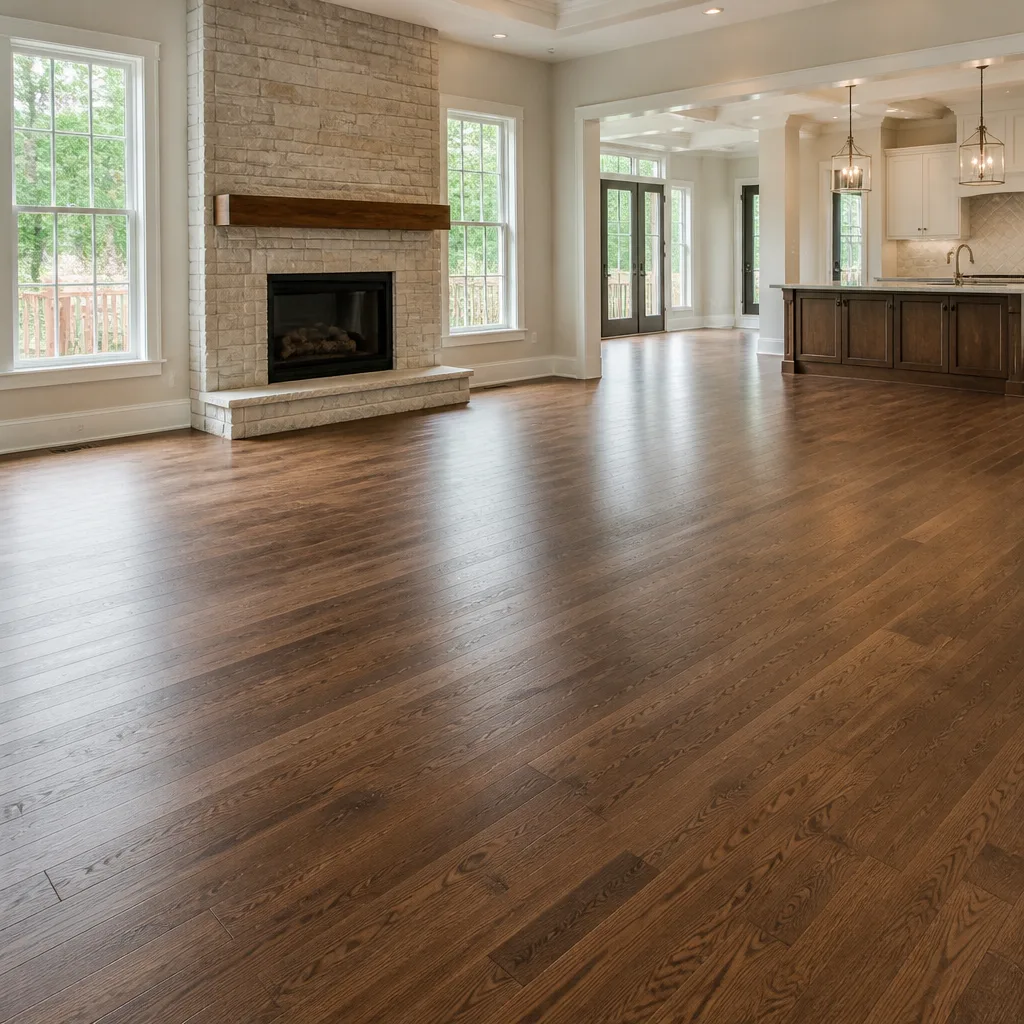 Hardwood
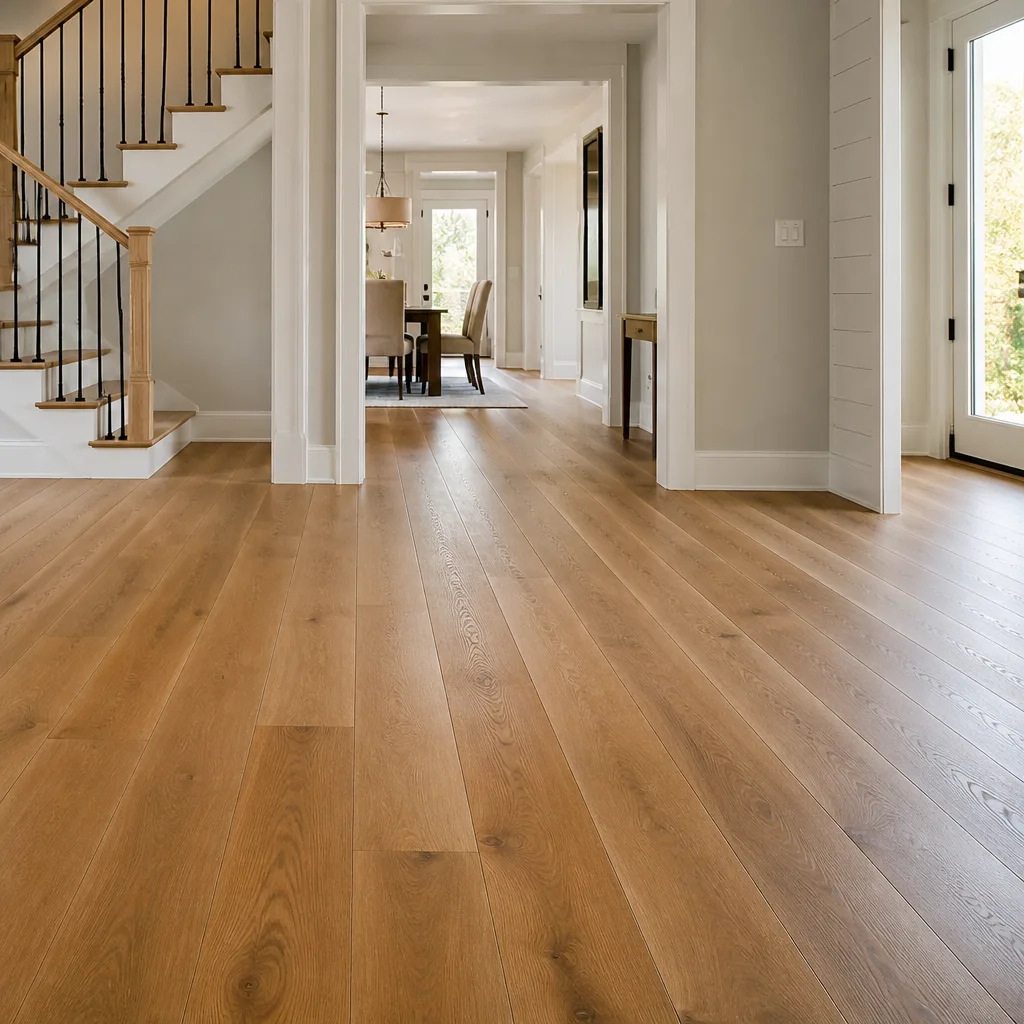 Engineered hardwood
 Luxury vinyl plank
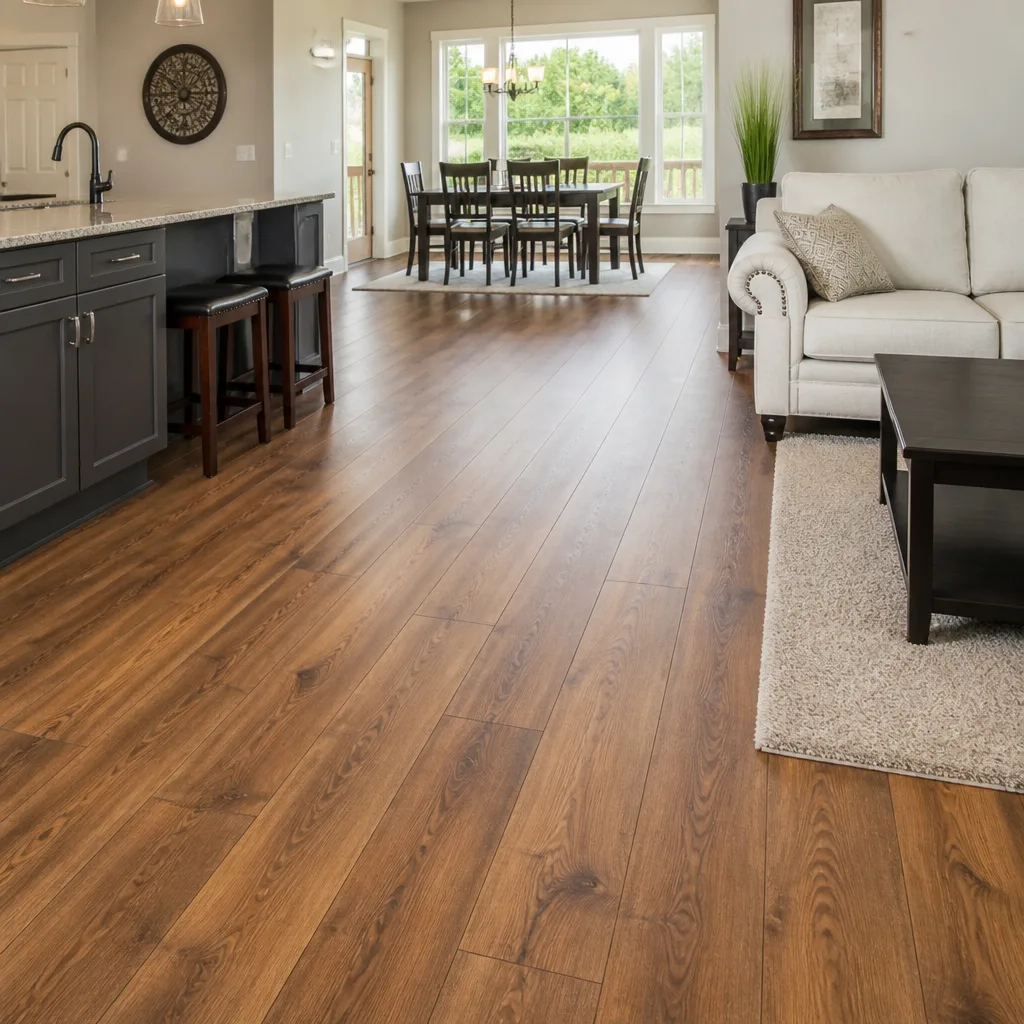 Laminate
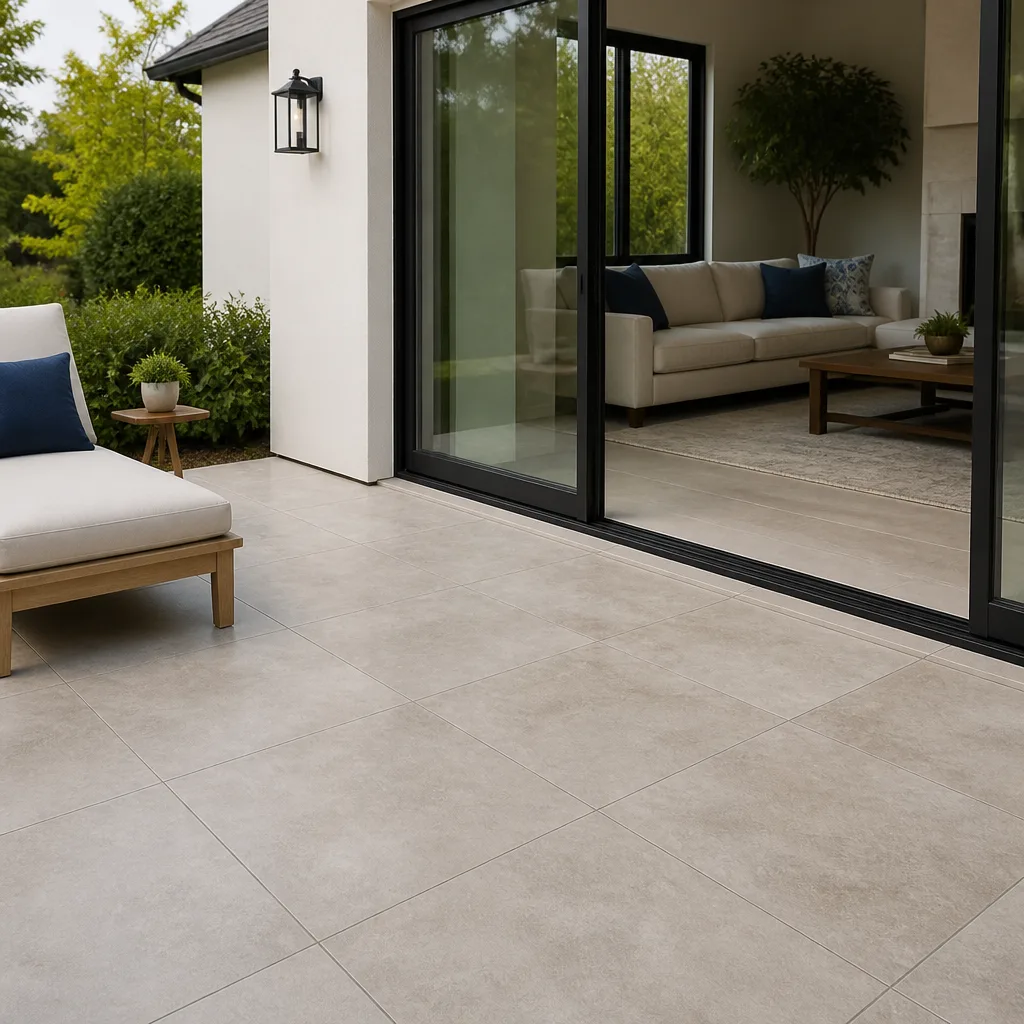 Porcelain tile
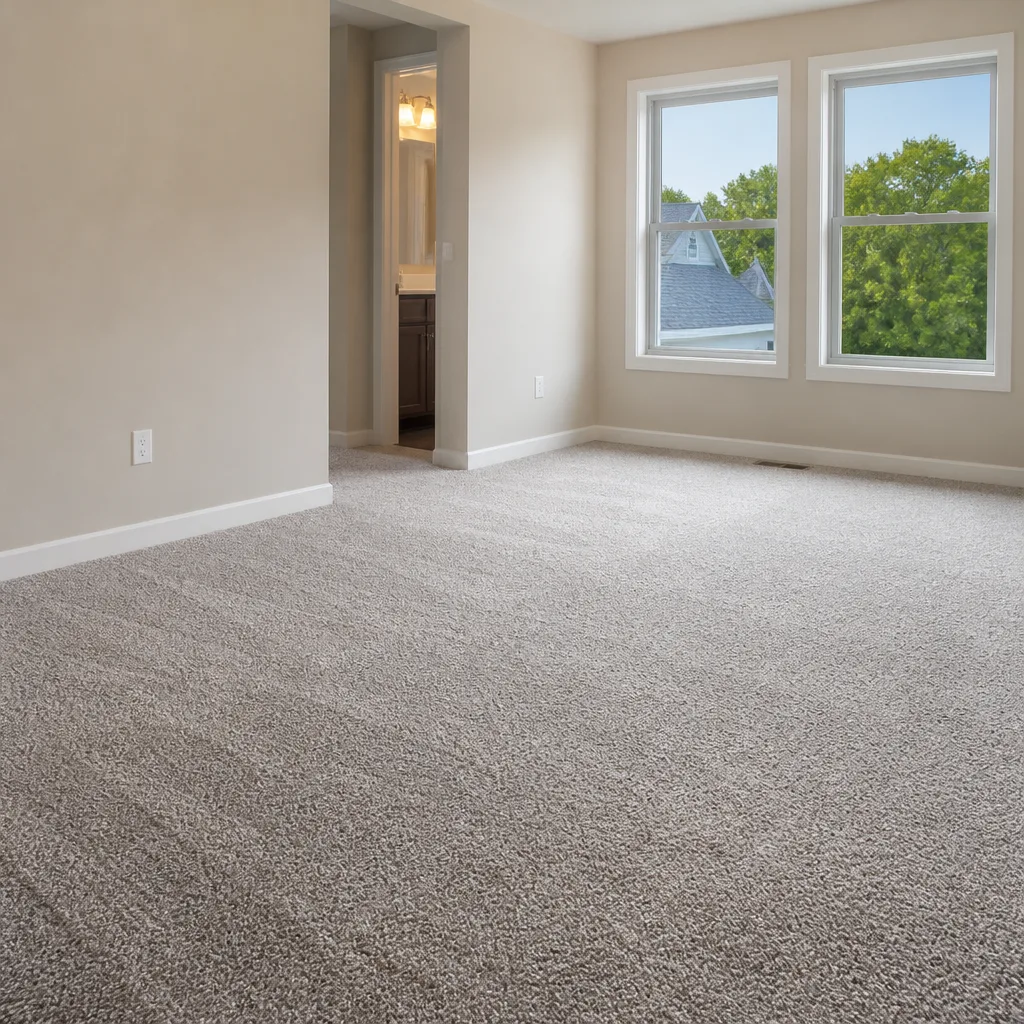 Carpet
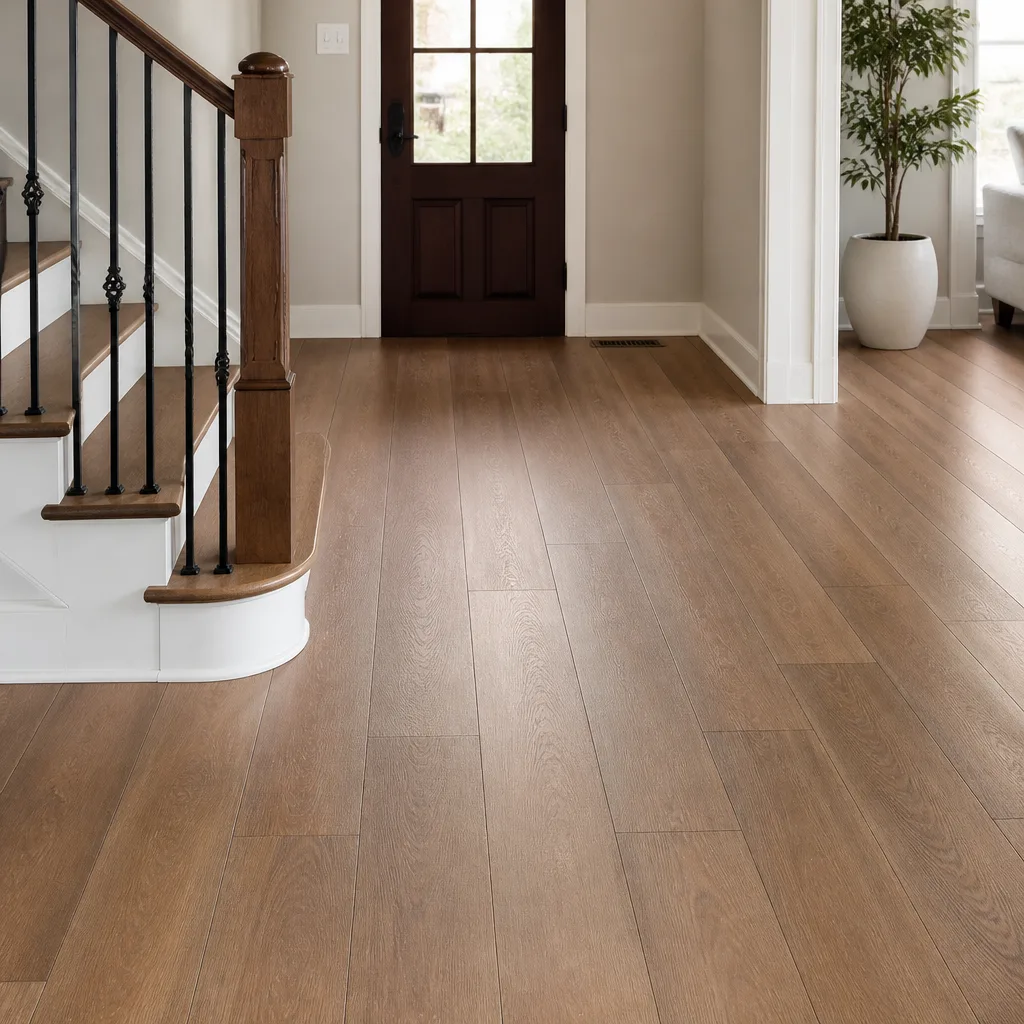 Shaw
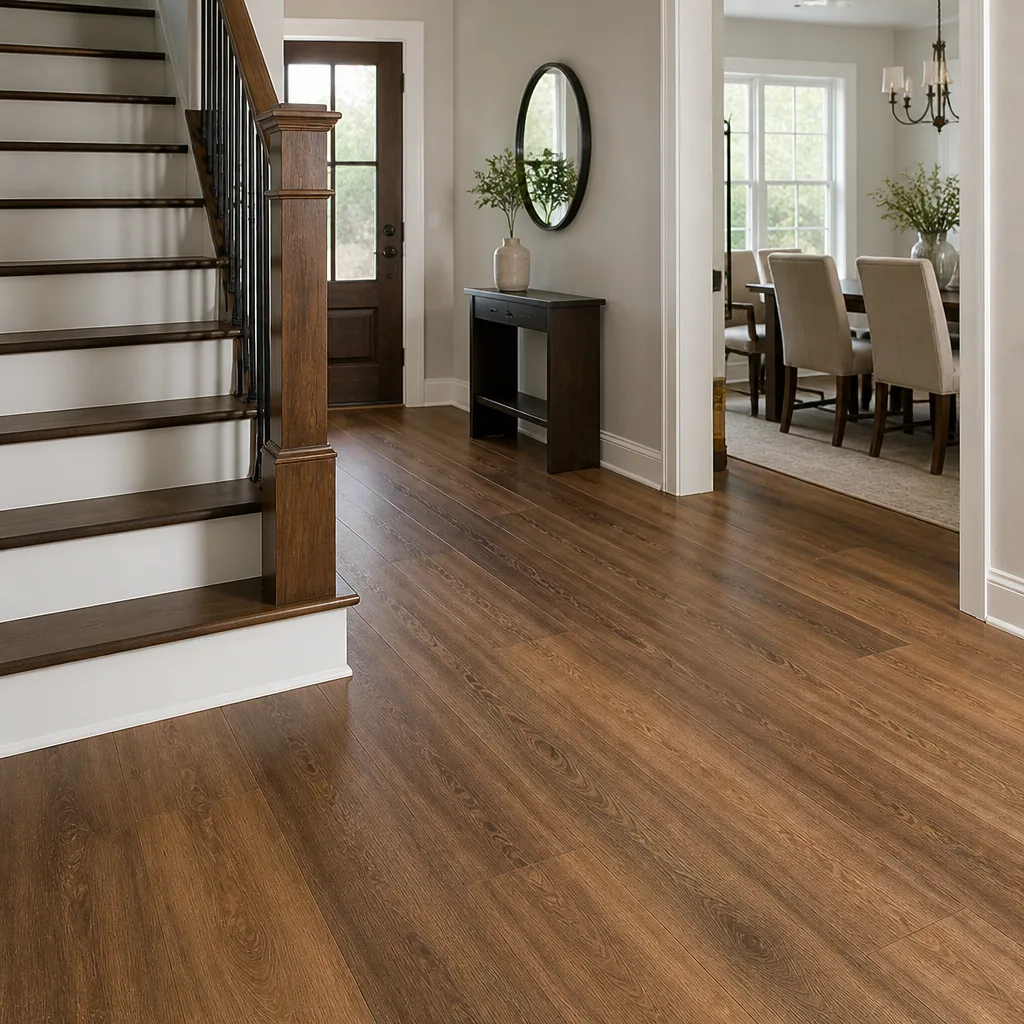 Mohawk
 COREtec
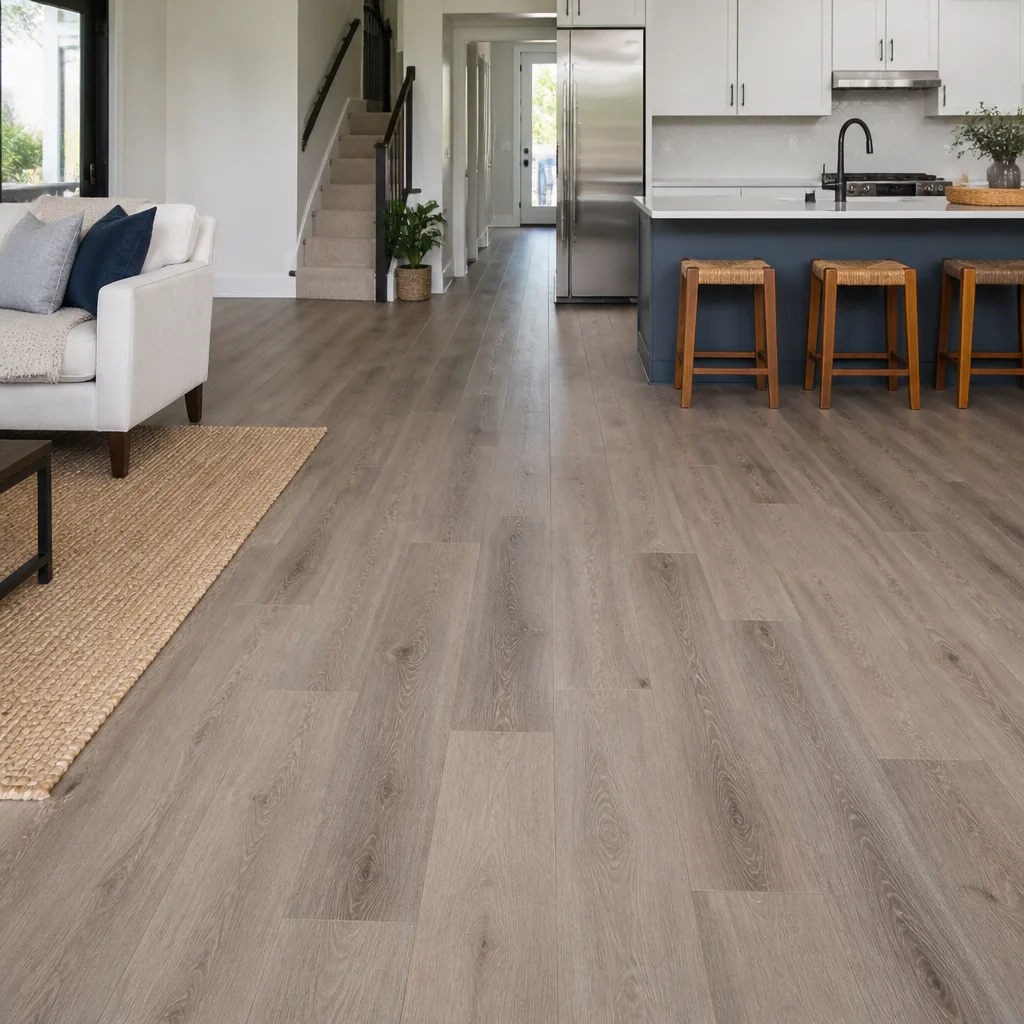 Pergo
Free in-home measure and written estimate: Shaw, Mohawk, COREtec and Pergo lines compared on your own rooms, with carpet, tile, vinyl plank, laminate and hardwood laid out side by side
Get your free estimateFix It or Start Over: Flooring Repair vs Replacement
The most expensive flooring decision homeowners make usually isn’t picking the wrong material. It’s repairing a floor twice before finally replacing it. Patch jobs on structurally compromised floors don’t fail slowly; they fail visibly, often within a season, and each attempt adds labor to a total that was always going to end in replacement. The real question isn’t how bad the damage looks on the surface. It’s whether the subfloor, the finish system, and the remaining material under your feet can support a repair that will actually hold. This guide walks through how we at Whitney Flooring think through that call: what makes a repair viable, when a patch is really a cover-up, and how to do the math before you commit.
Quick Answer
Repair is usually the right call when the damage is isolated, the subfloor is sound, and the material is still in production so a patch can blend. Replacement wins when moisture has spread, the finish layer is too worn to refinish, or the flooring was installed over a problem that was never fixed. A repair that doesn’t address the cause costs more over a few years than a replacement done once.
Styles & brands we work with
- Hardwood
- Engineered hardwood
- Luxury vinyl plank
- Laminate
- Porcelain tile
- Carpet
- Shaw
- Mohawk
- COREtec
- Pergo
Table of Contents
- The Three Questions That Decide Repair vs Replacement
- Hardwood: When Refinishing Beats Patching and When It Doesn’t
- Tile: Grout Line Condition and the Discontinued Product Problem
- Carpet Repair and the Matching Problem
- How to Calculate the True Cost of a Repair
- Water Damage: How Moisture Mapping Changes the Math
- When a “Repair” Is Actually a Code Issue
- A Five-Step Process for Making the Call
The Three Questions That Decide Repair vs Replacement
In our experience, the repair-or-replace question comes down to three things you can check before anyone quotes a number. Get clear answers to all three and the decision usually makes itself.
1. Is the substrate sound?
A floor is only as good as what’s under it. If the subfloor has soft spots, deflection, or moisture coming from below, any repair you make on top of it will fail. The finish might look fine for a month, but the movement underneath will crack grout, pop tiles, or lift a patch. Subfloor integrity is the first gate, and it’s not something you can judge from the surface.
2. Is there enough material life left to support a repair?
Hardwood has a wear layer with a finite number of refinishes in it. Tile has grout that can be redone, but the tile body itself can’t be restored once it’s cracked or debonded. Carpet has a pile that matts down and never comes back. Each material has a different remaining life, and a repair on a floor that’s near the end of that life is money spent to delay the inevitable.
3. Can the new material blend with what’s already there?
This is where the decision often flips, and it’s the thing most homeowners don’t think about until they’re committed. A patch that visibly doesn’t match is a repair you’ll want to redo. That’s why checking product availability matters as much as checking damage extent.
If all three answers are yes, repair is worth pursuing. If any one answer is no, replacement is the smarter spend. At Whitney Flooring we walk these three questions at the estimate visit, because guessing from a photo is how people end up buying twice.
Hardwood: When Refinishing Beats Patching and When It Doesn’t
Hardwood is the one category where a real repair often beats replacement, because refinishing addresses the whole floor at once instead of spot-patching damage. That’s why it’s a core service at Whitney Flooring, not a fallback, and why we treat it as the first option to consider before anyone starts pricing new material.
Refinishing takes the top layer of finish and a thin pass of wood off, then builds a new finish system on top. It fixes scratches, worn finish, dull traffic lanes, and surface stains across the entire floor. It doesn’t fix structural problems underneath, and it can’t fix deep gouges that go through the wood.
When refinishing is the right move
- The wood is thick enough to sand and still have a sound wear surface
- Damage is surface-level: scratches, worn finish, dullness, minor stains
- The boards are tight and the subfloor isn’t moving
- The pattern is still available or the finish is uniform enough that a complete refinish unifies everything
When refinishing isn’t viable
- The wood has been sanded down close to the tongue and can’t take another pass
- Water damage has swelled or warped boards beyond sanding
- The finish is worn through to bare wood in traffic areas, which means the wood itself is taking wear
- Individual boards are cupped or lifting, which is a sign of a moisture problem below
Whether your specific floor can be refinished is checked at the estimate visit, not by guessing. The thickness of the wood and its condition set that answer, and a stain match to a sample is never guaranteed until the floor is prepped and tested. If refinishing is viable, it usually costs less than replacing the floor and preserves the character of the original wood.
Tile: Grout Line Condition and the Discontinued Product Problem
Tile is often the most repairable of the three categories, and also the one where discontinued products cause the most trouble. Here’s how we think through it.
Grout line condition tells you a lot
If grout is cracking along a single line, that’s usually a minor repair. If it’s cracking across the floor in a pattern, or along a crack in the slab below, that’s a movement problem. Regrouting a cracked-again grout line is a cosmetic cover-up. The fix is understanding why the floor is moving and addressing that. Tile that has debonded or gone hollow over a cracked substrate is the same story: the tile isn’t the problem, the substrate is.
The discontinued tile problem
Tile colors and patterns get discontinued regularly, and dye lots vary between production runs. If your tile is out of production, a patch won’t match even if you find the same name, because the dye lot is different. Before anyone commits to a patch, verify the tile is still in production and that a matching dye lot is available. If it’s not, you have two choices: live with a visible patch, or take up the whole floor to a consistent field. That second option is often cheaper than homeowners expect when the room is small.
When tile repair is a good bet
- The tile is still in production and a matching lot is available
- The damage is isolated and the surrounding tile is firmly bonded
- The substrate is sound and not moving
- Grout can be color-matched to the existing floor
For larger tile jobs and full replacements, we install Daltile, which gives access to a commercial-grade line used on residential projects as well. If the patch isn’t viable, that’s one of the options worth looking at.
Carpet Repair and the Matching Problem
Carpet is the easiest flooring to repair in a small area and the hardest to match. That combination is why carpet repair decisions often come down to how visible the patch will be.
What can be repaired in carpet
- A burned or stained spot in a closet or against a wall, where a patch won’t be seen
- A stretched area that can be re-stretched and re-tacked
- Seam repair, where the existing carpet has pulled apart but the carpet itself is intact
- A small area where you have matching carpet on hand, like a leftover piece or carpet from a closet
What can’t be fixed by patching
Carpet pile mats down over time, especially in traffic lanes, and the pile doesn’t come back. A new patch has taller, fresher pile than the surrounding carpet, so it shows as a lighter, plumper square in the middle of a worn field. If the carpet is more than a few years old and has consistent furniture and traffic wear, the patch will always read as a patch.
Where the math usually lands
For a small, out-of-the-way repair with a matching piece on hand, patch repair is a solid choice. For anything visible in the middle of a room, replacement is often the practical answer. If you’re going to replace, carpet installation is one of our three core services, and we can price a full-room replacement against the cost of a visible patch so you can see the tradeoff in one place.
How to Calculate the True Cost of a Repair
A repair quote is just the first number. The true cost includes the labor for the repair, the difficulty of matching material, and the likelihood that you’ll need to repair again within a few years. Comparing quotes on the first number alone is how people end up spending more than replacement would have cost.
The four components of a true repair cost
- Repair labor and material. The quoted cost of the patch, the regrout, the refinish, or the re-stretch.
- Matching difficulty. If the material is discontinued or the dye lot is off, either you pay for a visible patch or you expand the scope to a larger area, which drives the cost up fast.
- Repeat likelihood. If the underlying cause wasn’t addressed (moisture, movement, subfloor deflection), the repair is likely to need attention again within a few years. Budget for that as a real cost, not a maybe.
- Disruption cost. Moving furniture, staying off the floor, and coordinating around the repair. It’s real time and real change orders.
A rough comparison framework
- Isolated damage, sound substrate, material in production: repair is usually the lower total cost.
- Multiple areas of damage, any moisture present, or material discontinued: replacement is usually the lower total cost per square foot once repeated repairs are counted.
- Refinishable hardwood: refinishing is typically the lowest total cost because it covers the whole floor in one pass and extends its life. Whether your floor can be refinished depends on the wood thickness and condition, checked at the estimate visit.
- Tile or carpet with discontinued matching material: the repair cost often climbs toward replacement, so price both.
Written estimates from Whitney Flooring set the final price. We quote the repair and, where it makes sense, the replacement, so you’re comparing totals instead of guessing.
Water Damage: How Moisture Mapping Changes the Math
Water damage is the one scenario where the answer flips most often. Small water damage can be repaired. Large water damage almost never is, because the damage you can see is a small fraction of where the moisture has actually spread.
How moisture mapping works
Moisture meters and thermal imaging show where moisture has traveled below the surface. Water moves through subfloor, underlayment, and into the framing, and it doesn’t stop at the visible stain line. Once you map it, you find out whether the affected area is the patch-sized zone or the whole room’s worth of subfloor.
When the math flips toward replacement
- The moisture has spread beyond the visible damaged area
- The subfloor under the damaged area is soft or swollen
- Multiple rooms are affected by a single leak or supply line failure
- Any layer of the assembly is holding moisture and needs to be removed to dry properly
When a smaller repair can hold
- Moisture is confined to a small area and the subfloor is sound
- The leak source is fixed, so the cause is gone
- The affected area is small enough that a patch or a partial replacement covers it
- The flooring material is still in production and matches
The repair has to fix the cause, not just the surface. A patch over a wet subfloor fails, and it fails faster than the original floor did. Whitney Flooring includes moisture assessment as part of the estimate so the quote reflects what’s actually wet, not just what’s visible. If you’re not sure whether you have a water issue or a wear issue, that’s the first question to answer.
When a “Repair” Is Actually a Code Issue
Some problems that look like cosmetic flaws are really structural or safety issues. Treating them as cosmetics is one of the most expensive mistakes we see.
Squeaky subfloors
A squeak can be a loose nail, which is minor. It can also be a subfloor panel that has come loose from the joist, which is a fastening problem, not a surface problem. Laying a new floor over a moving subfloor means the new floor moves too, and the squeak comes right back. A repair of a squeaky subfloor has to address the attachment, not just dampen the sound.
Loose tile over cracked concrete
When tile debonds over a slab that has cracked, the tile isn’t the issue. The slab has moved, and the tile is following it. Setting a new tile in the same place without addressing the substrate movement puts you right back where you started. This is a repair that needs to treat the substrate as part of the job.
Water damage that also wet the framing
When moisture reaches subfloor, underlayment, or framing, drying and repair is a real scope, not something to cover with flooring. Where a permit is required for structural repair or subfloor replacement, that’s handled by the local building department, and it’s worth asking before the job starts.
Permit and inspection questions
Most jurisdictions require a permit for structural repair or for subfloor replacement. Whether your job needs one depends on your local building department. Whitney Flooring flags that at the estimate so you know what’s a flooring scope and what needs a separate conversation. None of these are cosmetic, and a quote that treats them as cosmetics won’t hold.
A Five-Step Process for Making the Call
If you want a repeatable way to think through the repair-or-replace question without guessing, here’s the process we use.
- Find the cause, not just the symptom. Is the wear from traffic, or is it from moisture, movement, or a substrate problem? The cause drives the right answer.
- Check the substrate. Is the subfloor sound, flat, and dry? If not, any repair is temporary.
- Check the material. Is your flooring still in production, and is a matching dye lot or product line available? If not, a patch will likely be visible.
- Estimate both totals. Price the repair and price the replacement. Include the likelihood of a repeat repair in the next few years.
- Choose the lower total and the better result. If repair costs almost as much as replacement and won’t hold, replacement wins. If refinishing or a clean patch fixes the problem at a fraction of the cost, repair wins.
Doing this in steps that are the same no matter which material is on the floor makes the decision easier. That’s the advantage of dealing with a flooring specialist rather than a general contractor who also does floors: every question is a flooring question, and the answers come from people whose whole trade is floors. Our technicians have up to 12 years of experience, and every one of them works on floors, not on other trades.
Common Mistakes to Avoid
- Patching twice before replacing once. If the first repair shows signs of failing within a season, the second patch is usually a mistake. Stop and diagnose the cause before patching again.
- Replacing tile without checking the substrate. If the slab is cracked or moving, a new tile field will do the same thing the old one did. The repair and the replacement both need the substrate addressed.
- Buying a discontinued tile without a dye lot check. Even if the name matches, the dye lot almost never does. Verify availability before committing to a patch.
- Refinishing a floor that can’t take another sanding pass. Thickness and condition decide this, and it’s checked at the estimate, not guessed at the sales desk.
- Calling a subfloor problem a cosmetic one. Squeaks, deflection, and loose tile over a cracked slab aren’t cosmetic. Treating them as cosmetic is how a second job gets created.
- Patching over moisture without mapping it. The stain you can see is rarely the limit of the water. Map it first, repair second.
- Comparing quotes on the first number only. The quote that looks lower often has a second repair built into its future. Compare totals.
See the difference
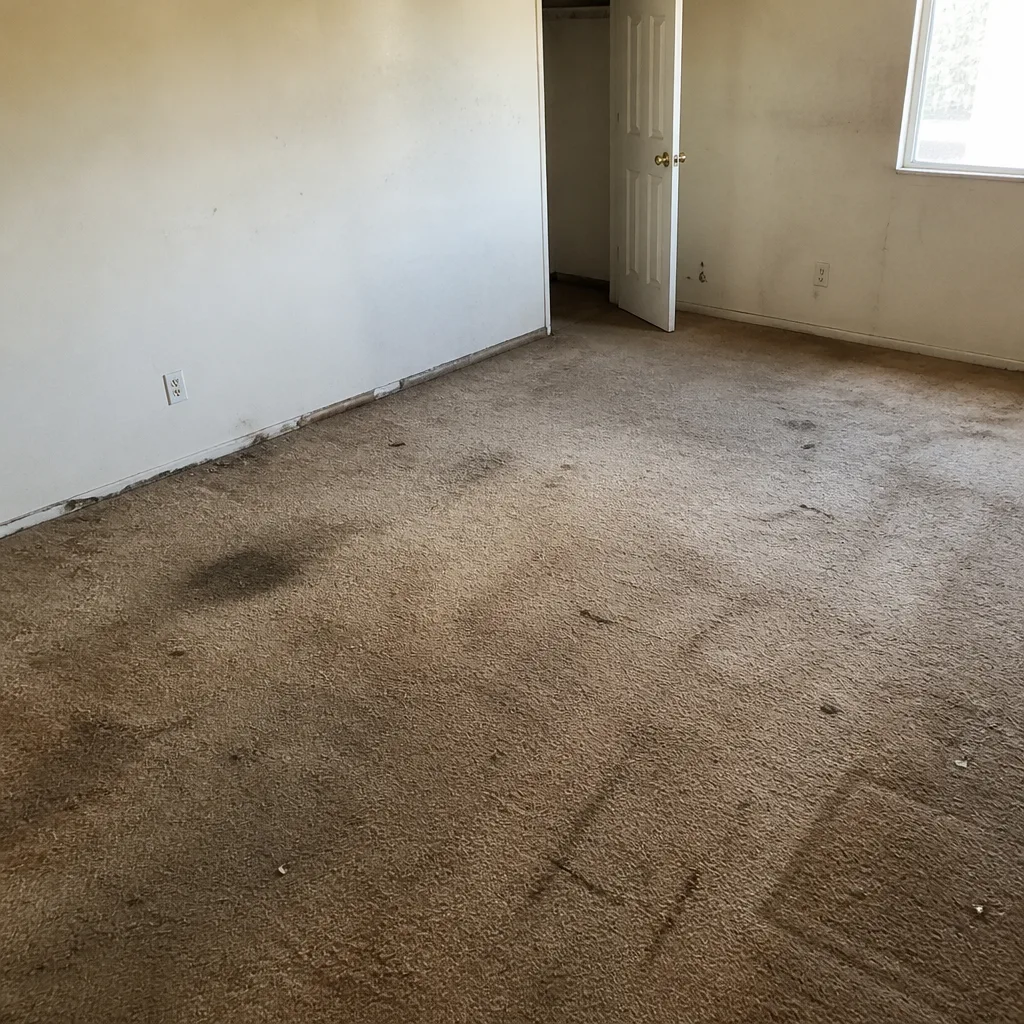 Before
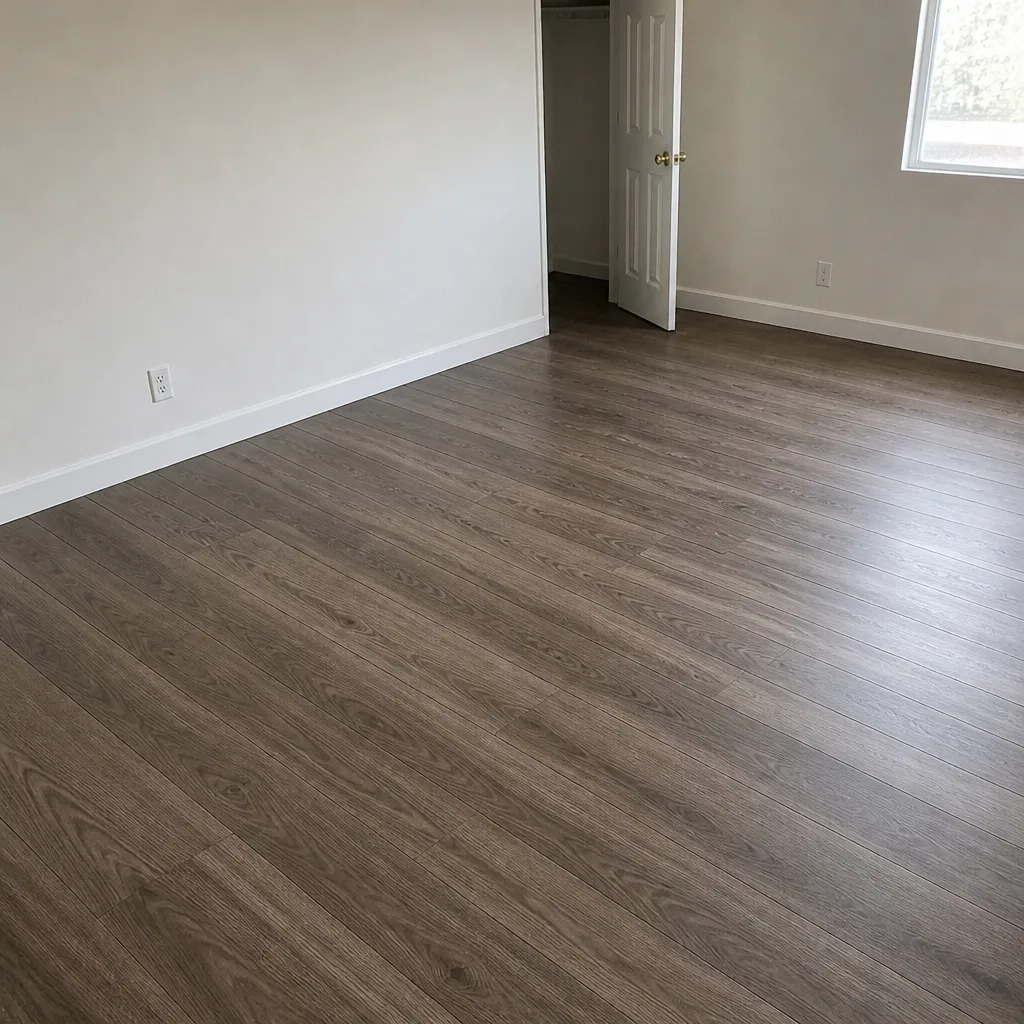 After
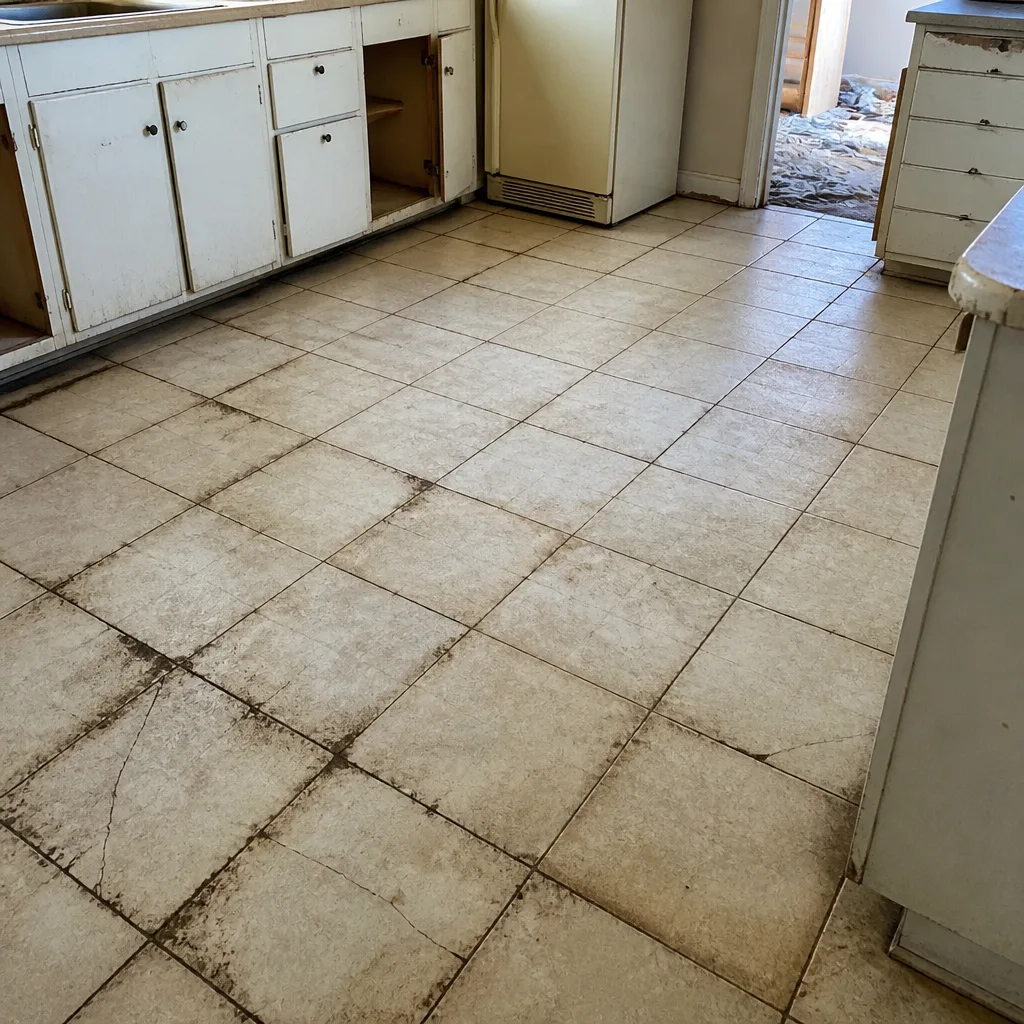 Before
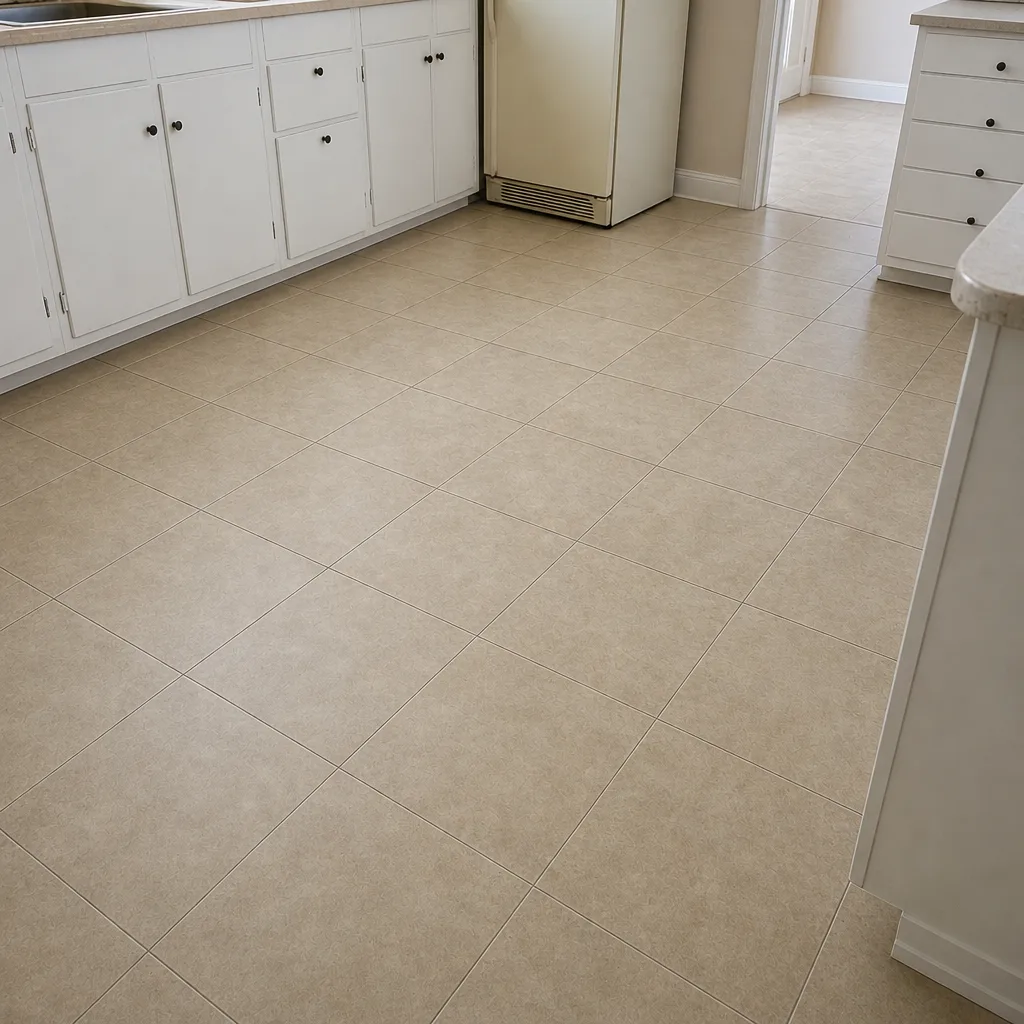 After
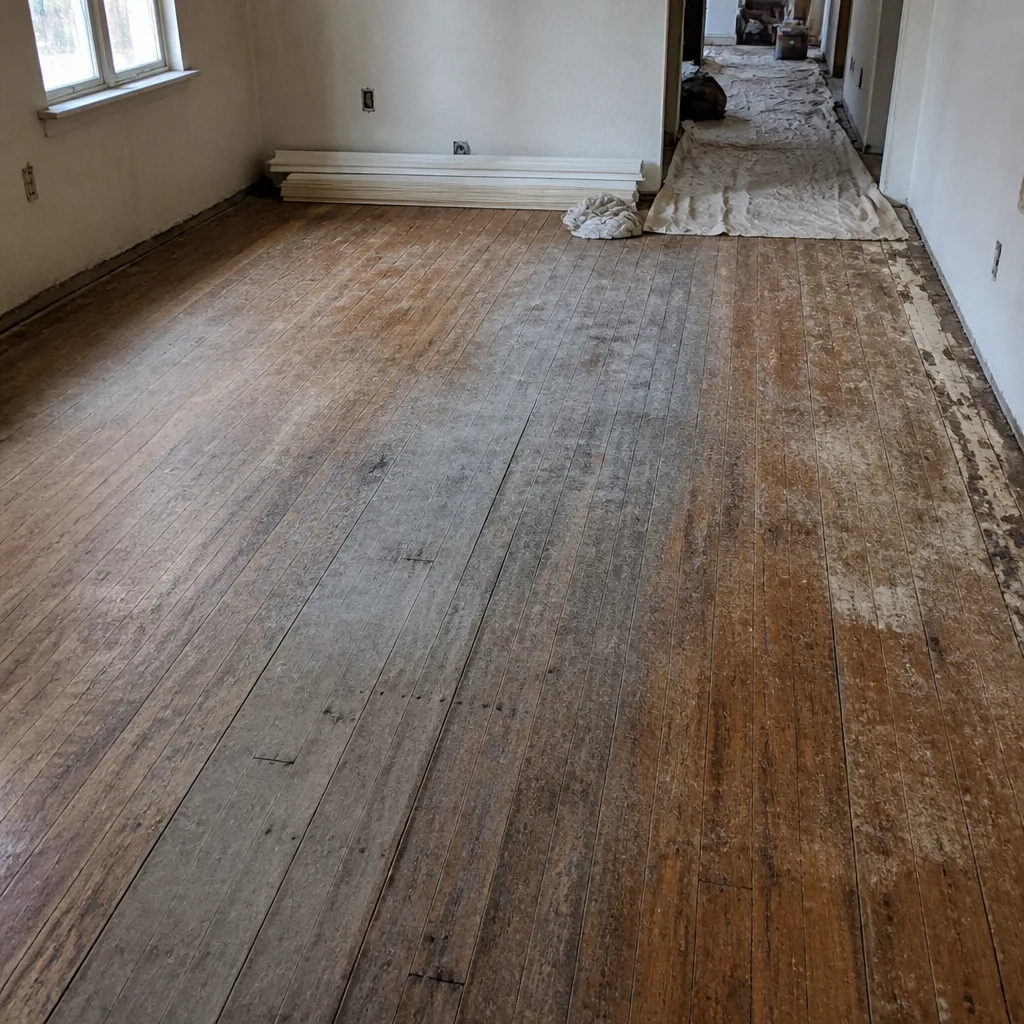 Before
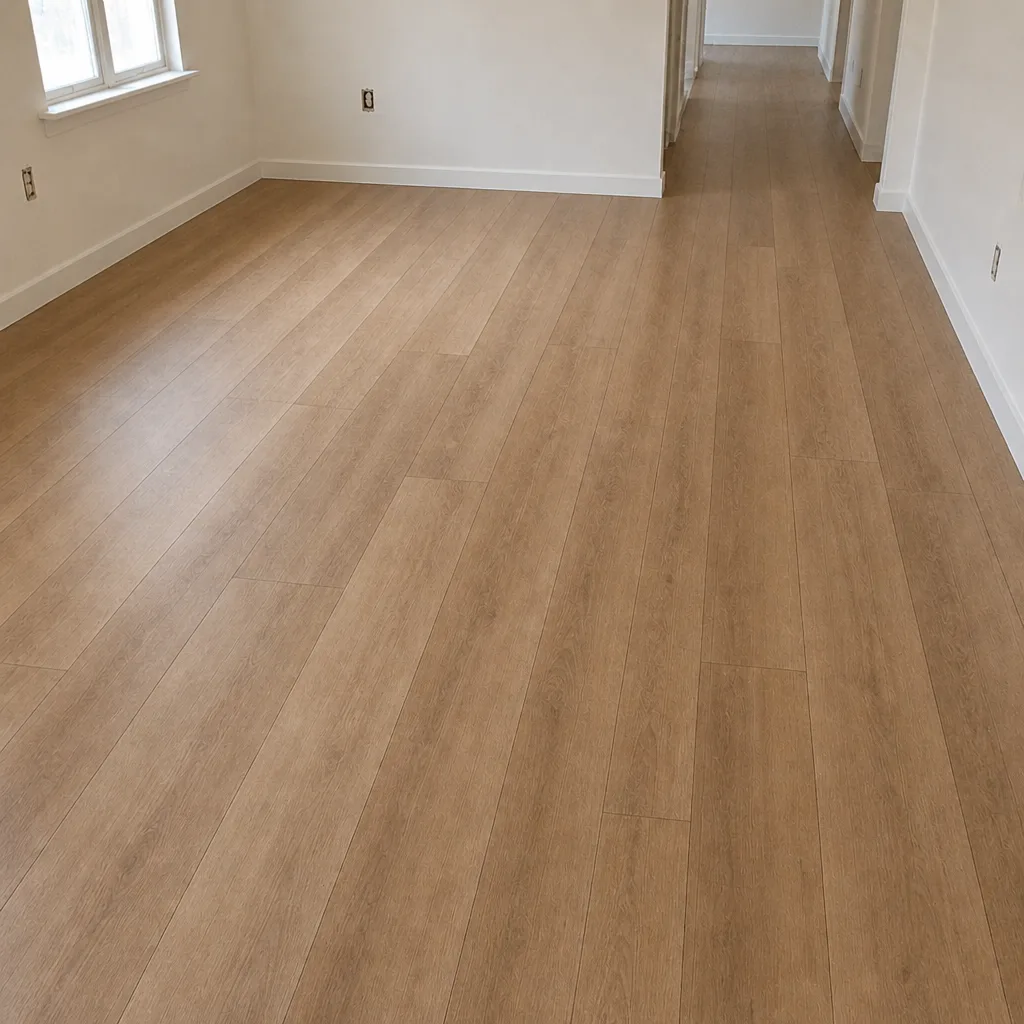 After
When to Call a Professional
Call a professional when the damage is bigger than a single visible spot, when there’s any moisture present, or when you can’t get a clear answer on the substrate. Call when the floor is soft underfoot, when tile has debonded over a cracked substrate, when the wood may not be thick enough to refinish, or when you don’t know whether your material is still in production. Those are the cases where the wrong call is expensive and a trained eye can save it. Whitney Flooring offers free estimates in Whitney. Call (833) 620-5226. We answer 24/7. Fast dispatch from 7am to 7pm, Sunday through Friday. Whitney Flooring handles tile flooring installation and hardwood refinishing across the same area, so a mixed-floor home is quoted under one standard instead of three trades.
Frequently Asked Questions
Repair is worth it when the damage is isolated, the subfloor is sound, and the material is still in production, because you keep the existing floor and save the cost of replacement. Replacement is worth it when moisture has spread, the finish can’t be refinished, or the material is discontinued and a patch would be visible. The true test is whether the repair will hold, not just whether it can be done. Call (833) 620-5226 for an exact quote; estimates are free.
No, hardwood can only be refinished if the wood is thick enough and in condition to take another sanding pass. Floors that have already been sanded close to the tongue, or that have swollen or warped boards, usually can’t be refinished and need replacement. The thickness and condition are checked at the estimate visit. Call (833) 620-5226 to schedule a free estimate.
The problem is dye lot variation. Even if you find the same tile name, a later production run won’t match the original lot in color or pattern, so a patch reads as a visible square. Before committing to a patch, confirm the tile is still in production and a matching lot exists. If it isn’t, price the full replacement alongside the patch. Call (833) 620-5226 for a free estimate on both.
You know by mapping the moisture. If the affected area is small, the leak is fixed, and the subfloor is sound, a repair can hold. If moisture has spread into subfloor or framing, or more than one room is involved, replacement of the affected area is usually the lower total cost. Whitney Flooring assesses moisture as part of the estimate. Call (833) 620-5226; estimates are free.
It’s a repair issue, not a cosmetic one. A squeak can be a loose fastener or a subfloor panel detached from a joist, and laying a new floor over it just moves the problem up one layer. The attachment has to be addressed before any surface repair will hold. Call (833) 620-5226 to get the subfloor checked at a free estimate.
Whitney Flooring handles both. We refinish hardwood, install carpet and tile, and install products from Shaw, Mohawk, COREtec, Pergo, LifeProof, Mannington, Armstrong, Daltile, and Karndean, so we can quote a repair and a replacement in one conversation. Our technicians have up to 12 years of experience, and every one of them works floor-specific. Call (833) 620-5226. We answer 24/7. Fast dispatch from 7am to 7pm, Sunday through Friday.
The Bottom Line
Repair vs replacement isn’t a judgment about how bad the damage looks. It’s a judgment about whether the repair will hold. If the subfloor is sound, the material is in production, and the damage is isolated, repair or refinishing is usually the lower cost and the better result. If moisture has spread, the finish system can’t be saved, or a patch would be visible and short-lived, replacement is the smarter spend. The right floor for how you actually live in your home is the one that’s installed over a sound substrate and finished with a product you can research before you buy. Whitney Flooring is a single-source specialist for carpet, tile, and hardwood, and we’d rather tell you to refinish than sell you a floor you don’t need.
Call (833) 620-5226 for a free estimate. We answer 24/7. Fast dispatch from 7am to 7pm, Sunday through Friday. Whitney Flooring serves homeowners in Whitney and the surrounding area, and a free written estimate is the first step on either path.
Written by the team at Whitney Flooring.