
Last updated November 18, 2026
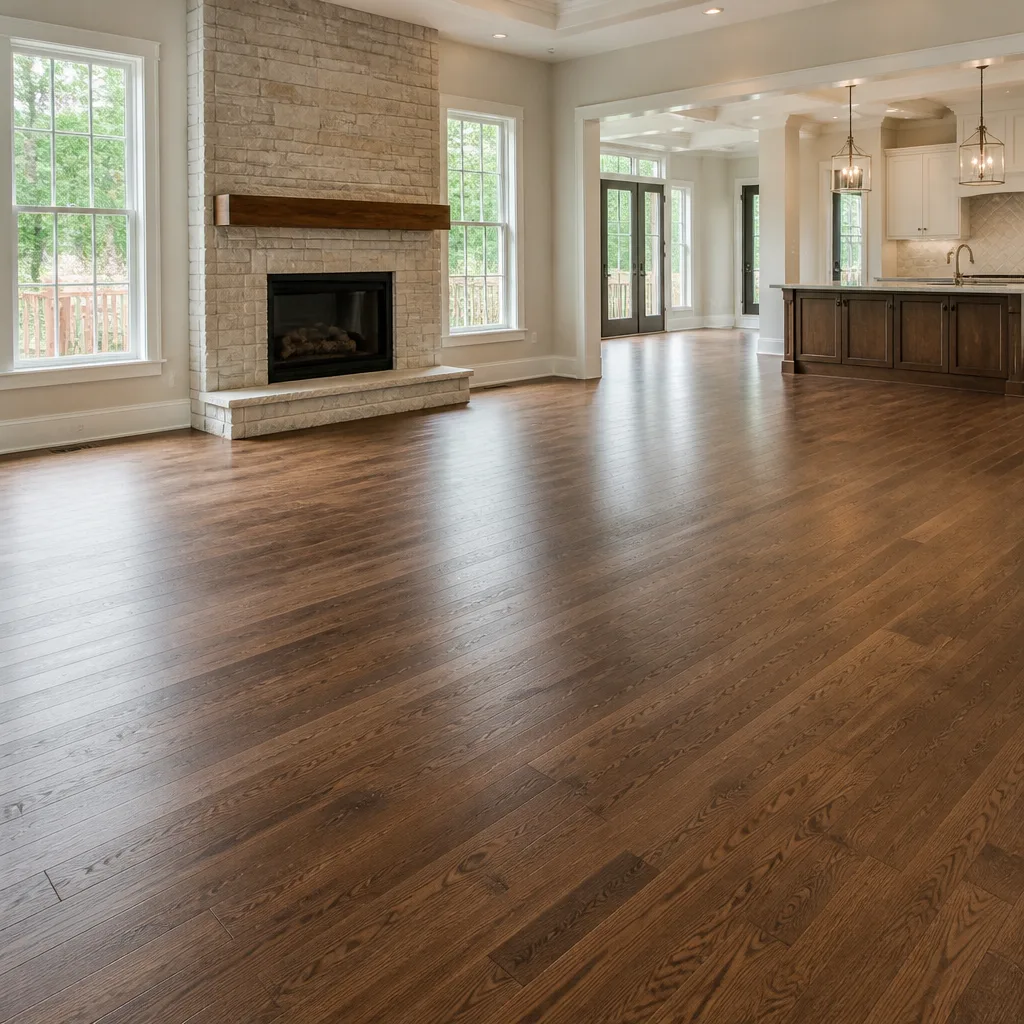 Hardwood
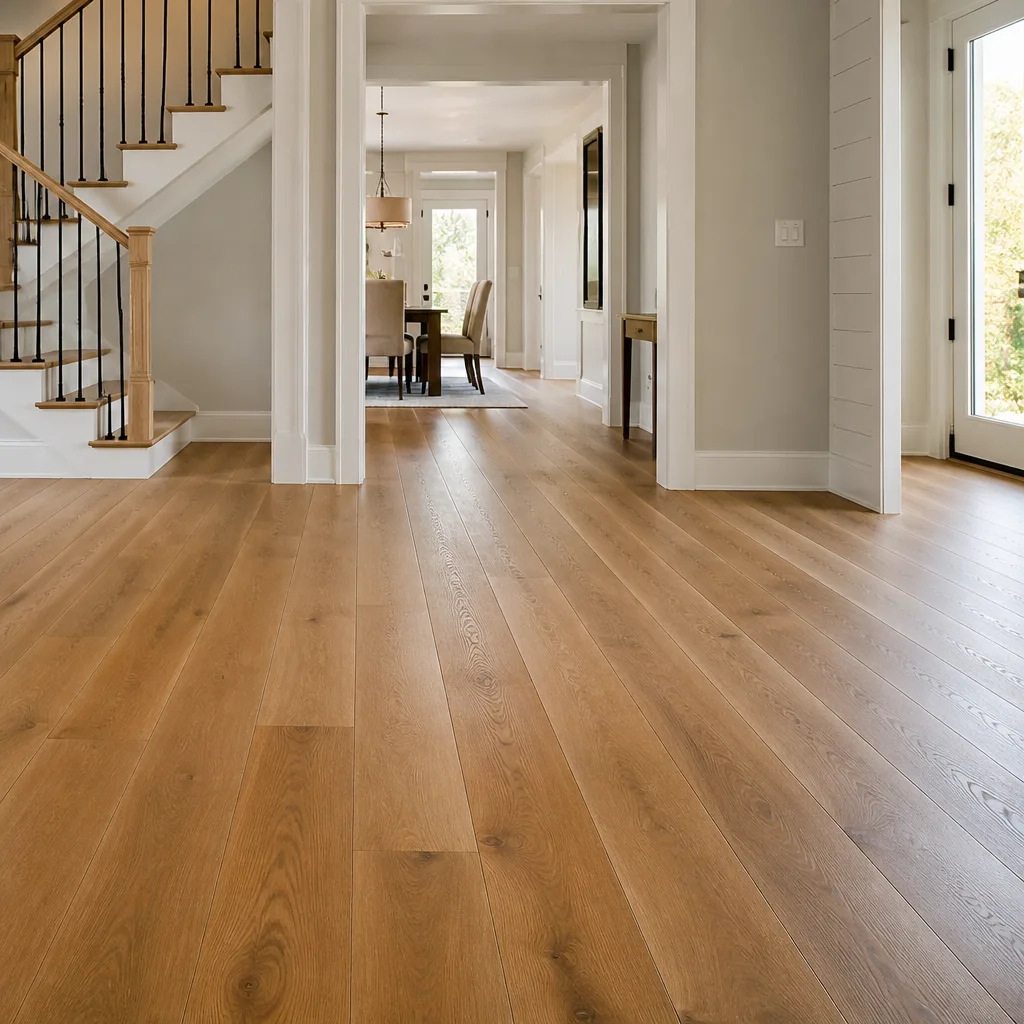 Engineered hardwood
 Luxury vinyl plank
 Laminate
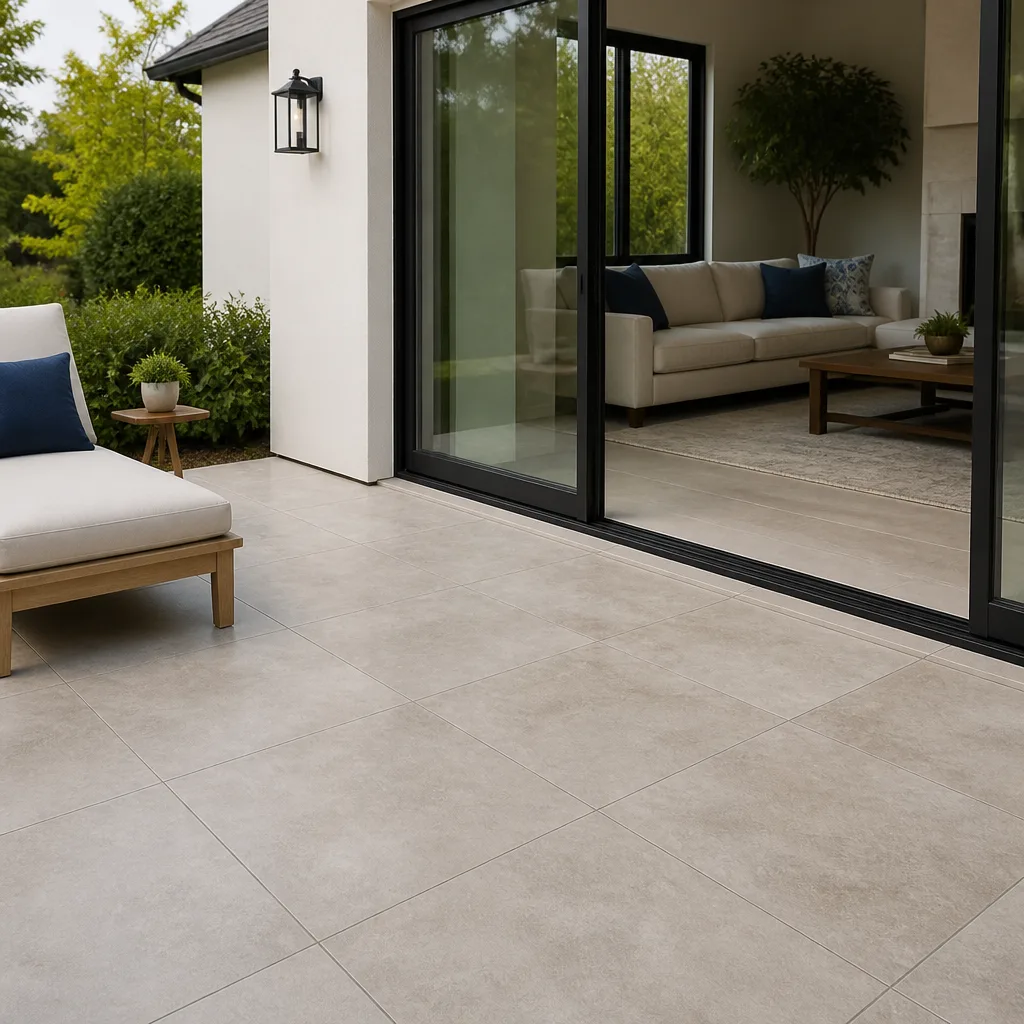 Porcelain tile
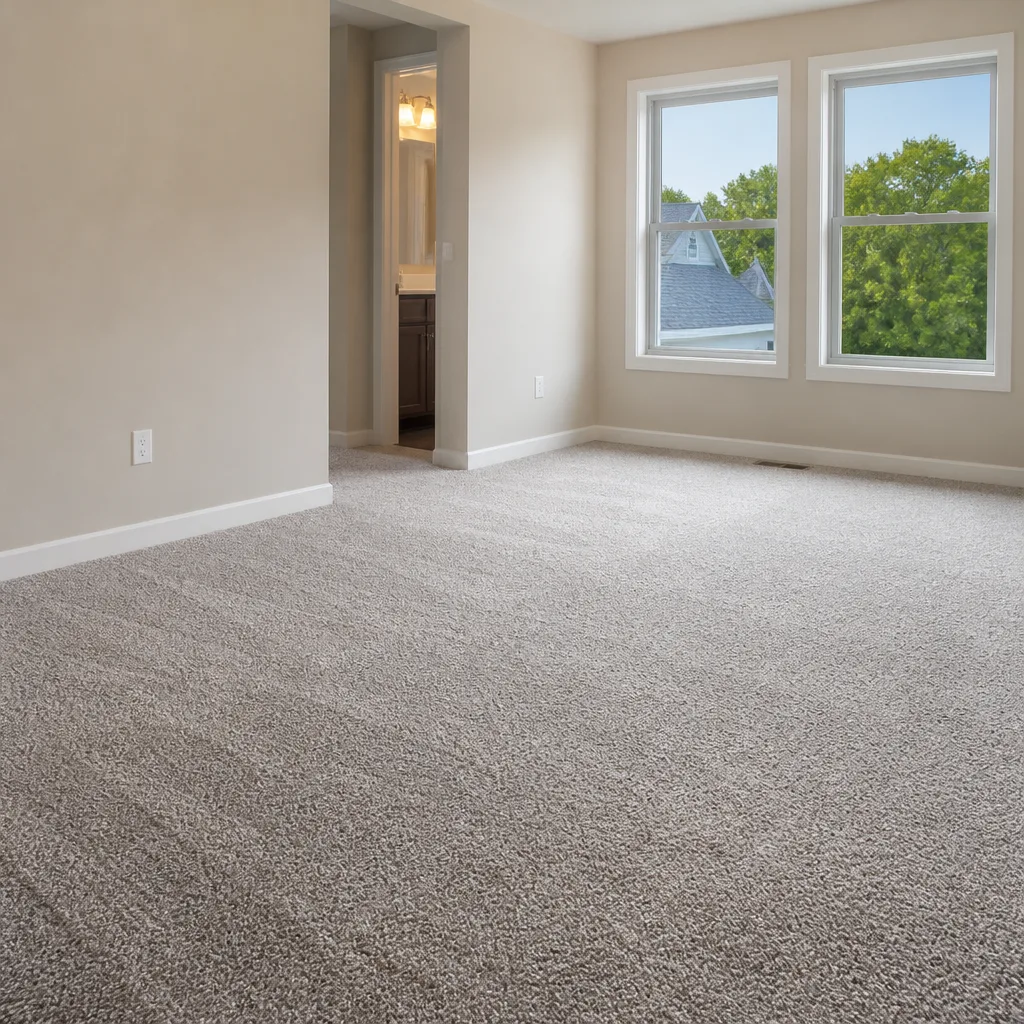 Carpet
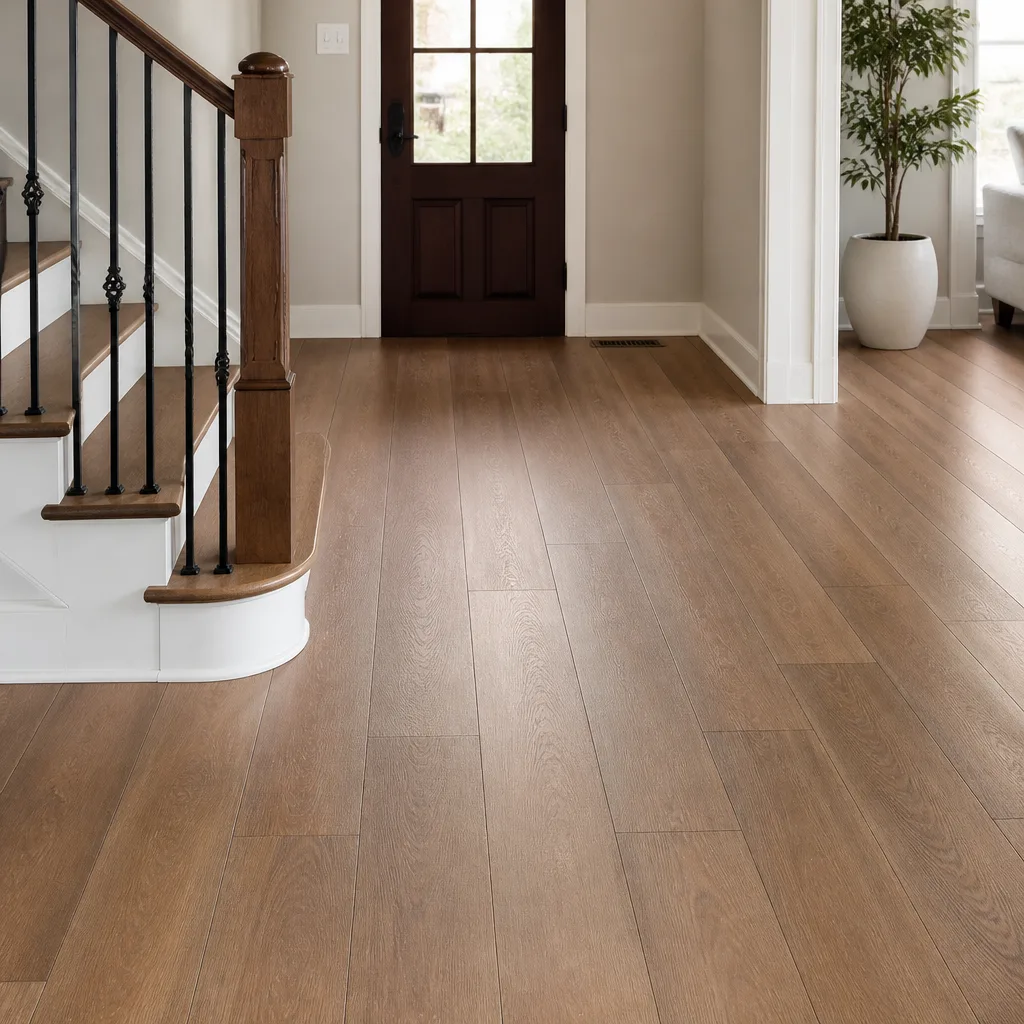 Shaw
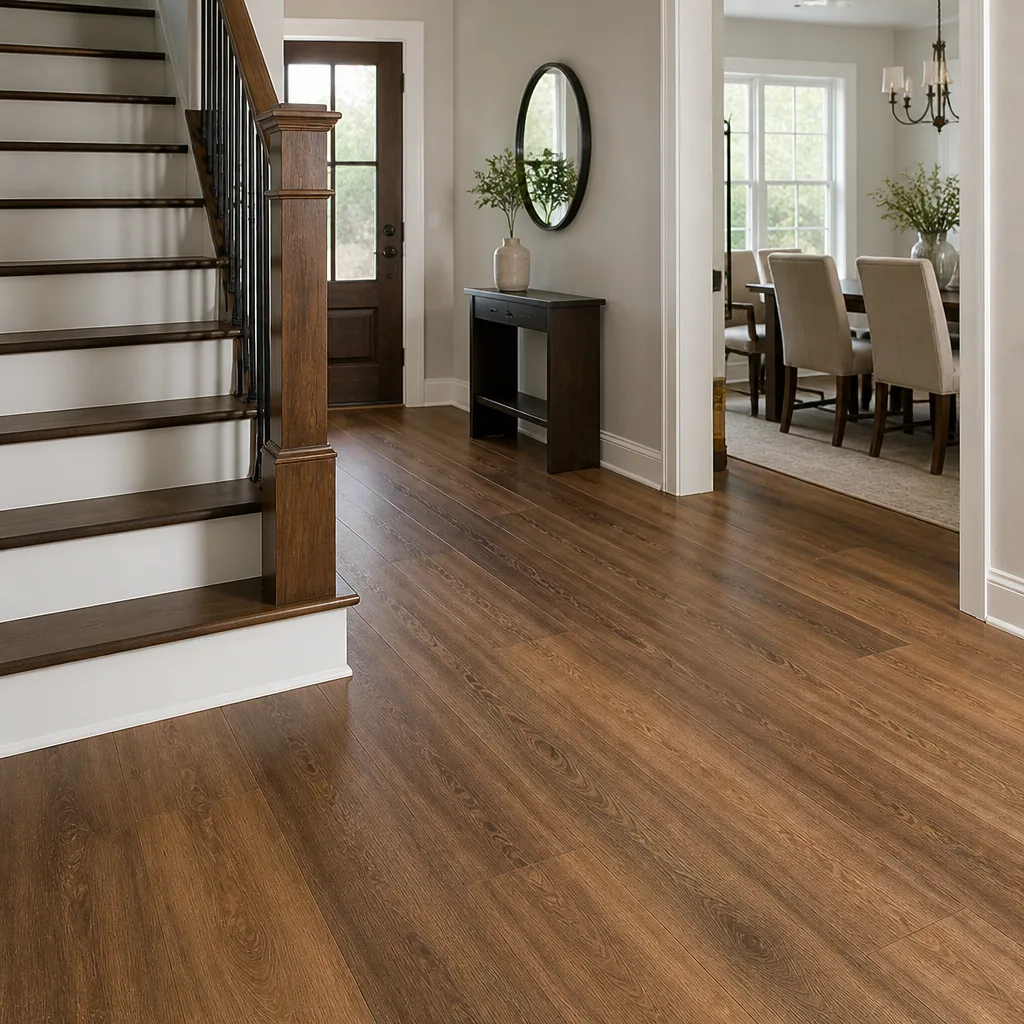 Mohawk
 COREtec
 Pergo
Free in-home measure and written estimate: Shaw, Mohawk, COREtec and Pergo lines compared on your own rooms, with carpet, tile, vinyl plank, laminate and hardwood laid out side by side
Get your free estimateWhat Happens at a Free In-Home Flooring Estimate in Whitney
Most homeowners assume a free flooring estimate is a sales pitch with a tape measure attached. The opposite is closer to the truth. A proper in-home estimate is a diagnostic visit: it’s where subfloor conditions, moisture, door clearance and transition details get found before a single box of flooring is ordered. Skip that step and the surprises show up after demo day, when the price has already been agreed. This guide walks through exactly what a thorough estimate covers in Whitney, what the estimator should measure and ask, and how to compare two estimates fairly. Whitney Flooring performs these visits as a free, no-pressure first step.
Quick Answer
A free in-home flooring estimate in Whitney is a scheduled visit where a specialist measures the rooms, checks the subfloor and moisture conditions, notes door clearances and transitions, and asks how you use the space, then follows up with a written estimate that sets the final price before any work is booked. It is not a quote from square footage alone. The written estimate, not a verbal range, is what the installation is scheduled against.
Styles & brands we work with
- Hardwood
- Engineered hardwood
- Luxury vinyl plank
- Laminate
- Porcelain tile
- Carpet
- Shaw
- Mohawk
- COREtec
- Pergo
Table of Contents
- Why an Online Quote Can’t Replace an In-Home Visit
- What Gets Measured Beyond Square Footage
- The Subfloor Assessment That Prevents Change Orders
- Questions the Estimator Should Ask You
- How to Get Comparable Estimates
- What a Written Estimate Should Include
- Choosing Carpet, Tile or Hardwood at the Estimate
- When Refinishing Beats Replacing
Why an Online Quote Can’t Replace an In-Home Visit
Online flooring calculators do one thing well: they multiply length by width. Everything that determines whether an installation goes smoothly happens outside that math. The calculator can’t see the dip in the floor by the hallway, the tile that’s lifting at a corner, or the way a sliding closet door sits an inch lower than the rest of the room. Those are the things a specialist measures at the visit, and they’re the reason two homes with identical square footage can need very different installation plans.
Here in Whitney, the gap between a calculator and a real visit shows up in a few predictable ways. Homes in this part of the Las Vegas Valley sit on soils and slab conditions that can move with seasonal moisture and temperature swings, and that movement tends to show up first at the floor. A room that looks flat underfoot can have a low spot that will telegraph through a rigid floor if the subfloor isn’t addressed. A wall-to-wall carpet that’s been down a long time can hide a cracked slab or a soft spot in a wood subfloor. None of that appears in a photo.
There’s also the simple question of what you’re actually buying. Whitney Flooring supplies and installs from nine brands, including Shaw, Mohawk, COREtec, Pergo, LifeProof, Mannington, Armstrong, Daltile and Karndean. Seeing samples in your own light, against your own wall color and cabinetry, tells you more than any screen does. And because we’re a flooring-only specialist, the person who walks your rooms is talking about floors all day, not fitting your estimate in between roofing bids.
The estimate visit is also when the schedule gets discussed. Installation is a booked job: free in-home measure first, written price next, install day after. That sequence protects you from the “we’ll figure out the details on the day” arrangement that turns into a change order.
What Gets Measured Beyond Square Footage
A specialist measures more than the room’s footprint. The measurements that matter at an estimate are the ones that decide how the floor will be cut, how it will meet the next surface, and whether a door will still swing. A good estimator works through a short list, roughly in this order:
- Room dimensions, including closets and alcoves. Every square foot gets counted, and irregular shapes get broken into rectangles rather than eyeballed.
- Door clearances. How much room is under each door, whether the door will need to be trimmed, and how a thicker floor changes the swing.
- Threshold conditions. How the new floor will meet the hallway, bathroom, exterior door or stairs, and what transition pieces that requires.
- Subfloor material. Slab, plywood, or something older, and what that means for prep before the new floor goes down.
- Moisture conditions. Where moisture might come from below or sit under the old floor, and how that gets checked.
- Existing flooring and how it comes up. Carpet and pad, tile and mortar, or glued-down wood each come out differently and take different time.
- Baseboards and trim. Whether they can be reused or need to come off, and how that’s handled.
- Furniture and access. What needs to move, how the install day is staged, and where materials will be staged.
Each of those measurements changes the scope slightly. A room with three doorway transitions and a step down needs more material and more labor detail than a plain square room. Writing that into the estimate up front is the whole point. It’s also why a phone quote based on square footage and a material name tends to come in lower than the real job.
The Subfloor Assessment That Prevents Change Orders
The subfloor is the part of the job you can’t see, and it’s the single biggest source of install-day surprises. At a Whitney estimate, the specialist looks at the subfloor as part of the visit, not as something to discover later. What that involves depends on the home and the product you’re planning, but it covers a few standard checks:
- Level and flatness. A floor can be flat enough for carpet and not flat enough for tile or a rigid-core plank. The estimator checks the surface against what the product you’re considering needs.
- Moisture and slab condition. Concrete slabs in this climate can hold moisture in ways the surface doesn’t show. The estimator looks for signs and explains how that gets addressed before installation.
- Existing flooring layers. How many layers are down, what’s under them, and whether any of it can stay.
- Soft spots and movement. Loose boards, cracked sections or areas that give underfoot.
- Joints and cracks. Where the subfloor panels meet or where the slab has cracked, and how those get treated for the product going down.
If any of that turns up something that needs prep, the estimate should reflect it. That’s the moment to find out, not after the old floor is in a pile in the driveway. A written estimate that includes the prep as a line item lets you compare it against other bids fairly. A written estimate that doesn’t mention the subfloor at all isn’t necessarily cheaper; it just leaves room for the surprise to show up as a later charge.
The result of a careful subfloor check is a plan you can trust. When we’re the ones installing, that plan already carries the prep. When you’re still shopping, the check tells you what to ask the next estimator before you sign anything.
Questions the Estimator Should Ask You
The questions asked at the estimate matter as much as the measurements. A specialist asks about how you live in the home because that drives the material recommendation. If the estimator only asks how many square feet and which color you like, that’s a signal the visit is a sales call, not an assessment. Here’s what a thorough estimate in Whitney should cover:
- Which rooms and how they’re used. A hallway and a living room wear differently; a mudroom needs a different conversation than a bedroom.
- Traffic and occupants. How many people, whether there are pets, kids, or heavy furniture that gets moved often.
- Moisture exposure. Any plumbing that’s leaked, any slab that’s felt damp, any bathroom or laundry area in the plan.
- Existing floor history. When it went in, what’s under it, any known issues, and any area that has already been patched.
- What’s staying. Baseboards, trim, doors and appliances that need to be accounted for.
- Timeline and how the home will function during install. Whether the room needs to be out of commission for a stretch, and what that means for the household.
- Budget cues and priorities. Not a strict number, but whether durability, appearance or refinishing an existing floor is the priority.
When an estimator asks these, the written estimate that follows tends to be specific. When they don’t, the estimate is more likely to be a single number and a brand name. That comparison, more than price, tells you who is going to plan your installation.
How to Get Comparable Estimates
Comparing two flooring estimates by the bottom-line number is the most common mistake homeowners make. Two bids can look $600 apart on paper and be off by thousands in what’s actually included. To get comparable estimates, you have to compare scope first and numbers second.
A useful way to think about it:
- Compare the room list. Same rooms, same measured area, closets included or not.
- Compare the product specification. Same product line, same thickness, same material, same color family. A cheaper brand on one bid versus a brand you recognize on the other isn’t a price comparison.
- Compare what’s included for removal. Tear-out, hauling, and pad or underlayment disposal. Some bids roll these together; some list them separately; some leave them out.
- Compare subfloor prep. What’s included and what would trigger a change order if something is found on install day.
- Compare transition and trim work. Thresholds, stair noses, baseboard handling.
- Compare scheduling terms. When the install is booked, how the day is structured, what the written estimate says about changes.
Once the scopes line up, the numbers become meaningful. Until they do, they’re two different jobs with two different prices. This is why a written estimate that itemizes each of these things is worth more than a lower number that skips them.
Whitney Flooring produces written estimates so you can line them up against another bid you’ve already received. We’d rather you compare fairly than assume our number is the one to beat.
What a Written Estimate Should Include
A written estimate is a usable document when it tells you exactly what’s included, what isn’t, and what happens if conditions change. It’s a price on a napkin if it says a number and a total. Here’s what to look for in the write-up:
- Your name, address and the date. Basic, but it’s the first sign of a document you can rely on.
- Room list and measured areas. Specific rooms, their areas, and the total being priced.
- Product specification. Brand, product line and any reference number so there’s no ambiguity about what’s being installed.
- Removal and disposal. Whether old flooring, pad and any attached material comes out, and who hauls it.
- Subfloor prep. What prep is included, what hasn’t been confirmed until demo, and how that gets handled if something is found.
- Trim, transitions, and details. Thresholds, baseboards, stair details, and any other edge condition.
- Schedule language. The install is a booked job, and the estimate should say so, along with how the day is structured and how material staging works.
- What’s not included. This is often the most useful part of the page. It’s where fairness lives.
- Total and how it’s set. The written estimate sets the final price. Anything outside it becomes a separate conversation, in writing, not a surprise.
A short estimate isn’t necessarily wrong, and a long one isn’t necessarily careful. What matters is whether it hits those items and whether it’s clear enough that you’d know exactly what you’re agreeing to before install day.
Choosing Carpet, Tile or Hardwood at the Estimate
The estimate is the natural place to narrow down material, because that’s when the specialist has seen your rooms and heard how you live. Whitney Flooring focuses on three categories: carpet installation, tile flooring installation, and hardwood floor refinishing. Each asks different things of the subfloor, the trim and the schedule, which is why the material conversation belongs inside the estimate, not before it.
Carpet questions to sort out at the visit: which rooms get carpet, how the pad is being handled, and how the new carpet will meet the hard flooring at each doorway. For homes that are mixed surfaces throughout, a single-source specialist handles the transition from carpet to a hard floor in one plan.
Tile questions: what’s under the tile, how flat the subfloor is, and whether any existing tile will be removed or tiled over. Tile installation is where subfloor condition matters most, and that’s exactly what the in-home visit exists to find.
Hardwood questions: whether the existing floor is a candidate for refinishing, or whether new hardwood is on the table instead. Refinishing is worth a conversation first, since it often saves the cost of replacement and preserves the floor that’s already in the home. Whether any floor can be refinished depends on the thickness of the wood and its condition, which gets checked in person, not from a photo.
Brand questions benefit from an in-person conversation too. Between Shaw and Mohawk on the carpet side and COREtec and Pergo in the rigid-core plank space, there’s a real difference in what each product feels like underfoot and how the surface handles day-to-day life. Our technicians have up to 12 years of experience helping homeowners sort through that, so you’re talking with someone who’s installed the material, not just sold it. Call (833) 620-5226 to schedule your free estimate in Whitney.
When Refinishing Beats Replacing
Refinishing hardwood is usually the first thing worth asking about at an estimate. If the floor is solid wood and has enough thickness left, refinishing restores it for far less than the cost of replacing it, and it keeps the original character of a home. In older Whitney homes where original or mid-century hardwood is still in place, that combination of savings and character is hard to beat.
What the estimator checks on site:
- The wood species and how thick the wear layer is, since a floor can only take so many sandings.
- Condition of the boards: cupping, gaps, stains, water damage, or sections that need replacement.
- Whether the finish has worn through to the wood in spots, or whether it’s still intact enough for a lighter refresh.
- Whether the subfloor underneath is stable, since refinishing a floor over a moving subfloor creates new problems.
Refinishing is process-driven: sanding, repair, staining and finishing. Each step affects the next, and while the technique is standard, the outcome depends on the wood, not a promise. No estimator can guarantee a stain will match a sample chip exactly, and a careful one will tell you that. What a good estimate does is confirm whether refinishing is viable for your floor and price it honestly against replacement. If replacement turns out to be the right call, that option is on the table too.
If the goal is to get a floor back without the cost and disruption of replacement, refinishing deserves a real conversation at the estimate. For more on the Whitney service area and what a Whitney visit involves, the local page covers the rest.
Common Mistakes to Avoid
- Comparing bids by headline price. The number means nothing without the scope behind it. Line up the room list, product spec and prep items first, then compare.
- Assuming the online quote is final. A calculator can’t see your subfloor, your door clearance or how your old floor comes up. Expect the in-home estimate to be more accurate, not higher, and plan around it.
- Skipping the walk-through in any room. The estimate should cover every room you’re considering, including closets and hallways. Leaving a room out now means adding it back into the budget later.
- Choosing material before the estimator sees the space. The right product follows from how you use the room and what’s under it. Pick the material once the assessment is done.
- Not asking what’s excluded. Any estimate that only lists what’s included hides what could come back as a separate charge. Ask for the exclusions in writing.
- Settling for a verbal estimate. Verbal estimates shift. Ask for the written version so the price you were quoted is the price you’re scheduling against.
- Rushing the timeline. Installation is a booked job. Pushing for the soonest possible date can shortchange prep, and prep is what makes the floor hold up.
See the difference
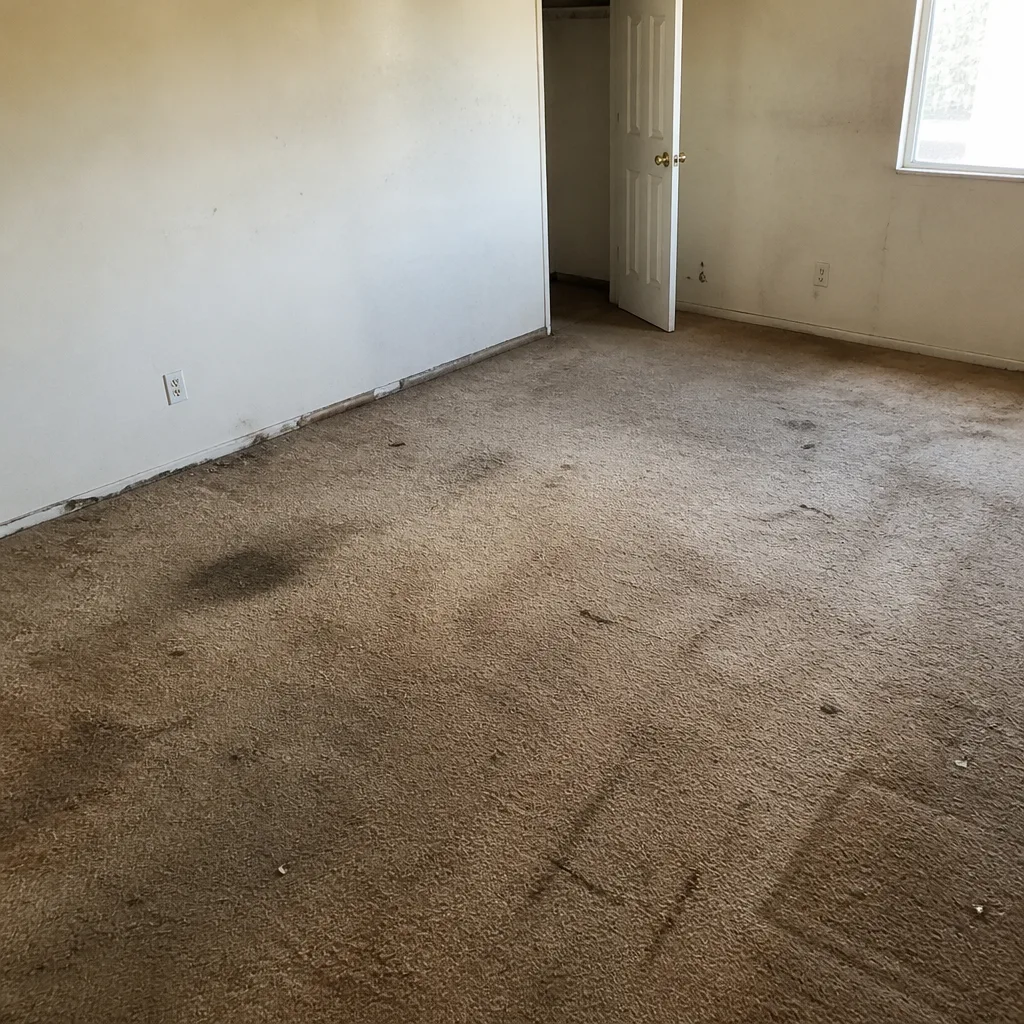 Before
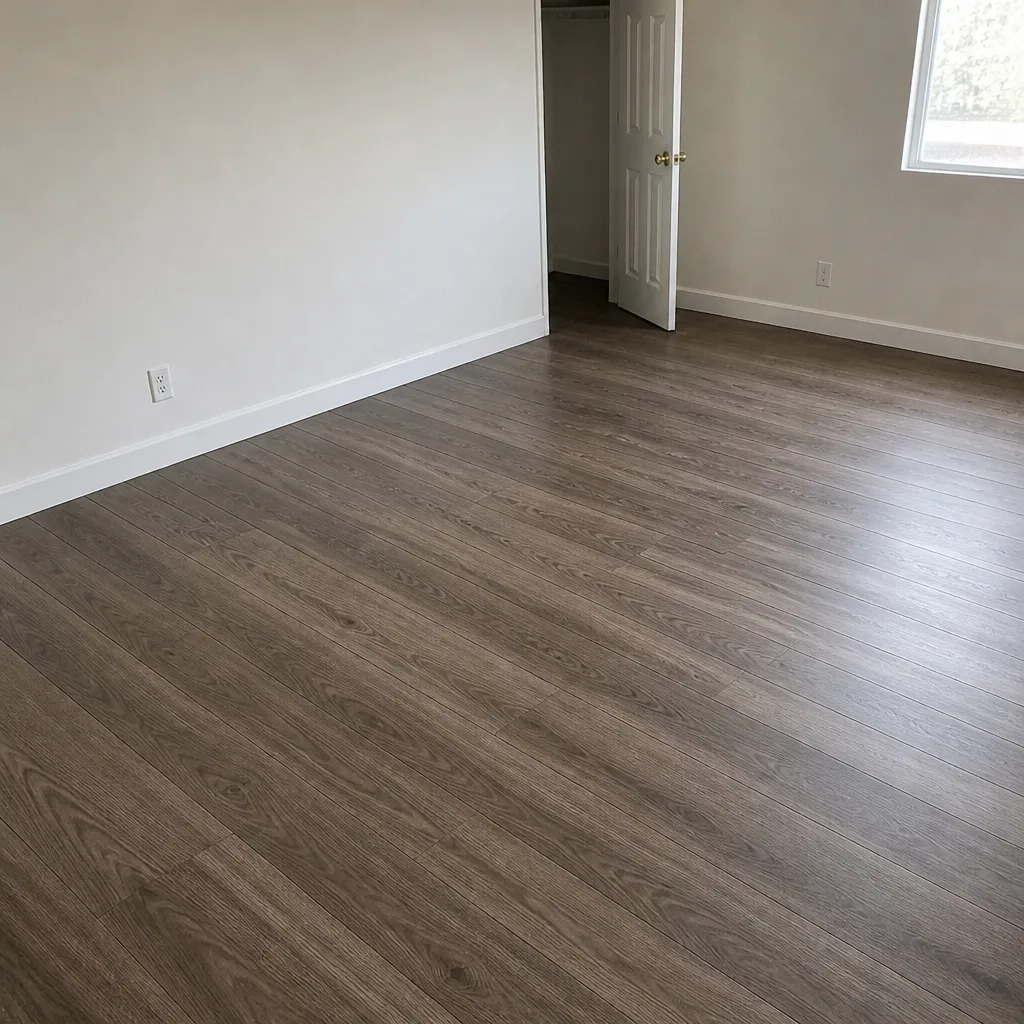 After
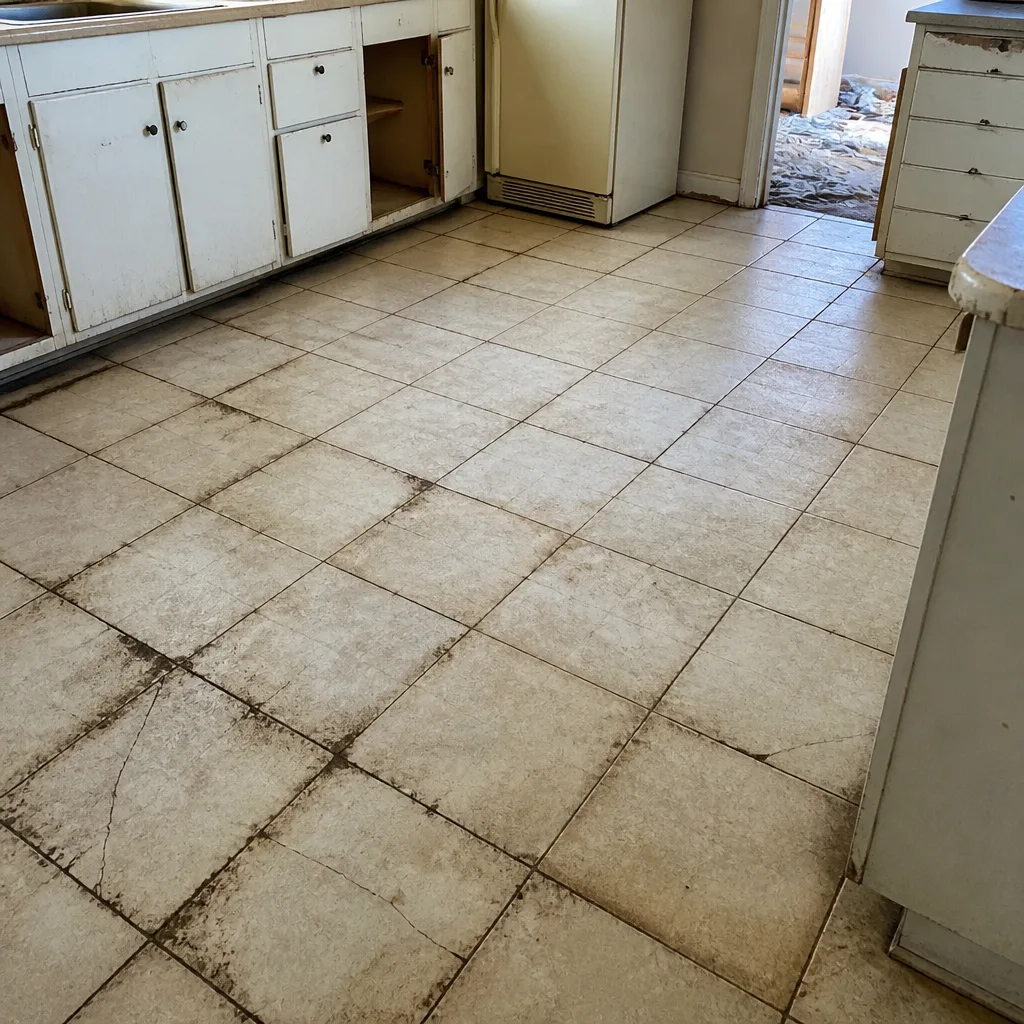 Before
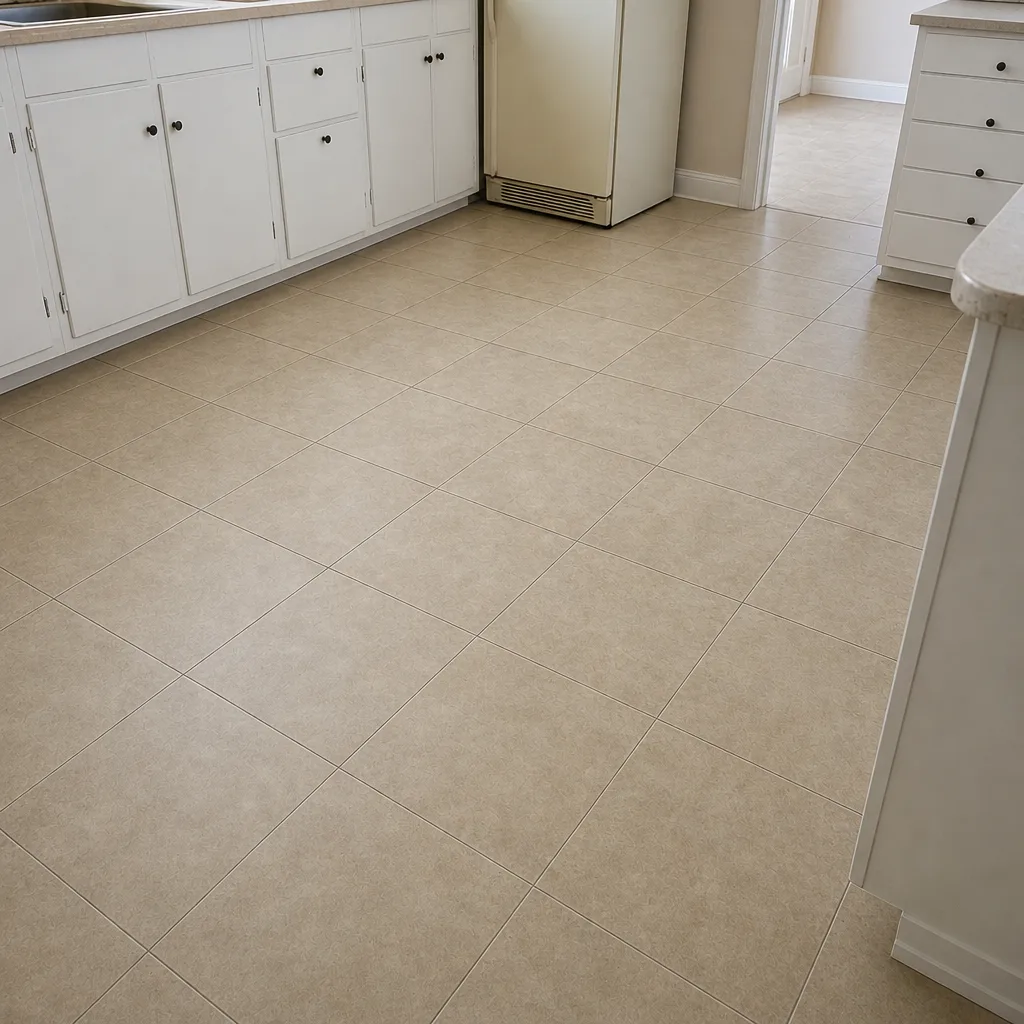 After
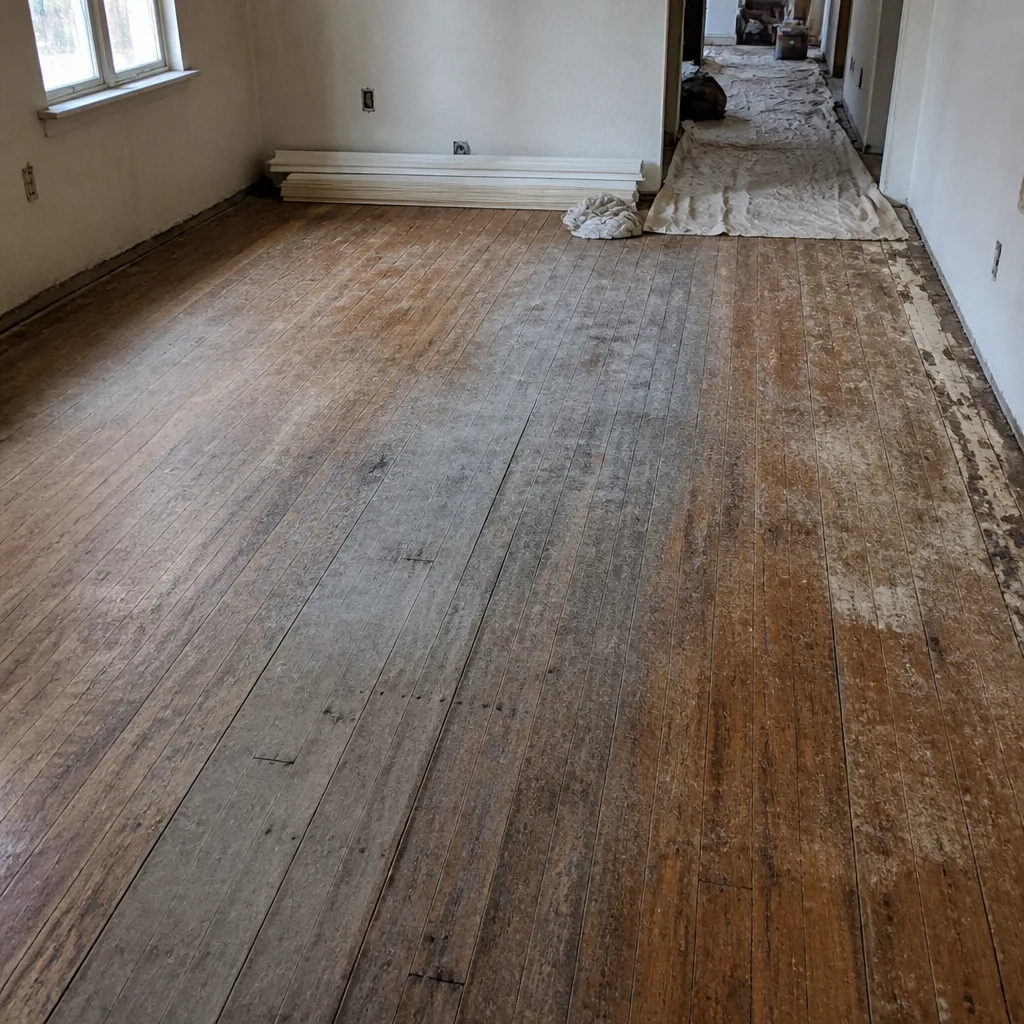 Before
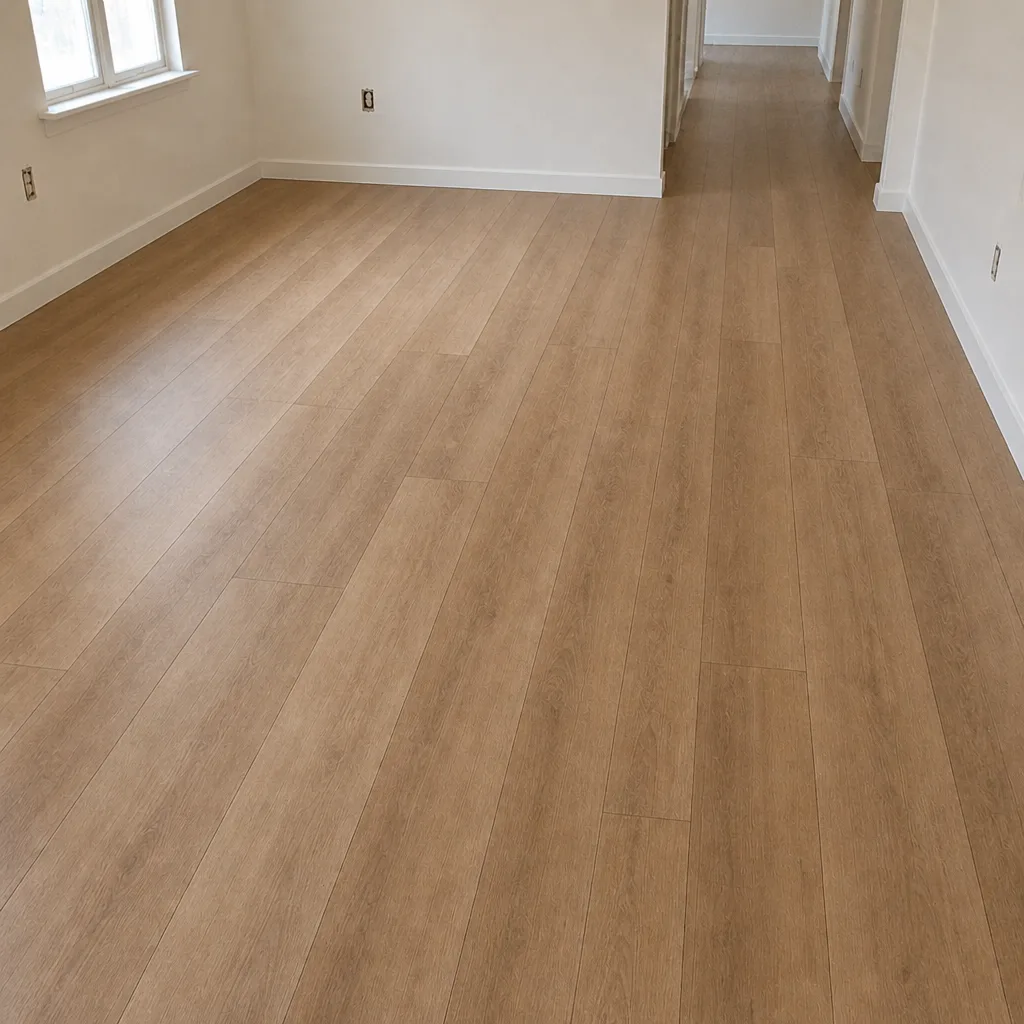 After
When to Call a Professional
There are situations where the estimate visit is more than a nice-to-have. A room with a low spot underfoot, a floor that’s cracked or has begun to telegraph movement, or a subfloor that flexes when you walk across it should be looked at by a specialist before any material is picked. Older tile that has begun lifting, existing carpet over a slab that’s ever felt damp, and hardwood that’s showing more wear than a light cleaning can hide all deserve a trained set of eyes. Hardwood refinishing brings its own reason to call: a specialist can tell you whether the floor is a candidate at all, which is a question a photo can’t answer. Whitney Flooring offers free estimates in Whitney, and it’s a helpful first step whether we do the install or you’re still comparing bids. Call (833) 620-5226 to get on the schedule.
Frequently Asked Questions
Yes. The estimate visit and the written quote that follows are free, with no obligation. Call (833) 620-5226 to schedule your free estimate.
Most in-home estimates take roughly 45 minutes to an hour, depending on how many rooms are being measured and whether subfloor conditions need a closer look. We schedule the visit so there’s time to talk through material options. Call (833) 620-5226 to book yours.
Carpet installation is priced per job based on the measured area, the carpet and pad you choose, and the prep involved, so the written estimate sets the final price. Bring the room list and questions you have, and the estimate will come back with one clear number. Call (833) 620-5226 for an exact quote, and estimates are free.
We can talk through material options and general expectations by phone, but the written estimate comes from the in-home visit. Square footage alone can’t account for door clearance, transitions or subfloor conditions, so we don’t quote from those. Call (833) 620-5226 to schedule the visit.
After is usually better. Seeing the space and hearing the subfloor assessment puts you in a stronger position to pick between carpet, tile, hardwood refinishing or another option, and the right brand often becomes clearer once the room is in front of you. Call (833) 620-5226 and we’ll walk through it with you.
That’s the first thing we check on site, since refinishing often costs less than replacement and keeps the original floor in place. Whether it’s viable depends on the thickness of the wood and its condition, which gets looked at during the estimate. Call (833) 620-5226 to set up the visit and get an honest read.
The Bottom Line
A free in-home flooring estimate in Whitney is a diagnostic, not a sales call. It measures rooms properly, checks the subfloor and moisture, notes door clearances and transitions, and asks the questions that shape the material recommendation. The result is a written estimate that sets the final price and eliminates the surprises that hide in a square-footage quote. Compare bids on scope first, then price. Ask for the exclusions in writing. Treat the schedule as a booked job that follows the estimate, not the other way around. Whether you’re refreshing one room or updating the whole home, the estimate is where a good installation starts. For more on how Whitney Flooring handles the visit and the installation, give us a call.
Ready to schedule yours? Call (833) 620-5226. We answer 24/7. Fast dispatch from 7am to 7pm, Sunday through Friday. Whitney Flooring provides free estimates and written quotes on carpet installation, tile flooring installation and hardwood refinishing in Whitney. The estimate is free, the price is set per job by the written estimate, and there’s no obligation to book.
Written by the team at Whitney Flooring.