
Last updated November 18, 2026
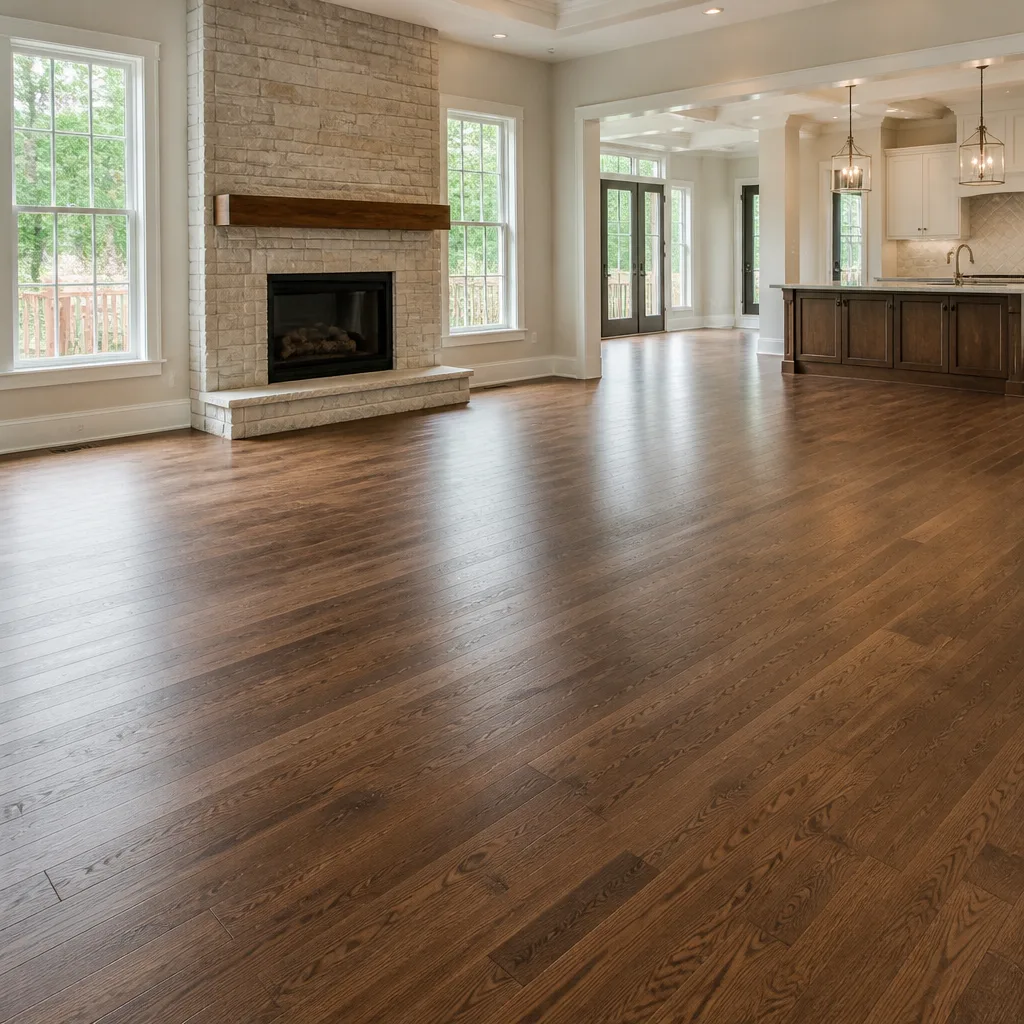 Hardwood
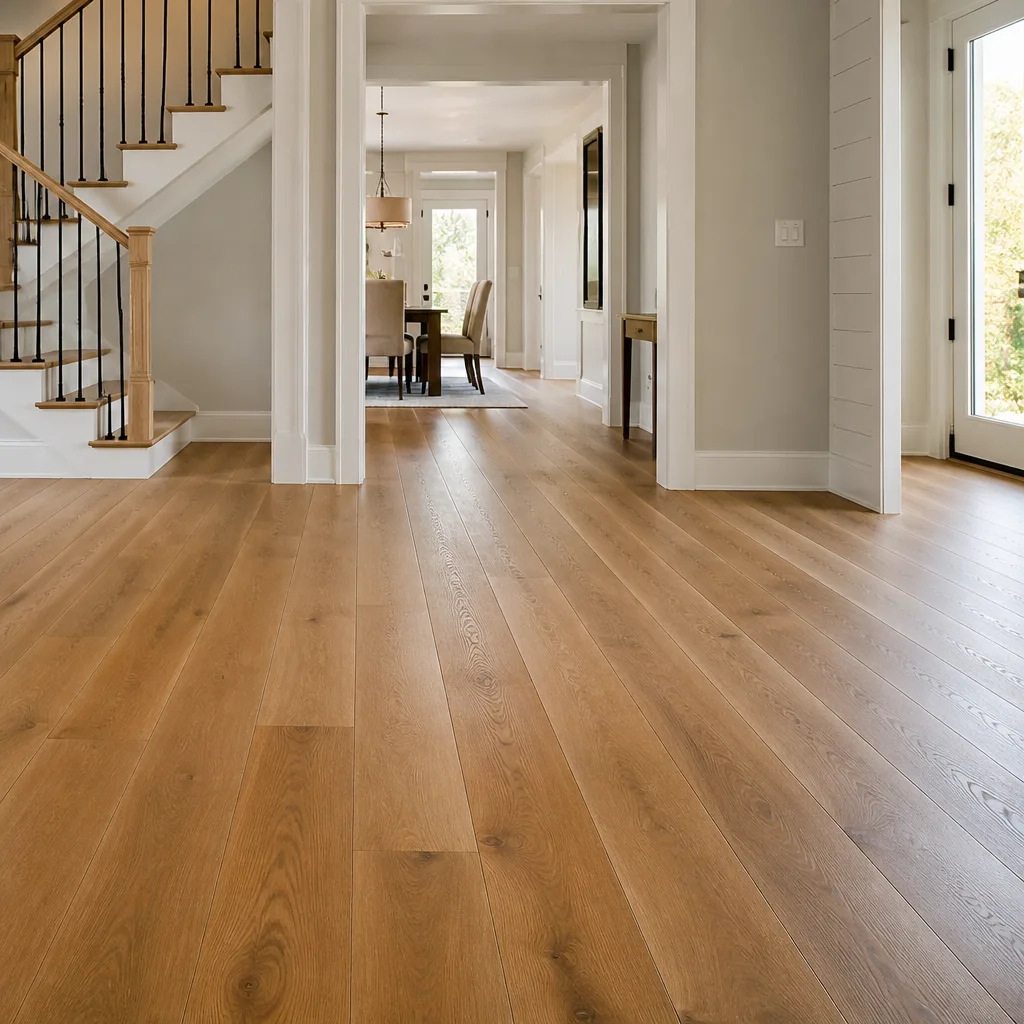 Engineered hardwood
 Luxury vinyl plank
 Laminate
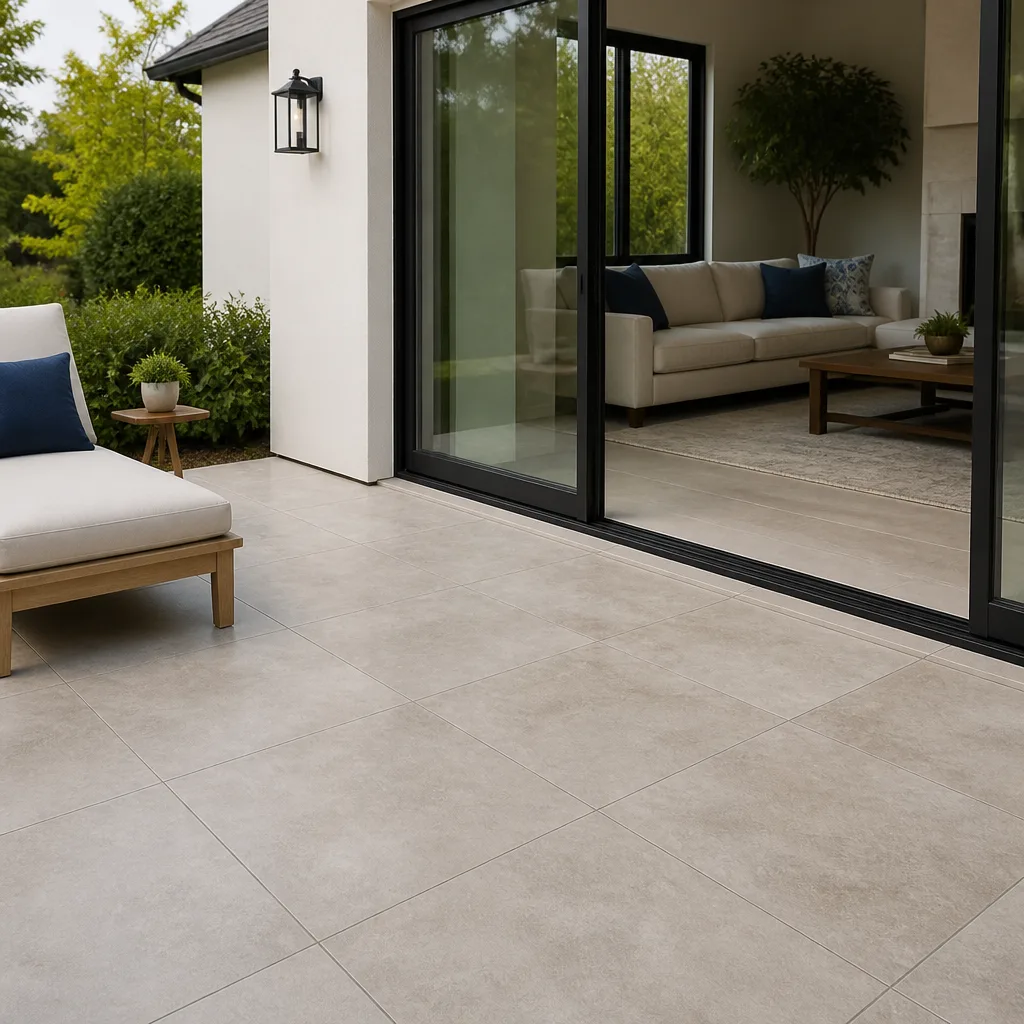 Porcelain tile
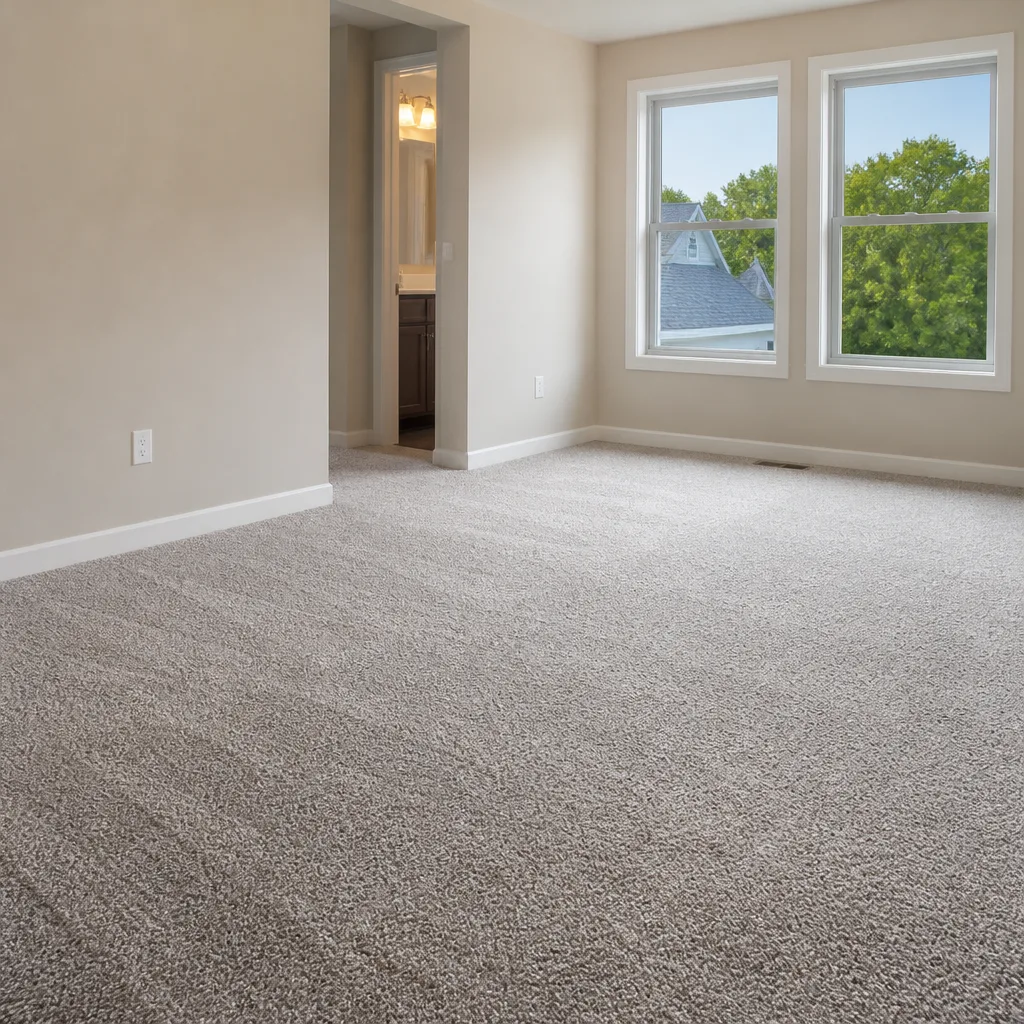 Carpet
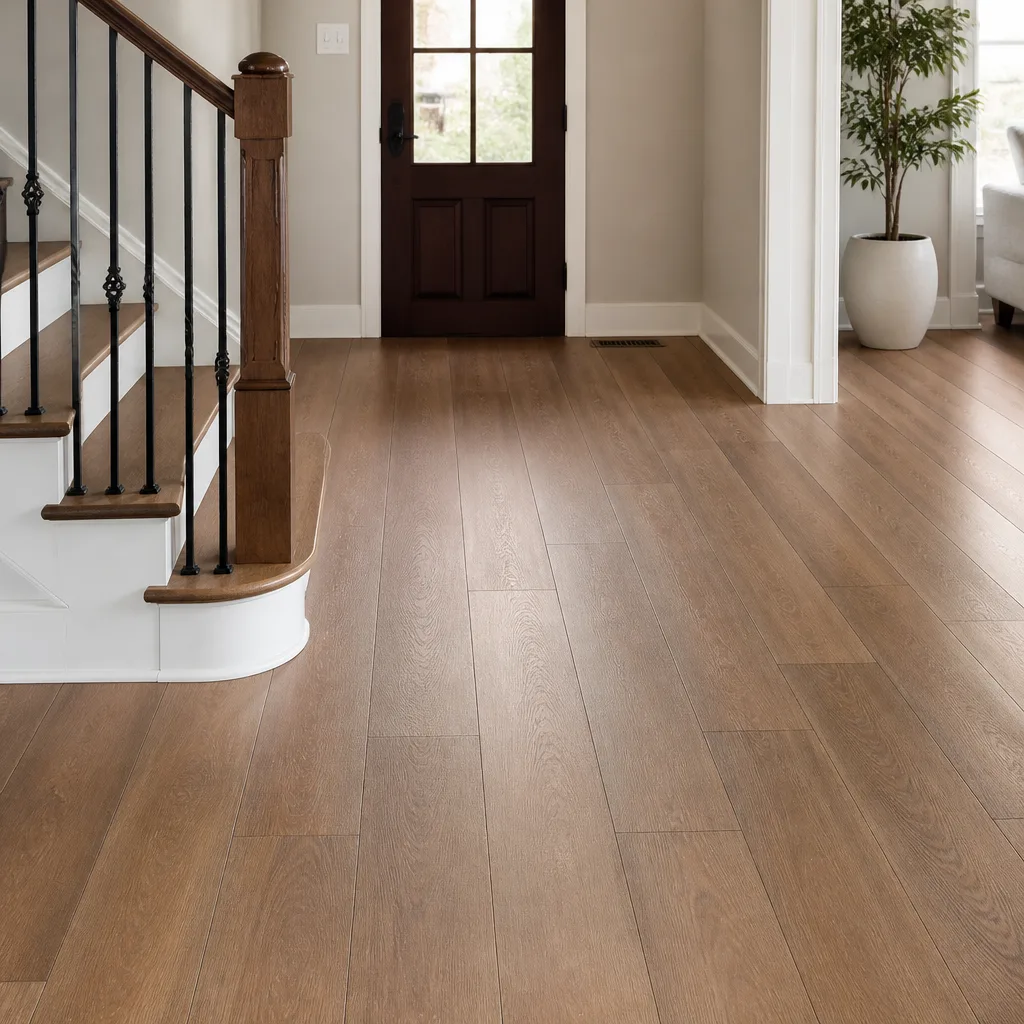 Shaw
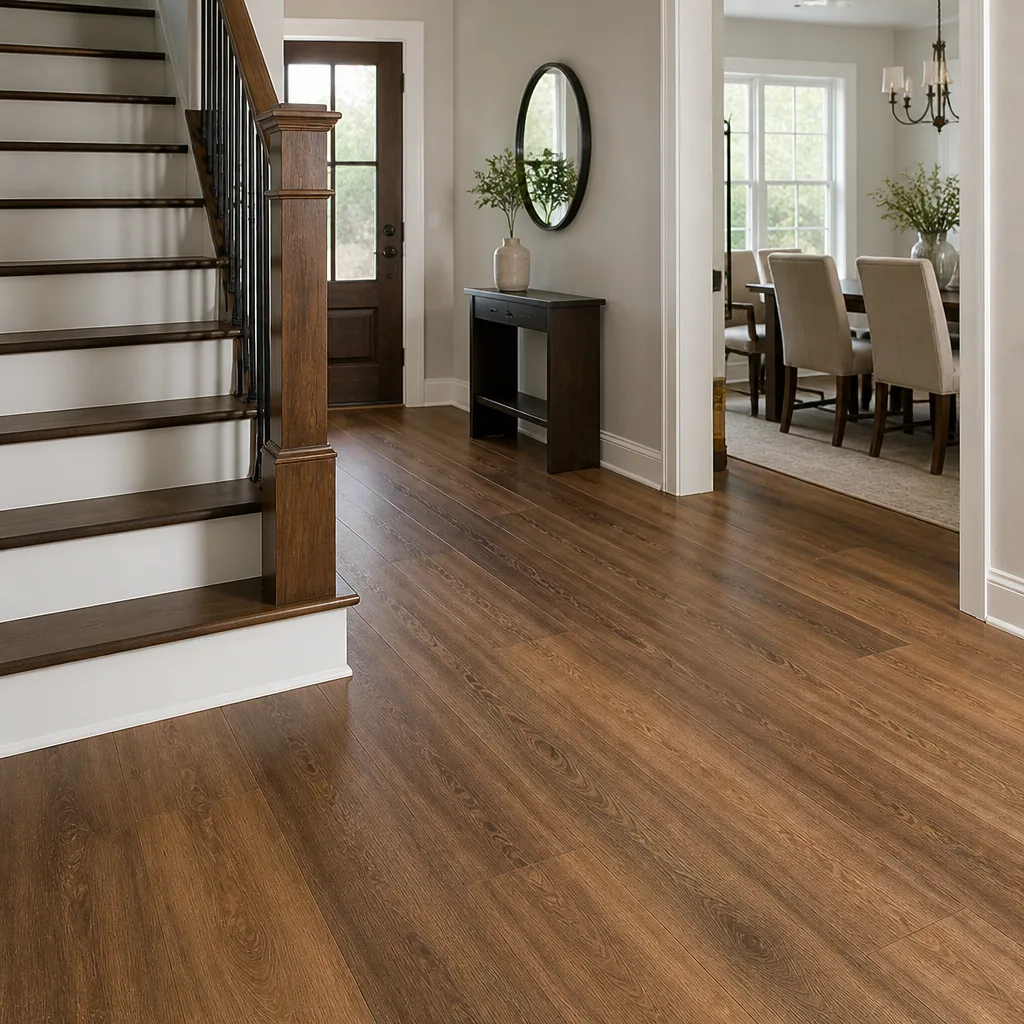 Mohawk
 COREtec
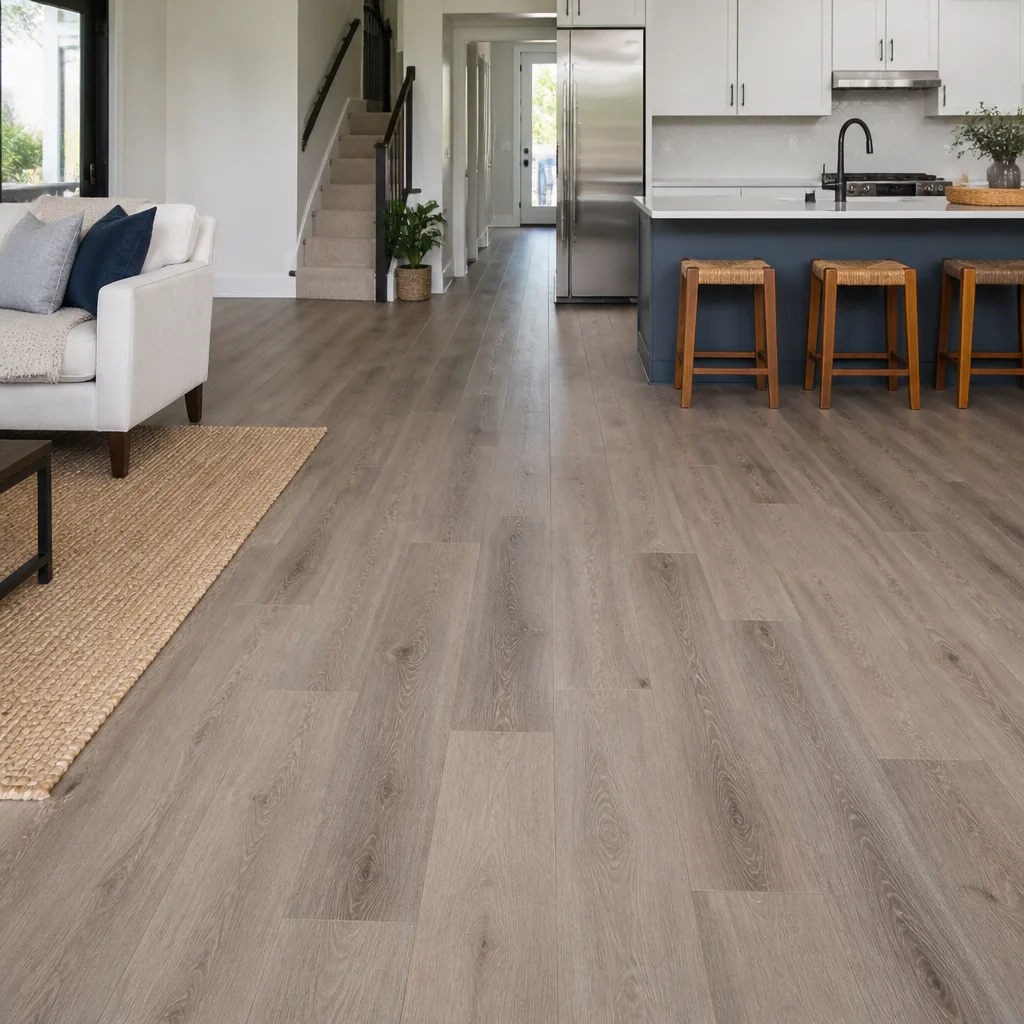 Pergo
Free in-home measure and written estimate: Shaw, Mohawk, COREtec and Pergo lines compared on your own rooms, with carpet, tile, vinyl plank, laminate and hardwood laid out side by side
Get your free estimateHow to Hire a Flooring Contractor in Whitney: A Step-by-Step Guide
Here’s the part nobody tells you: the general contractor who “also does flooring” and the dedicated flooring specialist can carry the same Nevada contractor license, and the paperwork won’t tell you which one has spent years laying hardwood plank by plank. Licensing proves someone is allowed to work. It doesn’t prove they understand acclimation, subfloor prep, or why a tile layout that looks fine on paper can go wrong on a slab. The worst flooring outcomes we see in Whitney rarely come from cheap materials. They come from hiring someone who treats flooring as a side job. This guide shows you how to screen for real flooring expertise, structure bids you can actually compare, and spot the red flags before you sign anything.
Quick Answer
To hire a flooring contractor in Whitney, verify their Nevada contractor license, ask which flooring brands they work with and why, and require a written, line-item estimate that states the subfloor prep, materials, and removal scope separately. Compare bids on identical scope, not just the bottom number. A dedicated flooring specialist who handles carpet, tile, and hardwood under one standard will out-perform a generalist on the details that decide whether a floor lasts.
Styles & brands we work with
- Hardwood
- Engineered hardwood
- Luxury vinyl plank
- Laminate
- Porcelain tile
- Carpet
- Shaw
- Mohawk
- COREtec
- Pergo
Table of Contents
- What Questions Separate a Flooring Specialist From a Generalist?
- What Does Nevada Contractor Licensing Cover for Flooring Work?
- Why Does Brand Roster Depth Signal Installer Quality?
- Why Do Acclimation and Subfloor Assessment Matter in Whitney Homes?
- How Do You Compare Flooring Bids on Equal Scope?
- What Red Flags Should You Watch for in a Quote?
- How Do You Match Carpet, Tile, and Hardwood to How You Live?
- What Should a Real Flooring Estimate Visit Include?
What Questions Separate a Flooring Specialist From a Generalist?
The fastest way to tell the two apart is to ask questions a generalist can’t answer fluently. A flooring specialist will talk about product behavior, moisture, transitions, and layout without reaching for a brochure. A generalist tends to pivot to price and scheduling. Ask these before you discuss cost:
- “Which flooring brands do you install, and why those?” Someone who works with Whitney Flooring grade lines every day can explain the difference between a rigid-core luxury vinyl and a standard plank, or why a tile body matters. If the answer is “whatever the supplier has this week,” that’s telling.
- “What’s your acclimation protocol?” Wood, and to a lesser extent other materials, needs to sit in the home at consistent conditions before installation. Ask how they check and for how long. A vague “we let it sit a bit” is a warning.
- “How do you assess the subfloor?” Flatness, moisture, deflection, and existing adhesive residue all affect the finished floor. A specialist measures and notes their findings. A generalist eyeballs it.
- “Who actually installs, and what’s their flooring background?” You want to know the installers have floor-specific skill, not that a framing crew is filling a slow week.
- “How do you handle transitions between rooms and materials?” A mixed-floor home needs a plan for every threshold. This is where corners get cut.
At Whitney Flooring, our technicians have up to 12 years of experience, and that experience is floor-specific. We install carpet installation, tile, and hardwood refinishing, and nothing else. That focus is the point. A crew that lays carpet Monday, hangs drywall Tuesday, and sets tile Wednesday isn’t a flooring specialist regardless of what the license says.
What Does Nevada Contractor Licensing Cover for Flooring Work?
Nevada licenses contractors by classification, and flooring work typically falls under a residential or specialty classification rather than requiring a unique “flooring” license. That means a licensed general contractor and a licensed flooring specialist can sit in the same category on paper. The license confirms the basics: the business is registered, carries the required insurance, and is accountable to the state board. It does not confirm the installer has ever installed the product in your home.
So use the license as a floor, not a ceiling. Here’s what to check:
- Active license status on the Nevada State Contractors Board lookup, matched to the exact business name on your quote.
- Insurance. Ask for a certificate of general liability and workers’ compensation coverage. A legitimate contractor provides it without a fuss.
- Written contract. Nevada requires a written contract for most residential work over a modest threshold. Insist on one regardless. The scope, materials, and payment schedule belong on paper.
- Permits. Most straightforward flooring replacement doesn’t require a permit, but structural subfloor repair or certain alterations can. Ask your city’s building department if the scope touches anything beyond the surface.
In our experience, the licensing check filters out the truly unqualified. The flooring-specific questions filter out the generalists. You need both screens, and most homeowners only run the first one.
Why Does Brand Roster Depth Signal Installer Quality?
If a contractor can install Shaw, Mohawk, Karndean, or Daltile, that relationship is earned and maintained. Premium manufacturers protect their names. They don’t hand access to just anyone, because a botched install reflects on the brand. A deep, stable roster of respected names is a quiet signal that the installer meets a standard.
Think about what that means for you. The brands a contractor carries tell you which price points and material types they can genuinely serve. A shop that only offers one house label pushes you toward that label no matter what your home needs. A specialist with access to nine industry names can match the product to the room, the budget, and the way you actually live.
When you interview a contractor, ask:
- Which brands do you install most often, and where do they fit?
- Can you recommend a product for a high-traffic room, a bathroom, and a living area, and explain why?
- Do you source directly from those manufacturers or through a distributor?
Whitney Flooring installs products from Shaw, Mohawk, Whitney‘s trusted Daltile, Karndean, COREtec, Pergo, LifeProof, Mannington, and Armstrong. We don’t sell floors as a sideline. We install the floor you choose, and we’ll explain the trade-offs honestly rather than steering you to the easiest sale.
Why Do Acclimation and Subfloor Assessment Matter in Whitney Homes?
Whitney sits in a high-desert valley where humidity swings hard between seasons and indoor conditions shift with the AC and heating cycle. That environment is unforgiving to floors installed without preparation. Wood and wood-based products expand and contract with moisture. Tile and its setting materials behave differently over a slab than over a wood-framed floor. None of this is guesswork to a specialist, and all of it is guesswork to a generalist.
Acclimation means letting the material reach equilibrium with your home before it’s installed. A specialist will check moisture content in the subfloor, verify the flatness of the surface, and confirm the material has settled at the right conditions. Skip those steps and you get gapping, cupping, or adhesive failure down the road. The floor looks fine on install day. The problem shows up months later.
Subfloor assessment is the other half. Here’s what a proper check involves:
- Moisture testing. Especially over a slab, which can hold and release moisture differently than a wood subfloor.
- Flatness. Tile and some planks need a flat surface within a defined tolerance. High and low spots get corrected before installation, not hidden under material.
- Deflection. How much the floor system moves under load. A bouncy floor telegraphs through rigid materials.
- Existing adhesive or residue. Old glue and patch compounds can interfere with new installation and need to be addressed.
Ask any contractor how they handle each of these. If they can’t explain their process, you’ve learned something important before you’ve spent a dollar.
How Do You Compare Flooring Bids on Equal Scope?
Bids are only comparable if they cover the same work. A quote that lists “install flooring” as a single line isn’t a bid; it’s a number. Before you compare, make every contractor itemize the same categories, then line the bids up side by side.
Build your comparison sheet with these rows:
- Materials – product name, brand, quantity, and where it’s supplied from.
- Removal and disposal – stated as a separate line, not buried or omitted.
- Subfloor preparation – what’s included and how it’s priced.
- Acclimation and moisture testing – confirmed in writing.
- Trim, baseboards, and transitions – included or extra?
- Furniture moving and floor protection – who does what.
- Machine and finishing costs for refinishing work.
- Payment schedule – deposits, milestones, and final payment.
Once lined up, the bottom number becomes meaningful. A low bid that leaves out subfloor prep and disposal isn’t cheaper; it’s incomplete. A higher bid that includes everything may be the honest deal. The estimate sets the final price, so get it in writing and read what’s not there as carefully as what is. Whitney Flooring provides free estimates and written quotes so you always know what you’re comparing.
What Red Flags Should You Watch for in a Quote?
A weak quote tells you a lot before the job starts. Watch for these, every time:
- Missing line items. An estimate that lumps materials, labor, removal, and prep into one vague figure is hiding the scope. Demand the detail.
- Vague scope language. “As needed” or “minor prep” gives the contractor room to charge extra later. Ask what “minor” means in square feet and dollars.
- Pressure tactics. A quote that expires “by the end of the day” or a heavy deposit demanded on the spot is designed to stop you from comparing. Walk away and get another bid.
- Large upfront payment. Deposits are normal, but fronting most of the job before materials arrive leaves you exposed.
- No brand names. If the quote can’t tell you exactly which product goes in your home, it’s a problem. You should be able to look up the brand before you sign.
- Avoiding your questions. A specialist welcomes the acclimation and subfloor questions because they’re proud of their process. A generalist deflects them.
The estimate visit itself is a test. A thorough contractor measures the rooms, notes the condition of the existing floor, and asks how you use the space. A rushed walkthrough with a number in the driveway is a warning sign.
How Do You Match Carpet, Tile, and Hardwood to How You Live?
The right floor comes from how you actually use the room, not from what’s trending. Start with the honest questions: Who walks on it? What gets spilled? Does the space open to the outdoors? Is this a five-year choice or a long-term one? Here’s how the three main categories differ.
Carpet fits bedrooms, living rooms, and spaces where comfort and sound matter. It’s warmer underfoot and quieter than hard surfaces. For busy households, a well-chosen carpet carries the traffic better than a cheap one. Whitney’s carpet installation focuses on a clean, properly stretched install, which is the part that determines how the carpet performs.
Tile belongs in bathrooms, entryways, kitchens, and any room that sees water and heavy foot traffic. Daltile gives Whitney access to commercial-grade tile used in residential projects, which is a step above what most residential-only shops carry. Proper tile work is about the substrate and layout as much as the tile itself, so lean on tile flooring installation done by installers who understand the setting process.
Hardwood is a long-term choice for open living spaces, with the advantage that existing floors can often be refinished rather than replaced. That’s where we approach a job differently: refinish before you replace. Original wood adds character you can’t replicate with new plank, and refinishing preserves it. Whether a given floor can be refinished depends on the thickness of the wood and its condition, which we check at the estimate visit. We install and refinish the floor you choose, and we’ll tell you honestly what’s realistic.
What Should a Real Flooring Estimate Visit Include?
The estimate visit is where the job is really won or lost. A specialist uses it to gather the information that sets the price and prevents surprises. Here’s what a proper visit should cover, and what you should expect to see.
- Room measurements. Every room measured, with the total square footage written down.
- Existing floor assessment. What’s there, its condition, and what removal involves.
- Subfloor inspection. Access to the subfloor or a plan to check it, with notes on flatness and moisture.
- Discussion of material options. Real trade-offs between carpet and hard surfaces, with brand options tied to your rooms.
- Refinishing potential. For hardwood, a check on thickness and condition to see if refinishing is a fit.
- Written scope and pricing. Line items, payment schedule, and what’s included and excluded.
- Scheduling conversation. A discussion of when the install can be booked, not a same-day promise.
A good estimate visit takes time because the details determine the outcome. Whitney Flooring sets the schedule at the estimate, and the install date is booked once the scope and materials are agreed. One specialist, every surface, means the same careful walkthrough applies whether you’re flooring one room or a whole home.
Common Mistakes to Avoid
- Hiring the lowest bid without comparing scope. A low number that omits subfloor prep and disposal isn’t a deal, it’s an incomplete price. Line up every bid against the same categories before deciding.
- Skipping the acclimation and moisture questions. In Whitney’s dry climate, wood moves with the seasons and slabs hold moisture differently than wood subfloors. If the contractor can’t explain their protocol, you’re the one taking on the risk.
- Trusting a generalist to do specialty work. The license class doesn’t separate a flooring specialist from a remodeler who also lays tile. Ask about brand knowledge and installation process, and listen for depth.
- Ignoring the subfloor. Cutting corners on flatness and moisture testing is the most expensive thing a contractor can do to you. Make it a line item in the bid.
- Replacing hardwood that could be refinished. If the wood is thick enough and in sound condition, refinishing preserves original character and often costs less than new installation. Have it checked before you assume replacement.
- Signing under pressure. A quote that expires by the end of the day is about closing, not serving you. A real estimate stands on its own merits.
- Overlooking transitions and trim. Mixed-floor homes need a plan for every threshold and baseboard. A bid that leaves them out is incomplete, and you’ll pay for it later.
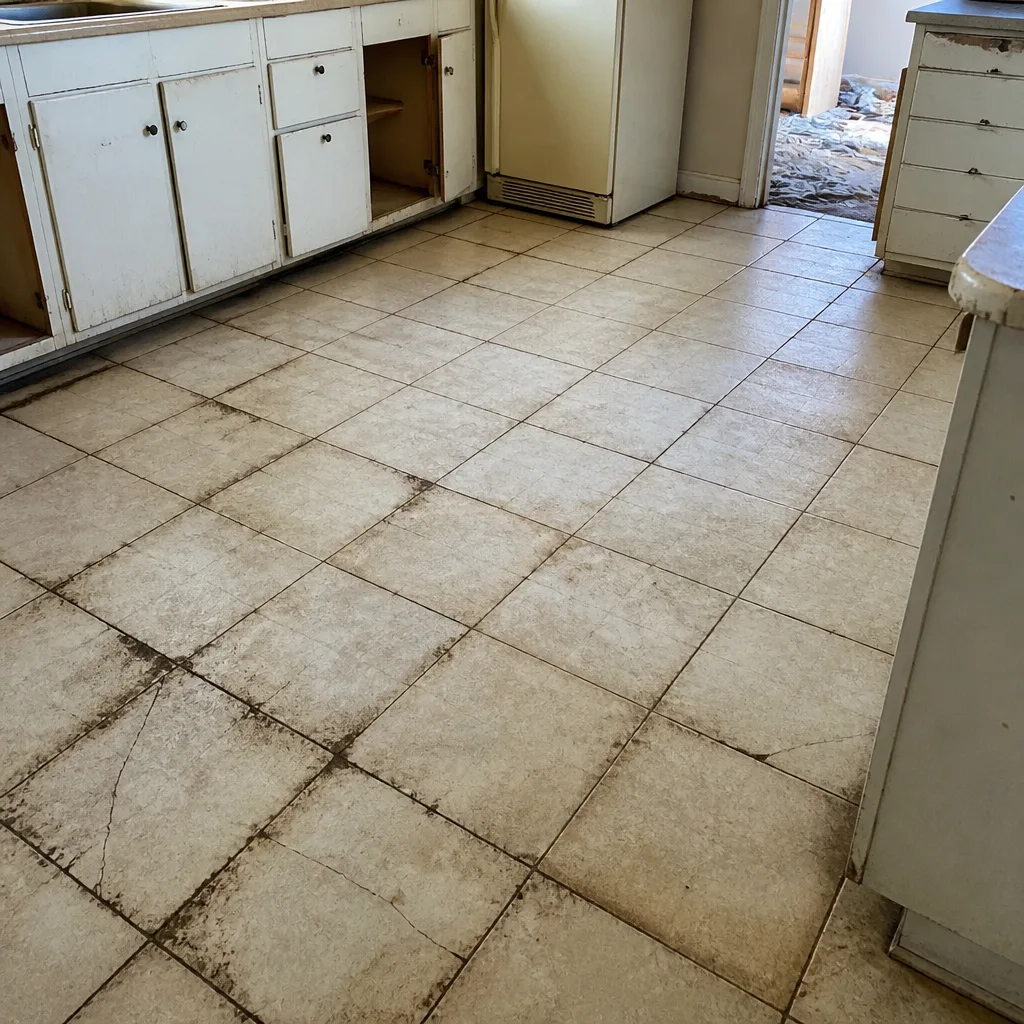
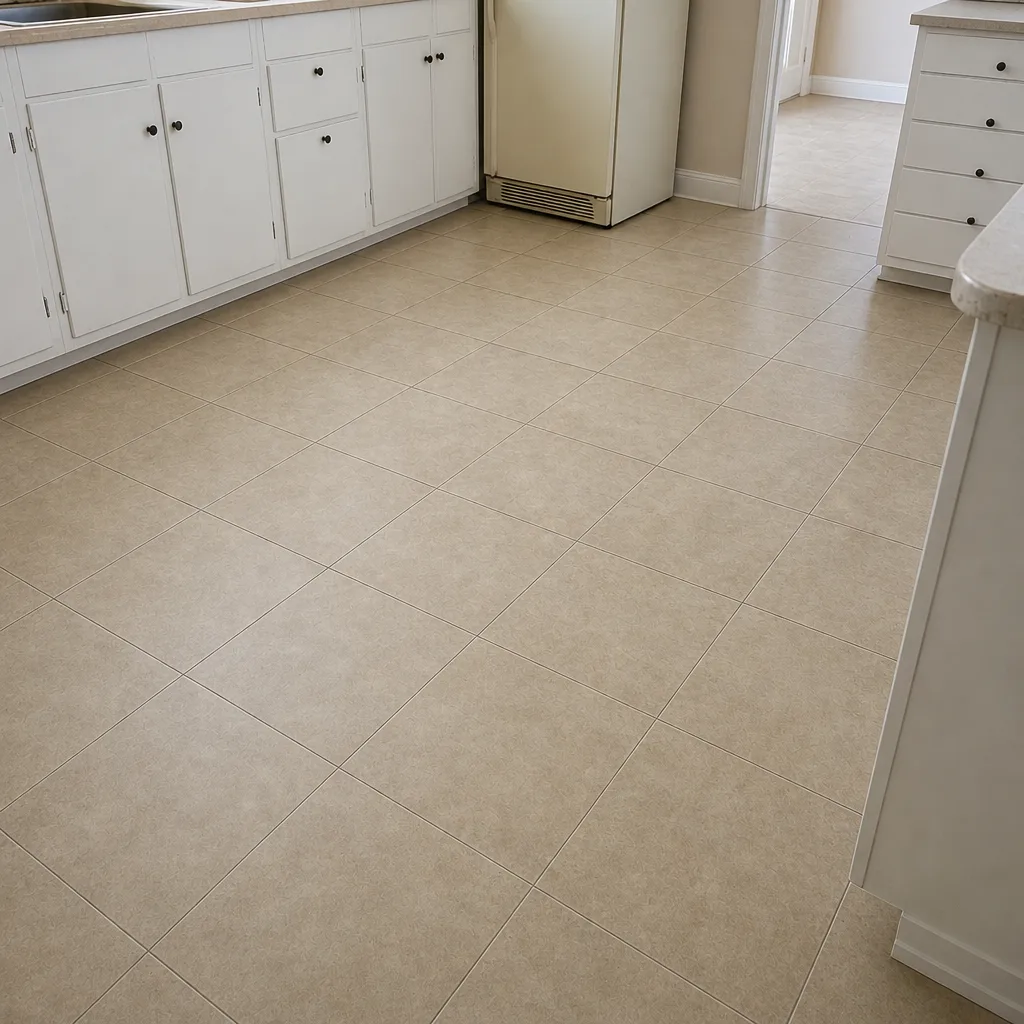
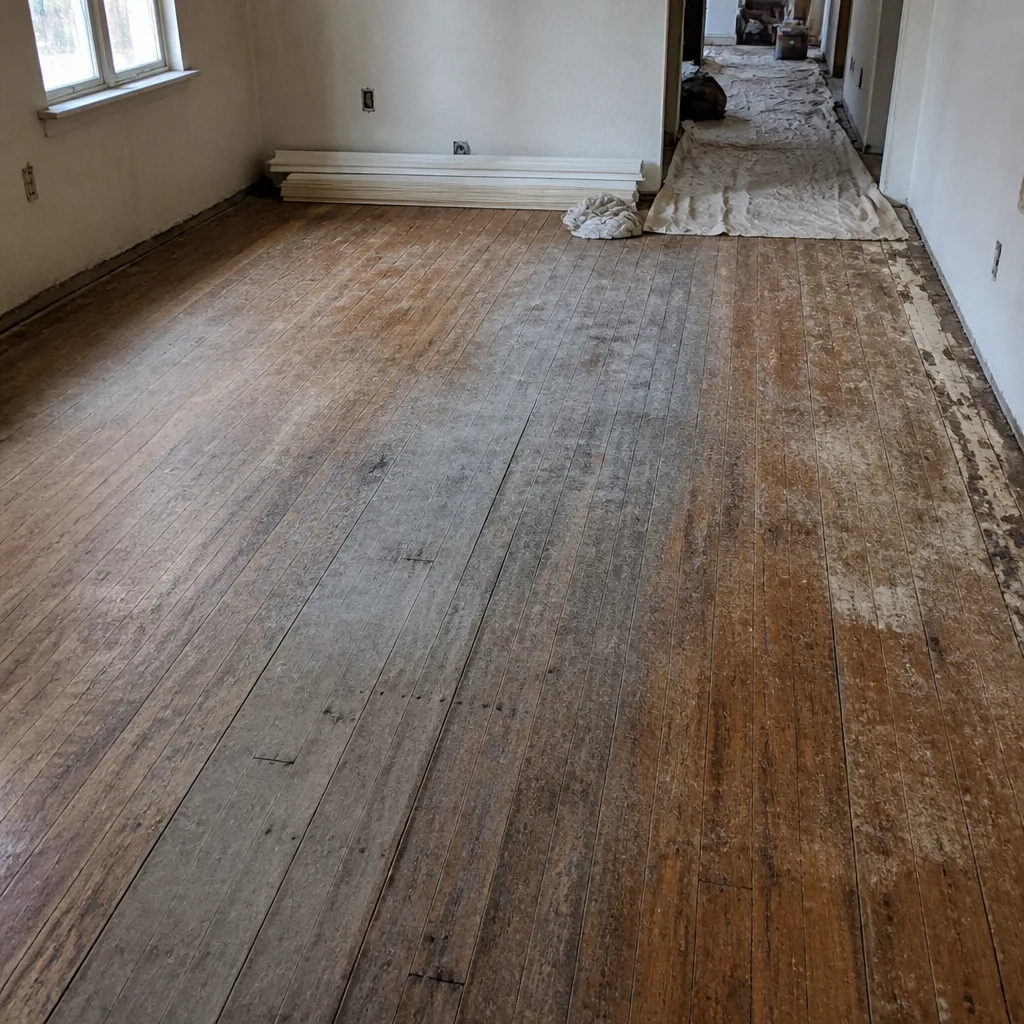
See the difference
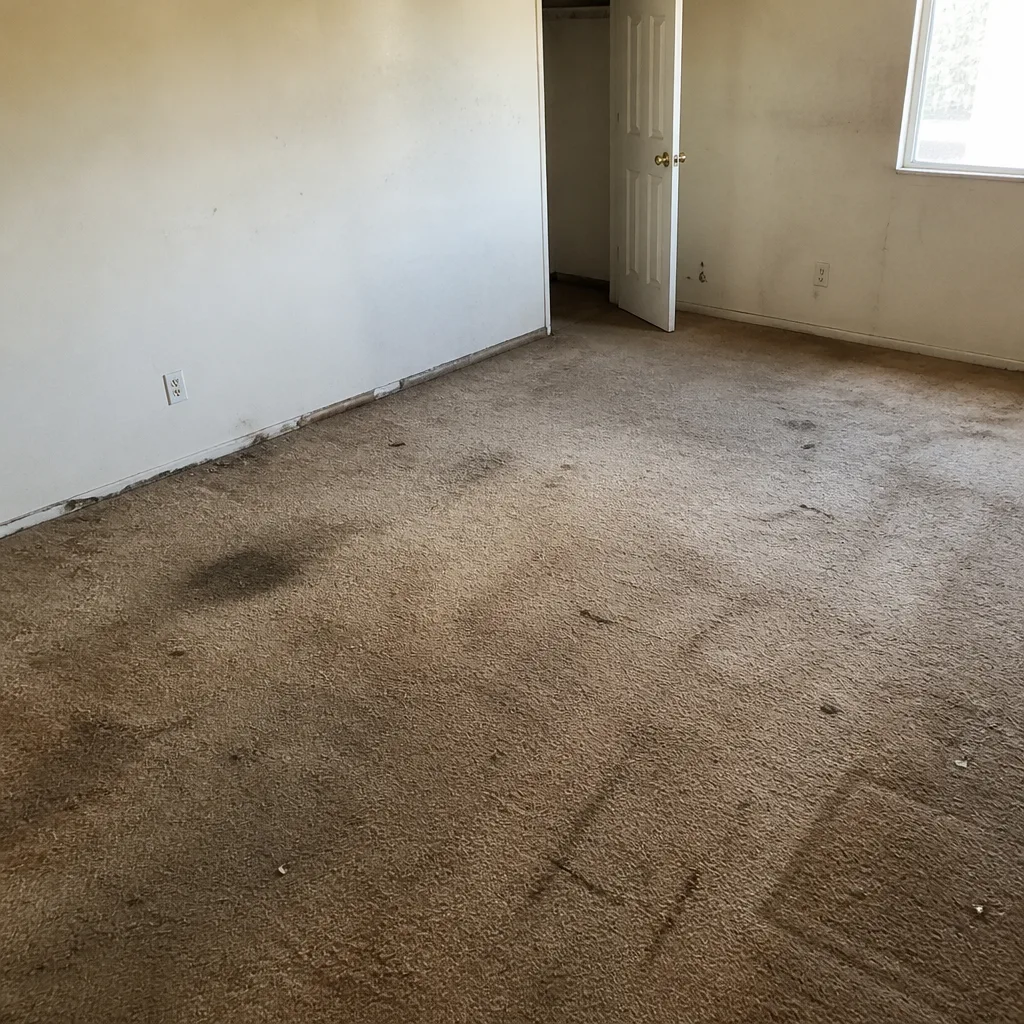 Before
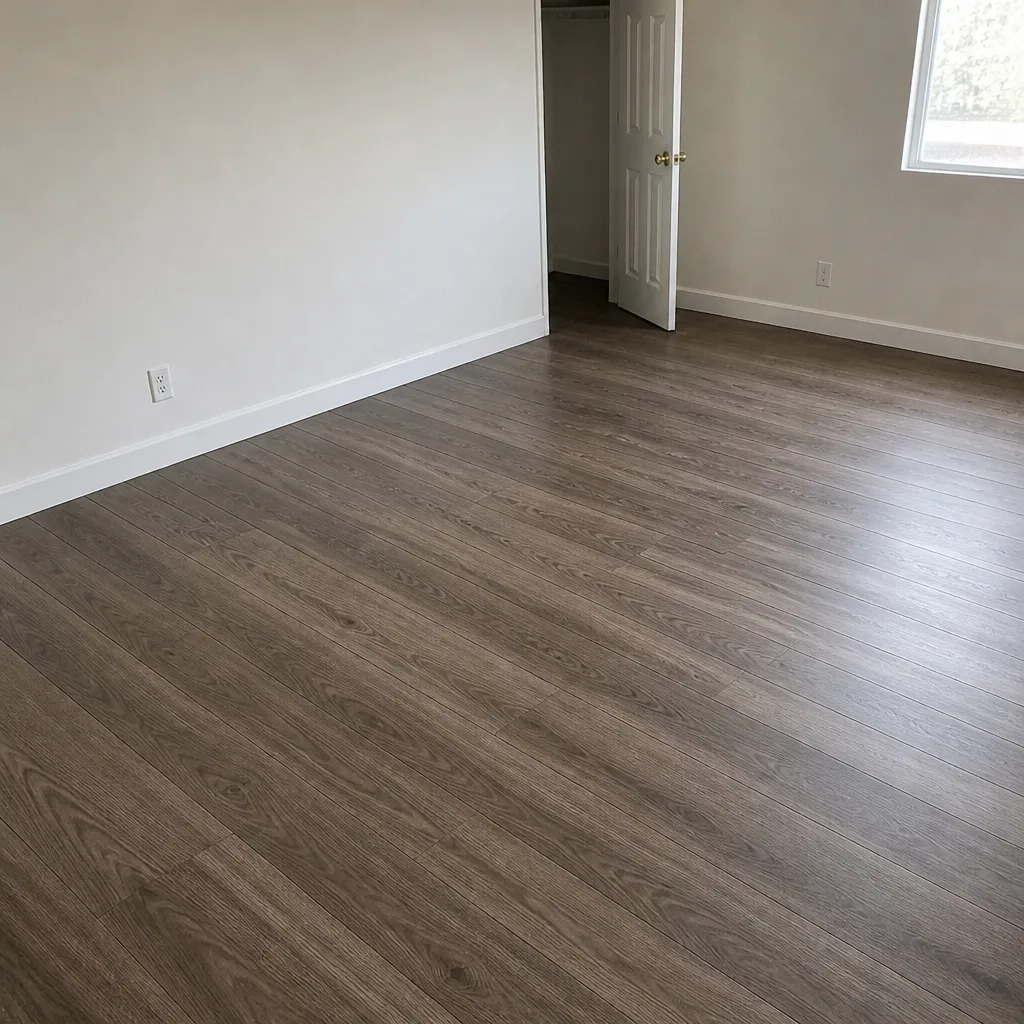 After
 Before
 After
 Before
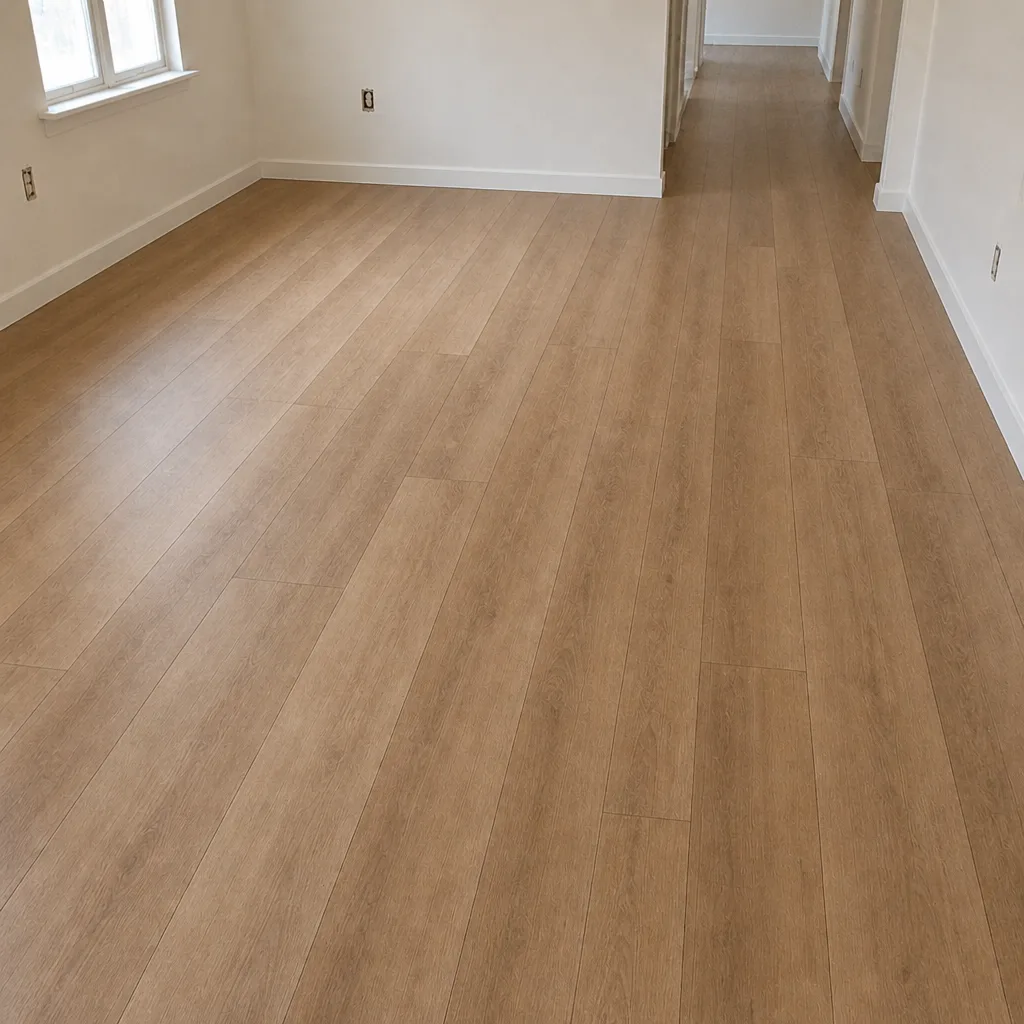 After
When to Call a Professional
Some jobs are not worth the weekend effort. Call a professional when a subfloor needs moisture testing or flatness correction, when the material is hardwood that might need refinishing, and when a room has irregular geometry or multiple transitions that a careful layout has to solve. Call when you’re deciding between carpet and hard surfaces and want an honest read on how each performs in your home. And call when the stakes are high enough that a botched install means pulling up a whole floor and starting over. Whitney Flooring offers free estimates in Whitney. Call (833) 620-5226. We answer 24/7. Fast dispatch from 7am to 7pm, Sunday through Friday.
Frequently Asked Questions
Flooring installation in Whitney is priced per job by a written estimate, not by a single advertised rate, because the total depends on the material you choose, the square footage, the condition of the subfloor, and what removal involves. A free estimate visit gives you a line-item picture so you can compare honestly. Call (833) 620-5226 for an exact quote.
Yes. Whitney Flooring provides free estimates and written quotes. The visit includes room measurements, a subfloor check, and a discussion of material options, and there’s no charge for it. Call (833) 620-5226 to schedule yours.
The install length depends on the square footage, the material, and the amount of prep the subfloor needs, so the schedule is set at the estimate visit and the date is booked once the scope is agreed. We don’t promise a fixed turnaround before we’ve seen the space. Call (833) 620-5226 to get the conversation started.
Often, yes, but it depends on the thickness of the wood and its condition, which we check at the estimate visit. Refinishing preserves original character and avoids the cost of new materials, which is why we treat it as the first option for hardwood. Call (833) 620-5226 to have your floor assessed.
Whitney Flooring installs products from nine brands: Shaw, Mohawk, COREtec, Pergo, LifeProof, Mannington, Armstrong, Daltile, and Karndean. We install the floor you choose and explain the trade-offs between them so you can research the brand before you commit. Call (833) 620-5226 with questions about a specific product.
Both. Whitney Flooring is a single-source specialist for carpet, tile, and hardwood, which means one company handles a mixed-floor home from start to finish under one installation standard. One specialist, every surface. Call (833) 620-5226 to talk through what your home needs.
Yes. The estimate is the starting point, not a commitment. We measure, check the space, and give you a written price so you can compare bids on equal scope. Call (833) 620-5226 to book a free estimate.
The Bottom Line
Hiring a flooring contractor in Whitney comes down to screening for specialty, not just paperwork. Verify the Nevada license, but don’t stop there. Ask the questions only a flooring specialist can answer: which brands, what acclimation protocol, how do you assess the subfloor. Require a line-item written estimate, compare bids on identical scope, and treat a pressure tactic as a reason to walk. Then match the material to your home with honest guidance on carpet, tile, and hardwood. A specialist who installs and refinishes every surface will save you from the most expensive fix of all: pulling up a floor and doing it twice.
Whitney Flooring installs and refines carpet, tile, and hardwood across Whitney, with nine national brands to choose from and one installation standard. The estimate is free, the quote is written, and the price is set per job. Call (833) 620-5226 to schedule your free estimate. We answer 24/7. Fast dispatch from 7am to 7pm, Sunday through Friday. You can also learn more about carpet installation and tile flooring installation before your visit.
Written by the team at Whitney Flooring.