
Last updated November 18, 2026
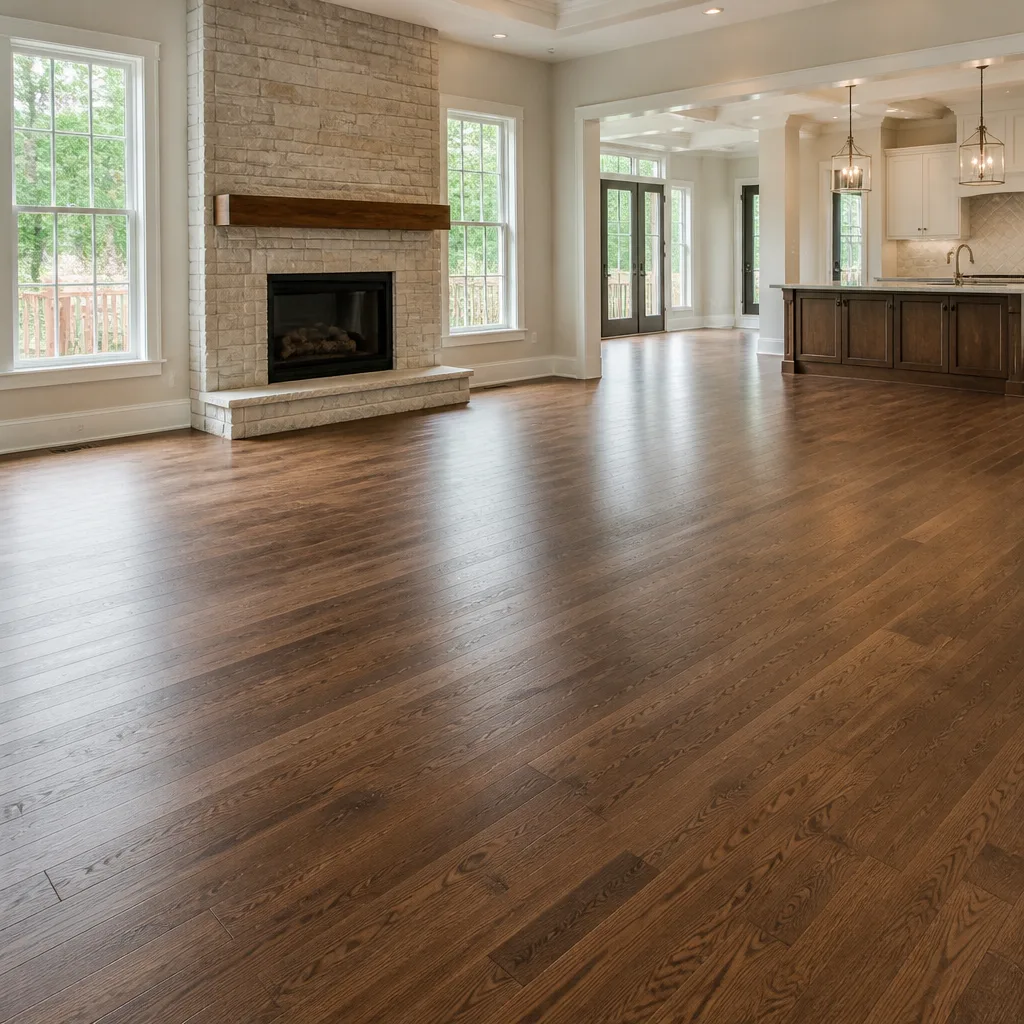 Hardwood
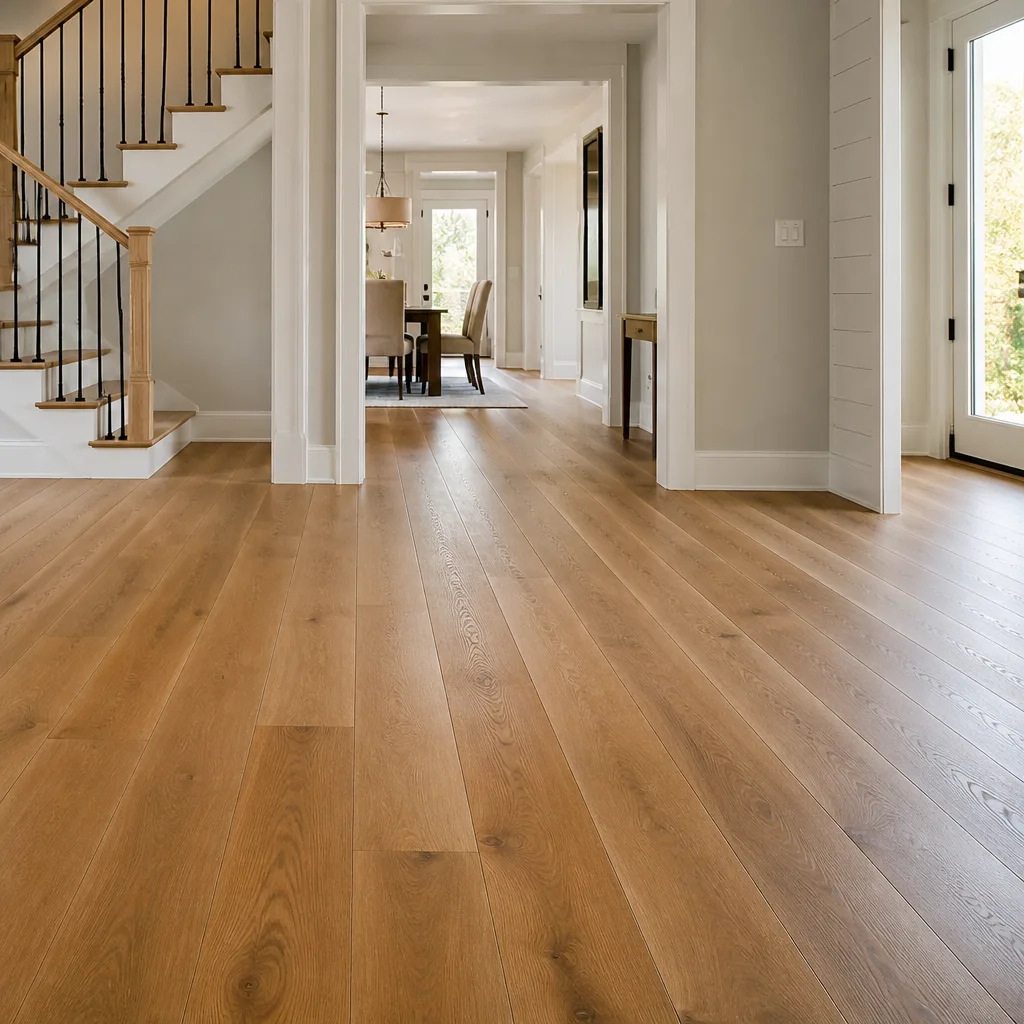 Engineered hardwood
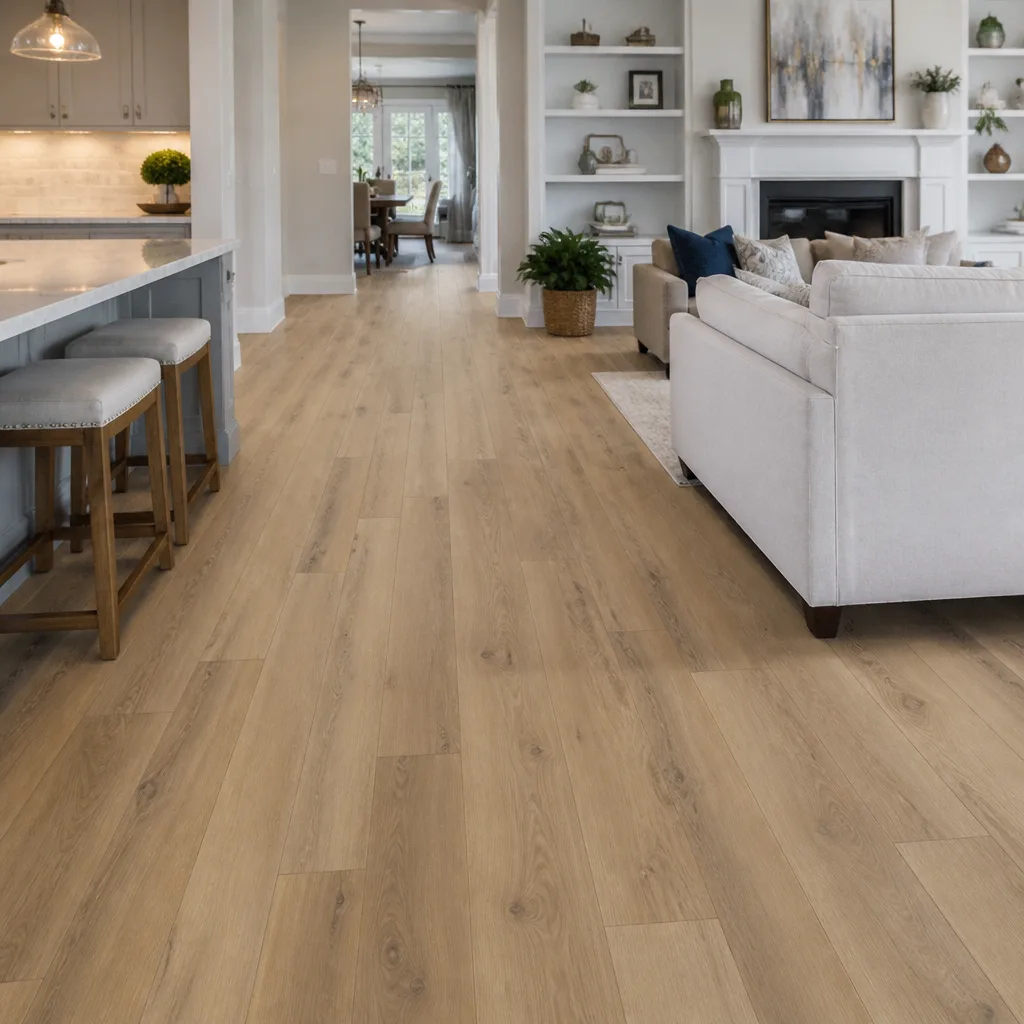 Luxury vinyl plank
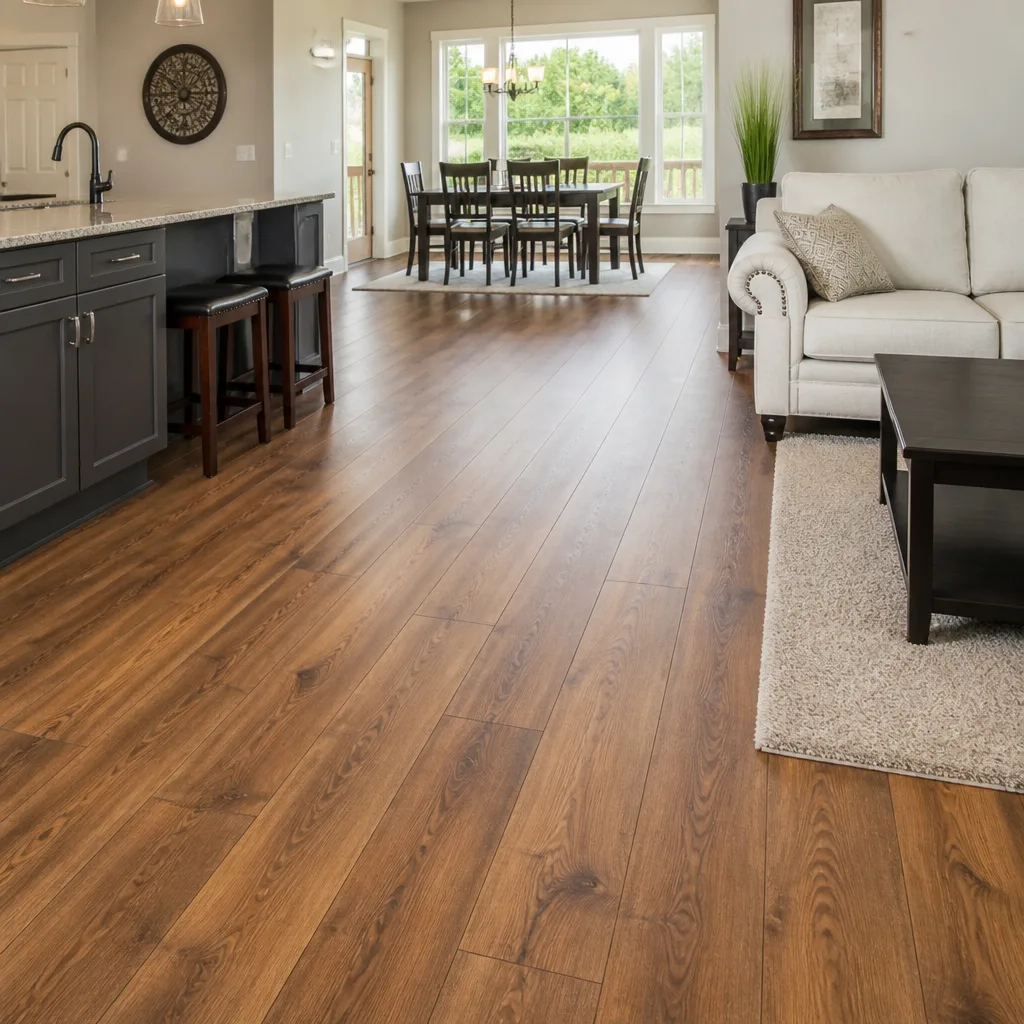 Laminate
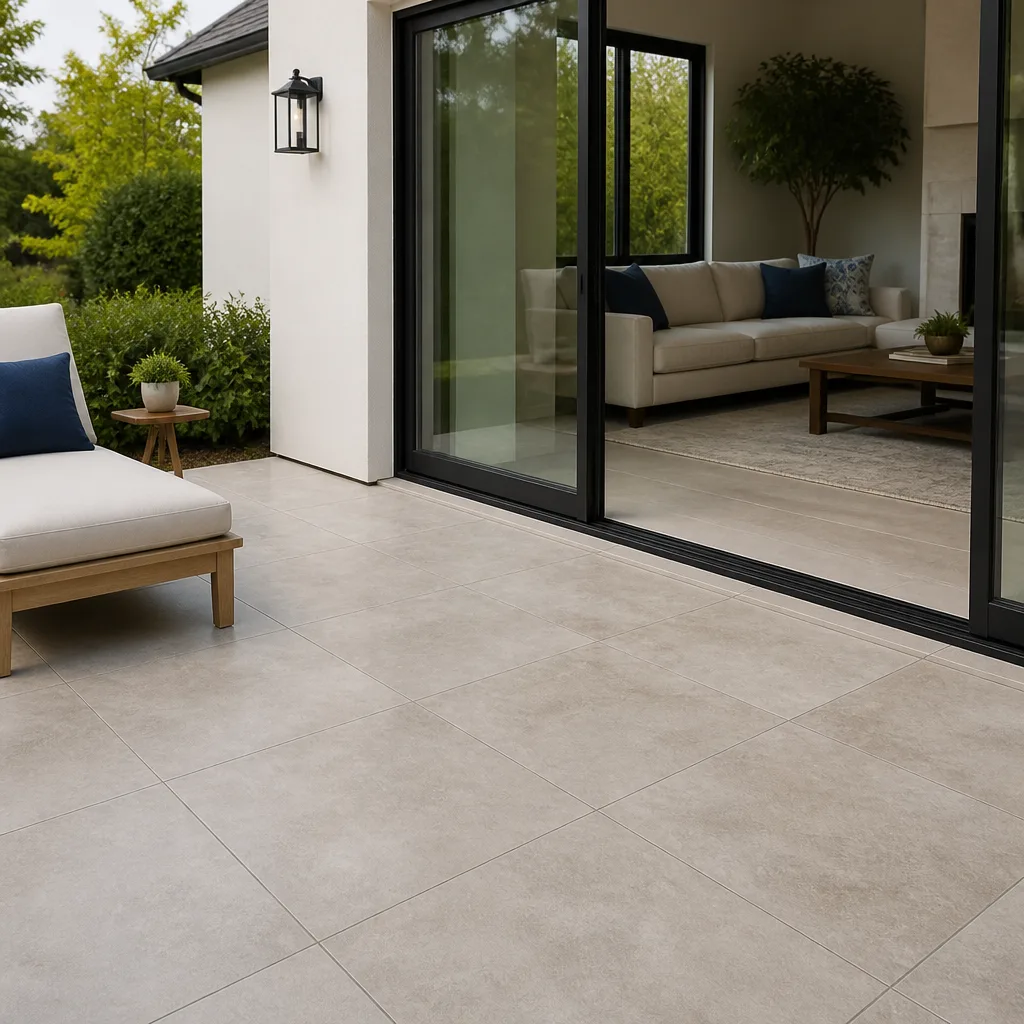 Porcelain tile
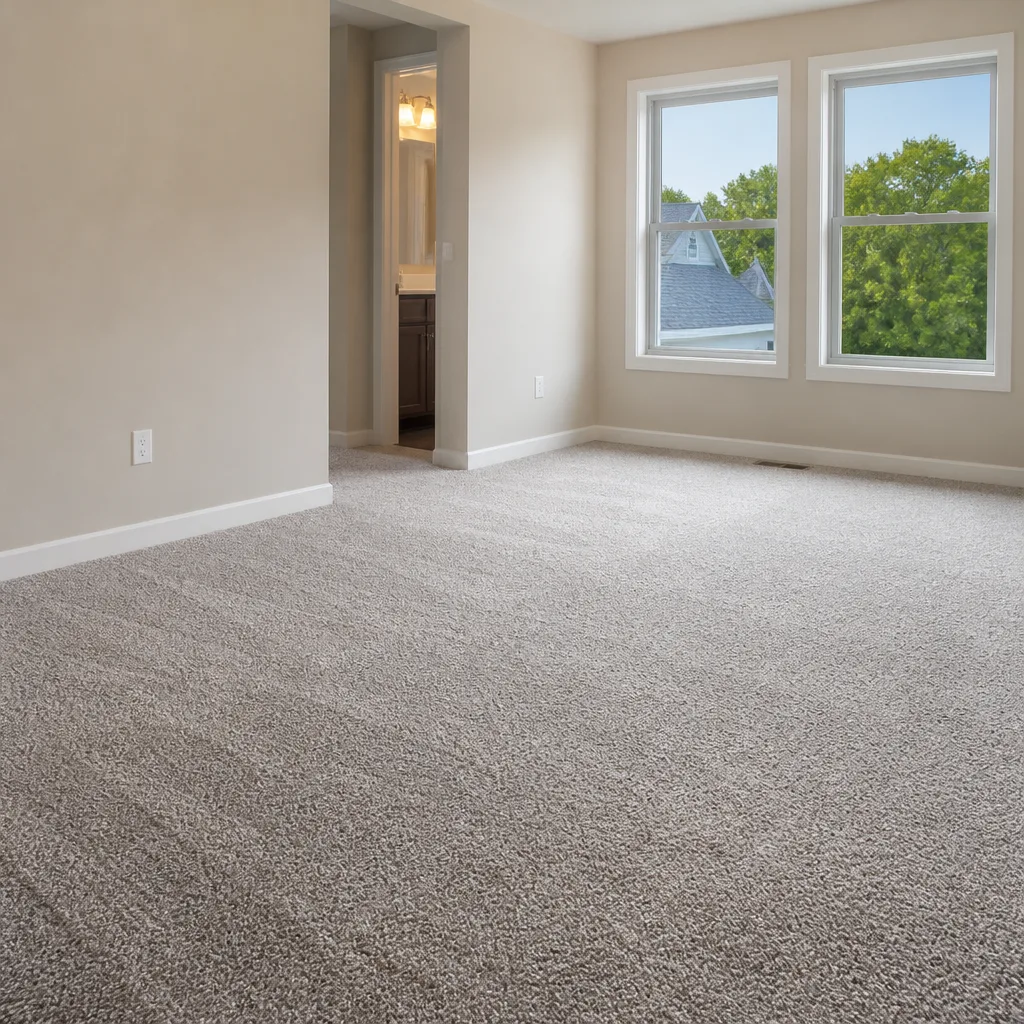 Carpet
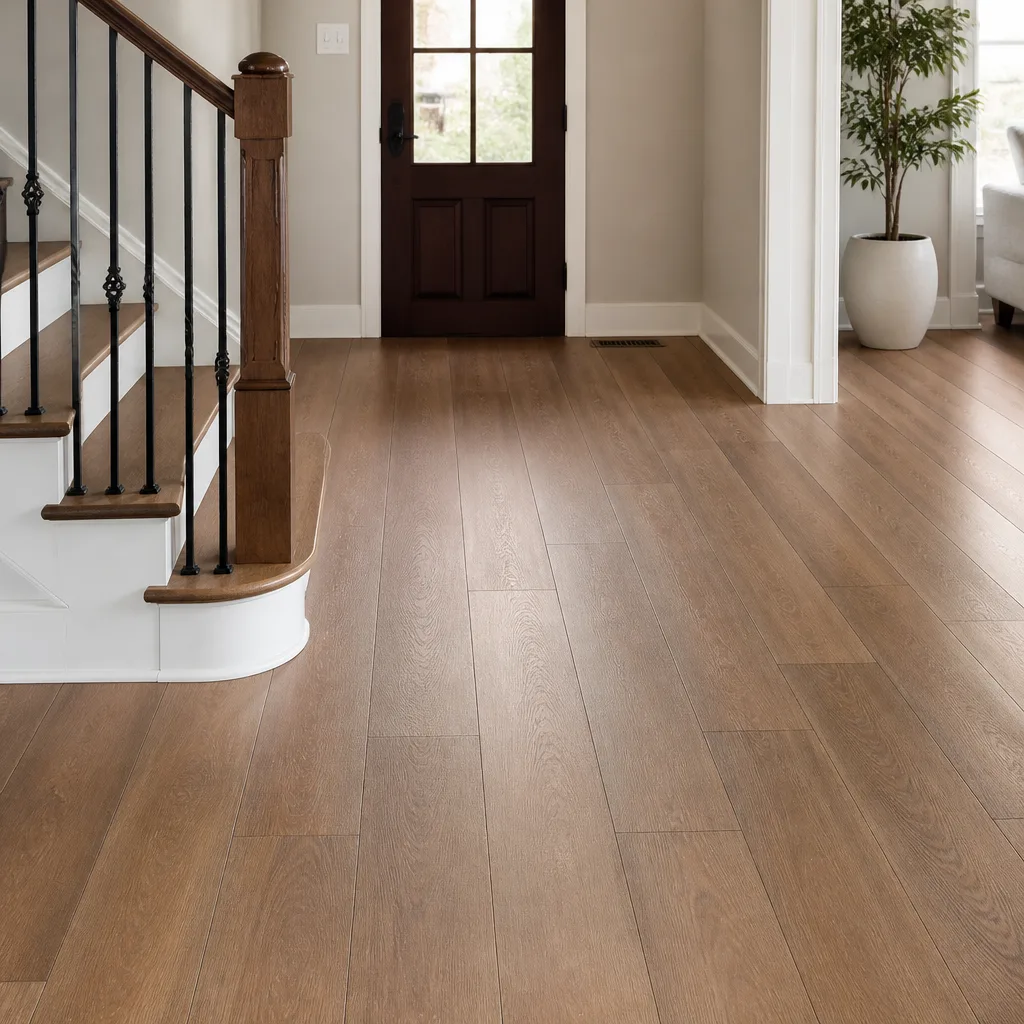 Shaw
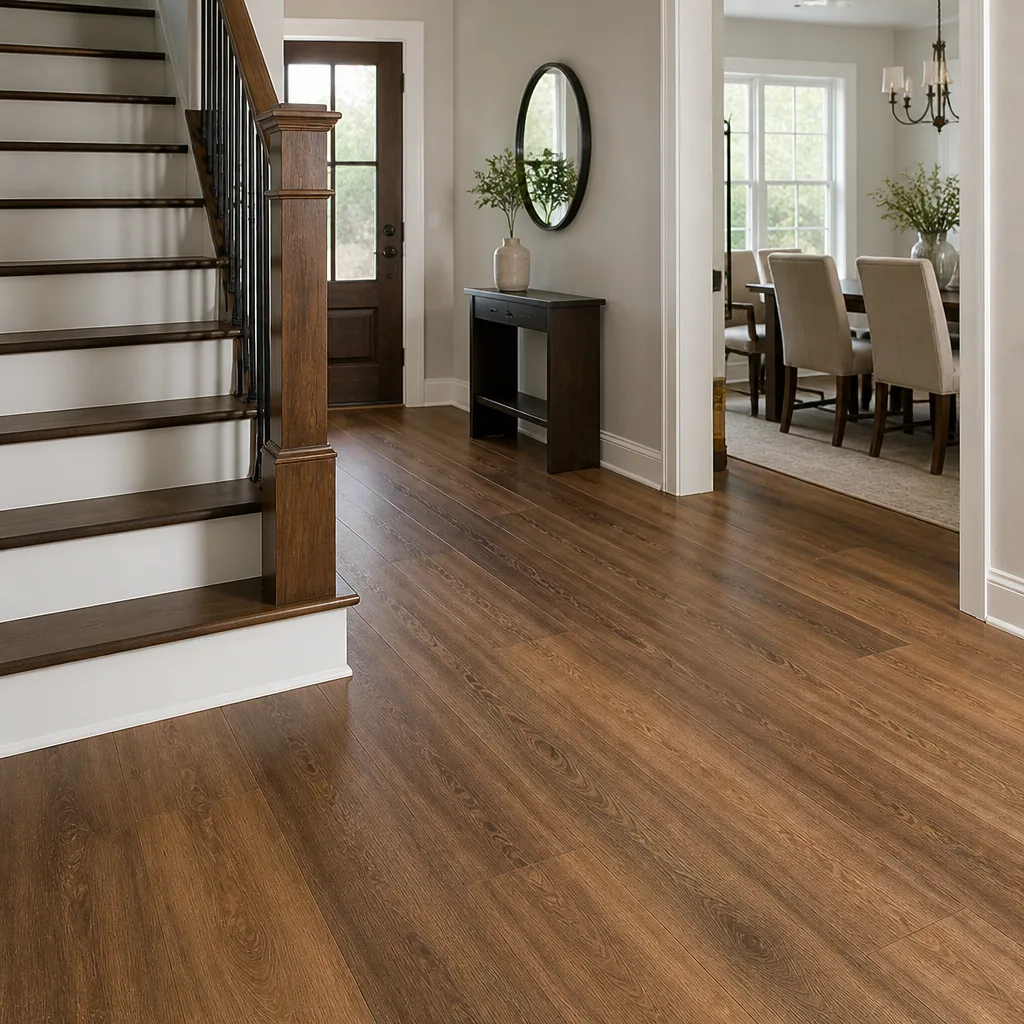 Mohawk
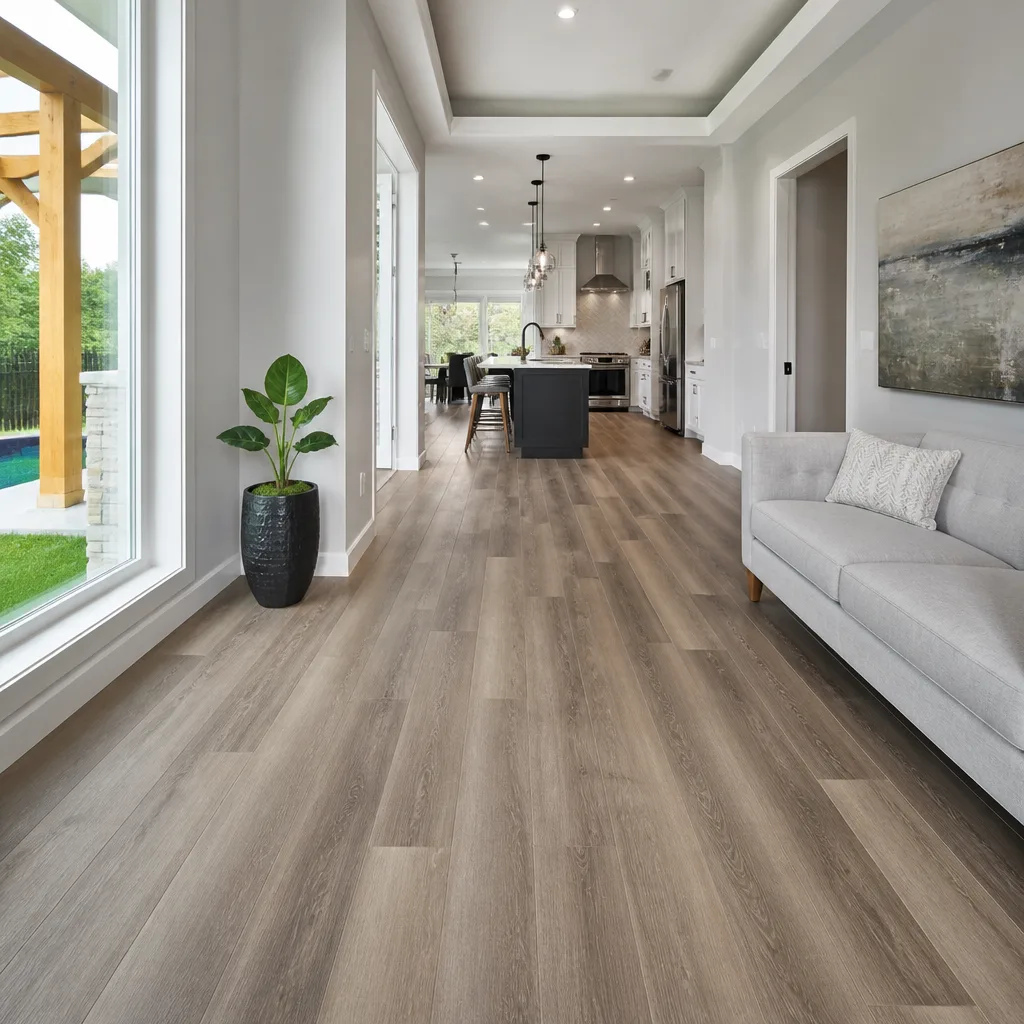 COREtec
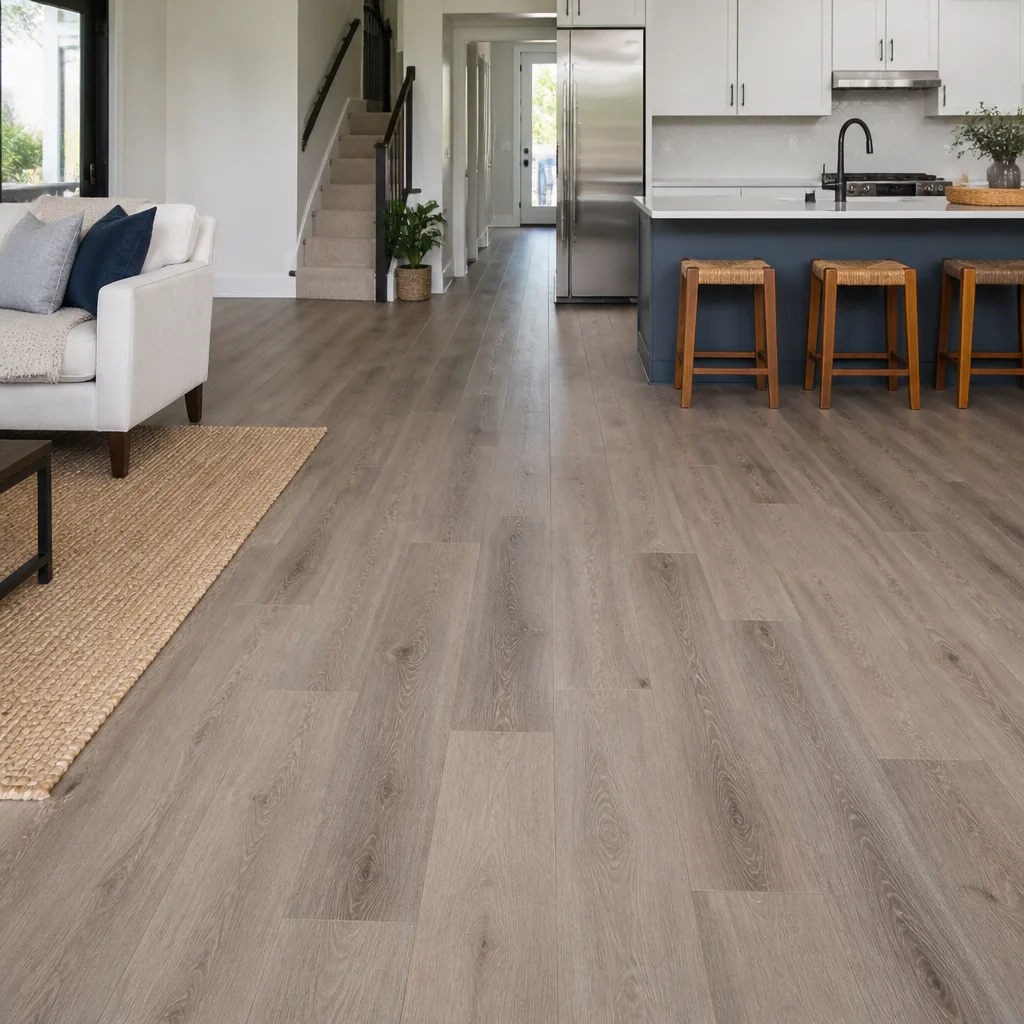 Pergo
Free in-home measure and written estimate: Shaw, Mohawk, COREtec and Pergo lines compared on your own rooms, with carpet, tile, vinyl plank, laminate and hardwood laid out side by side
Get your free estimateChoosing the Right Flooring for Every Room in Whitney Homes
Carpet in a Whitney entryway doesn’t just look worn. It becomes a dust reservoir that standard vacuuming can’t fully clear. High-desert homeowners tend to learn this the hard way, usually after a season of tracked-in dust has worked its way past the surface fibers. That single room teaches the larger lesson: in Whitney, flooring decisions succeed or fail based on how a material handles dry air, fine desert dust, and daily temperature swings, not on how it looks in a catalog photo. This guide walks room by room through what actually holds up here and why, so you can match each surface to how the space is really used. Whitney Flooring installs carpet, tile, and hardwood, and we’ll walk through that decision with you.
Quick Answer
The best flooring for each room in a Whitney home comes down to moisture exposure and traffic. Hard surfaces (tile, hardwood, luxury vinyl) win in entries, kitchens, baths, and hallways where dust and water dominate. Carpet still wins in bedrooms and living spaces where comfort matters more than cleanup. Below-grade spaces need moisture protection no matter how dry Whitney feels. Match the material to the room’s real conditions first, then pick the color and style.
Styles & brands we work with
- Hardwood
- Engineered hardwood
- Luxury vinyl plank
- Laminate
- Porcelain tile
- Carpet
- Shaw
- Mohawk
- COREtec
- Pergo
Table of Contents
- Why Whitney’s Climate Changes the Flooring Decision
- Entryways and Mudrooms: Where Dust Meets Its Match
- Kitchens: The Moisture-Resistance Hierarchy
- Bathrooms: Where the Hierarchy Matters Most
- Living and Dining Rooms: Traffic, Furniture, and Finish Durability
- Bedrooms: Where Carpet Still Wins
- Basements and Below-Grade Spaces
- Room-by-Room Selection: A Step-by-Step Process
Why Whitney’s Climate Changes the Flooring Decision
Whitney sits in the Las Vegas Valley, which means the air here is dry most of the year, summer temperatures push hard, and indoor-outdoor living is a real pattern rather than a slogan. Those three facts drive flooring performance in ways that a homeowner moving from a humid climate often doesn’t anticipate.
Dry air pulls moisture out of wood. Hardwood in a Whitney home will move slightly with the seasons, and that’s normal, but it’s why we check the home’s conditions at the estimate rather than assuming a product will behave the same here as it does in a milder climate. It’s also why refinishing an existing hardwood floor is often the better call than replacing it: you’re working with wood that has already settled into its environment. We covered the refinishing side of that decision in more detail on our Whitney Flooring homepage.
Desert dust is the second factor. The fine particulate that blows through the valley doesn’t stay on top of a surface. It works into pile, into grout lines, into the seams between planks. This is why entryway materials and grout profiles matter so much in Whitney, and why the room-by-room approach in this guide keeps returning to the same question: how does this material handle grit?
The third factor is temperature swing. Evenings cool off considerably, and in homes with lots of glass, floors near the windows take the brunt of the daily change. Rigid-core luxury vinyl handles that well. Solid hardwood does too, within reason. Thin, flexible sheet goods are more finicky.
Entryways and Mudrooms: Where Dust Meets Its Match
Entryways and mudrooms in Whitney should be hard surface, not carpet. This is the most consistent recommendation we give, and it has nothing to do with style preference. An entry takes the full load of what comes in on shoes, and in a desert climate that load is mostly fine grit.
Here’s what happens with carpet at the door. The dust doesn’t rest on the surface. It migrates down into the pile, past the point where a standard vacuum’s airflow reaches. Over time the fibers abrade from the inside, which is why carpet at an entry can look matted and gray long before the rest of the house shows wear. Hard surfaces, by contrast, let you get the grit up with a dust mop or a broom.
Which hard surfaces handle an entry best
- Porcelain or ceramic tile with a tight grout line. The less grout, the less surface area to trap dust. Grout is the weak point in any tile entry, and a narrow joint with a properly sealed finish is easier to maintain than a wide one.
- Rigid-core luxury vinyl. Brands like COREtec are built with a dense core that holds up to grit and cleans easily with a damp mop. The seams between planks are tight enough that dust doesn’t collect.
- Engineered or solid hardwood with a matte finish. A lower-sheen finish hides the fine scratches that grit creates. High-gloss finishes show every scuff and every dust film.
What to avoid in a Whitney entry
Thick pile carpet is the main offender, but there are others. Hand-scraped or heavily textured hardwood looks beautiful until you realize that every groove is a dust trap. Wide grout lines with a rough, unsealed finish are equally difficult in a dusty climate. And any material with a lot of open joint or relief detail will ask more of your cleaning routine.
A good entry needs a landing zone. If you’re planning a mixed-floor home, this is the room to invest in the hard surface first. A Whitney Flooring estimate will include a look at how the entry transitions into the adjacent room, since a clean transition matters as much as the material itself.
Kitchens: The Moisture-Resistance Hierarchy
Kitchens need a moisture-resistant floor first and a beautiful one second. Spills, steam, and the occasional overflow happen in every kitchen. The material you choose determines whether those events are a wipe-up or a problem.
Here’s the hierarchy, from most water-resistant to least, as it applies to Whitney homes:
- Porcelain and ceramic tile. The tile itself doesn’t care about water. The grout does, which is why a properly sealed grout line matters. A tile floor with a sound sealer will handle a kitchen for years.
- Rigid-core luxury vinyl. COREtec, LifeProof, and Karndean are all built on a waterproof core. That means a spill sitting for an hour won’t swell the plank. The seams are the only place where water can get under, so a quick wipe matters.
- Laminate. Modern laminate like Pergo is more water-resistant than older products, but it’s still a wood-composite core. Long standing water is a risk. Call laminate water-resistant, not waterproof, and treat it accordingly.
- Engineered hardwood. Fine for a kitchen in a careful household, but a dishwasher leak or an ice maker line failure is a bigger deal with wood than with tile or rigid-core vinyl.
- Solid hardwood. Beautiful, but the highest maintenance in a kitchen. Wood and water don’t mix.
Why does this hierarchy matter in Whitney specifically? Because the dry climate can make a homeowner complacent. A spill that would be obvious in a humid climate evaporates fast here, which is good, but the damage happens in the first minutes, not the first hours. A tile floor with sealed grout is the safest call in a Whitney kitchen, with rigid-core luxury vinyl a close second for households that prefer a warmer surface underfoot.
One practical note: if you’re choosing between tile and vinyl for a kitchen, consider the size of the room and the transition to the next space. Big tile in a small kitchen can look busy. Large-format planks in a bright kitchen make the room feel larger. Whitney Flooring can lay out both options side by side at the estimate so you can see the difference before committing.
Bathrooms: Where the Hierarchy Matters Most
Bathrooms should be tile every time. This is the least negotiable room in the house. A bathroom is a wet environment by design, and even a well-used bathroom with an exhaust fan still sees standing water on the floor at some point.
Porcelain tile is the standard choice for a reason. It handles water without swelling, it’s easy to clean, and when the grout is properly sealed, it holds up for years. Ceramic tile does the same job at a lower cost, though porcelain is denser and generally more durable under foot traffic.
The critical detail in any bathroom is the subfloor. A tile floor needs a substrate that won’t flex, and a bathroom is exactly where a poorly prepped subfloor shows up first. That’s a big part of why we visit the home for a free estimate rather than quoting tile over the phone. We need to see what’s under the existing floor.
Bathroom flooring checklist
- Tile over everything else. Luxury vinyl is a distant second for a bathroom; it handles splashes but standing water is a different story. Carpet is out entirely.
- Sealed grout, tight joints. A narrower grout line means less surface for water to sit on and less area to maintain.
- Slip consideration. A polished tile in a bathroom is a trip hazard. A matte or lightly textured finish is the practical choice.
- Subfloor inspection. A bathroom tile job is only as good as what’s underneath it.
Bathrooms are also where we see the most mixed-floor questions in Whitney homes. If the hallway is going to be vinyl and the bathroom is going to be tile, the transition between them is the piece that determines whether the job looks finished or patched together. Our tile flooring installation page covers how we handle that detail.
Living and Dining Rooms: Traffic, Furniture, and Finish Durability
Living and dining rooms are where traffic patterns decide the material. These are usually the largest rooms in the house and the ones where a floor has to handle both daily movement and heavy furniture that sits in place for years.
Foot traffic in a living room tends to concentrate along a small number of paths: from the entry, to the kitchen, to the seating area. Those paths wear differently than the rest of the floor. A hardwood finish will show that pattern over time because the finish wears where feet land. Luxury vinyl has the same wear pattern but at a slower rate on a rigid core. Carpet in a high-traffic living room will mat along the paths first.
Furniture weight and finish durability
A heavy sofa on a hardwood floor concentrates weight on four small points. Over a dry winter, the wood moves slightly and the furniture stays put. The result is usually nothing dramatic, but it’s why we recommend felt pads on any heavy furniture over hardwood or luxury vinyl, and why we check the finish type at the estimate. A matte or oil-rubbed finish takes a scuff better than a high-gloss one.
In dining rooms, the chair legs are the enemy. People slide chairs in and out multiple times a day. A hardwood with a durable finish will handle that, and a floor that’s been refinished properly will handle it even better. If your existing dining room floor has worn through the finish in patches, refinishing is almost always cheaper than replacing, and it keeps the original character of a floor that was cut for that room.
Choosing between hardwood and luxury vinyl in a living space
- Choose hardwood if: you want the real thing, you’re planning to stay in the home, and you’re willing to refinish every decade or so.
- Choose rigid-core luxury vinyl if: you want hardwood looks with less maintenance, you have pets or kids, or you’re matching a floor to an existing surface elsewhere in the house.
- Choose carpet if: the room is primarily a quiet sitting or media room with low foot traffic and you want the acoustic and comfort benefit.
Brand matters less than fit here. Shaw and Mohawk both make excellent carpet, and COREtec and Karndean both make rigid-core vinyl that handles a living room well. The right answer depends on how you use the room.
Bedrooms: Where Carpet Still Wins
Bedrooms are the one room in a Whitney home where carpet is usually the better call. That’s a comfortable, soft surface underfoot first thing in the morning, and it quietens a room in a way hard floors don’t. The question isn’t whether to use carpet, it’s which carpet.
Dry climates create two carpet problems that a homeowner from a humid region might not expect. First, static. Low humidity means static buildup in synthetic fibers, which is uncomfortable and can make the carpet feel unpleasant underfoot. Second, fine dust settling into the pile. The right fiber and construction make both problems manageable.
Which carpet fibers handle dry climates best
- Nylon. Dense, durable, and the most resilient fiber under foot traffic. It also handles static better than older polyester blends when it’s properly constructed.
- Polyester (including recycled polyester). Soft and stain-resistant, but less resilient under heavy traffic. Fine for a bedroom, less ideal for a hallway.
- Triexta (PTT). A newer fiber with good resilience and stain resistance. Works well in bedrooms and has a soft hand.
- Wool. The premium option. Naturally resilient, but a bigger investment and more care in a dusty environment.
Pile height matters too. A lower, denser pile in a bedroom traps less dust and is easier to maintain than a tall, loose pile. In Whitney homes, we generally steer bedrooms toward a medium-density carpet in a mid-range pile height, which balances comfort and dust management.
The bedroom carpet questions we hear most
Homeowners often ask whether carpet is a bad idea in a dry climate. It isn’t. The fiber and the maintenance routine determine how a carpet performs, not the climate itself. A medium-density nylon or triexta carpet, vacuumed regularly with a good HEPA filter, holds up well. We walk through fiber options at the estimate, and our carpet installation team will show you samples from Shaw and Mohawk so you can feel the difference before you decide.
If you have a bedroom that’s also an office or a workout space, the calculus shifts. Higher traffic and more sweat mean a hard surface is worth considering. The material should match the room’s real job, not its label on the floor plan.
Basements and Below-Grade Spaces
Basements and below-grade spaces need moisture protection regardless of how dry Whitney is. This is the biggest misconception we see. A homeowner reasonably thinks: it’s a desert, why would a basement have moisture? The answer is that below-grade moisture comes from the ground, not the air.
Concrete wicks moisture from the soil even in a dry climate. Basement slabs sit below the frost line and below the surrounding soil, which means they stay cooler than the air above. That temperature difference can cause condensation on the floor surface, especially in summer when the air above is hot. And any slab can develop a slow seep after a rare heavy rain or a plumbing event.
What we recommend below grade
- Test the slab first. Before any floor goes down, we check for moisture. This is standard practice, and it’s why we don’t quote a basement floor sight unseen.
- Use a moisture barrier. A vapor barrier under the new floor is not optional below grade. It’s the difference between a floor that lasts and a floor that fails.
- Choose the material to match. Porcelain tile handles a below-grade space well when the slab is sound. Rigid-core luxury vinyl with a moisture-blocking underlayment is another strong option. Carpet is fine in a basement as long as the subfloor and vapor barrier are right.
- Leave expansion room. A below-grade floor in a dry climate still moves. Leaving the proper expansion gap at the walls is part of the installation, not an afterthought.
We’ve seen basements in Whitney where the floor was installed over an untreated slab and failed within a season. The fix is always the same: get the moisture situation right first, then pick the floor.
Room-by-Room Selection: A Step-by-Step Process
The order you make these decisions in matters. Here’s how we’d walk through a Whitney home, room by room, if you’re planning a whole-house flooring update.
- Map the traffic flow. Walk your house the way you actually use it. Where do you take off shoes? Where do the pets run? Which hallway gets the most foot traffic? This tells you where hard surfaces pay off.
- Identify moisture zones. Bathrooms, the kitchen, laundry, and any below-grade space need water-resistant or waterproof materials. Everything else is a judgment call.
- Decide your transition points. A mixed-floor home needs clean transitions. Decide where each material starts and stops before you buy anything.
- Set the budget by room, not by house. Spend more on the floors that take the most abuse (entry, kitchen, hallways) and save on the rooms that don’t. That’s a smarter allocation than averaging across the whole house.
- Choose brand and product with room in mind. A bedroom carpet and a living room carpet should not be the same product. Similarly, an entry tile and a bathroom tile have different durability requirements.
- Schedule the estimate. Every room gets measured, the subfloor gets inspected, and you walk away with a written quote for each room. No surprises, no upcharges on install day.
- Plan the install sequence. The room order is part of the plan, so you’re not living on a bare subfloor for weeks. Whitney Flooring schedules the install in phases so the house stays livable.
If you’re doing a whole-home update, this is also the point to think about refinishing rather than replacing existing hardwood. A floor that’s structurally sound but cosmetically tired is a refinishing candidate in most cases, and that’s a much less expensive path than tearing it out.
Common Mistakes to Avoid
- Putting carpet in an entry. The desert dust will find its way into the pile in a season. A hard surface with a tight grout line is the better entry floor, every time.
- Choosing a high-gloss floor in a dusty climate. A gloss finish shows a film of dust within hours. Matte or satin finishes are more forgiving in a Whitney home, where dust is a constant.
- Treating laminate as waterproof in a kitchen. Modern laminate is water-resistant, but it’s still a wood-composite core. A slow leak will damage it. Tile is the safer call near the sink and the dishwasher.
- Skipping the moisture test below grade. Whitney is dry, but basements still wick moisture from the ground. Always test the slab before installing.
- Buying flooring before deciding the transitions. A beautiful floor that doesn’t align with the adjacent room looks like a patch job. Decide the transition detail first.
- Choosing fiber without thinking about the room. A plush carpet in a busy hallway will mat quickly. Match the fiber to the traffic, not just to the color you like.
- Assuming a low price reflects the whole job. The cheapest quote usually leaves something out: subfloor prep, the moisture barrier, the transition strips. Get a written estimate that lists everything.
See the difference
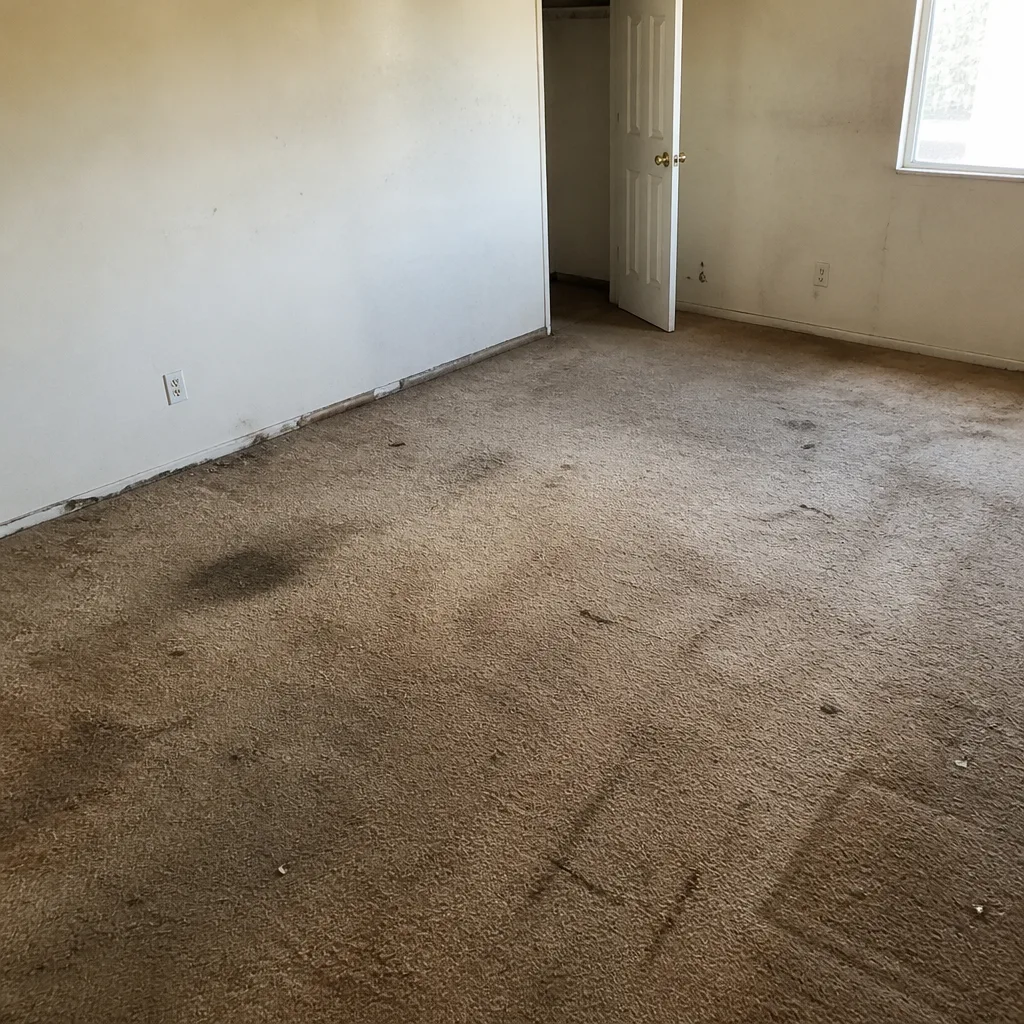 Before
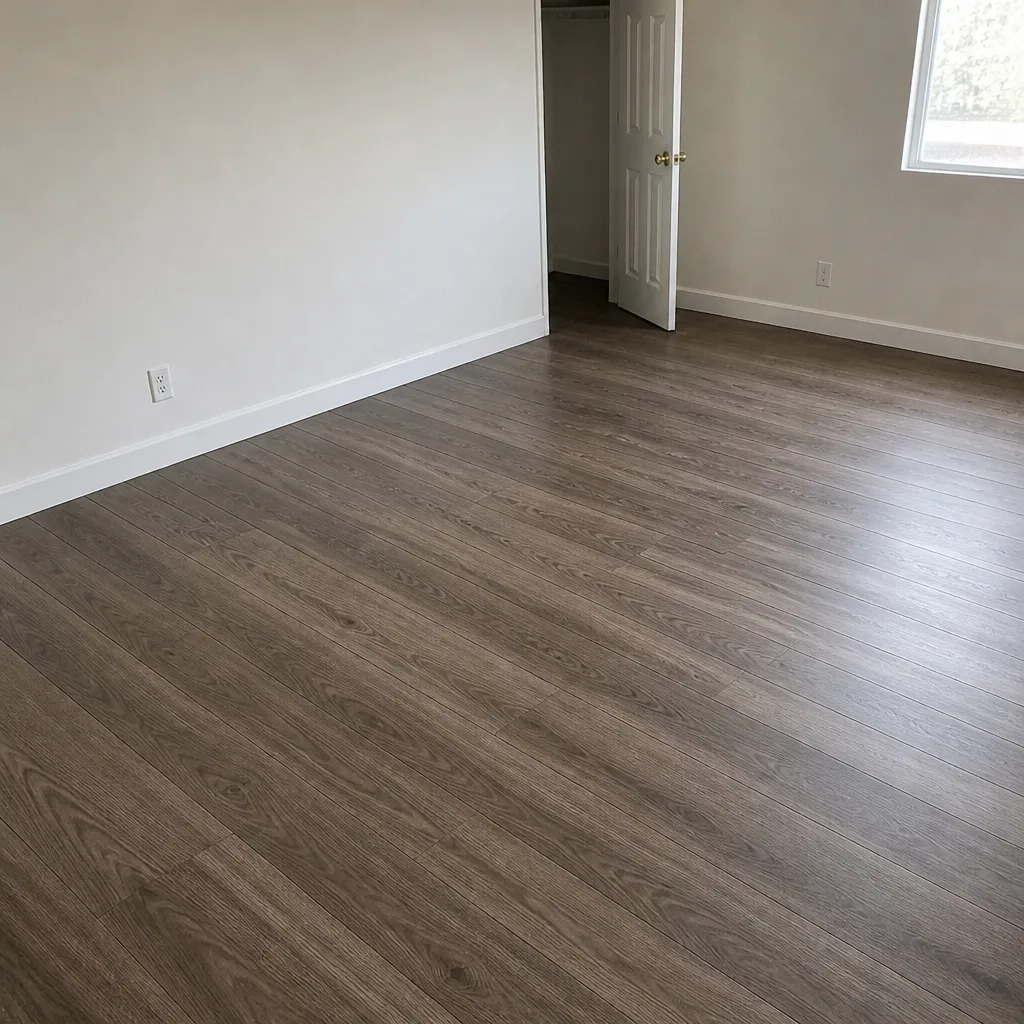 After
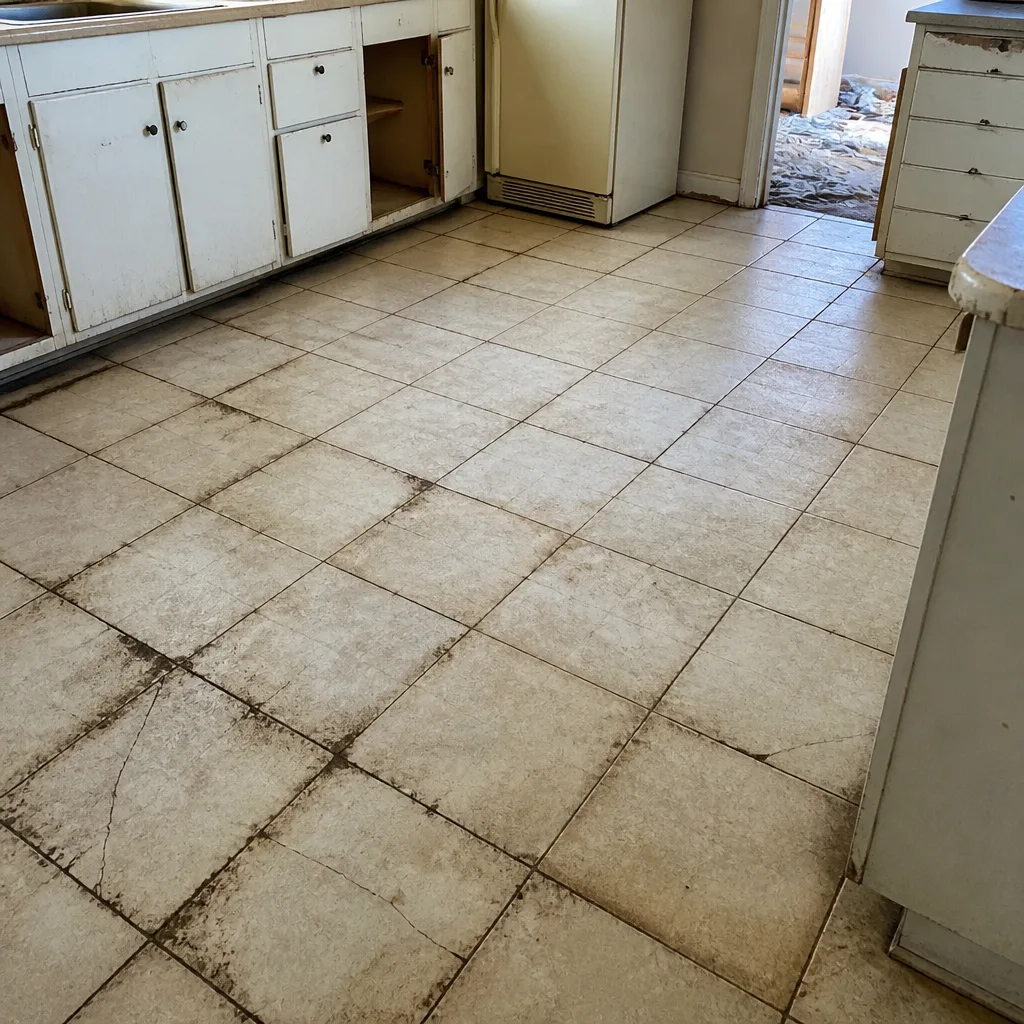 Before
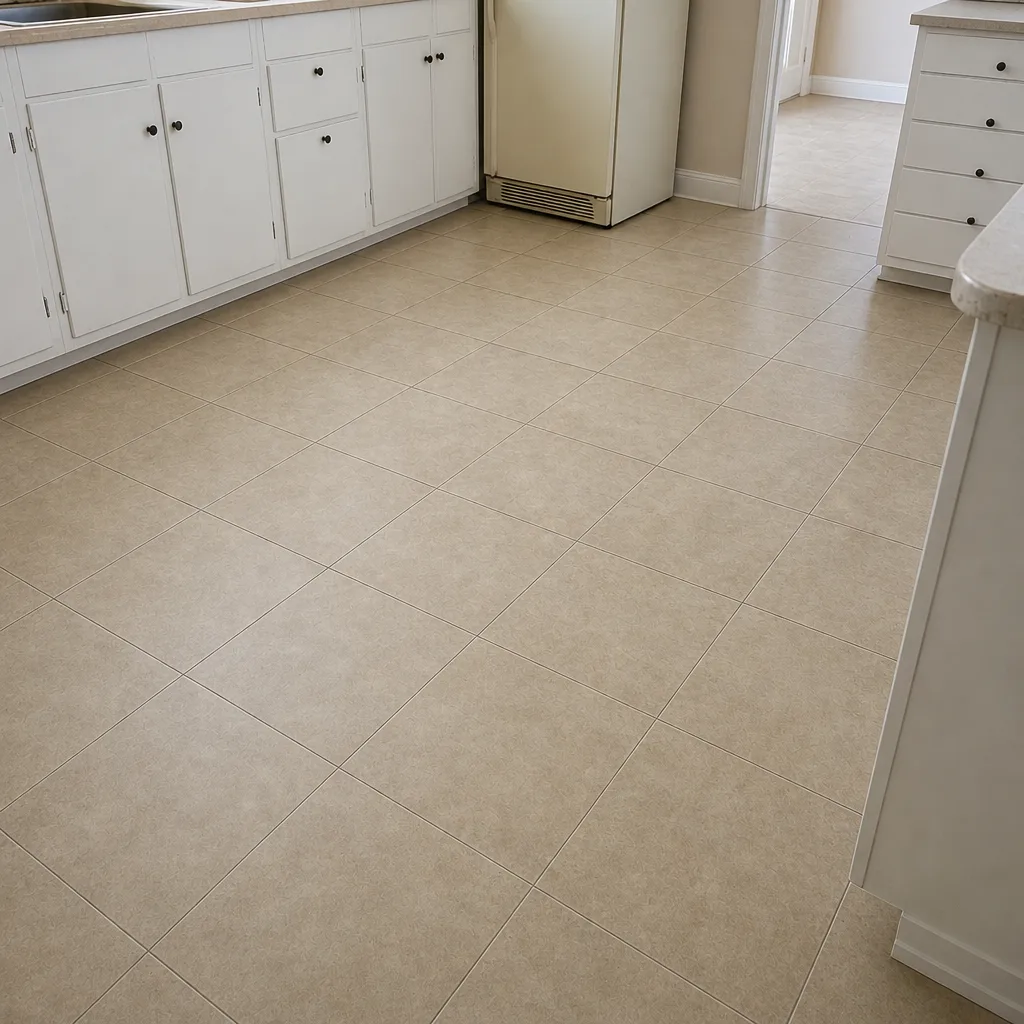 After
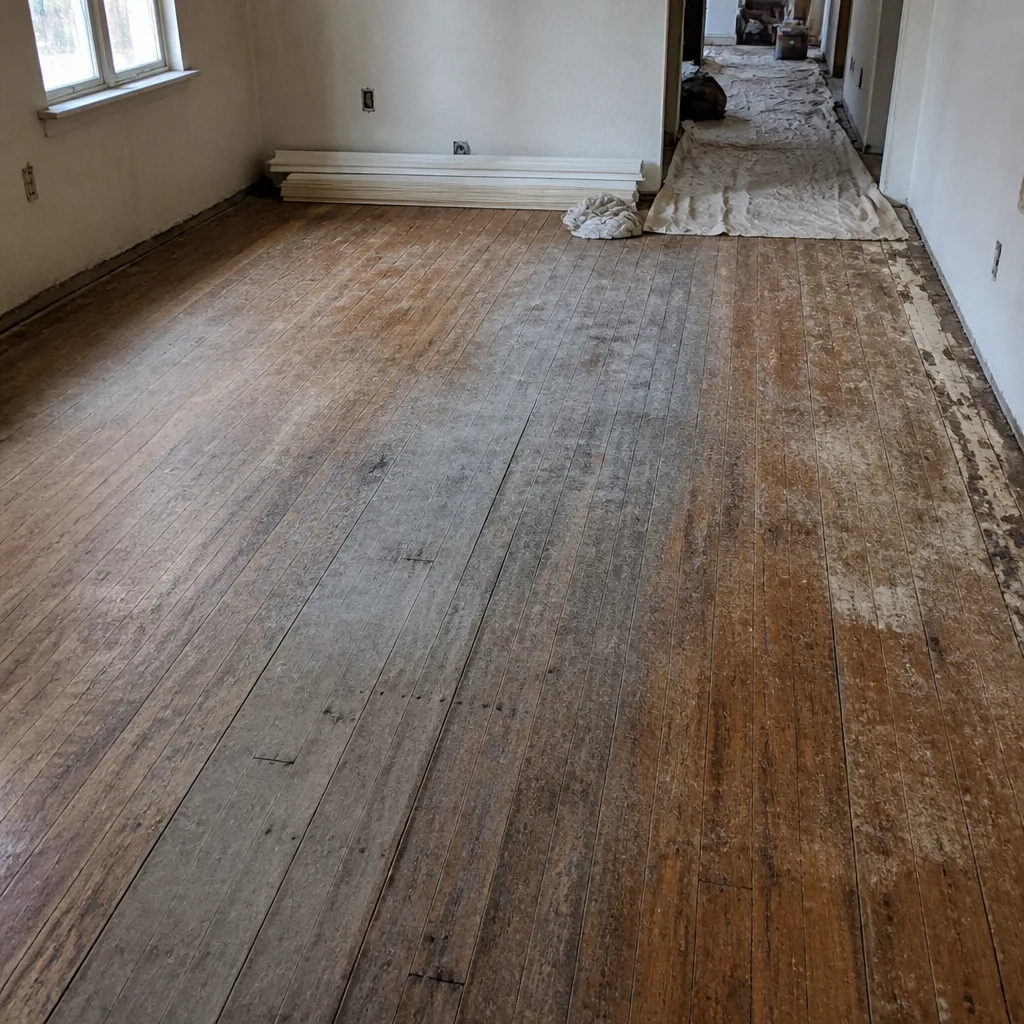 Before
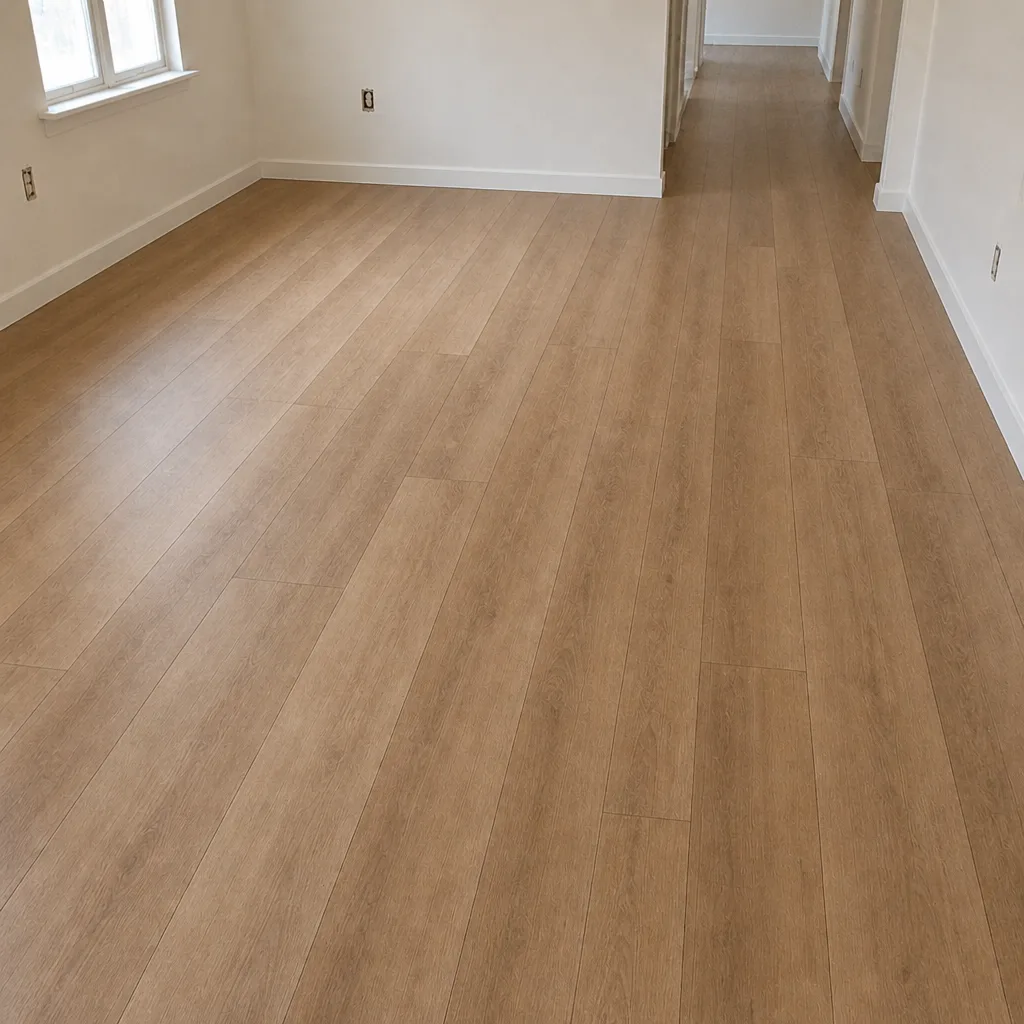 After
When to Call a Professional
Some flooring jobs are genuinely DIY-friendly, but several in a Whitney home are not. Call us if your floor is going over a concrete slab and you’re not sure how to check for moisture. Call if you’re working with a below-grade space, a bathroom, or any job where the subfloor needs prep before the new floor goes down. Call if you have existing hardwood that’s worn but structurally sound and you want a refinishing assessment before you consider replacement. And call if you’re doing a mixed-floor home and need the transitions planned before you buy anything.
Our technicians have up to 12 years of experience across carpet, tile, and hardwood. Whitney Flooring offers free estimates in Whitney, and we bring samples so you can compare materials in your own light. Call (833) 620-5226 to schedule.
Frequently Asked Questions
Tile for bathrooms, entryways, and kitchens; hardwood or rigid-core luxury vinyl for living and dining rooms; carpet for bedrooms; and a moisture-tested material for any below-grade space. The room’s exposure to water and dust drives the decision, not style alone. Whitney Flooring can walk you through each room at a free estimate.
No. Carpet performs well in dry climates as long as the fiber and construction match the room. Medium-density nylon or triexta in a bedroom holds up well. The real carpet problem in Whitney is putting it in an entryway, where tracked-in desert dust works into the pile. Keep carpet in bedrooms and soft living spaces, and it will last.
Yes. Below-grade moisture comes from the soil, not the air, so even a desert climate can have a damp slab. Concrete wicks moisture and stays cooler than the air above, which invites condensation. A vapor barrier under the new floor is standard practice for any below-grade installation. We test the slab before we quote a basement floor.
Laminate is water-resistant, not waterproof. Modern laminate handles splashes and quick wipe-ups, but standing water sitting on the surface can reach the core and cause swelling. For a kitchen, tile or a rigid-core luxury vinyl is the safer choice. We’ll show you the difference side by side at the estimate.
Refinish if the wood is thick enough and structurally sound. Replace only if the boards are too worn, damaged, or thin to sand again. Refinishing is usually less expensive and preserves the original floor, which is worth doing in a Whitney home where the wood has already settled into the local climate. We check thickness and condition at the estimate before recommending either path.
Cost depends on the material, room size, and condition of the subfloor, so we set the price per job with a written estimate. Every estimate is free and includes measurement, subfloor inspection, and a line-by-line quote. Call (833) 620-5226 to schedule yours.
The Bottom Line
Flooring that works in a Whitney home is flooring matched to the room’s real conditions: dust at the entries, water in the baths and kitchen, foot traffic in the living spaces, comfort in the bedrooms, and ground moisture below grade. Get that match right and the material choice becomes easy; get it wrong and even a beautiful floor will disappoint. Whitney Flooring carries carpet, tile, and hardwood from names you can research and installs all three to one standard. Start with a free estimate, and we’ll walk each room with you.
Ready to plan your floor? Call (833) 620-5226 to schedule a free estimate with Whitney Flooring. We answer 24/7, with fast dispatch from 7am to 7pm, Sunday through Friday. Learn more about our service area in Whitney, and let’s get your rooms matched to the right materials.
Written by the team at Whitney Flooring.