
Last updated November 18, 2026
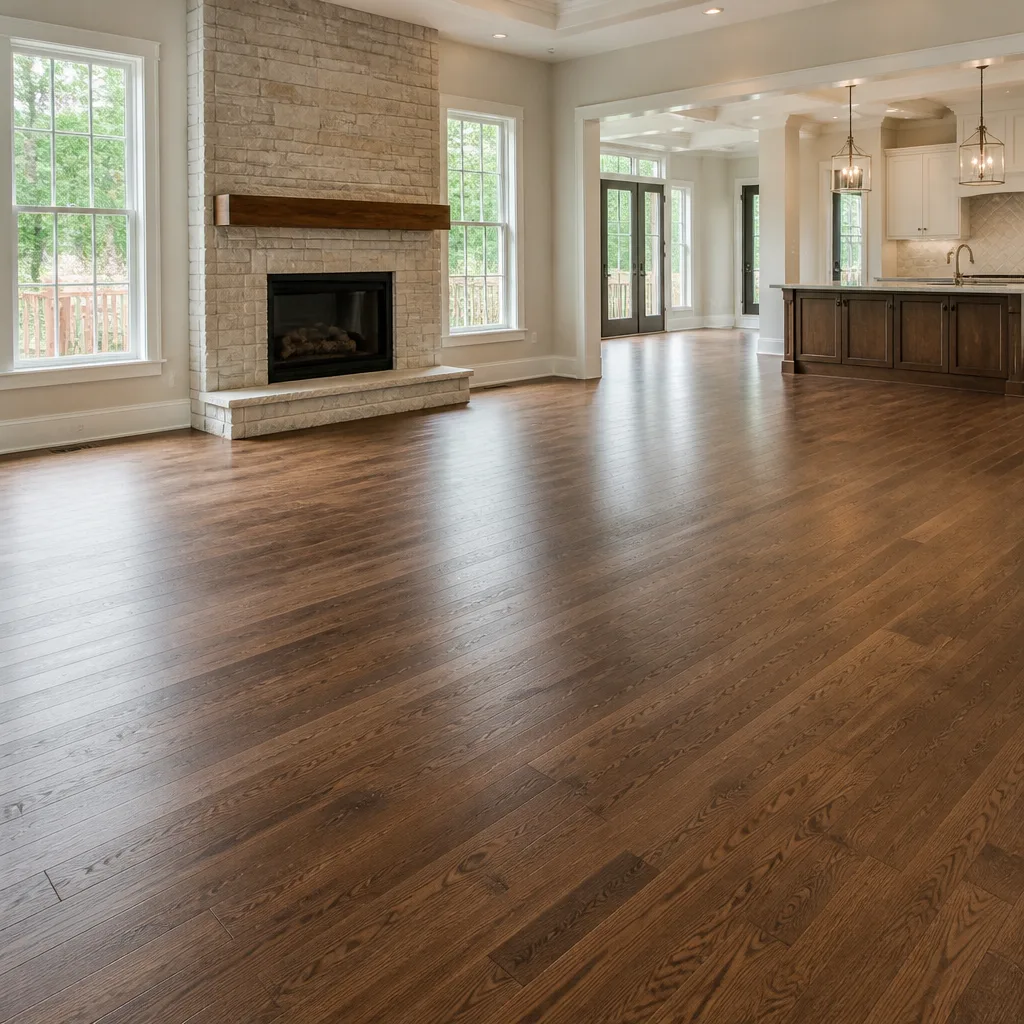 Hardwood
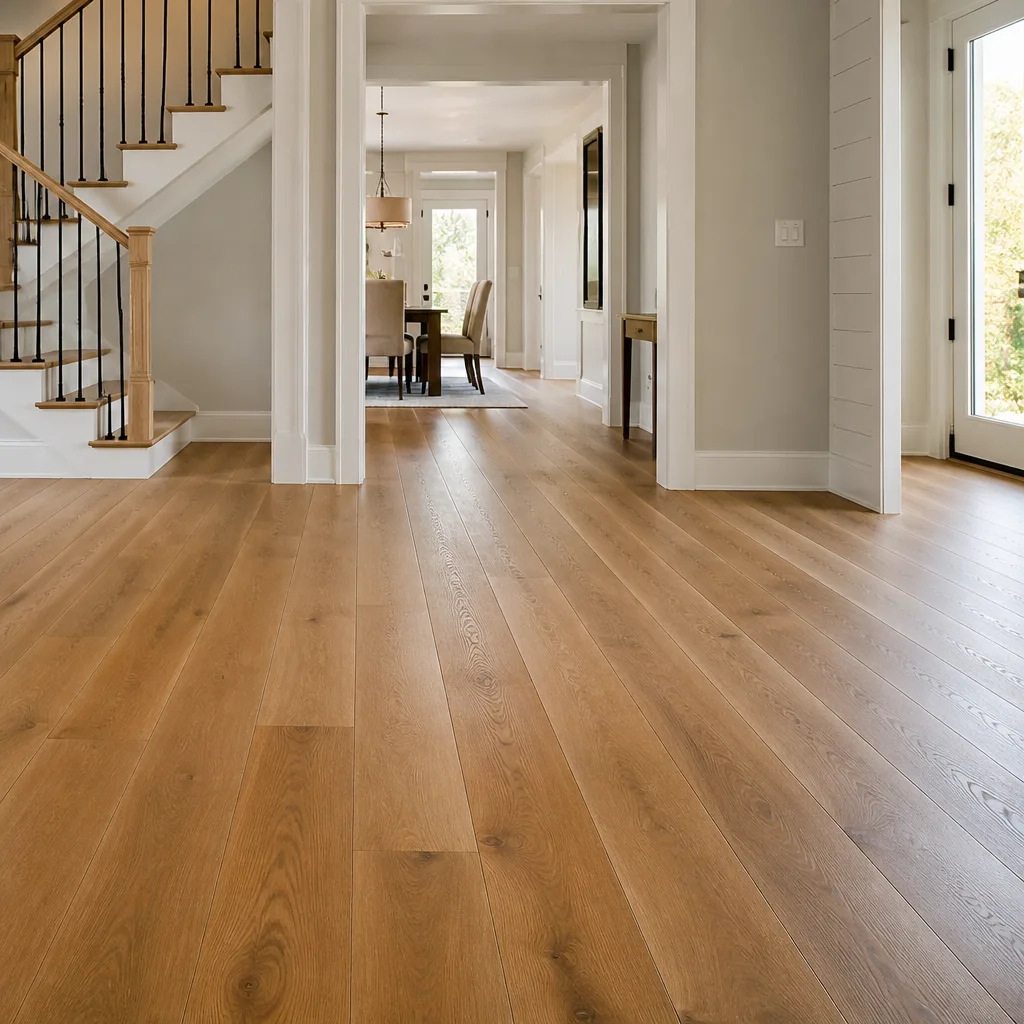 Engineered hardwood
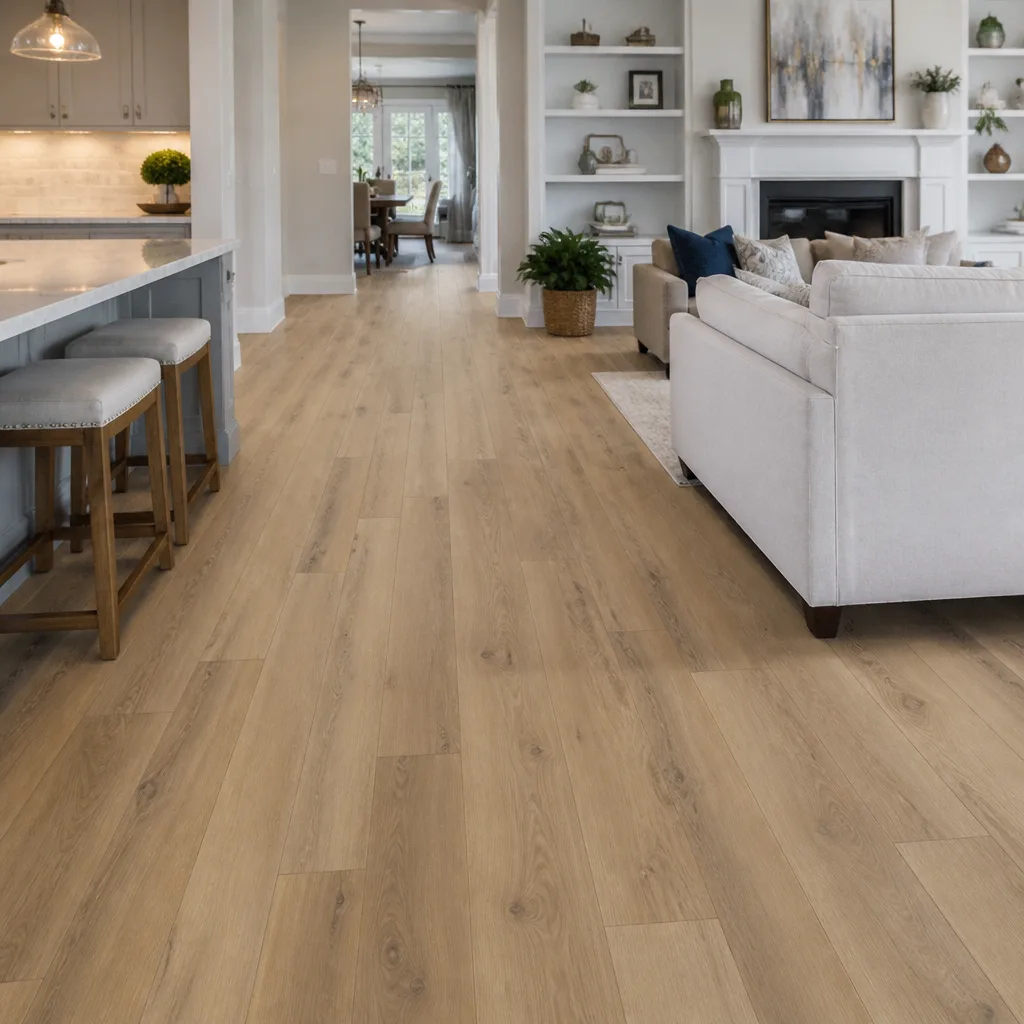 Luxury vinyl plank
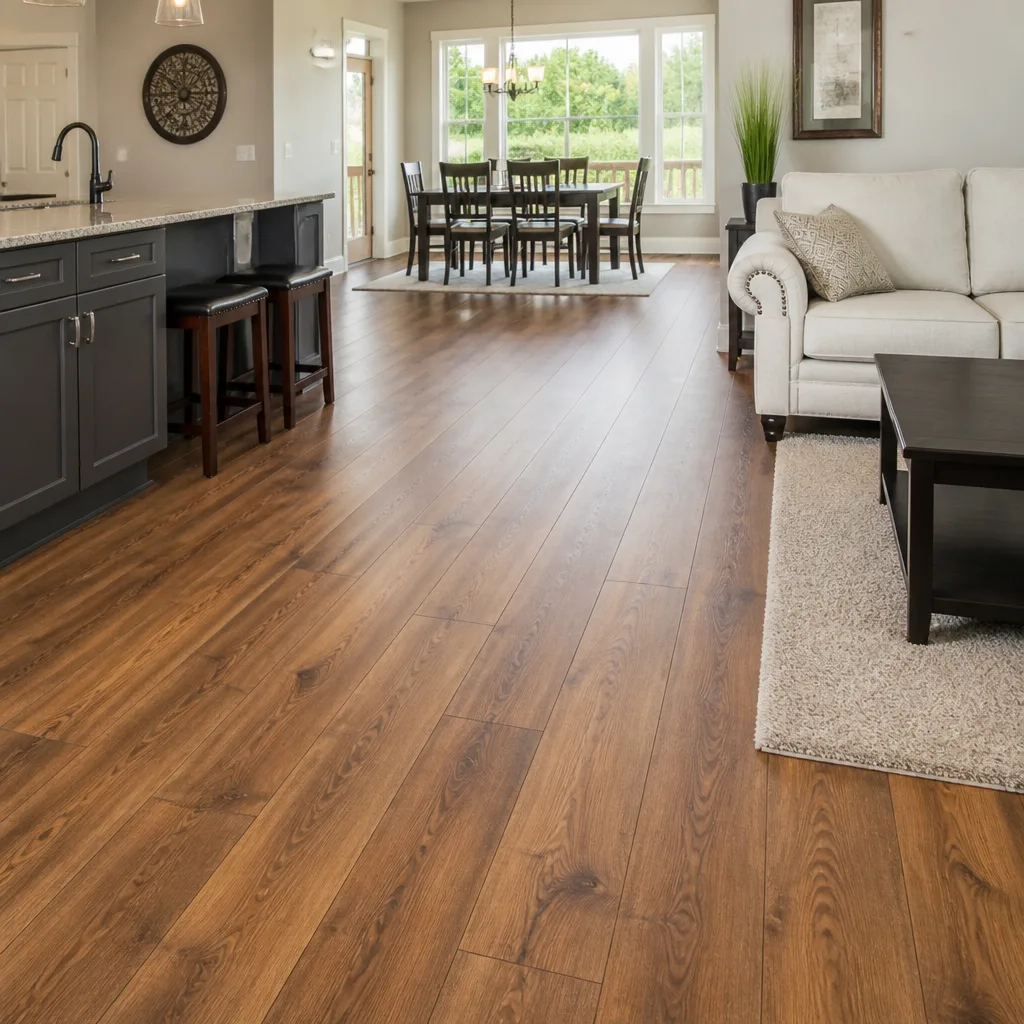 Laminate
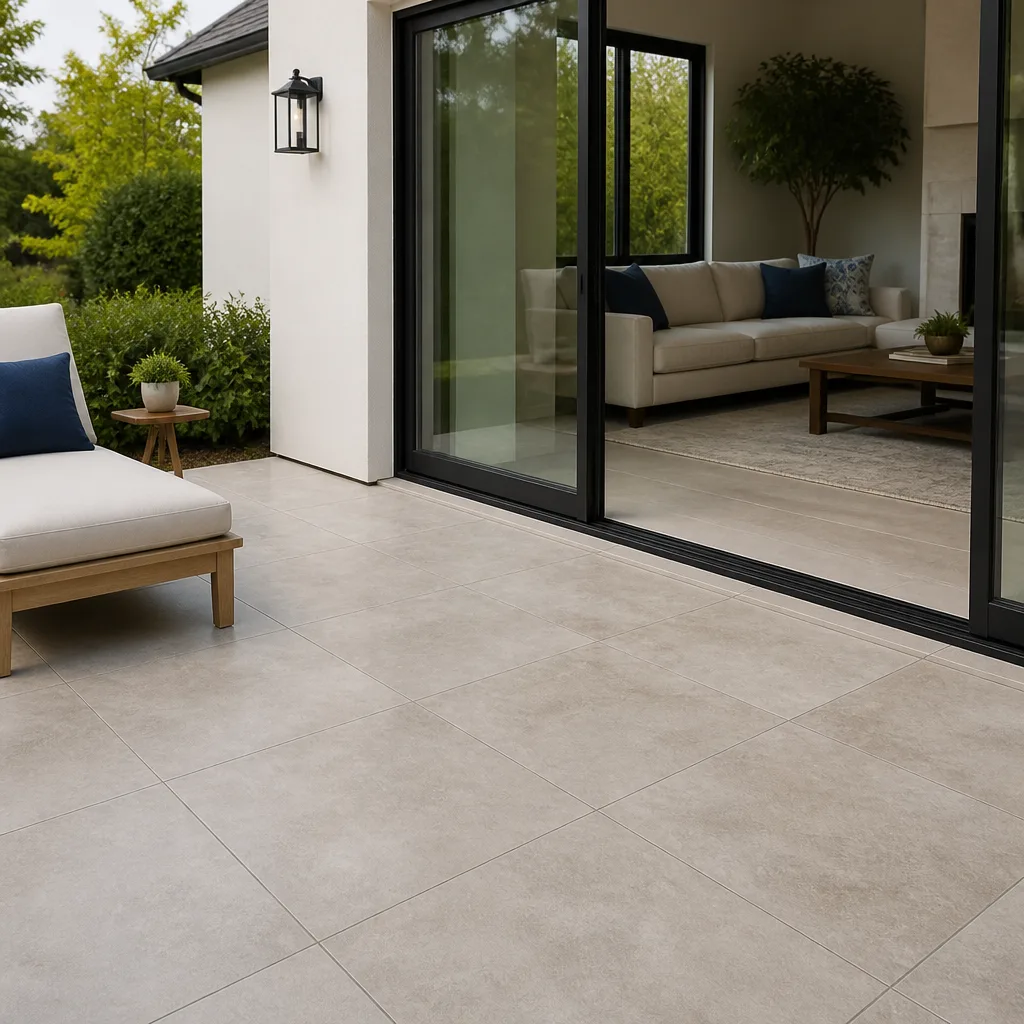 Porcelain tile
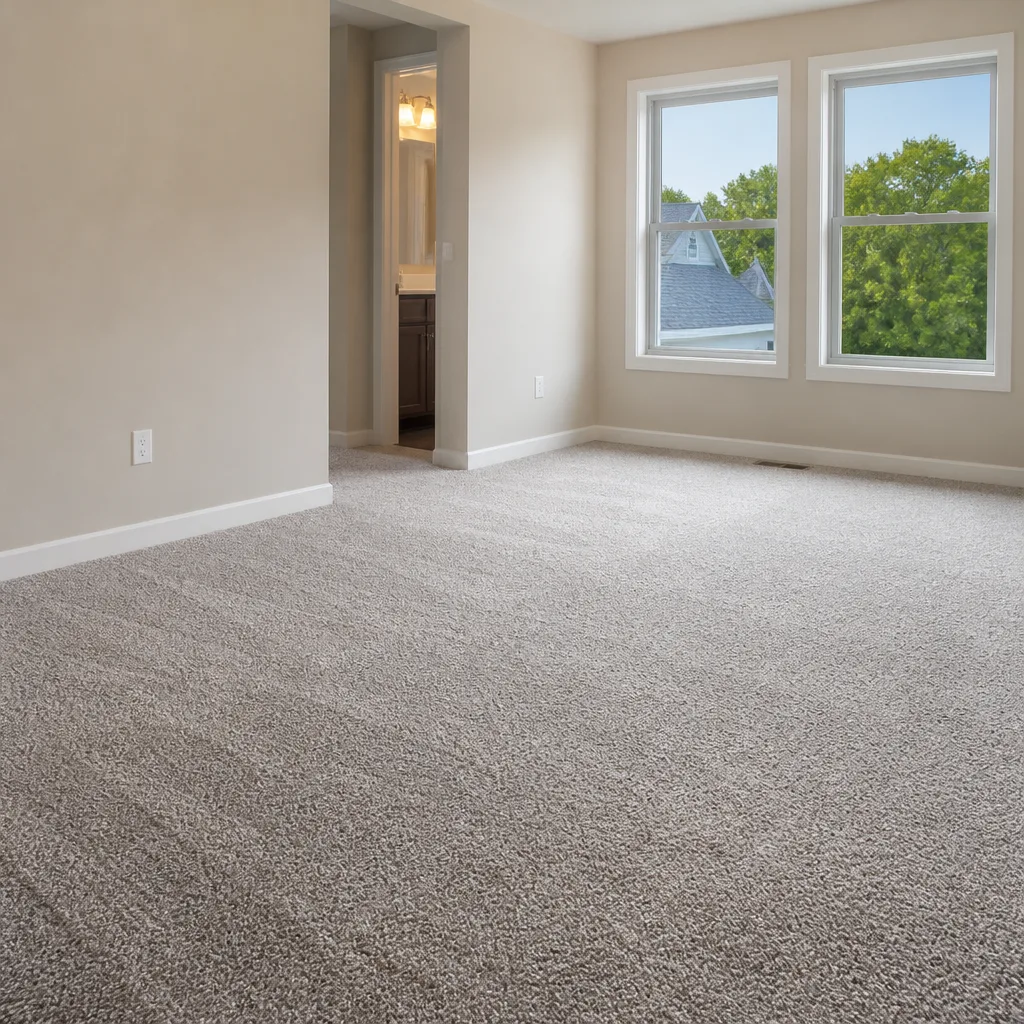 Carpet
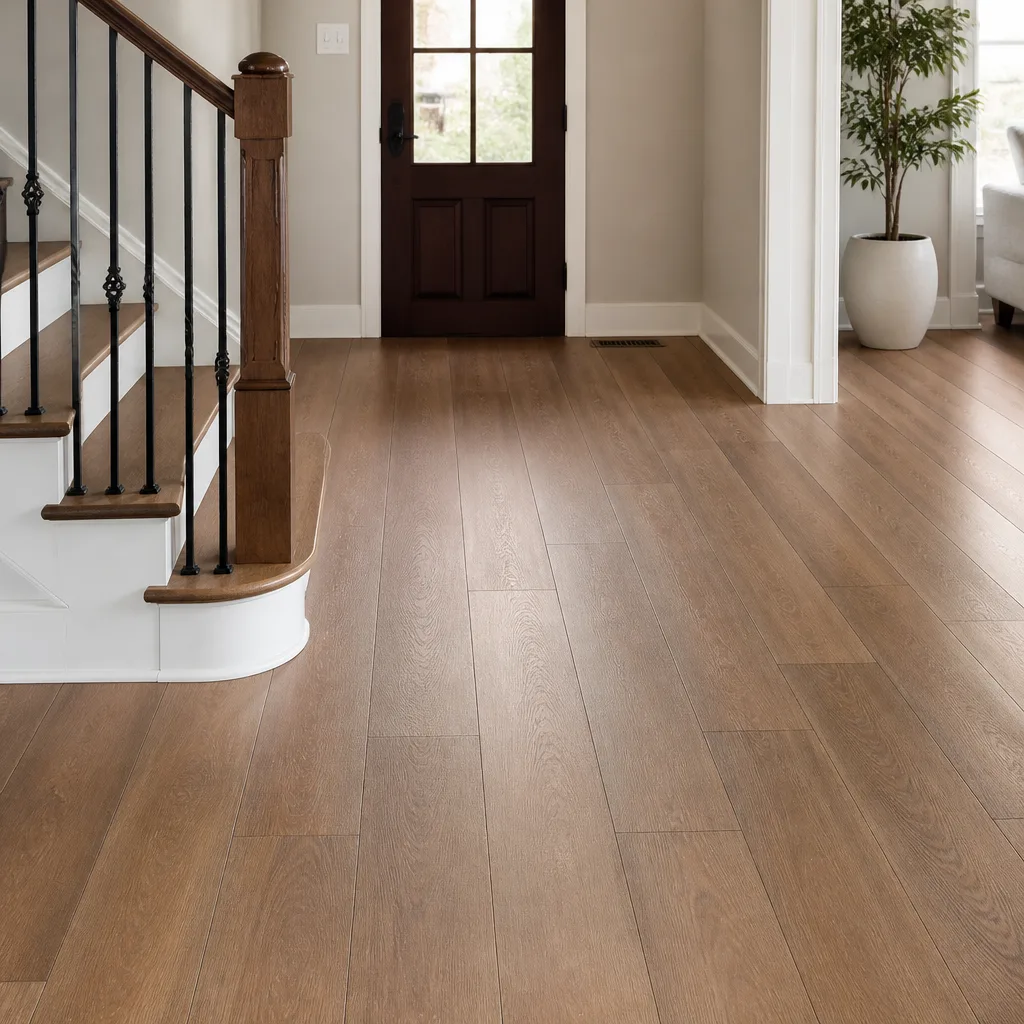 Shaw
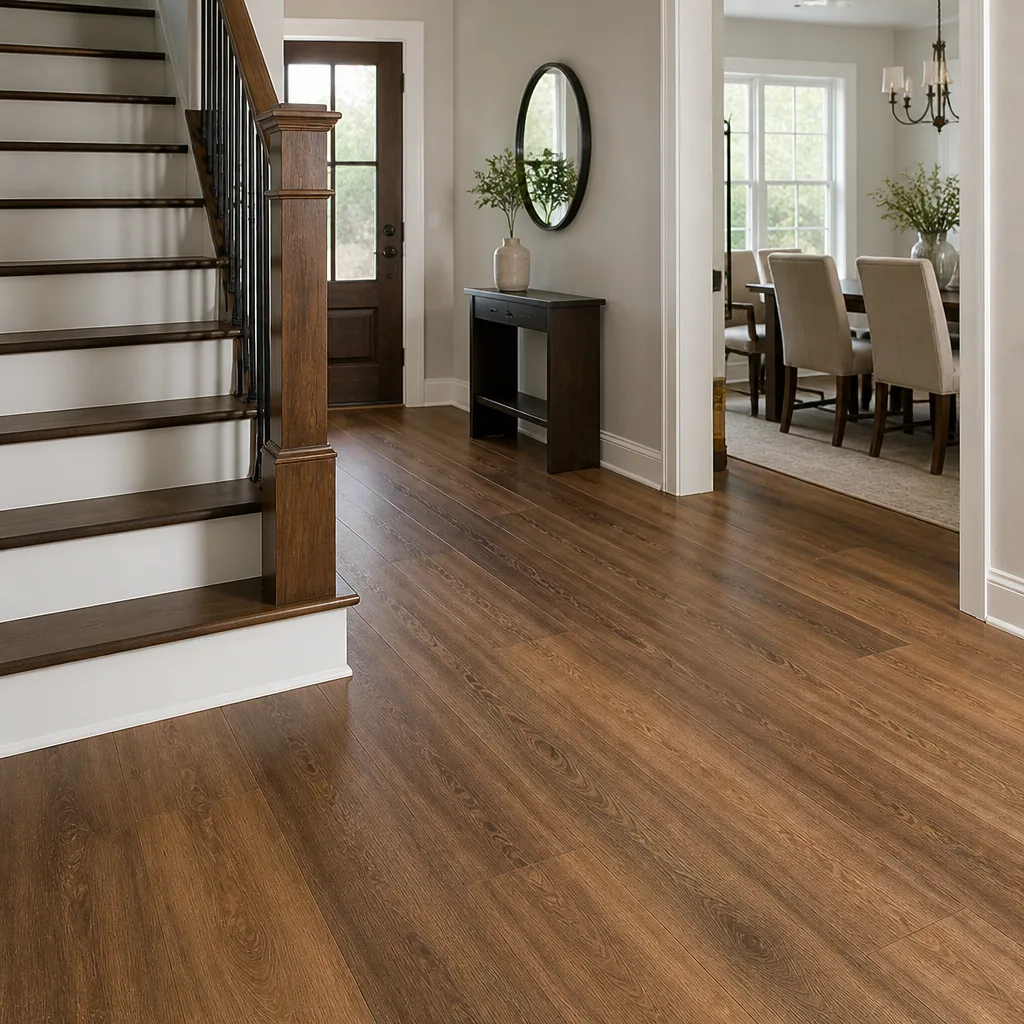 Mohawk
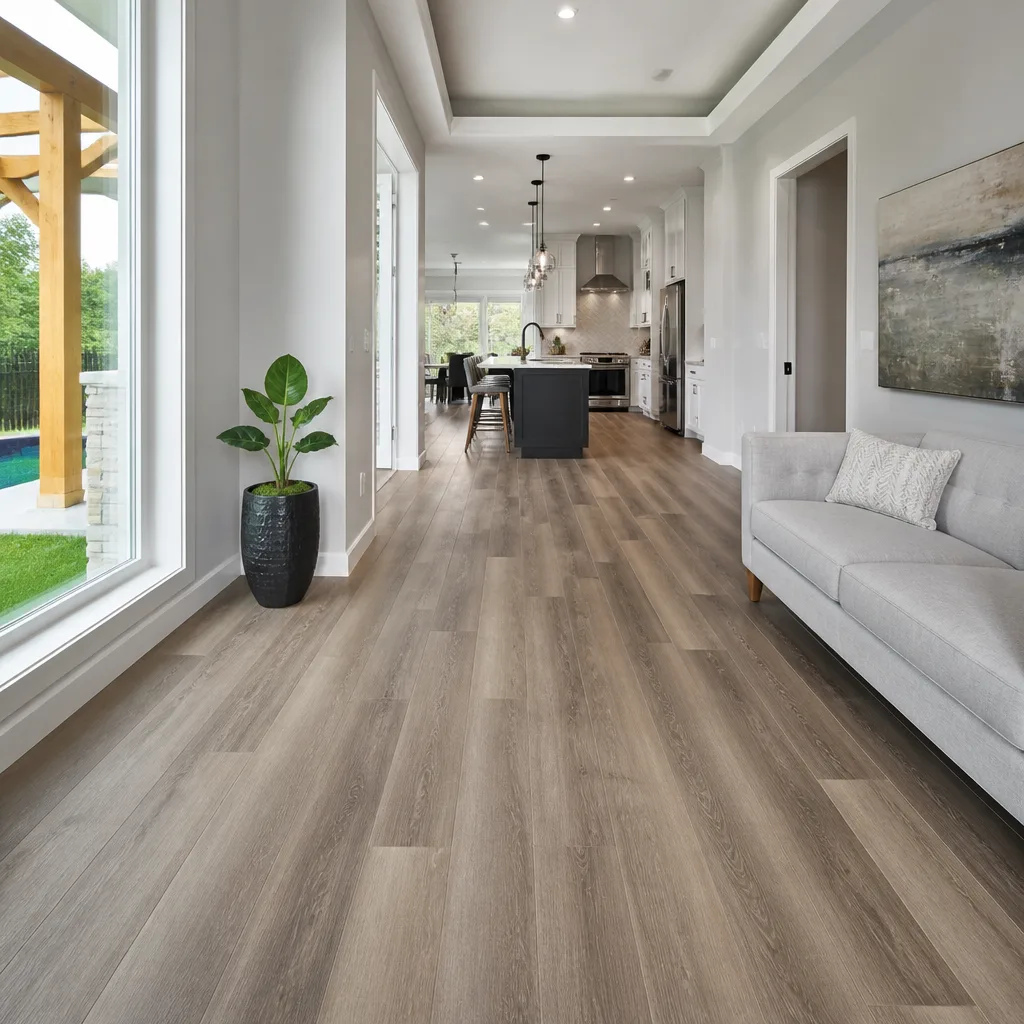 COREtec
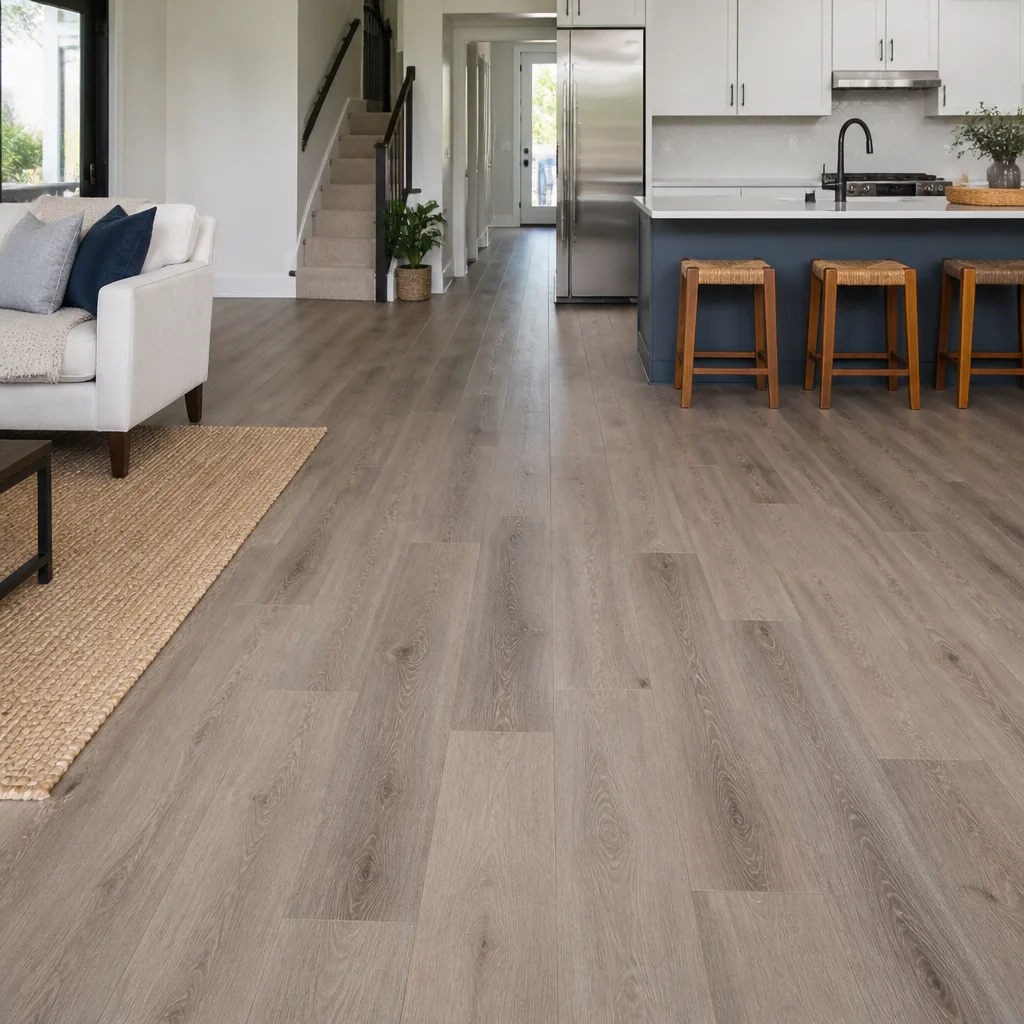 Pergo
Free in-home measure and written estimate: Shaw, Mohawk, COREtec and Pergo lines compared on your own rooms, with carpet, tile, vinyl plank, laminate and hardwood laid out side by side
Get your free estimateHow Whitney’s Climate Can Affect Your Flooring Choice
Most flooring advice is written for a climate that isn’t yours. It assumes mild winters, steady humidity, and a house that sits on a raised foundation. Whitney doesn’t fit that mold. We sit in the high desert, where winter relative humidity can drop below 30% for weeks, summer sun hits hard at elevation, and the temperature swings from a cold desert night to a warm afternoon can be dramatic. That combination does something specific to wood, tile, and carpet: it makes certain materials move, and movement is where floors fail. A floor that looks perfect in a showroom photo can cup, gap, or lift in a Whitney home within a season if the material wasn’t built for these conditions. This guide covers which flooring types are engineered to tolerate our climate, which ones fight it, and why the installation method matters as much as the product itself.
Quick Answer
The best flooring for Whitney’s high-desert climate is a material engineered to handle low humidity and big temperature swings – which usually means engineered hardwood, rigid-core luxury vinyl plank like COREtec, or porcelain tile. Solid hardwood and natural materials that move with moisture are the riskiest choice here unless your home holds steady indoor humidity year-round. The single biggest factor isn’t the product name; it’s whether the material was acclimated and installed for these specific conditions.
Styles & brands we work with
- Hardwood
- Engineered hardwood
- Luxury vinyl plank
- Laminate
- Porcelain tile
- Carpet
- Shaw
- Mohawk
- COREtec
- Pergo
Table of Contents
- What Whitney’s Seasonal Humidity Actually Does to Floors
- Why Engineered Hardwood Beats Solid Hardwood in Whitney
- Slab-on-Grade Construction and Trapped Moisture
- UV Intensity at Elevation and Fading Timelines
- Why Acclimation Takes Longer in Whitney
- Material-by-Material: What Holds Up and What Doesn’t
- Room-by-Room Climate Considerations
- Common Mistakes to Avoid
What Whitney’s Seasonal Humidity Actually Does to Floors
Relative humidity in the high desert is a moving target, and that movement is the whole story. In winter, indoor relative humidity in a heated Whitney home can drop below 30% – sometimes well below it. In summer, monsoon-season moisture can push it back up. Your floor lives through that full swing every year, and different materials respond to it in very different ways.
Wood is hygroscopic. It absorbs moisture from the air and releases it. When relative humidity falls, wood cells shrink, and the floor contracts. When it climbs, wood swells. In a stable coastal climate, that movement is small enough that most floors never show it. In Whitney, the swing is large enough that solid hardwood planks can gap noticeably at the seams during a dry winter. Engineered products are built to resist that movement because of how their cores are constructed. Tile isn’t affected by humidity the same way, but the substrate underneath it is.
Here’s the seasonal picture in practical terms:
- Winter (heated indoor air, low RH): Wood contracts, solid hardwood gaps at seams, and any material installed without a proper moisture barrier over a slab is at risk of shrinking adhesive or lifting edges.
- Spring and early summer (rising RH): Wood swells slightly, and if there’s no expansion gap at the walls, planks can buckle. This is where installation detail matters.
- Monsoon season (short high-humidity spikes): Ground moisture rises through slab-on-grade floors, and that’s when carpet padding and grout lines show the effects of a barrier that wasn’t there.
- Fall (RH drops again): The second contraction cycle of the year, which is often when gapping first becomes visible to a homeowner.
You can’t stop the seasons. What you can do is pick a material and an installation method that are built to handle the swing. That’s the lens we use when we talk through options with homeowners in Whitney – not “what looks best in this photo” but “what will this floor do in February and again in July.”
Why Engineered Hardwood Beats Solid Hardwood in Whitney
Engineered hardwood is the better choice for Whitney’s climate because its construction is designed to resist the movement that low humidity causes. A solid hardwood plank is one piece of wood, and it moves as one piece. An engineered plank is a real hardwood top layer bonded to a core of multiple layers, usually plywood or high-density fiberboard (HDF). That cross-layered core resists the expansion and contraction that a single solid piece can’t.
When we talk with homeowners about engineered options, the core construction is what we look at first. It matters more than the species on top.
- Plywood core: Multiple wood layers crossed at angles. This is the more dimensionally stable core and the better match for a climate with big humidity swings. It handles moisture variation well and holds up over slab.
- HDF core: Denser and often heavier, with a very flat surface. HDF is a strong performer when it’s kept dry, but it’s more sensitive to moisture from below, which makes the moisture barrier under it non-negotiable in a slab-on-grade home.
Both are dramatically more stable than solid hardwood in Whitney. We carry engineered hardwood through Shaw and Mohawk, and both lines give homeowners a real range of species and finishes without the structural risk that solid wood carries here. Solid hardwood isn’t off the table – if your home holds steady indoor humidity year-round, it can work. But it’s a commitment, not a default. If you already have solid hardwood and it’s gapping, refinishing is usually the smarter move than replacing it. Whitney Flooring treats refinishing as a core service, not a fallback, because restoring an existing floor preserves its character and avoids the cost of tearing it out.
Slab-on-Grade Construction and Trapped Moisture
Most Nevada homes sit on a slab-on-grade foundation, meaning the concrete slab rests directly on the ground with no crawlspace or basement between them. That construction is efficient and common, but it creates a moisture situation that many flooring installs get wrong. Concrete wicks moisture from the soil beneath it, and that moisture has to go somewhere. If a flooring material is glued or laid directly over the slab without a proper barrier, that moisture works its way into the adhesive, the padding, or the material itself.
Here’s what trapped moisture does to each category:
- Tile grout: Grout is porous. When moisture rises from below, it can discolor grout and, in bad cases, loosen the bond between tile and substrate. A proper moisture barrier and the right thinset matter more than the tile itself in these homes.
- Tile substrate: A crack-isolation or uncoupling membrane between the slab and the tile gives the tile a stable surface and separates it from slab movement. Skipping it is one of the most common reasons tile fails on a Nevada slab.
- LVP adhesion: Luxury vinyl plank is water-resistant on its surface, but adhesive under it is not immune to slab moisture. Standing water and moisture from below still have to be dealt with; a moisture barrier is what keeps the adhesive bonded.
- Carpet padding: Padding is the most moisture-sensitive layer in a carpet install. A moisture barrier under the padding protects it, and choosing a padding rated for slab applications matters more in Whitney than in a home with a raised subfloor.
This is where installation expertise separates a floor that lasts from one that lifts at the edges in a couple of seasons. Our technicians have up to 12 years of experience, and a big part of that experience is reading the slab before a single plank or tile goes down. If you want tile flooring installation done right over a Nevada slab, the barrier and the membrane are the parts you don’t see but the parts that decide how long the floor lasts.
UV Intensity at Elevation and Fading Timelines
Sunlight is stronger at elevation, and Whitney sits high enough that it matters for flooring. The higher you go, the thinner the atmosphere and the less UV gets filtered before it reaches your windows. A room with large west- or south-facing windows gets a real dose of UV every afternoon, and that dose fades finishes faster here than it would at sea level.
Not every material fades at the same rate, so it helps to know what you’re dealing with:
- Hardwood finishes: The clear coat on top of hardwood breaks down under sustained UV. Sun-exposed rooms show dulling and color shift first, usually on the boards closest to the window. Refinishing restores the finish and is one of the strongest arguments for choosing a wood floor in the first place – you can bring it back.
- Luxury vinyl plank: Quality LVP holds color better than older vinyl ever did, but sustained direct sun still shifts tone over time. The higher-end rigid-core products tend to hold up longer than thin, off-brand vinyl.
- Carpet: Direct sun is the fastest way to fade carpet, especially in a sunroom or a room with big glass. Carpet in shaded rooms shows almost none of this.
- Tile: Tile color is essentially stable under UV. This is one of tile’s real advantages in a bright, sun-exposed Whitney room.
The practical fix is simple: control the light before it hits the floor. Window coverings, UV film, or furniture placement that rotates the sun exposure all extend a floor’s finish life. In our experience, the sun-exposed rooms are the ones that decide how quickly a floor starts to look aged.
Why Acclimation Takes Longer in Whitney
Acclimation is the step where flooring material sits in the room where it will be installed so it adjusts to the home’s temperature and humidity before installation. Most flooring guides gloss over it. In Whitney, it’s one of the most important steps in the whole job, and it takes longer here than it does in a coastal market because the gap between warehouse conditions and a heated, low-humidity Whitney home is bigger.
What happens when an installer skips acclimation, or rushes it:
- The material arrives at the wrong moisture content. If it was stored in a more humid environment, it comes in swollen and then shrinks after installation, which opens seams and gaps.
- Planks are installed tight. Without an expansion gap at the walls, a floor that swells in summer has nowhere to go and buckles in the middle of the room.
- The failure shows up later. Gapping and buckling usually don’t appear on install day. They show up after the first dry winter or the first humid summer, which is why the contractor is long gone and the homeowner is stuck.
- Adhesive and moisture barrier get skipped. Rushed jobs cut the steps that don’t show, and those are the steps that decide whether the floor survives our climate.
We don’t give a fixed acclimation time in days, because it depends on the product and the home. What we do say is that the product instructions and the written estimate set the schedule, and that we don’t shortcut acclimation in Whitney. If you’re choosing carpet installation for part of the home and wood or tile for the rest, the acclimation plan for each material is part of the same conversation. One company, every surface means one installation standard across the whole job.
Material-by-Material: What Holds Up and What Doesn’t
This is the section most homeowners want: a straight answer on which materials are built for Whitney and which ones fight it. We’ll be honest about both.
- Engineered hardwood (plywood core): Strong choice. The cross-layered core handles the humidity swing, and the real hardwood top layer can be refinished depending on its thickness and condition. Shaw and Mohawk both make lines that fit Whitney well.
- Rigid-core luxury vinyl plank: Strong choice for slab-on-grade homes. COREtec’s rigid core resists moisture and temperature movement, which is exactly what low-humidity Nevada needs. Pergo offers a solid value option in the same category. Neither is a substitute for a moisture barrier, but both are engineered for this kind of climate.
- Porcelain tile: Strong choice, especially in sun-exposed and wet rooms. Tile color is stable under UV, and porcelain handles temperature swings without moving. It’s the material least affected by everything Whitney throws at it – as long as the slab underneath is handled correctly. Daltile gives us access to commercial-grade tile that holds up to real traffic in a residential setting.
- Carpet: Good in bedrooms and shaded rooms where it isn’t getting direct sun. The padding and moisture barrier are the parts that matter on a slab. Carpet in a sun-drenched room will fade and wear faster than anywhere else in the house.
- Solid hardwood: The riskiest choice in Whitney unless indoor humidity is controlled year-round. It can work, but it demands more from the homeowner than engineered options do.
The theme across all five is that the material matters, but the installation method and the substrate preparation matter just as much. A premium product installed wrong fails. A mid-range product installed right performs. That’s why we spend more of the estimate conversation on the home than on the product brochure.
Room-by-Room Climate Considerations
Not every room in a Whitney home faces the same conditions, so it helps to think room by room rather than picking one material for the whole house.
- Sun-exposed living areas: Big windows and afternoon sun make finish fading the main concern. Engineered hardwood with a strong finish or tile are the safest calls here.
- Kitchens and bathrooms: Spills and moisture from above meet moisture from below. Tile is the natural choice, and the slab barrier under it is the detail that decides how long it lasts.
- Bedrooms: Shaded and lower-traffic. Carpet works well, and it’s also where homeowners get the most comfort per dollar.
- Hallways and entryways: Traffic and sun exposure stack up. Rigid-core LVP or tile handles both better than soft flooring.
- Rooms over slab with no barrier: These are the rooms where carpet padding and LVP adhesive fail first, and where a proper moisture barrier is the whole job.
If you’re in the middle of planning a floor for your Whitney home, this is the kind of thing we work through at the free estimate. We look at the room, the sun exposure, the slab, and how you actually live in the space, then talk through which materials fit.
Common Mistakes to Avoid
- Picking solid hardwood because it’s “classic.” Solid wood is a beautiful material, but in a Whitney home that isn’t humidity-controlled, it gaps and cups with the seasons. The classic label doesn’t protect it from our climate.
- Skipping the moisture barrier over a slab. This is the single most expensive shortcut in Nevada flooring. It costs very little at install and a full tear-out to fix later.
- Rushing acclimation. The material needs time to adjust to a heated, low-humidity Whitney home, and that time is longer here than in a coastal market. A rushed install looks fine on day one and fails in February.
- Ignoring the sun-exposed room. Homeowners often pick the same flooring for every room without thinking about which ones get direct sun. The sun-facing rooms fade first, and that’s where the money is lost.
- Choosing off-brand vinyl to save money. Thin, generic vinyl doesn’t have the rigid core that handles temperature movement. COREtec, Pergo, and similar lines exist for a reason – they’re tested for the conditions that generic products aren’t.
- Assuming the showroom sample equals your home. A sample under showroom lighting doesn’t show you how that product handles the humidity swing or the afternoon sun in your living room. The estimate visit is where the real answer comes from.
- Replacing instead of refinishing hardwood. If the floor is solid wood and the finish is worn, refinishing preserves the original material and often costs far less than replacement. We check the wood’s thickness and condition at the estimate; every floor can’t be refinished, but many can.
See the difference
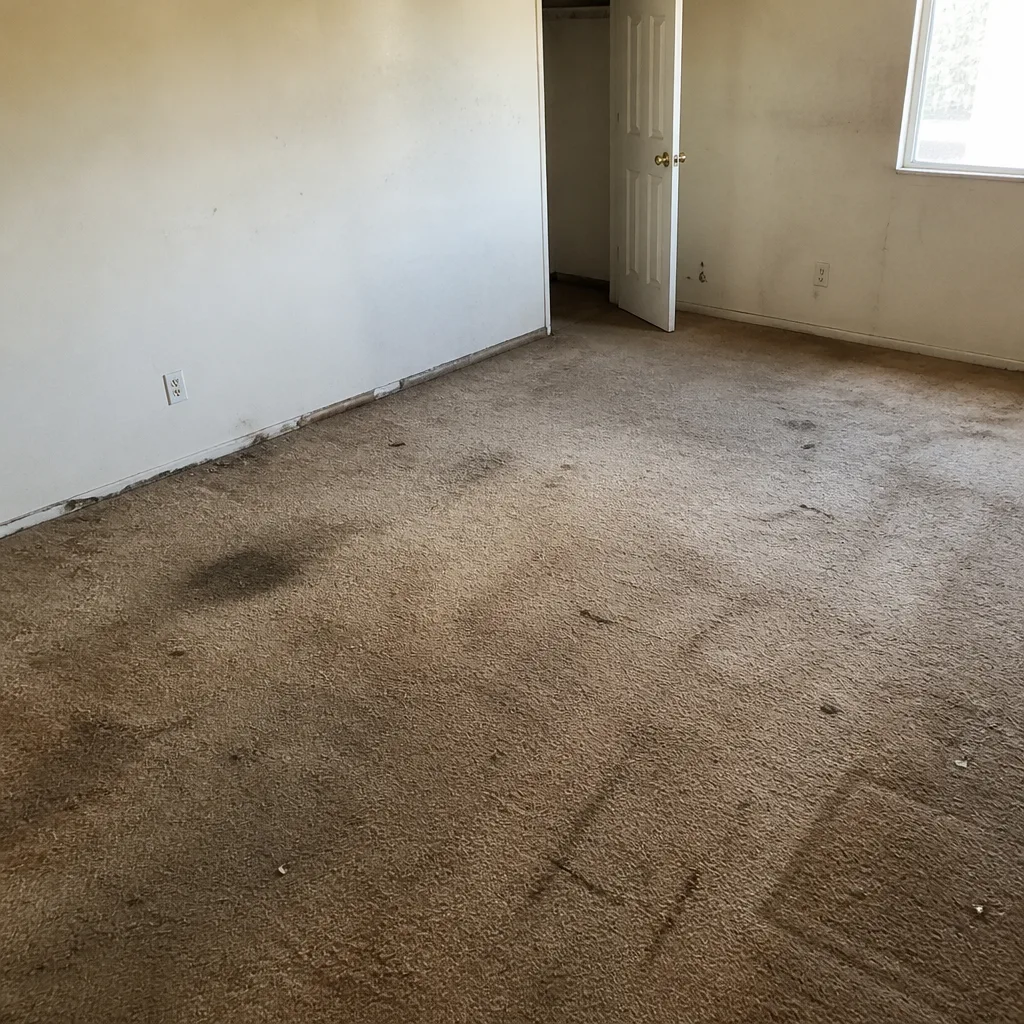 Before
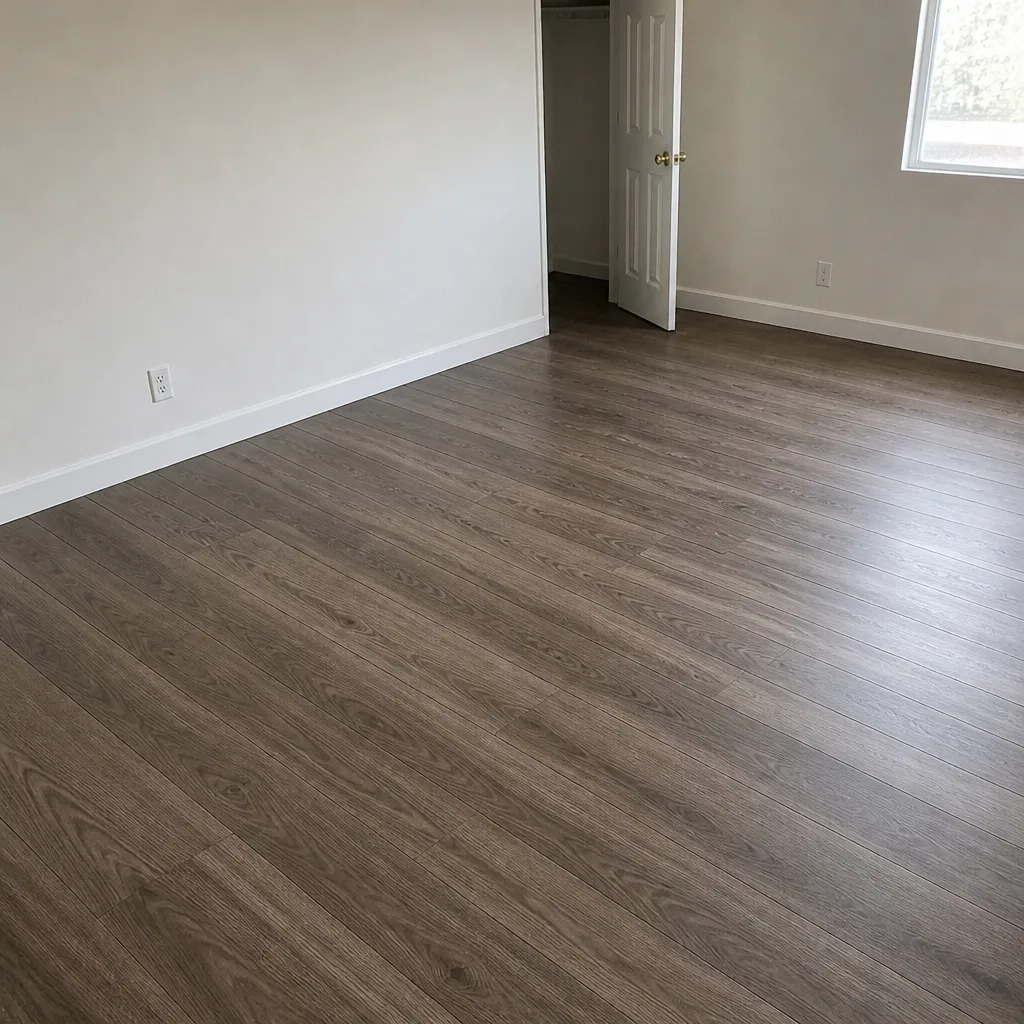 After
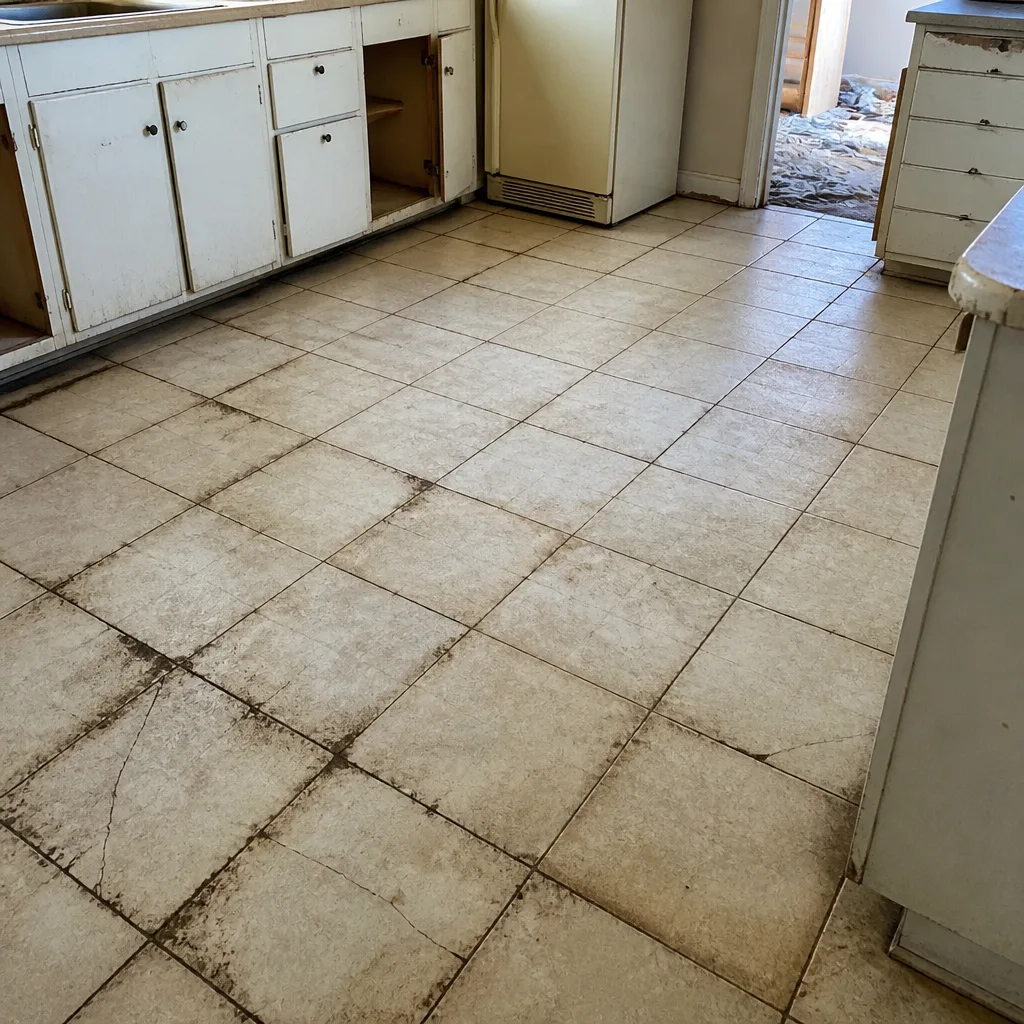 Before
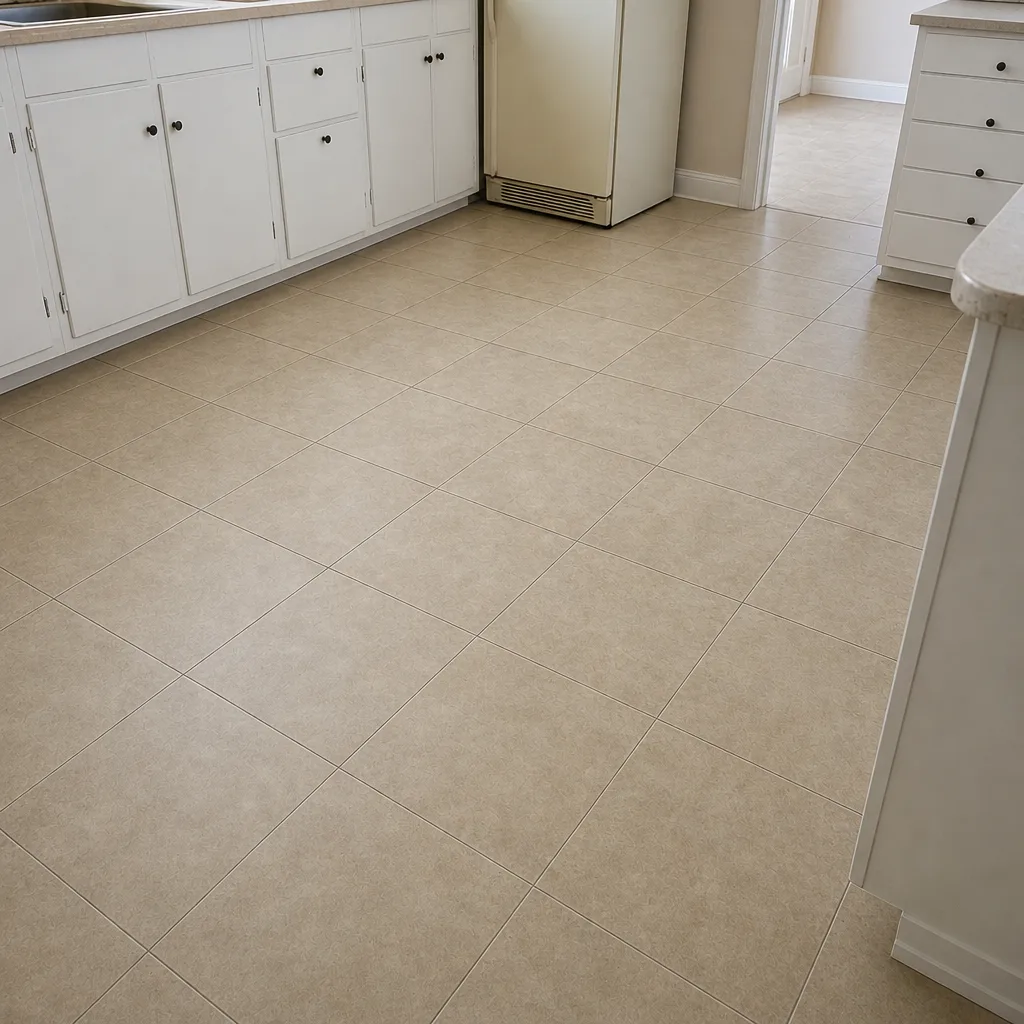 After
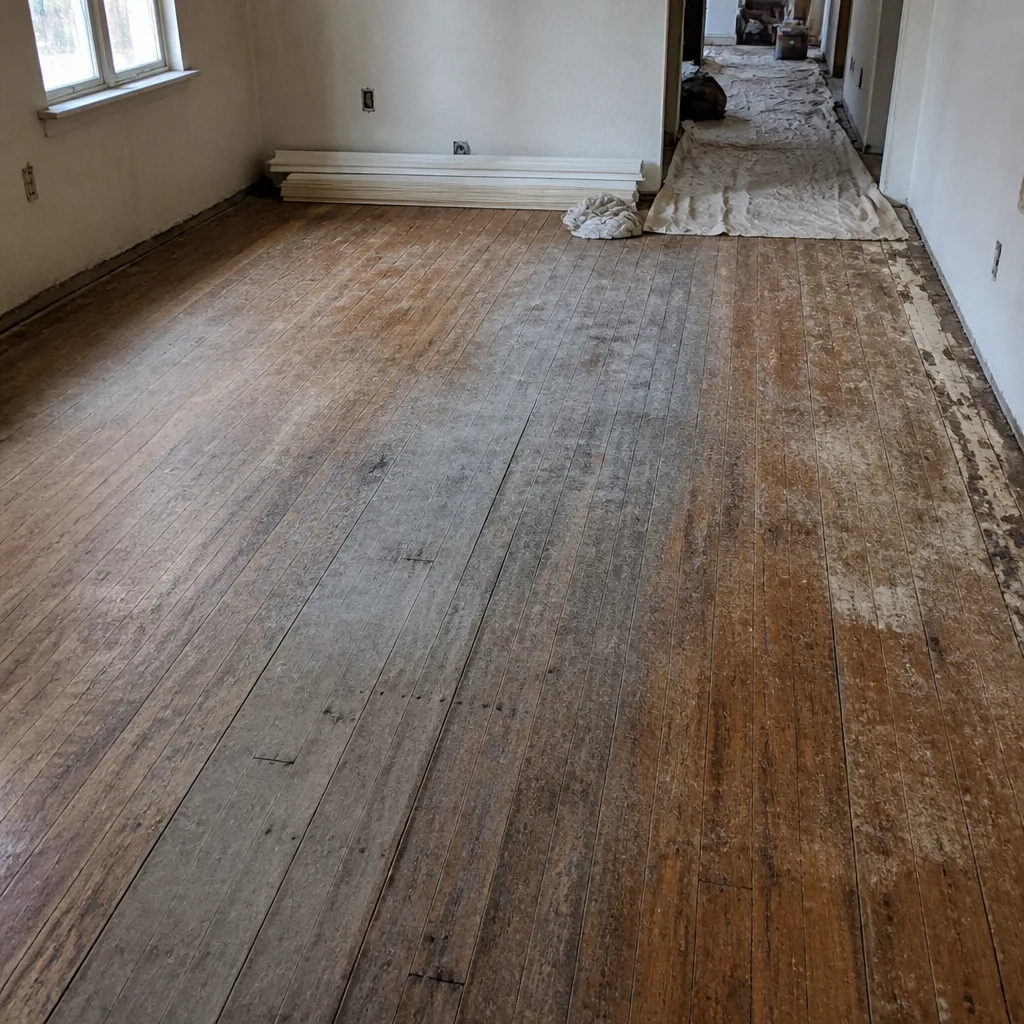 Before
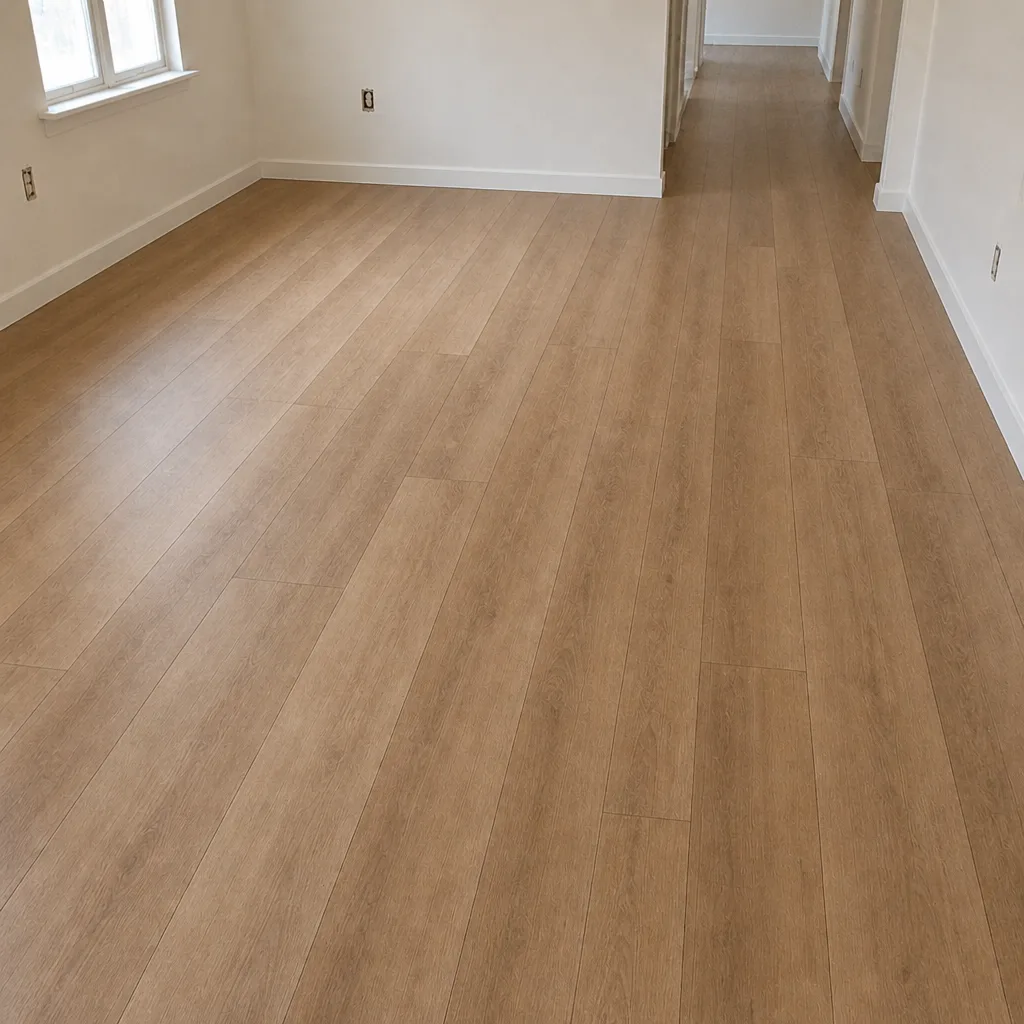 After
When to Call a Professional
Some flooring work can wait. Some can’t. Call a professional when you see gapping, cupping, or buckling that doesn’t settle with the seasons, when tile grout is discoloring or a tile is lifting at a corner, or when a carpet over a slab feels damp or shows a musty smell. Those are the signs that moisture is getting where it shouldn’t, and the fix is an installation issue, not a cosmetic one. Call before you buy, too – if you’re choosing a material for a Whitney home, the free estimate is where you figure out which products fit the climate and which ones will fight it. Whitney Flooring offers free estimates in Whitney – call (833) 620-5226. We answer 24/7. Fast dispatch from 7am to 7pm, Sunday through Friday. Our technicians have up to 12 years of experience, and we install and refinish the floor you choose with one standard across every surface.
Frequently Asked Questions
Engineered hardwood, rigid-core luxury vinyl plank, and porcelain tile are the best performers in Whitney’s high-desert climate because they’re built to handle low humidity and big temperature swings. Solid hardwood is the riskiest choice unless your home holds steady indoor humidity year-round. Call (833) 620-5226 to schedule a free estimate and talk through which material fits your home – estimates are free.
Solid hardwood gaps in winter because indoor relative humidity in a heated Whitney home can drop below 30%, and wood shrinks as it loses moisture. The planks contract slightly and the seams open up. It’s normal wood behavior, but it’s more visible here than in a milder climate. An engineered product with a stable core is the fix if gapping bothers you.
It’s not too dry for engineered hardwood, but it can be too dry for solid hardwood unless you manage indoor humidity. Engineered planks have a cross-layered core that resists the movement that dry air causes. A humidifier in winter helps any wood floor, but engineered is the more forgiving choice in our climate. Call (833) 620-5226 for a free estimate and we’ll walk through the options for your home.
Acclimation time varies by product and home, and the product instructions and the written estimate set the schedule. In Whitney, acclimation takes longer than in a coastal market because the gap between storage conditions and a heated, low-humidity home is bigger. We don’t shortcut it, because a rushed install is where gapping and buckling start.
A slab-on-grade foundation absolutely affects your flooring choice in Whitney because it wicks ground moisture, and that moisture has to be managed with a barrier. Tile needs a proper membrane, LVP needs its adhesive protected, and carpet padding needs a slab-rated barrier underneath. Skipping those steps is why floors lift and grout discolors.
Yes, the Whitney sun can fade your flooring, and it happens faster at elevation because the atmosphere filters less UV light. Hardwood finishes, luxury vinyl, and carpet in direct sun all shift in color over time; tile is the most stable. Window coverings, UV film, and rotating furniture extend a floor’s finish life. Call (833) 620-5226 for a free estimate and we’ll factor sun exposure into the material recommendation.
The Bottom Line
Whitney’s climate is the hidden variable in every flooring decision here. The low winter humidity makes wood move, the slab-on-grade construction brings moisture up from below, the elevation makes UV hit harder, and the acclimation window is longer than it is in coastal markets. The right floor for how you actually live in your home isn’t a style question – it’s a climate question. Match the material to the conditions and install it correctly, and the floor holds up. Match it only to the showroom sample and you’ll be dealing with the consequences next February. Whitney Flooring installs carpet, tile, and refinishes hardwood, with Shaw, Mohawk, COREtec, Pergo, and other leading brands available through one specialist. Call (833) 620-5226 for a free estimate. We answer 24/7. Fast dispatch from 7am to 7pm, Sunday through Friday.
Written by the team at Whitney Flooring.