
Last updated November 18, 2026
 Hardwood
 Engineered hardwood
 Luxury vinyl plank
 Laminate
 Porcelain tile
 Carpet
 Shaw
 Mohawk
 COREtec
 Pergo
Free in-home measure and written estimate: Shaw, Mohawk, COREtec and Pergo lines compared on your own rooms, with carpet, tile, vinyl plank, laminate and hardwood laid out side by side
Get your free estimateFlooring Installation Questions to Ask Before You Sign
Most flooring disputes don’t start with bad workmanship. They start with a contract that defined “installation” differently than the homeowner assumed. The labor is fine, the material was installed, and yet the homeowner is angry because something they expected to be part of the job was quietly listed as an extra, or excluded, or left vague. The signature is where the gap opens. This guide walks through the specific questions that surface those decisions before anyone pulls a nail or opens a box. You’ll learn what to ask about scope, waste, subfloor, warranty, and schedule, and how the answers should look on paper. Whitney Flooring wrote it from the questions we hear at estimate visits.
Quick Answer
The five questions that matter most are: what exactly does “installation” include, who owns the waste material and the leftovers, what triggers a subfloor charge after demo, how do the product and installation warranties interact at a seam, and what does the contract say about schedule delays. Get each answer in writing before you sign. A written estimate from Whitney Flooring sets the final price, and the questions below are how you make sure that written price matches the job you think you’re buying.
Styles & brands we work with
- Hardwood
- Engineered hardwood
- Luxury vinyl plank
- Laminate
- Porcelain tile
- Carpet
- Shaw
- Mohawk
- COREtec
- Pergo
Table of Contents
- What exactly does “installation” include in the contract?
- Who owns the waste factor and the leftover material?
- What triggers a subfloor charge after demo starts?
- How do the product warranty and the installation warranty interact?
- What does the schedule depend on, and what happens if it slips?
- How is a mixed-floor home priced and scheduled?
- When should you ask about refinishing instead of replacing?
- What should the payment terms and change-order process look like?
What exactly does “installation” include in the contract?
“Installation” is the single most elastic word in a flooring contract. To one company it means labor only, with the homeowner responsible for moving furniture, pulling old flooring, and hauling it away. To another it means the floor is installed and everything else is a line item. Neither approach is dishonest. The problem is a homeowner who assumed one and signed the other.
Ask the estimator to walk the room with you and define each of these on paper:
- Furniture moving. Is it included, and to what extent? A sofa may be in scope while a piano, a built-in bookcase, or a waterbed is not. Ask where furniture goes during the work and who returns it.
- Demo and removal. Who pulls up the existing floor? If it’s carpet, tack strip and staples are part of the job and easy to underestimate. If it’s tile, demo is slow and the question of who does it changes the labor significantly.
- Disposal. Old flooring, underlayment, and packaging all leave the house as debris. Ask whether haul-away is included, and if a dumpster is on site or in the driveway, who arranges it.
- Transitions and trim. The thresholds, stair nosings, t-moldings, and base shoe are where scope gaps show up most often. Get the number of transitions in writing.
- Baseboards and door undercut. Is the base removed and reinstalled, or left in place? Are doors taken off or trimmed? This is easy to overlook and hard to fix after the fact.
- Toilet and appliance pulls. In a bathroom or kitchen, the toilet and appliances may need to come out and go back. Ask whether that’s in the labor line or on you.
At Whitney Flooring we write the scope into the estimate, because the estimate is the document that sets the final price. If a line isn’t there, assume it isn’t included until someone puts it there in writing.
Who owns the waste factor and the leftover material?
Every flooring job consumes more material than the square footage of the room. Cuts, angles, damaged pieces, pattern match, and the shape of the space all create waste. The question is who decides how much to order and who ends up paying for the extra.
Ask these three things directly:
- What waste factor are we using, and why? A straight-lay carpet room in a simple rectangle needs a different allowance than a diagonal tile layout or a hardwood job with a lot of doorways. The estimator should be able to tell you how they arrived at the number.
- Who owns the leftover material? If there is a partial box, roll, or bundle left when the crew leaves, does it stay with you or go back? Leftover material is your only future repair stock for the same dye lot, so you generally want it kept. Ask where it will be stored and whether the contract says so.
- What happens if the dye lot runs short? This is the question most homeowners never think to ask. Carpet, tile, and even hardwood can have shade variation between production runs. If a job needs more material than was ordered, the replacement may not match. Establish in writing who is responsible for reordering, whether an exact match is guaranteed, and what the process is if the match can’t be found. On carpet and tile in particular, order the extra up front rather than hoping the next run matches.
Brands like Shaw and Mohawk ship in dye lots, and the run number on the label exists for a reason. COREtec and Pergo planks are more forgiving of variation, but that doesn’t eliminate the question. Who selects the waste factor, who orders the material, and who keeps the leftovers should all be answered in the estimate.
What triggers a subfloor charge after demo starts?
The subfloor is where contracts get rewritten after the fact. On estimate day, the estimator sees the finished floor. Underneath it may be flat plywood, a patchy layer of thin-set, a sagging joist, or old adhesive that will fight every plank. Nobody knows until demo happens. Good contracts say so up front and define what happens next.
Ask the estimator to answer these questions before you sign:
- How much subfloor prep is included? There’s usually a baseline allowance for standard prep. Ask what that allowance covers and what exceeds it.
- Who determines when a subfloor is flat enough? Flooring has flatness requirements, and they depend on the product. Ask how the crew will check and who makes the final call. The answer should be a measurement, not an opinion.
- What conditions trigger an additional charge? Missing or rotted subfloor, moisture issues, high spots that need grinding, low spots that need filler, old adhesive, and leftover staples all show up on the list. Ask which of these are in scope, which are billed as an add, and at what rate.
- What is the process for approving that charge? The pattern to insist on is simple: work stops, the crew documents the condition with photos and a measurement, the office calls you with a price and an explanation, and you approve it in writing before work continues. Nothing gets done “and billed later.”
This is the single most common source of post-signature friction in flooring. A written estimate can’t predict what’s under the floor, but it can specify the process. Ask for that process in writing. Whitney Flooring uses this stop-and-confirm approach so you’re never surprised by a change order after demo.
How do the product warranty and the installation warranty interact?
Two warranties cover every flooring job. One comes from the manufacturer and covers the material. The other comes from the installer and covers the labor. They overlap on the day of install and separate the moment something goes wrong. The seam between them is where the finger-pointing begins.
Ask these questions in the order they matter:
- What does the installation warranty cover, and for how long? Get the term and the scope in writing. Labor warranties typically cover workmanship issues like lifting planks, gapping seams, or loose carpet edges. Ask what does and does not count as a workmanship issue.
- What does the product warranty cover, and who registers it? The manufacturer covers the material, but the registration is often on the homeowner, not the installer. Confirm who submits the registration and when, and ask for a copy of the warranty document rather than a verbal summary.
- If a failure happens at the seam, who’s responsible? A lifted plank could be a manufacturing defect or an installation issue. A failed tile could be bad material or an unflat subfloor. Ask who decides in that case and what the process looks like for the homeowner.
- Does the warranty transfer if you sell the home? Some product warranties transfer, some do not, and the terms matter when you sell. Ask whether the installer’s labor warranty transfers, and note the answer.
- Is the warranty voided by anything in the contract? Common void triggers are moisture, an unaddressed subfloor issue, or a homeowner choosing not to follow maintenance instructions. Read the warranty alongside the contract, not separately.
You can’t get a warranty summary from us that we don’t have from the manufacturer. What we can do is install the floor to the product’s instructions and hand you the paperwork at the end of the job. Ask for that handoff in writing. Whitney Flooring uses products from Mohawk, COREtec, and Pergo, and each brand warrants differently, so the installer’s job is to know the difference and to leave you with the documents.
What does the schedule depend on, and what happens if it slips?
Flooring schedules slip, and almost never because of the flooring crew alone. Material lead times, weather, permit inspections where they apply, and homeowner decisions all affect the day the install starts. The contract should say who owns what part of the delay and what recourse you have if things go sideways.
Ask these questions up front:
- What does the material lead time actually look like? Some products are in stock, some ship from a regional warehouse, and some are long-lead. Ask for an estimated window in writing, and ask whether the install day is held tentatively until material is confirmed on site.
- What are you responsible for before install day? Usually: removing breakables, clearing the room to the agreed level, arranging for pets, deciding on paint or other trades that need to happen first, and any structural decision like a door undercut. Get this list in writing so it’s clear what causes a delay on your side.
- What does the contract say about access? Will the crew need the garage, a parking spot, a working outlet, a bathroom, and a clear path into the room? Small details, but they cause delays when they aren’t agreed.
- What happens if the install date moves? Ask for the communication process, not just a promise. Who calls, how far in advance, and what the new date looks like. Get the answer in writing.
- What if something fails at the inspection stage? In jurisdictions that require a permit for structural subfloor work or certain installations, an inspection result can shift the schedule. Ask what the process is if that happens.
The right answer to most of these isn’t “it won’t happen.” The right answer is a specific process. A written estimate that names the process is worth more than a promise that can’t be enforced. We schedule installs around the estimate visit, not the other way around.
How is a mixed-floor home priced and scheduled?
Most homes aren’t one material. Carpet in the bedrooms, tile in the bathrooms, hardwood in the halls, and a waterproof-entry product in the kitchen or basement. A mixed-floor home raises contract questions that a single-room job never does.
Ask these:
- Is the whole home on one schedule or several? A single-source specialist can coordinate the materials and the crews under one installation standard. Ask if the contract treats the home as one project or several disconnected jobs, and how the sequencing works.
- Which rooms are which materials, and who chose? Get the material assignment written room by room. If the plan changes mid-project – for example, the hallway material swaps – ask what that does to the schedule and to the price.
- Where do the transition strips go? Mixed floors meet in doorways, and every threshold is a place where one material must stop and another must start. Ask who owns the transition details and the finished look.
- What happens if one material is delayed? If the tile is late but the carpet is on site, can the schedule split? Ask before the crew is booked, not after.
Whitney Flooring handles carpet, tile, and hardwood under one installation standard, which is a difference from hiring three separate trades. That’s part of why we ask the mixed-floor questions on the estimate visit. carpet installation and tile flooring installation can be scheduled on the same project, and every transition gets its own line in the estimate.
When should you ask about refinishing instead of replacing?
If the home already has hardwood, the right question isn’t always “what are we replacing it with.” It’s “can we refinish what’s there.” Refinishing preserves original character, restores a floor that has years of wear left, and is usually the first thing to ask about before pricing new material. Not every floor can be refinished – it depends on the thickness of the wood and its condition, checked at the estimate visit – but that check should happen before a replacement price is ever presented.
Ask these questions if refinishing is a possibility:
- Can this floor be sanded again? The answer depends on the thickness of the wood and its condition. Ask the estimator to check it at the estimate, not over the phone.
- What finish are we talking about, and will it match the sample? A stain on a sample board and a stain on a floor can read differently. Ask for a sample on site and for realistic expectations about matching, not a promise.
- How does the refinished price compare to the replacement price? Ask for both, in writing, so you’re comparing the same scope. The case for refinishing gets clearer when the two prices sit side by side.
- Is a repair needed first? Loose boards, gapping, and old patches may need to be addressed before sanding. Ask what happens to those issues and whether they’re in the refinish price.
Whitney Flooring treats refinishing as a core service rather than a fallback. When the floor can be restored, restoring it is often the better answer for the budget and the home.
What should the payment terms and change-order process look like?
Payment terms and change orders are where a good job quietly becomes a bad contract. The deposit, the milestone schedule, and the process for approving an increase all belong in the document before the crew books.
Ask these questions at the estimate:
- How are payments structured? Ask for the deposit amount, what triggers the next payment, and what the final payment requires. The final payment should require your sign-off on the finished work, not the crew’s departure.
- What is the change-order process? When something changes – material swap, subfloor repair, added room – the change should be documented, priced, and signed before work continues. Ask for that in writing.
- Is the estimate free, and does it set the final price? The estimate is free. It should also set the number in the contract, not a “starting from” figure subject to renegotiation. Read the estimate carefully; if the price is a range, ask what makes it land at the top.
- What does the contract say about the schedule you’re signing to? The install date should be backed by the material’s confirmed lead time, not a guess.
- What is in writing vs. verbal? The rule is simple: if it matters, it’s in the document. Addendums, emails confirming scope, and the estimate itself all count as evidence. Settle any ambiguity before the signature.
Common Mistakes to Avoid
- Signing on the room dimension, not on the scope. Square footage is the smallest part of a flooring contract. The scope of labor – demo, disposal, transitions, baseboards, appliance pulls – is where most of the risk sits. Ask for it line by line.
- Assuming the waste factor is the standard number. Diagonal layouts, complex room shapes, and patterned installations need more material than the simple square footage suggests. Ask how the estimator got the number.
- Forgetting to ask who keeps the leftover material. Leftover planks and carpet rolls are your future repair stock for the same dye lot. Ask where they go before the crew leaves, and get it in writing.
- Accepting a verbal subfloor process. The subfloor question will come up after demo. The right time to know the process is before you sign. A verbal “we’ll handle it” doesn’t count.
- Reading the product warranty without the installation warranty. The two documents only make sense next to each other. Ask for both before you buy.
- Signing without a schedule-slip process. The install date will shift at some point, and the question is whether you have a process or a promise. Ask which.
- Ignoring the refinish question on existing hardwood. If the home has wood, ask whether it can be sanded before you ever price replacement. The answer matters more than which new floor looks better on a sample.
See the difference
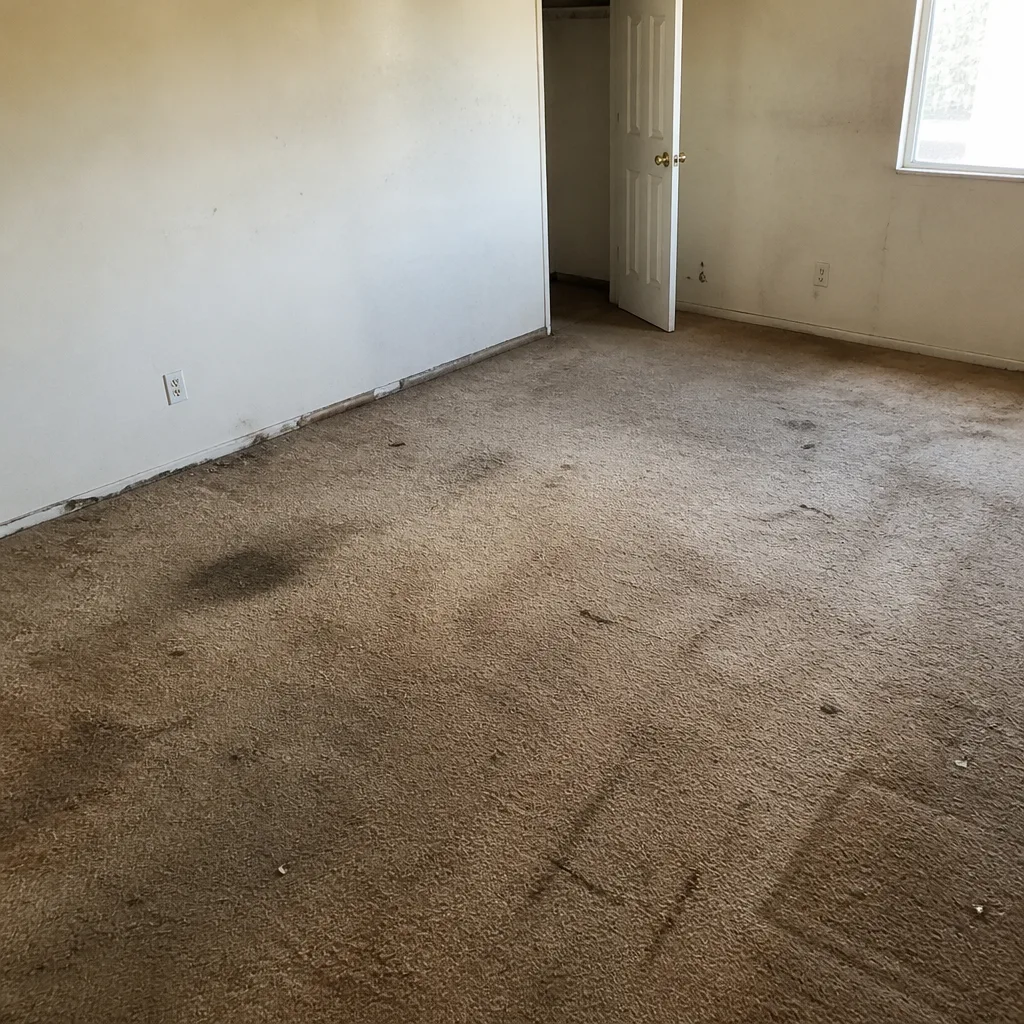 Before
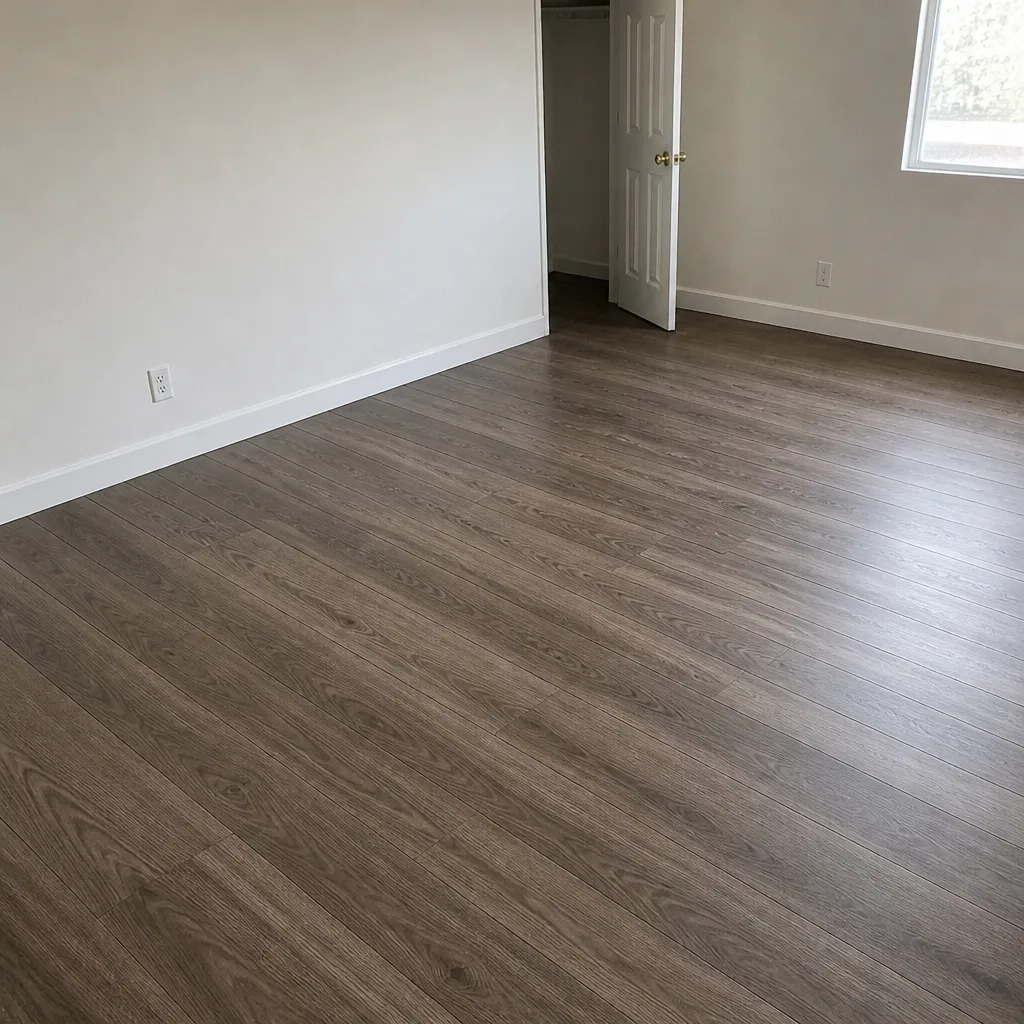 After
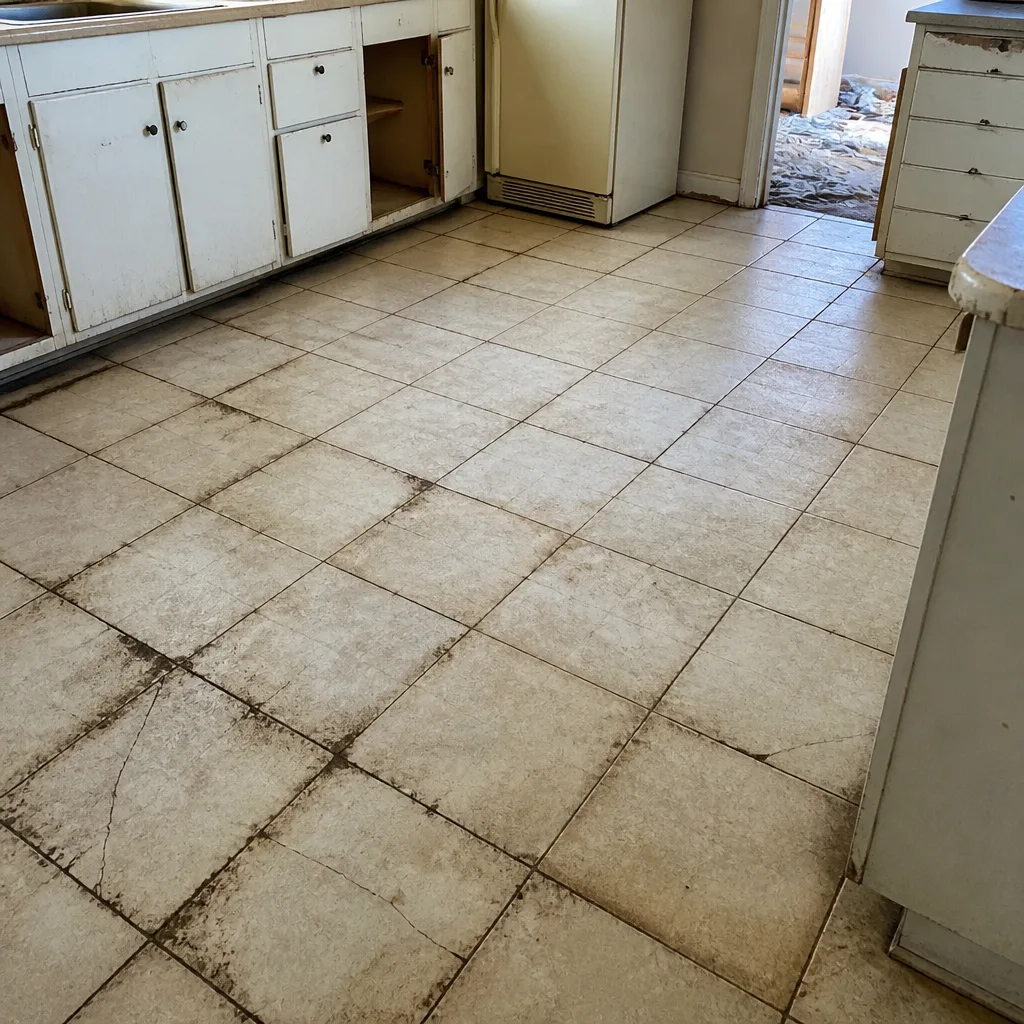 Before
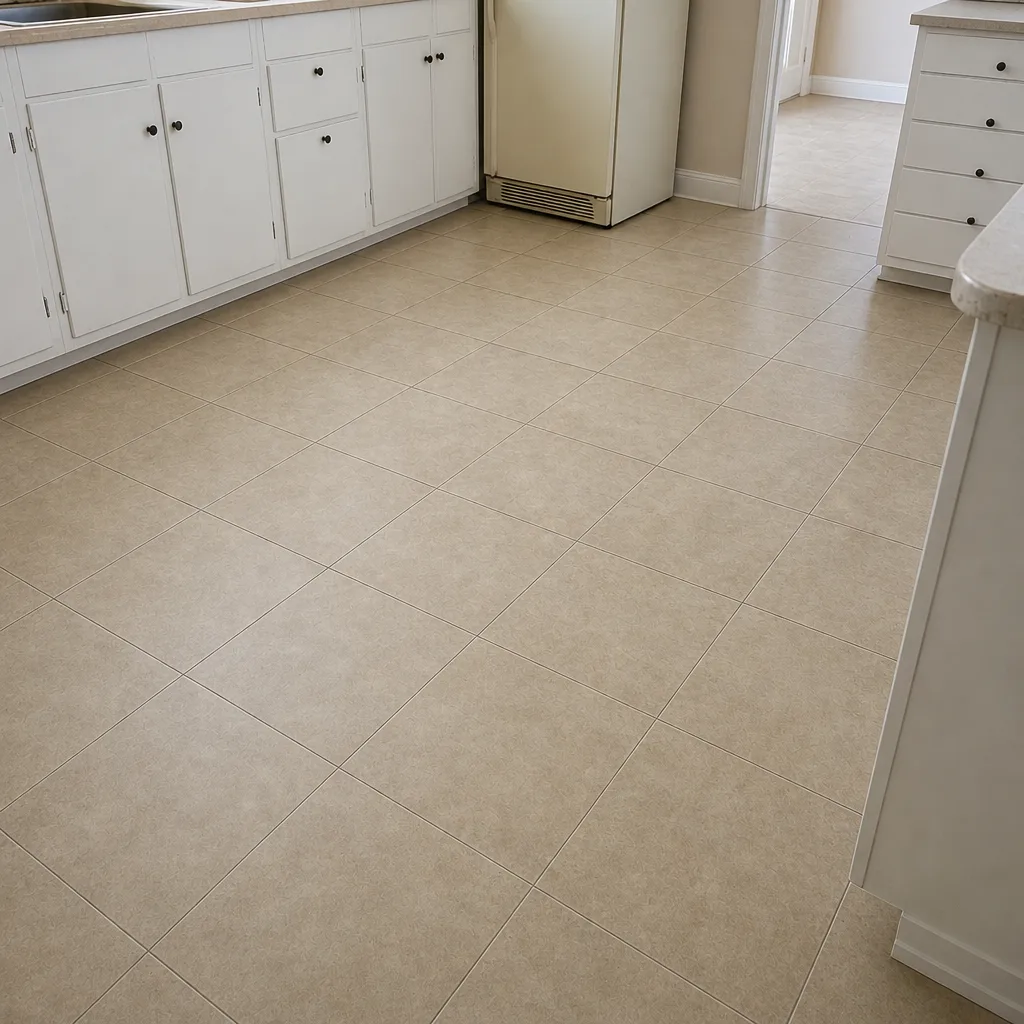 After
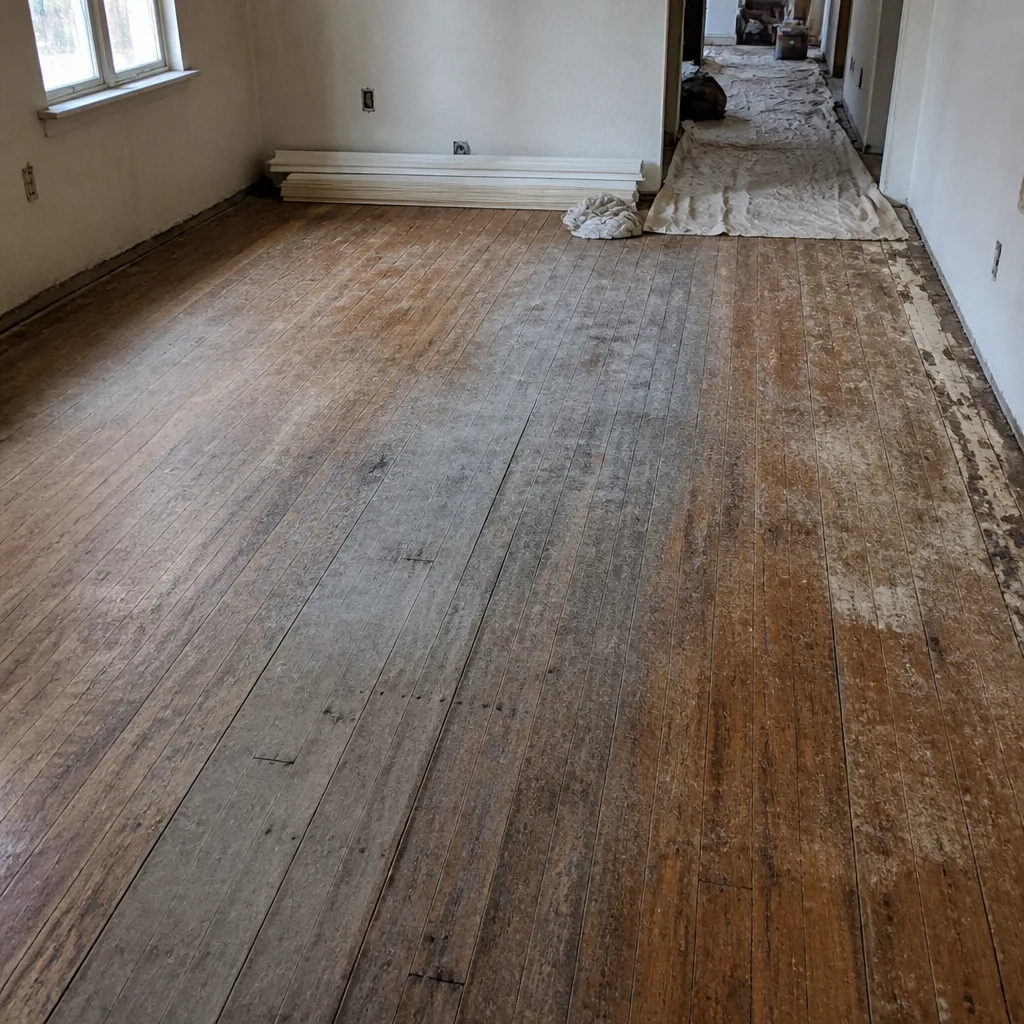 Before
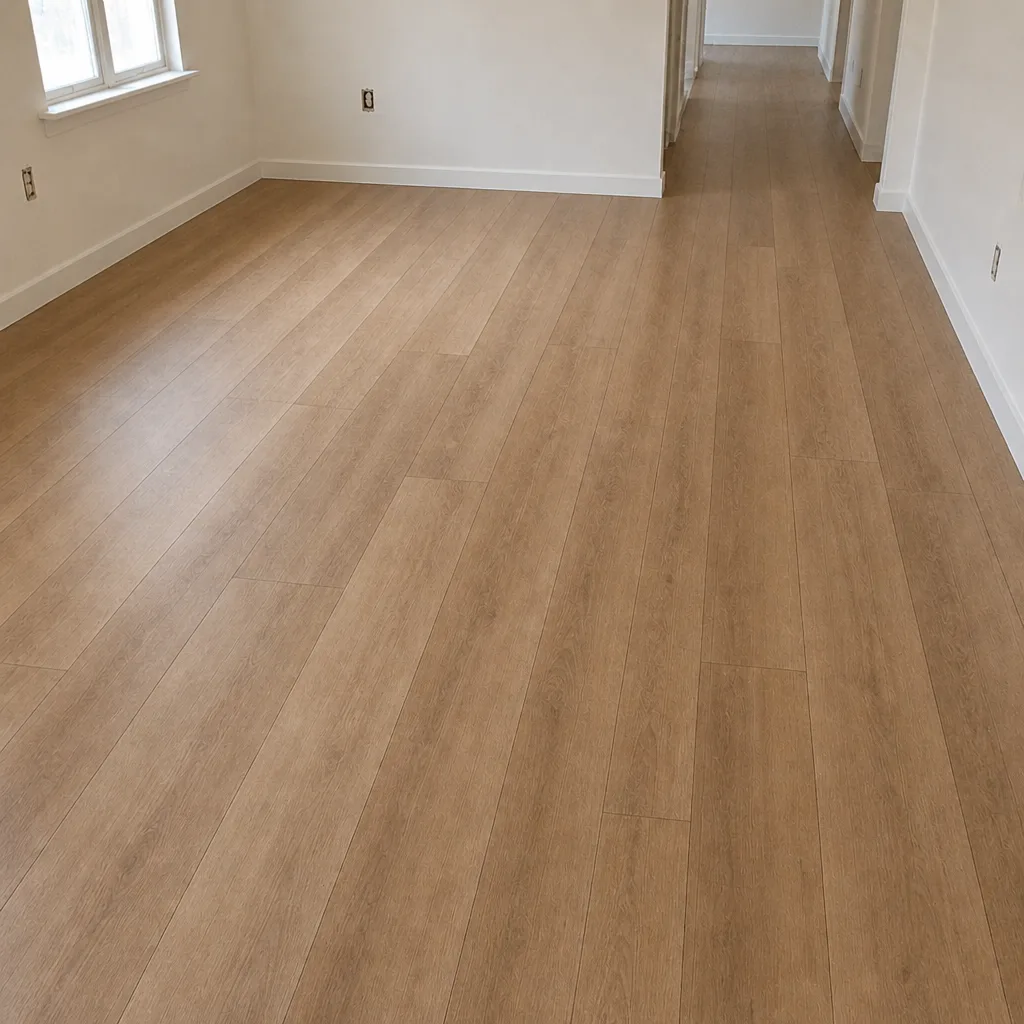 After
When to Call a Professional
Some questions have to be answered on site. Whether the subfloor is flat enough, whether the existing hardwood can be sanded again, whether the room layout calls for a different waste factor – none of those can be answered over the phone. That’s why the estimate visit is the right time to ask every question in this guide. A professional estimator will walk the room, check the subfloor, look at the existing floor, and answer the scope questions on the spot. Bring this guide to the visit and take notes. Whitney Flooring offers free estimates in Whitney. Call (833) 620-5226. We answer 24/7. Fast dispatch from 7am to 7pm, Sunday through Friday. The written estimate is what sets the final price, which is why it’s worth getting every answer into writing before you sign.
Frequently Asked Questions
Yes. The estimate visit is free and there’s no obligation to book. The estimator walks the room, checks the subfloor, discusses materials, and presents a written estimate. The written estimate sets the final price for the job. Call (833) 620-5226 to schedule your free estimate.
Installation length is set at the estimate, not promised in an ad. It depends on the material, the room count, the subfloor condition, and the transitions. A single-room carpet job is usually a shorter booking than a whole-home mixed-floor project, but the exact length is written into the estimate. Ask at the estimate visit and confirm it on the contract.
Ask three things: how much prep is included, who determines when the subfloor is flat enough, and what conditions trigger an extra charge after demo. The right process is stop, document, and approve in writing before work continues. Get that process written into the estimate. Call (833) 620-5226 to set up the free estimate and ask the estimator directly.
You generally should. Leftover material is the only stock you’ll have for future repairs using the same dye lot, especially on carpet and tile. Ask what happens to the partial box or roll when the crew leaves, and get the answer in writing before you sign. If there isn’t enough to repair with, ask whether extra should be ordered up front.
Refinishing existing hardwood is often the more cost-conscious path, but the answer depends on the thickness of the wood and its condition, checked at the estimate visit. Not every floor can be sanded again. Whitney Flooring offers both, and the estimate can present refinishing alongside a replacement price so you’re comparing the same scope. Call (833) 620-5226 for the estimate.
We’re closed Saturday. Our installs are booked Sunday through Friday, 7am to 7pm, and the schedule is set at the estimate. If your availability is tight, tell the estimator before the install date is booked so the calendar can be arranged around your schedule. Call (833) 620-5226. We answer 24/7. Fast dispatch from 7am to 7pm, Sunday through Friday.
Yes. Whitney Flooring handles carpet, tile, and hardwood under one installation standard, which is useful on a mixed-floor home. The estimate covers all the materials and all the transitions in one document. If you’re using carpet installation in the bedrooms and tile in the bathrooms, ask for the mixed-floor schedule at the estimate visit.
Whitney Flooring supplies and installs products from nine brands: Shaw, Mohawk, COREtec, Pergo, LifeProof, Mannington, Armstrong, Daltile, and Karndean. Brand choice affects waste factors, lead times, and warranty terms, so ask about those differences at the estimate. Every brand in that list is part of the estimate conversation, not an upsell. Call (833) 620-5226 to schedule a free estimate.
The Bottom Line
The questions in this guide exist to close the gap between what you think you’re buying and what the contract actually says. Scope, waste, subfloor, warranty, schedule, refinishing, and payment all belong in writing before work starts. If a question isn’t answered on paper, it isn’t answered. Whitney Flooring writes the answers into the estimate because the estimate is the document that sets the final price. Read carefully, ask directly, and don’t sign until the scope matches the job in your head. That’s how you get the floor you actually planned for, in Whitney or anywhere nearby. If you want the process explained in person, the team at Whitney Flooring is the group to call.
Call (833) 620-5226 for a free estimate. We answer 24/7. Fast dispatch from 7am to 7pm, Sunday through Friday. Our technicians have up to 12 years of experience, and the written estimate sets the final price.
Written by the team at Whitney Flooring.