
Last updated November 18, 2026
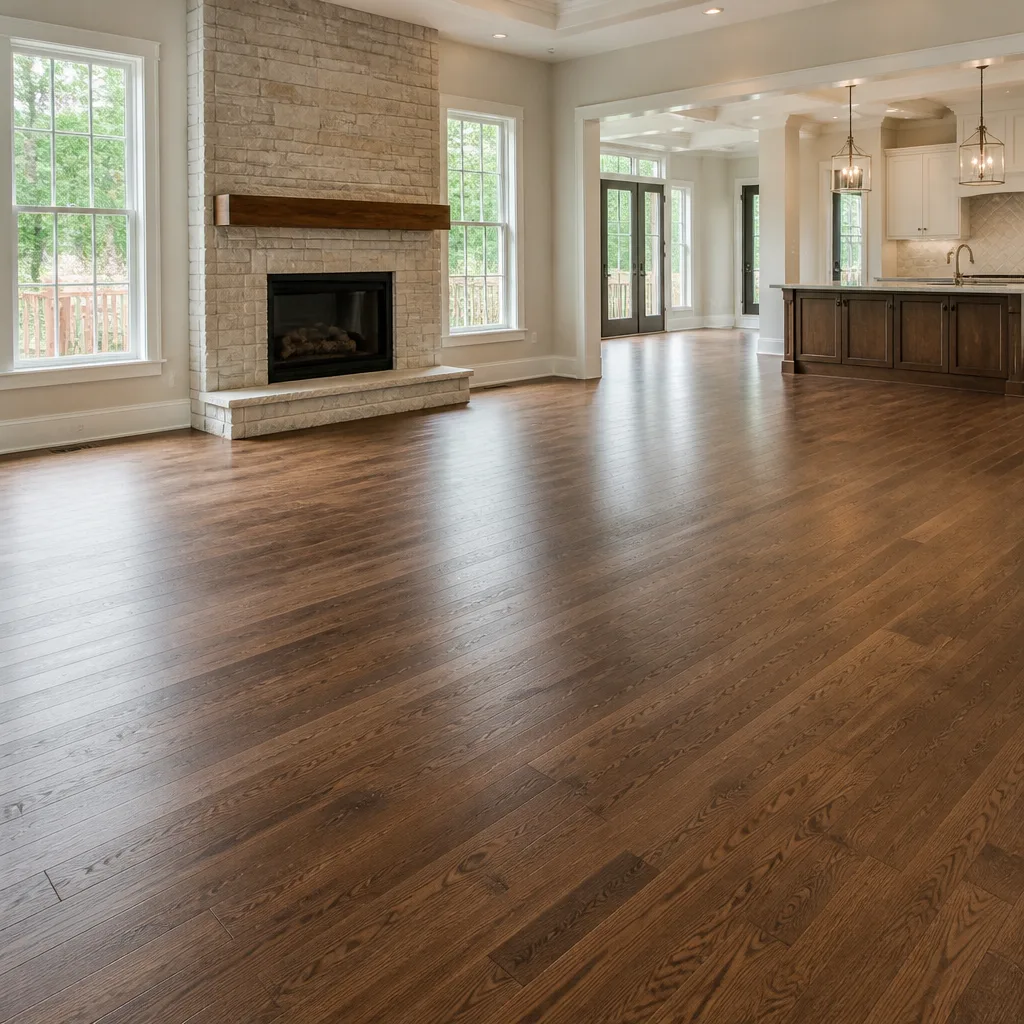 Hardwood
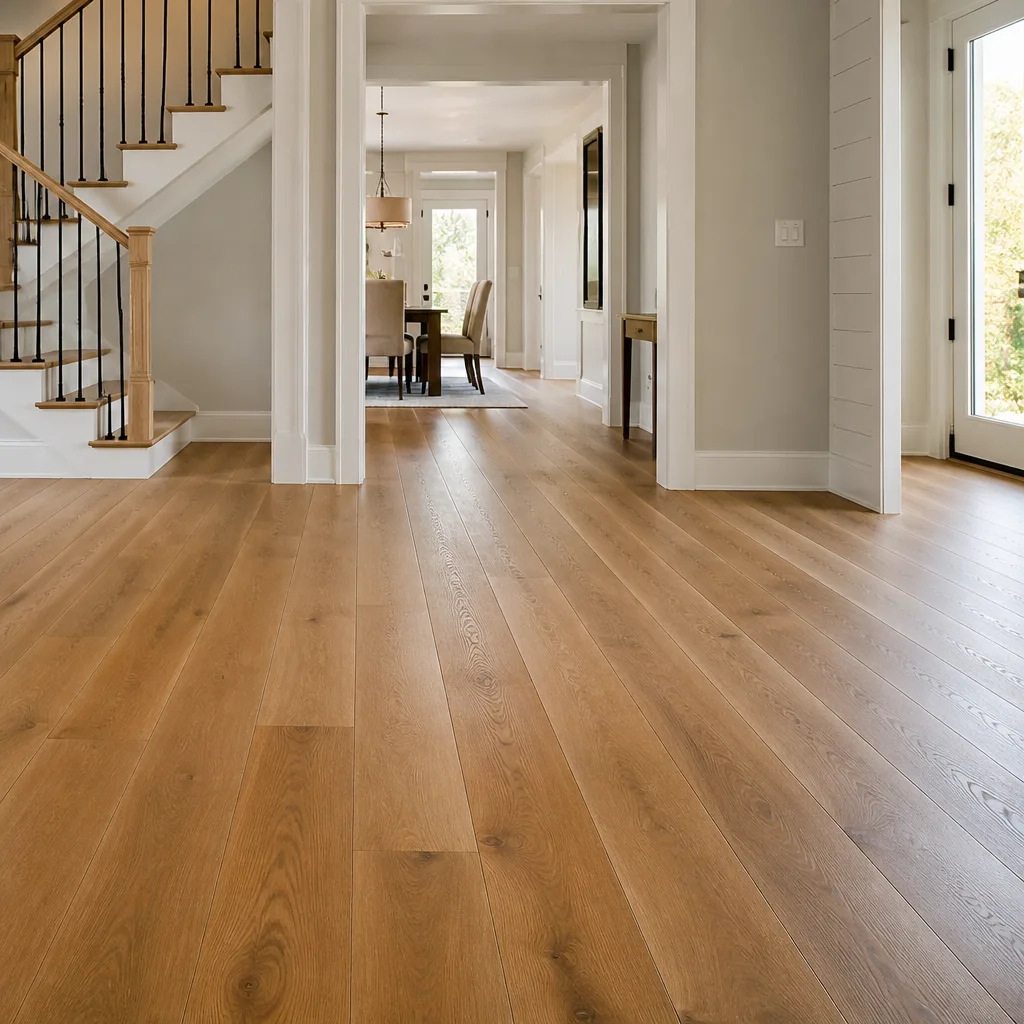 Engineered hardwood
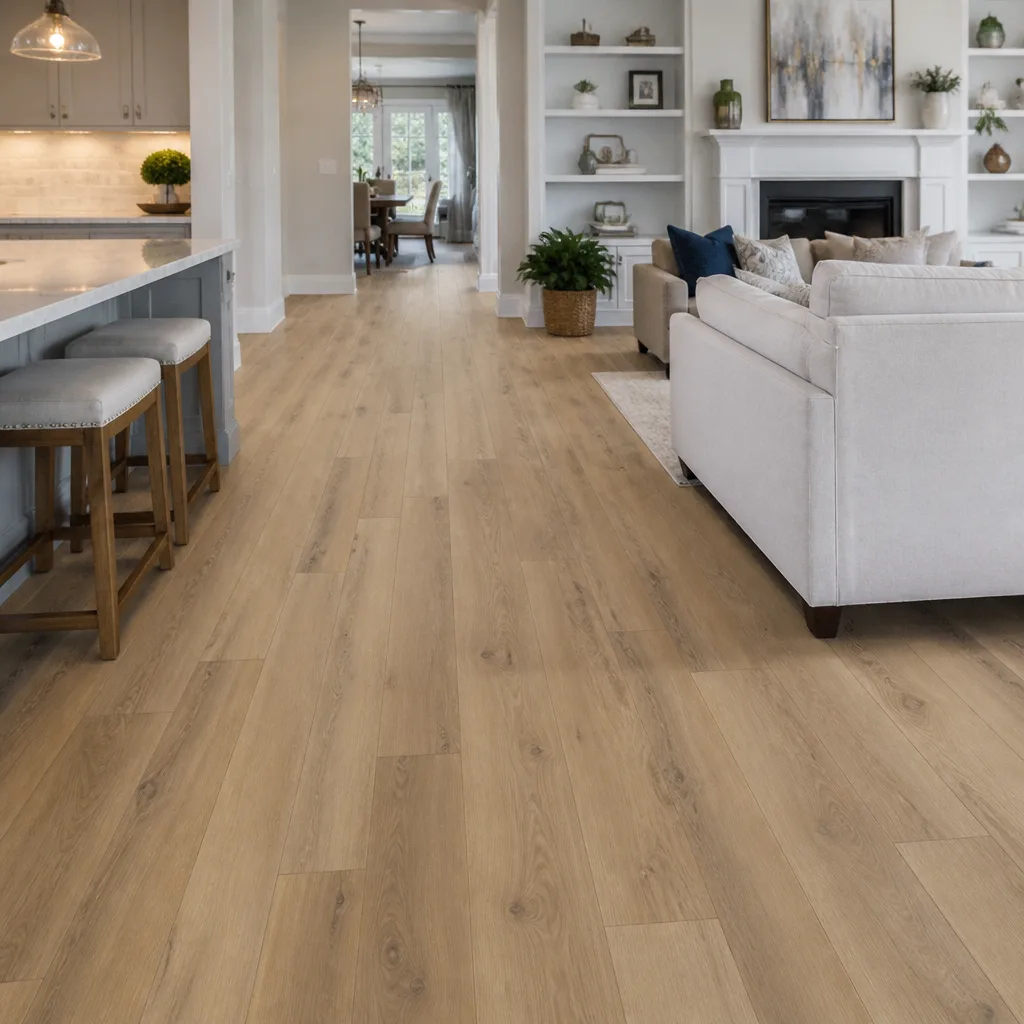 Luxury vinyl plank
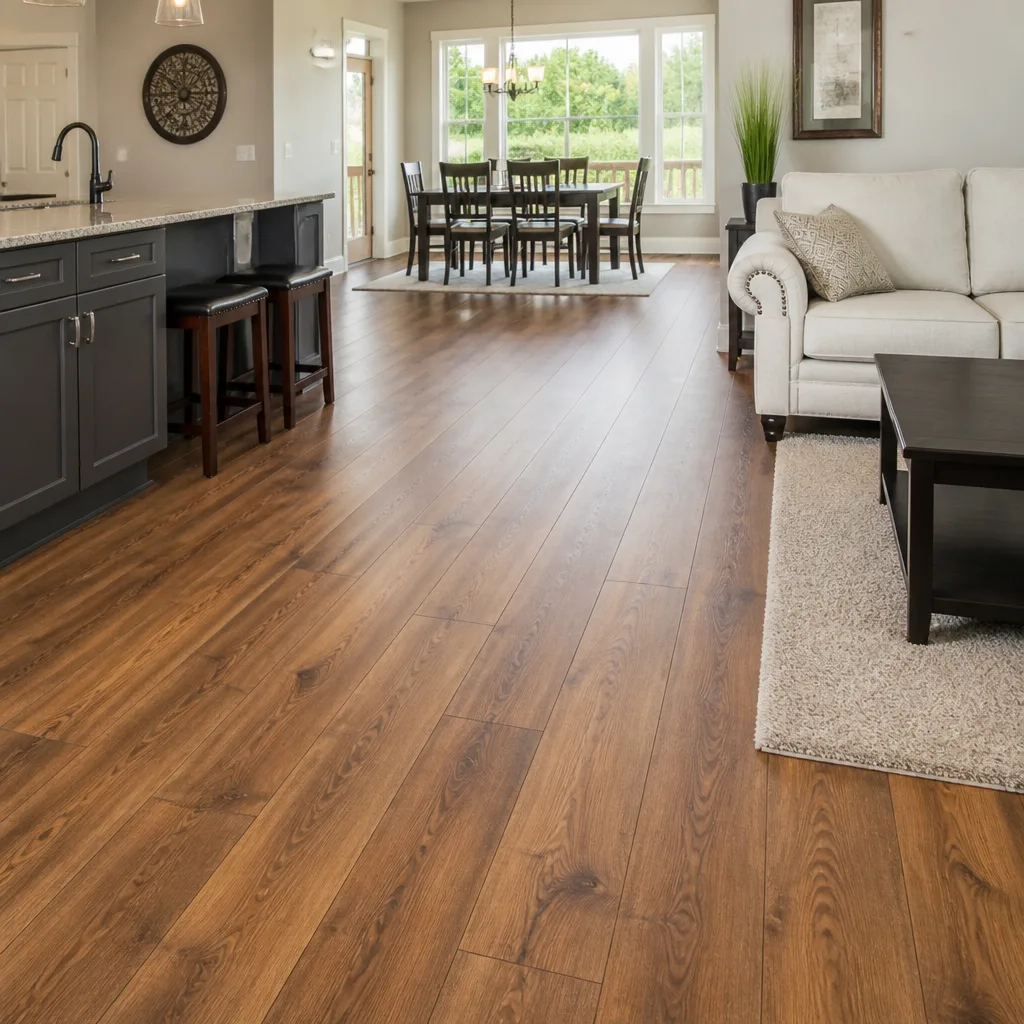 Laminate
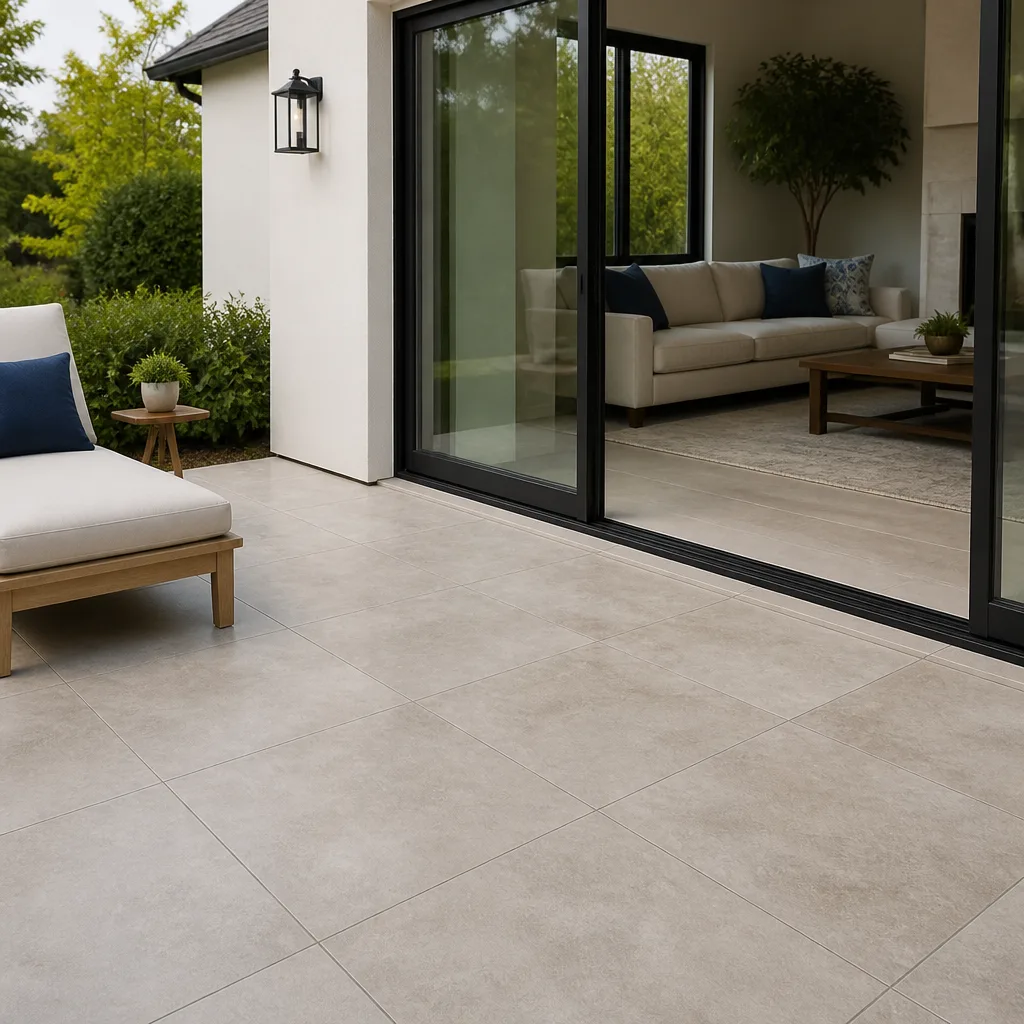 Porcelain tile
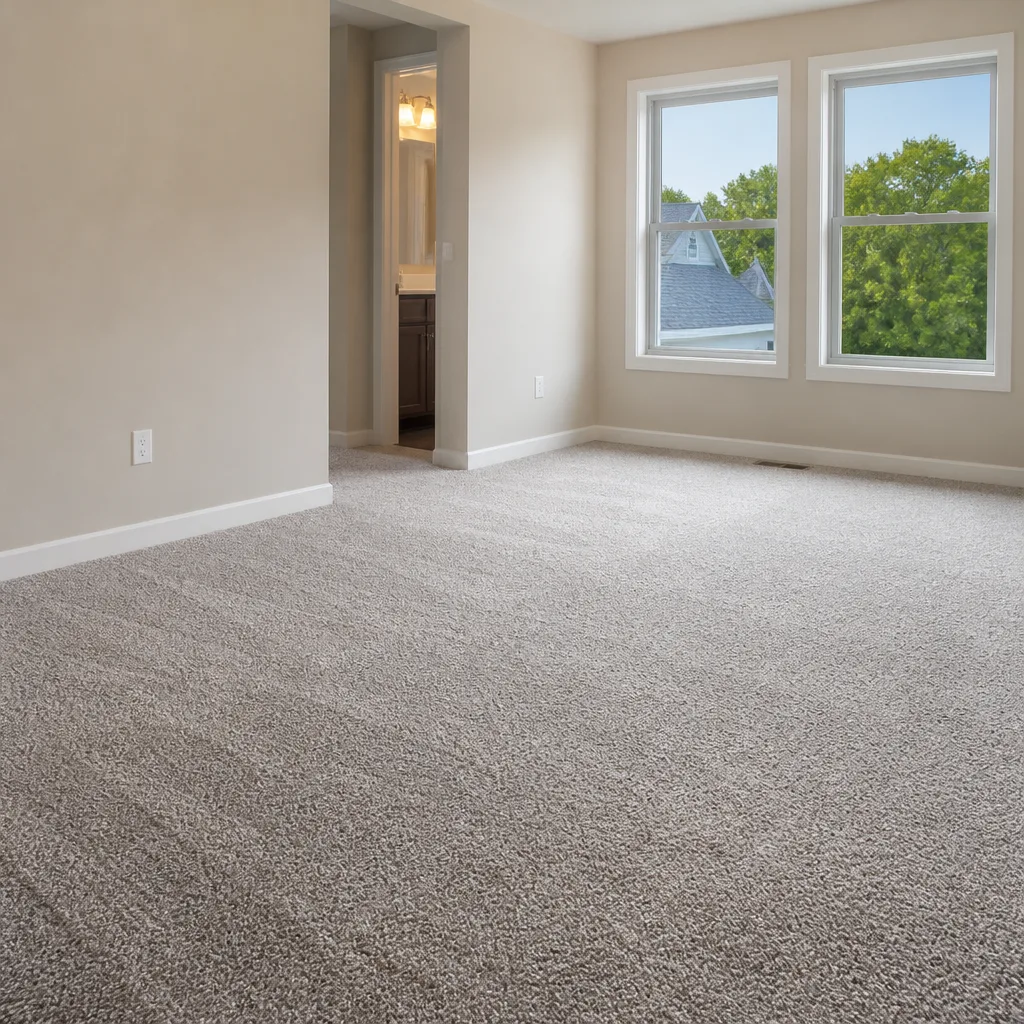 Carpet
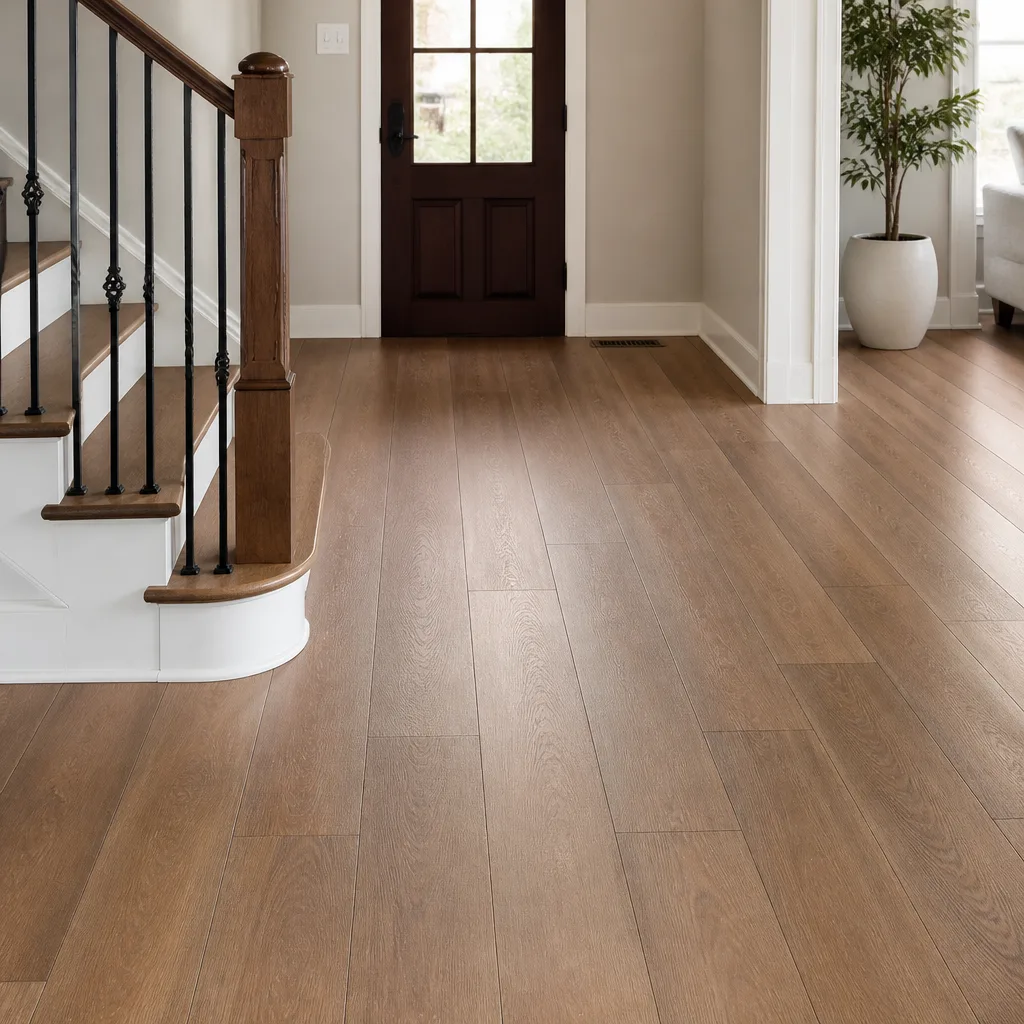 Shaw
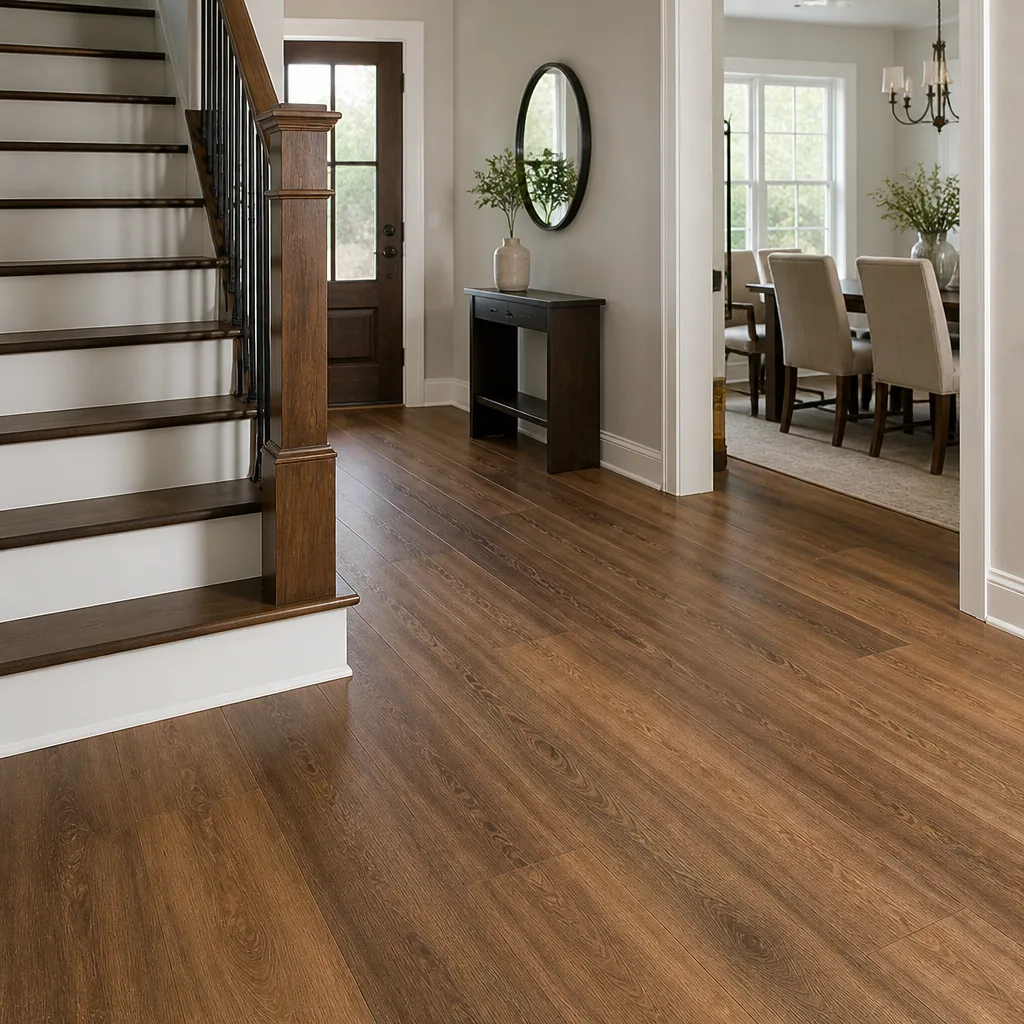 Mohawk
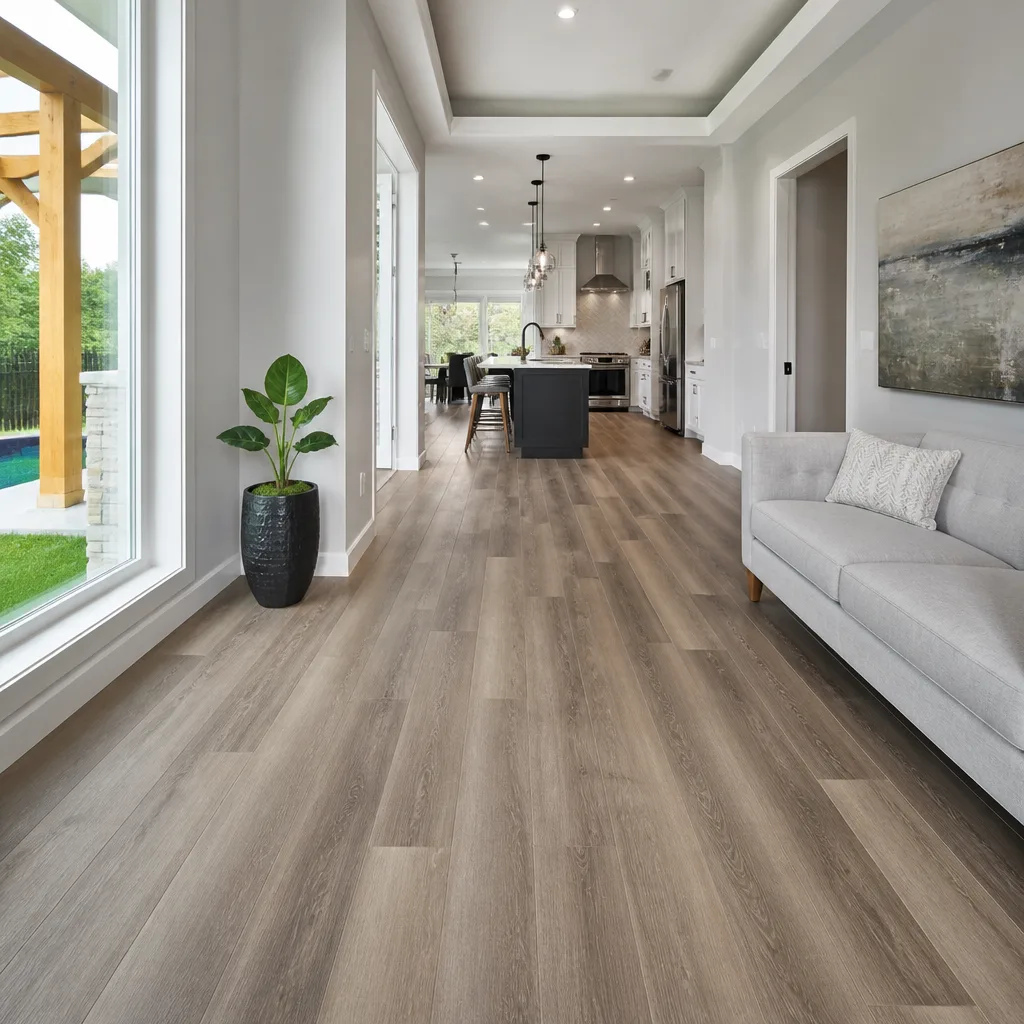 COREtec
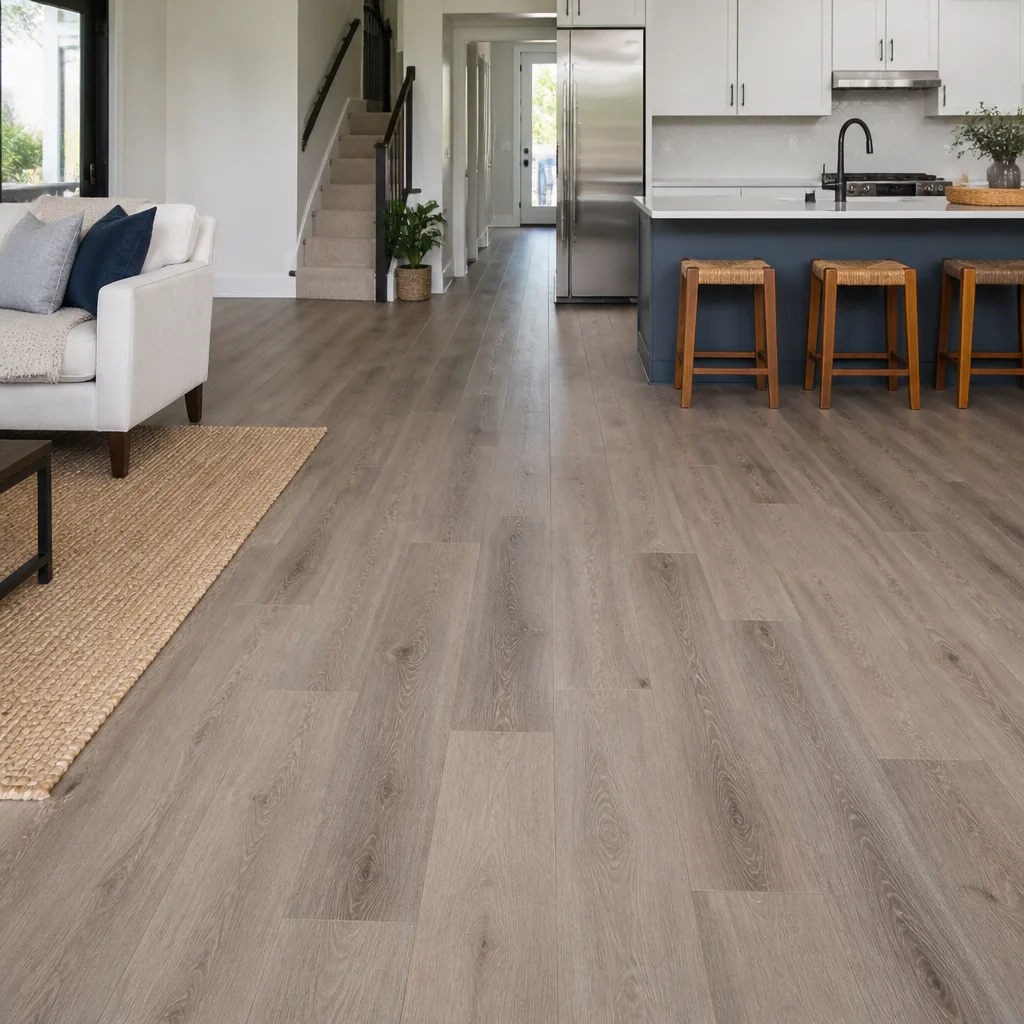 Pergo
Free in-home measure and written estimate: Shaw, Mohawk, COREtec and Pergo lines compared on your own rooms, with carpet, tile, vinyl plank, laminate and hardwood laid out side by side
Get your free estimateFlooring Cost Breakdown: The Whitney Homeowner’s Reference for 2026
The advertised $3 per square foot flooring price is real. The finished job in an average Whitney home rarely costs what that number implies. That gap between the sticker and the invoice is what this guide is about. Most flooring cost pages give you a price per square foot and stop, which leaves you unprepared for the subfloor repairs, the furniture moving, the old-floor tear-out and the trim work that land on the same bill. We’re going to walk through the whole cost structure, line by line, so you can read a quote and know what’s in it. Whitney Flooring installs carpet, tile and hardwood across the valley, and we’d rather you understood the numbers before you booked anything.
Quick Answer
Flooring installation in Whitney typically runs from roughly $2 to $4 per square foot for carpet, $4 to $9 for tile, and $6 to $12 for solid hardwood, with luxury vinyl plank and laminate falling in between at about $3 to $7. Installation labor, subfloor preparation, tear-out and disposal, transitions and trim are usually billed separately, which is why two rooms of the same size can produce very different final invoices. The written estimate from a free in-home measure is the number that actually sets your price.
Styles & brands we work with
- Hardwood
- Engineered hardwood
- Luxury vinyl plank
- Laminate
- Porcelain tile
- Carpet
- Shaw
- Mohawk
- COREtec
- Pergo
Table of Contents
- What is the real cost structure of a flooring job?
- Why do two identical rooms cost different amounts?
- How does material grade affect long-term cost?
- What does each flooring type cost in Whitney?
- What does a typical Whitney-sized room cost?
- How do you tell a competitive quote from a low-ball?
- What happens on install day?
- How does the Whitney climate and housing stock affect cost?
What is the real cost structure of a flooring job?
A flooring invoice is never one line item. It’s five or six, and knowing what they are is the difference between comparing quotes fairly and comparing apples to nothing. Here’s what normally shows up on a Whitney estimate.
- Material – the flooring itself, priced per square foot plus a waste allowance for cuts and pattern matching. Carpet, tile and hardwood each price very differently.
- Labor – installation time. Tile is the slowest per square foot and usually costs the most in labor; carpet is the fastest.
- Subfloor preparation – leveling, patching, grinding high spots, or replacing damaged sections of subfloor. This is the line most low quotes leave out.
- Demo and disposal – ripping out the old floor and hauling it away. Carpet comes up fast; tile and glued-down hardwood are slow, dusty work.
- Transitions and trim – thresholds between rooms, baseboard removal and reinstallation, shoe molding, stair nose pieces.
- Furniture moving – not always included. Ask before you assume.
In our experience, the jobs that surprise homeowners are almost never about material cost. They’re about the prep and demo lines they didn’t know existed. Ask for each of these broken out separately when you get a quote. A written estimate that lists them lets you see where a difference between two bids actually comes from. Whitney Flooring provides free estimates with these categories itemized so you can compare.
Why do two identical rooms cost different amounts?
Two 12-by-15 rooms in the same neighborhood, same carpet choice, can produce invoices hundreds of dollars apart. The difference lives under the floor and around the edges.
- The existing floor type. Pulling up carpet is quick and cheap. Pulling up tile means chipping, dust control and disposal weight. Pulling up glued-down hardwood is slower still.
- Subfloor condition. Older Whitney homes can have uneven, squeaking or moisture-affected subfloors. A floor that needs leveling, patching or partial replacement adds cost before installation even starts.
- Room shape and obstacles. An empty rectangular room installs fast. A room with an island, an angled wall, a closet run or a fireplace hearth takes longer and uses more material in cuts.
- Access. Upstairs rooms, tight hallways and doors that need to come off the hinges add time and handling.
- What’s already in the room. An empty room clears fast. A furnished room that has to be emptied before the crew can start is a different job entirely.
This is why a quote given over the phone without seeing the room is a guess. The in-home measure is what turns a guess into a written price. That visit is where the subfloor gets checked, the old floor identified and the transition points counted.
How does material grade affect long-term cost?
A cheaper floor isn’t cheaper if you replace it sooner. That’s the cost-per-year idea, and it’s the lens worth using.
Material grade drives three things: how the floor performs under daily traffic, how long it stays looking the way it did on install day, and whether it can be repaired or refinished rather than replaced. A builder-grade carpet in a high-traffic hallway and a denser carpet at a higher grade fail on very different timelines. The same logic applies to tile and to hardwood wear layers.
- Carpet – higher grades hold up better in hallways and stairs, where traffic concentrates.
- Tile – the tile itself rarely fails; what matters is the substrate and installation quality under it.
- Hardwood – refinishing an existing floor is often cheaper than replacement and preserves the original wood, though whether it can be refinished depends on the thickness and condition of what’s there.
- Luxury vinyl plank – brands like COREtec, Karndean and LifeProof sit at the premium end of rigid-core construction, which generally means a longer service life than off-brand vinyl.
- Laminate – Pergo and similar lines offer a middle path in cost with solid wear performance.
Our technicians have up to 12 years of experience and can tell you at the estimate visit roughly how the floor you’re considering will wear in your specific rooms. That judgment is worth more than a spec sheet.
What does each flooring type cost in Whitney?
Here’s how the main categories compare for a typical Whitney home. These are typical estimated ranges, not exact quotes; the written estimate sets your final price.
- Carpet: roughly $2 to $4 per square foot installed, depending on grade, padding and room layout.
- Tile: roughly $4 to $9 per square foot installed. Layout complexity and substrate prep drive the upper end.
- Hardwood new installation: roughly $6 to $12 per square foot installed, depending on species and grade.
- Hardwood refinishing: often a lower cost per square foot than replacement, but depends on the floor’s condition and thickness.
- Luxury vinyl plank: roughly $3 to $7 per square foot installed, with premium rigid-core lines toward the upper end.
- Laminate: roughly $3 to $6 per square foot installed.
The single biggest differentiator inside each category is installation complexity, not the product. A simple rectangular carpet install and a room with two closets and an angled wall aren’t the same job even at the same carpet grade. Whitney Flooring installs carpet installation, tile and hardwood, so you can price mixed-floor homes through one company rather than coordinating three trades.
What does a typical Whitney-sized room cost?
Most single-room flooring projects in Whitney fall somewhere between $600 and $3,500 depending on material and prep. Here’s how that breaks down by material for a 150-square-foot bedroom or family room.
- Carpet: roughly $300 to $600 in material and labor, plus prep and demo if needed.
- Tile: roughly $600 to $1,350, before any subfloor work.
- Hardwood installation: roughly $900 to $1,800.
- Refinishing existing hardwood: often the lowest-cost option where the floor allows it.
- Luxury vinyl plank: roughly $450 to $1,050.
- Laminate: roughly $450 to $900.
Add for tear-out, subfloor repair, furniture moving and trim if any apply. A whole-home project spreads those prep costs across more square footage, so the per-square-foot installation cost often drops even though the total invoice rises. That’s worth knowing when you’re deciding whether to do one room now or wait.
How do you tell a competitive quote from a low-ball?
You can’t judge a flooring quote by the bottom line alone. You judge it by what’s in it. Here are the questions that expose a low-ball before it grows at install time.
- Is subfloor preparation included, or listed as an add-on? If it’s missing entirely, expect it to appear after tear-out.
- Is tear-out and disposal in the written price? Some quotes quietly exclude it.
- Are transitions, thresholds and trim itemized? These are real costs, not rounding.
- Is furniture moving and clearing in the scope? Ask explicitly.
- Does the quote specify the product and brand by name? Vague “vinyl plank” language hides grade differences.
- Is the price in writing and fixed, or “subject to conditions on site”? Conditions are real, but you deserve to know them upfront.
A competitive quote is usually not the cheapest one on the page. It’s the one that lists what’s included so you can compare it honestly. Whitney Flooring provides free estimates with a written quote, and we’ll walk you through each line so nothing appears at install time that wasn’t discussed at the measure.
What happens on install day?
Install day is the payoff, but a flooring project has several stages before and after. Here’s how a typical Whitney job runs.
- Free in-home measure and estimate. We check the subfloor, identify the existing floor and record room shapes and transitions.
- Material selection and order. You choose from brands like Shaw, Mohawk, COREtec, Pergo, LifeProof, Mannington, Armstrong, Daltile and Karndean. Product instructions and the estimate set the acclimation and prep requirements for your specific material.
- Written quote. Everything discussed at the measure goes into the written price.
- Install day scheduled. The schedule is set at the estimate, not promised on the phone.
- Prep and installation. The crew preps the subfloor, installs the floor and handles transitions and trim.
- Walk-through. You review the finished floor with the crew before they leave.
We don’t promise same-day installation. Flooring is a scheduled job because the subfloor has to be right and the material has to be ready. The written estimate is where the timeline gets set.
How does the Whitney climate and housing stock affect cost?
Whitney sits in the Las Vegas Valley, which means dry air, hot summers and rapid temperature swings. Those conditions matter for flooring choice and for prep.
Solid hardwood can move with big swings in indoor humidity, so acclimation to the home matters and the product instructions set that process. Tile and LVP are generally more forgiving, but the substrate still has to be flat and stable. Carpet performs well in this climate as long as it’s kept dry and clean. In older homes, we sometimes find subfloor wear, unevenness or past moisture issues that need addressing before the new floor goes down.
Housing stock matters too. Whitney has a mix of older homes and newer construction, and the condition of the subfloor and the existing flooring differs significantly between them. That’s one reason two rooms of the same size don’t price the same. We’ve seen homes where the prep is straightforward and homes where the subfloor needs real attention before installation. The measure visit is where we sort that out.
Common Mistakes to Avoid
- Comparing quotes by bottom line only. Two quotes with the same total can include very different scopes. Make sure you’re comparing the same items.
- Assuming subfloor prep is included. Ask directly, and read the quote. Prep is the most common place a low quote grows after tear-out.
- Forgetting demolition and disposal. Pulling up tile or glued-down hardwood is not the same cost as pulling up carpet. Confirm what’s included.
- Ignoring trim and transitions. Baseboards, thresholds and stair nose pieces are real line items. Missing them means missing budget.
- Choosing the cheapest grade for high-traffic rooms. A cheaper carpet in a hallway can cost more over time than a higher grade in the same room. Match the grade to how you actually use the space.
- Defaulting to replacement when refinishing will do. For hardwood, refinishing is often the smarter first move. Whether it’s possible depends on the thickness and condition of the floor, checked at the estimate.
- Booking a phone quote without a measure. A price given without seeing the room is a guess. Insist on the in-home measure before you commit.
See the difference
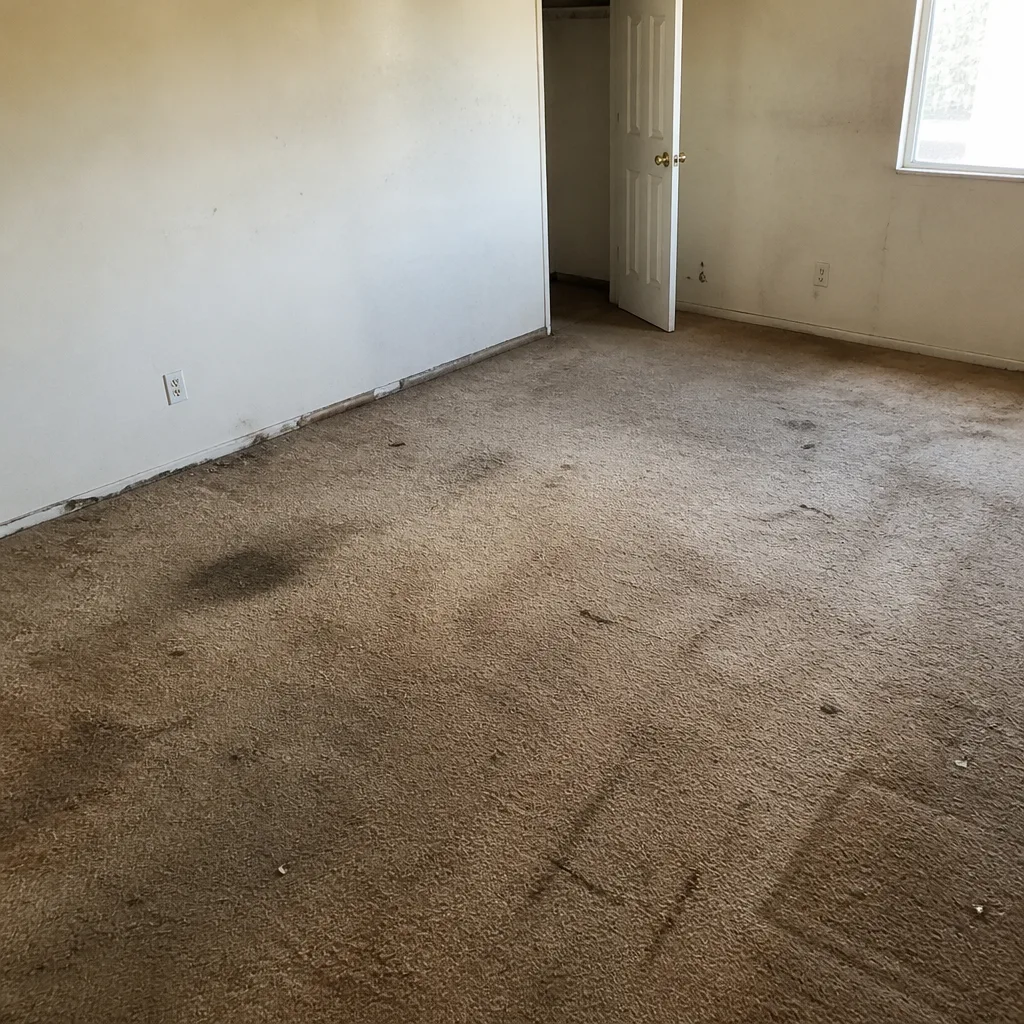 Before
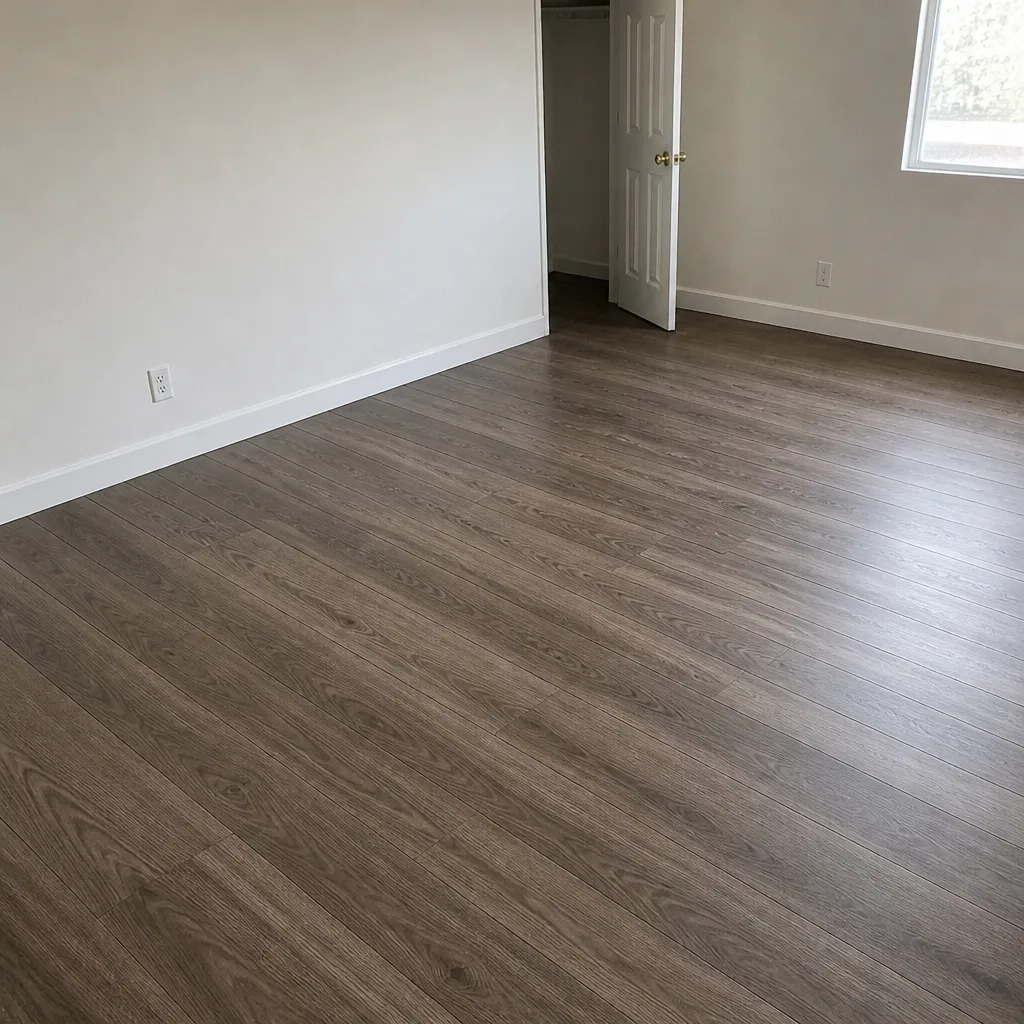 After
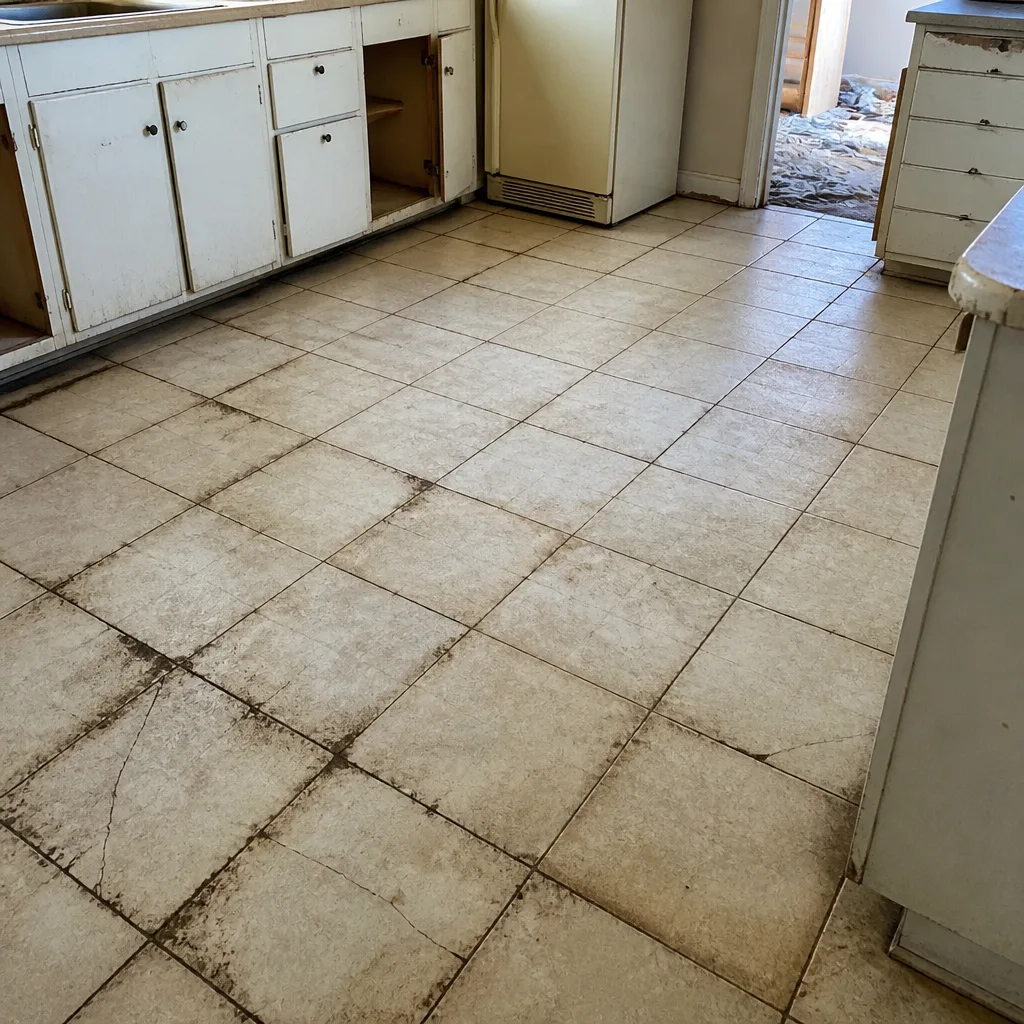 Before
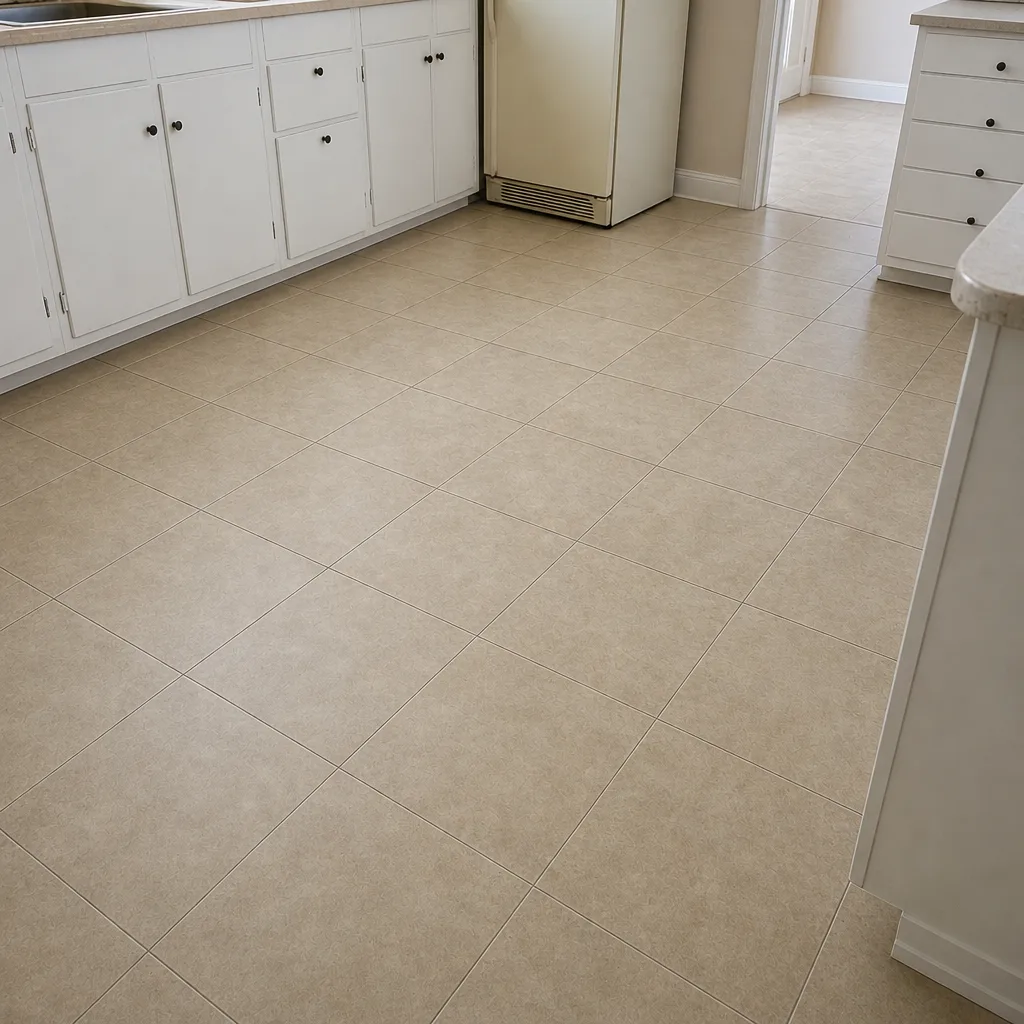 After
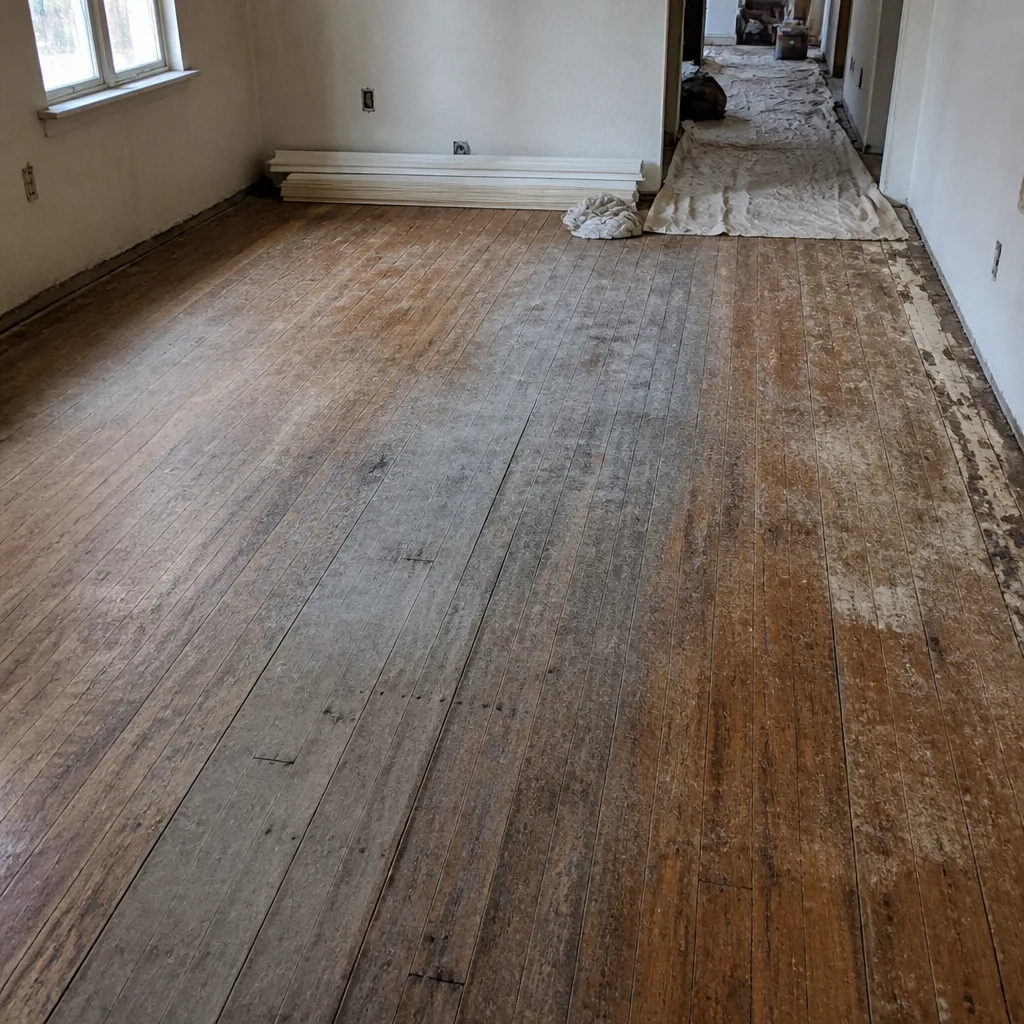 Before
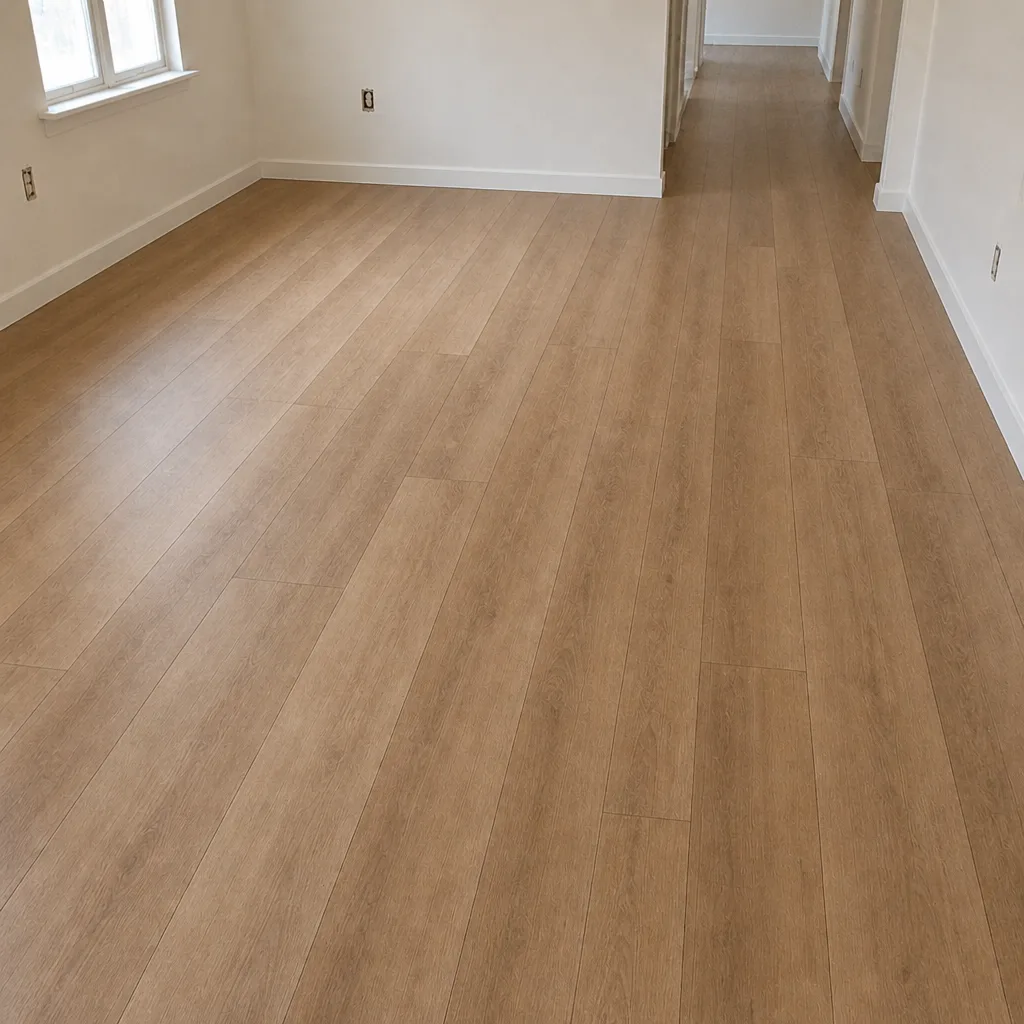 After
When to Call a Professional
Call a professional when the job involves more than a simple surface change. If the subfloor is uneven or damaged, if you’re not sure whether an existing hardwood floor can be refinished, if the room has unusual angles or transitions, or if you’re mixing two or more flooring types in one project, that’s the point to bring someone in. Tile setting and hardwood work especially call for trained hands, and a mistake under the surface shows up later. Whitney Flooring offers free estimates in Whitney, and we’ll check the conditions and give you a written quote before anything is committed. Call (833) 620-5226. We answer 24/7. Fast dispatch from 7am to 7pm, Sunday through Friday.
Frequently Asked Questions
Flooring installation in Whitney typically runs from about $2 to $4 per square foot for carpet, $4 to $9 for tile, and $6 to $12 for solid hardwood, with LVP and laminate in between. Labor, subfloor prep, tear-out, transitions and trim are usually billed separately. Call (833) 620-5226 for an exact quote, estimates are free.
The final bill usually rises because the first quote was missing subfloor prep, tear-out, or trim and transitions. At the in-home measure, conditions under the floor are checked, so the written estimate reflects what the job actually requires. Call (833) 620-5226 to schedule a measure and get a written quote.
Refinishing hardwood is often cheaper than replacement, but it depends on the thickness and condition of the existing wood. Not every floor can be refinished. At the estimate visit we check the floor and tell you which option fits. Call (833) 620-5226 to book your free estimate.
Both are water-resistant and durable, and the choice usually comes down to grade, style and budget for the room. COREtec and LifeProof sit at the premium end of rigid-core LVP; Pergo is a solid laminate option. Water from below and standing water still have to be dealt with regardless of product. Call (833) 620-5226 to talk through options.
The schedule is set at the estimate, not over the phone. Tile takes longer than carpet per square foot; a whole-home project takes longer than a single room. The written quote includes the scheduled install day. Call (833) 620-5226 for a free in-home estimate.
Yes. Whitney Flooring is a single-source specialist for carpet, tile and hardwood, so a mixed-floor home can run through one company and one installation standard rather than three separate trades. See what we do at Whitney Flooring. Call (833) 620-5226 for a free estimate.
The Bottom Line
The material price per square foot is only part of the story. The final invoice in a Whitney home usually comes down to prep, tear-out, transitions and grade, not the headline number on the tag. Read every quote for what’s included, ask about subfloor conditions, and don’t shop between rooms that aren’t the same job. If you want to price a project with a clear, itemized estimate, call Whitney Flooring at (833) 620-5226. We serve homeowners throughout the Whitney area, and we’d be glad to walk you through the numbers. Written by the team at Whitney Flooring.