
Last updated November 18, 2026
 Hardwood
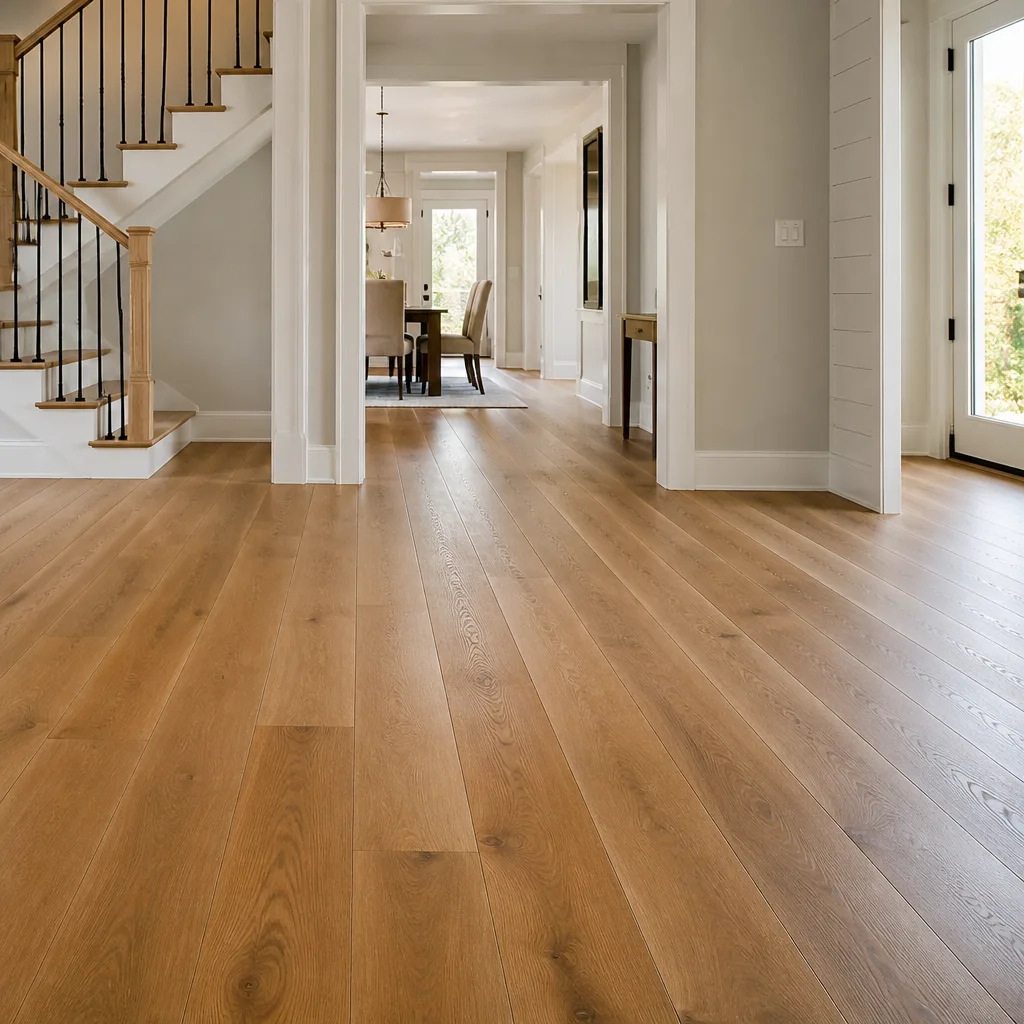 Engineered hardwood
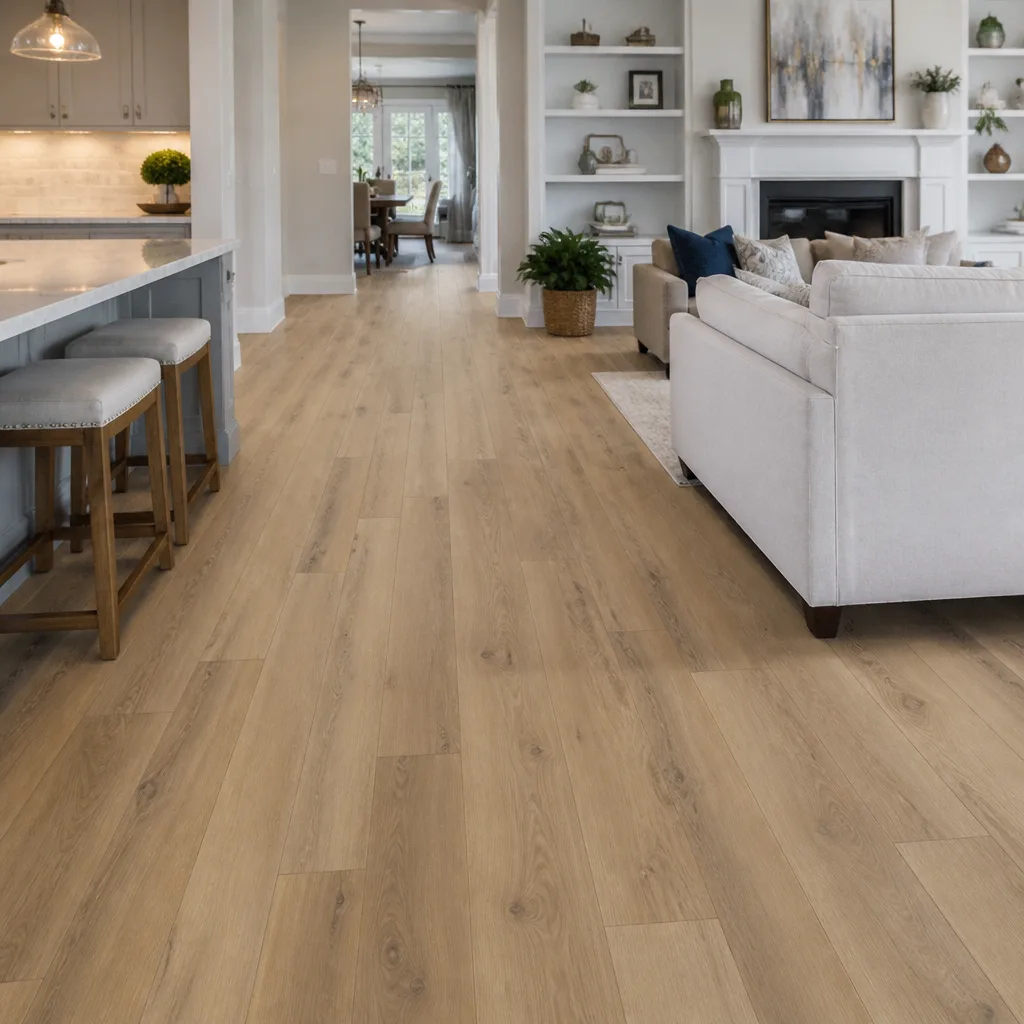 Luxury vinyl plank
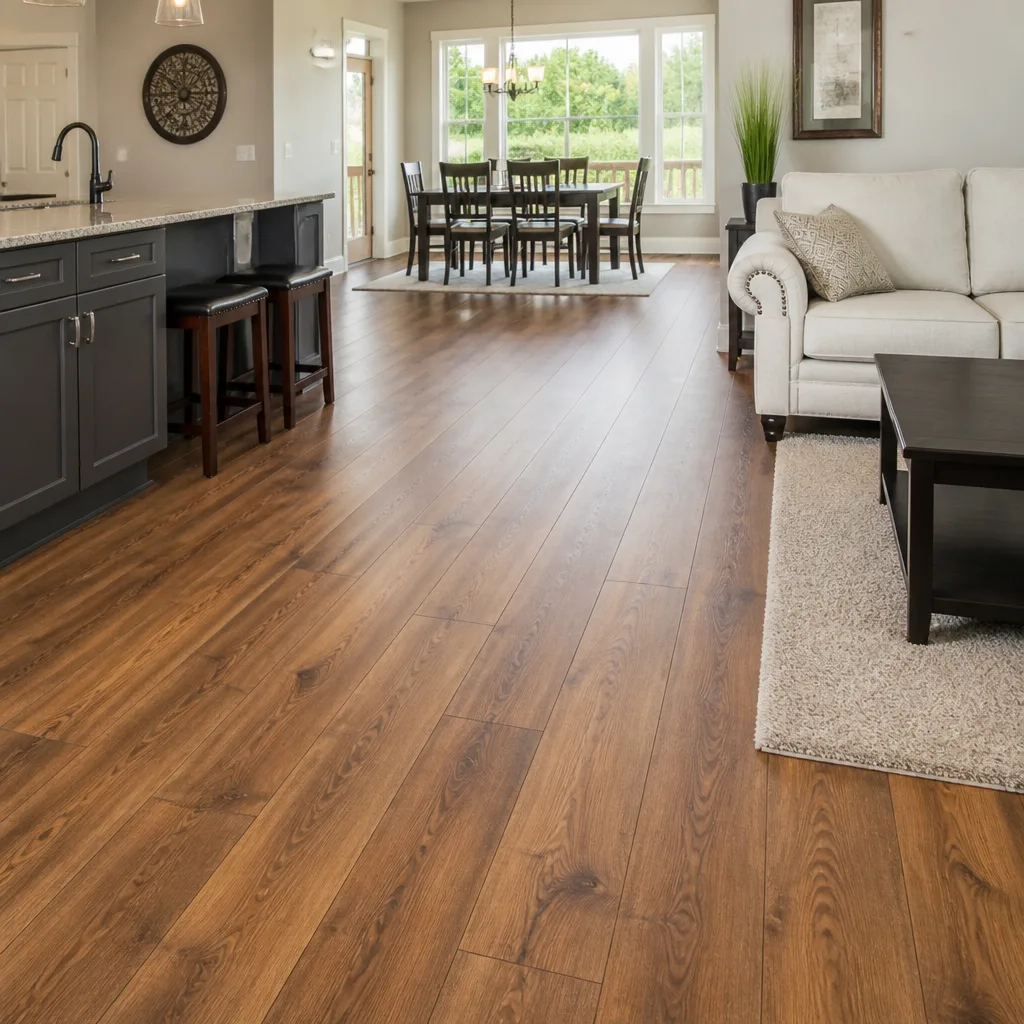 Laminate
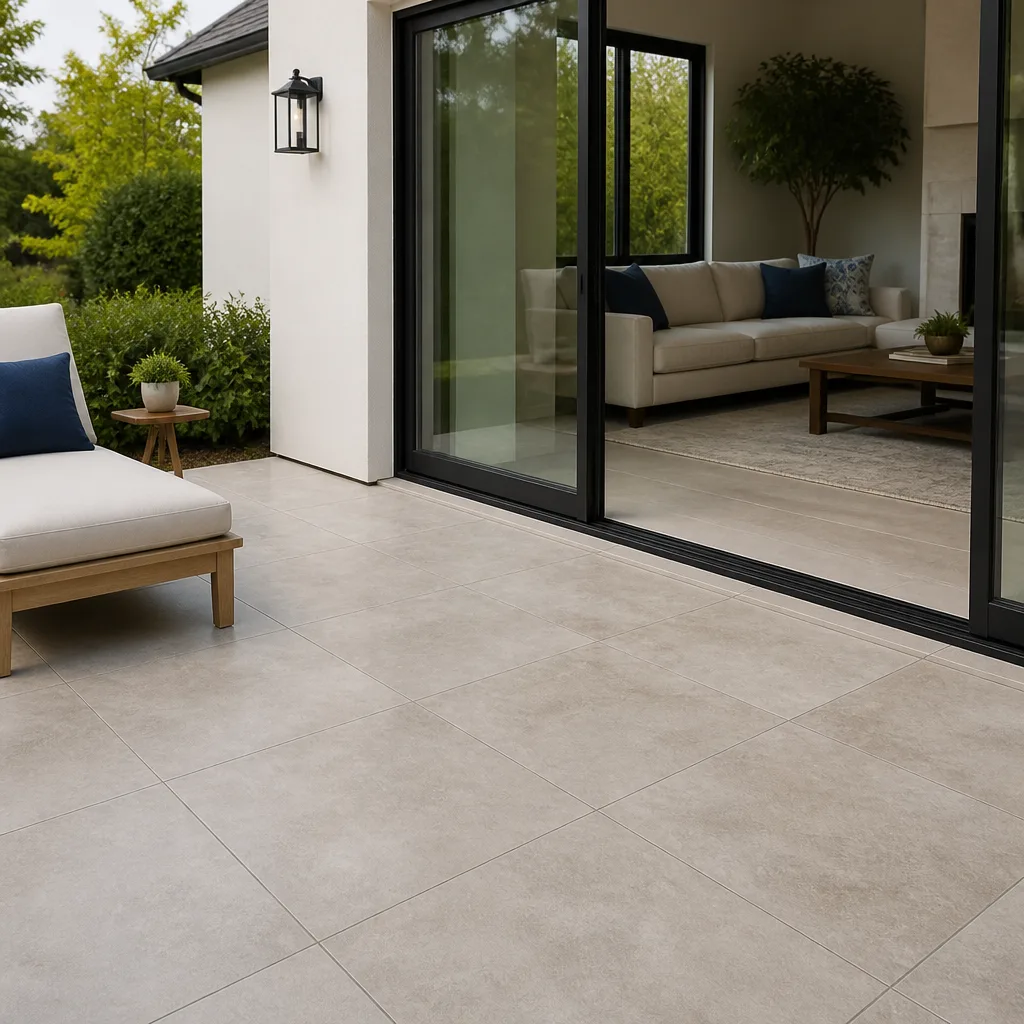 Porcelain tile
 Carpet
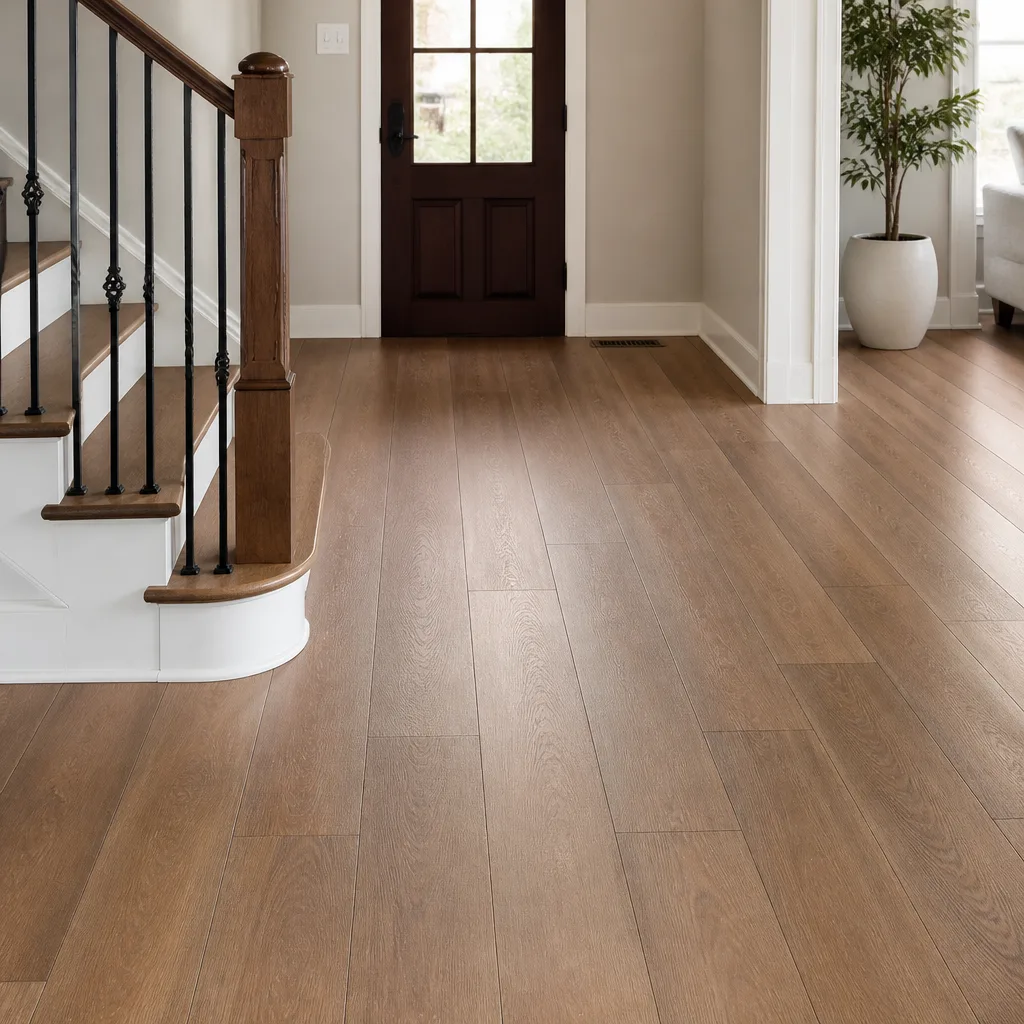 Shaw
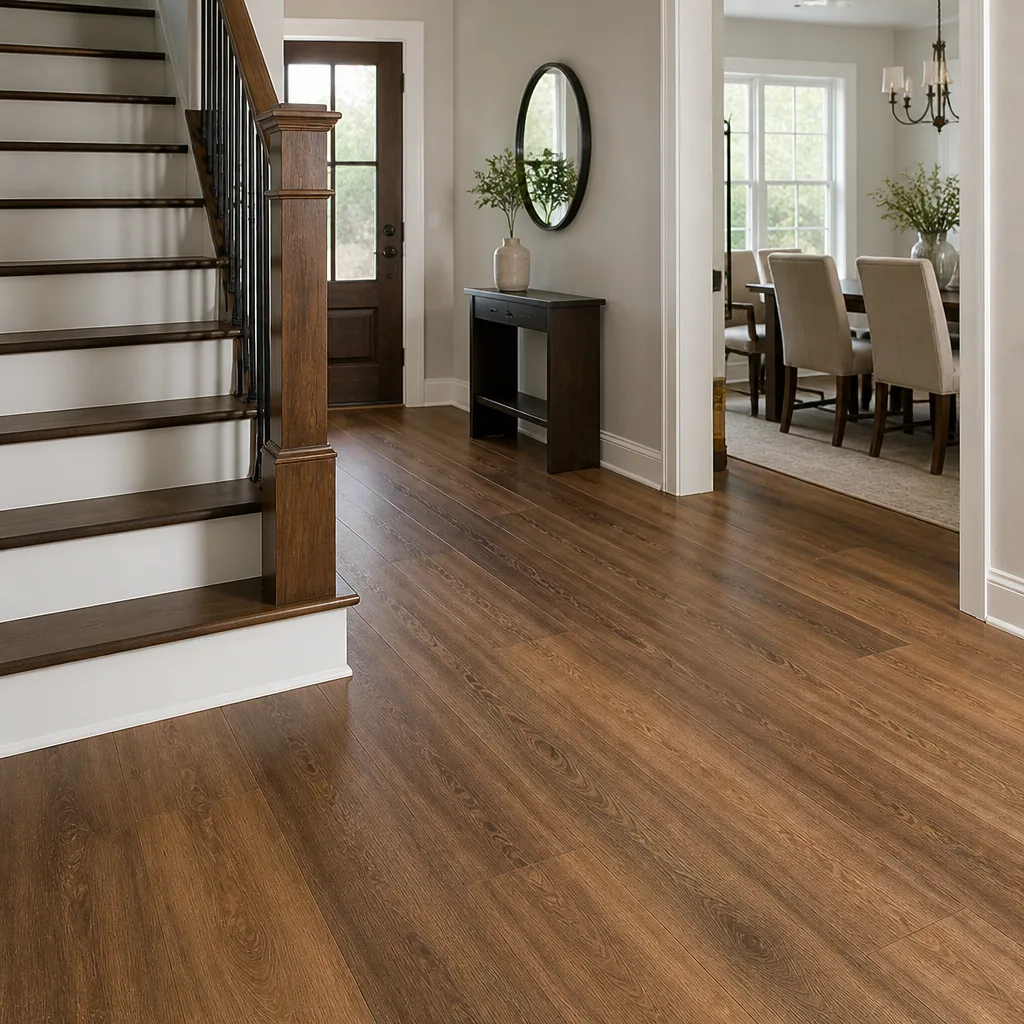 Mohawk
 COREtec
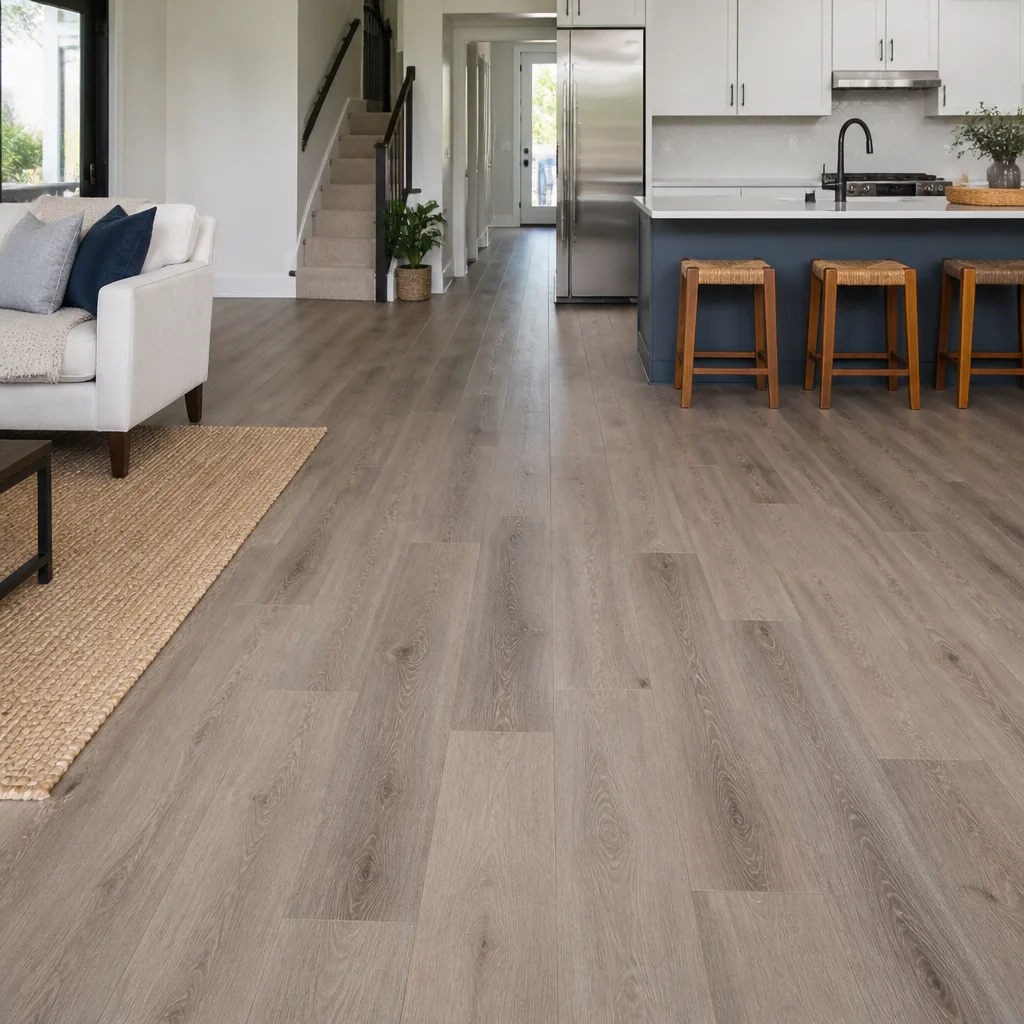 Pergo
Free in-home measure and written estimate: Shaw, Mohawk, COREtec and Pergo lines compared on your own rooms, with carpet, tile, vinyl plank, laminate and hardwood laid out side by side
Get your free estimateHow to Care for New Flooring: Hardwood, Vinyl, Laminate, Tile and Carpet
Most wear on a new floor in Whitney comes from grit, not footsteps. Tiny sand and dust particles that blow in all year act like sandpaper under shoes, and every walk across the room grinds them into the finish. That single fact flips a lot of standard care advice on its head. Blowing dust around with a dry mop, for instance, can scratch a finish worse than leaving it be. This guide covers what actually works in a high-desert home for hardwood, luxury vinyl, laminate, tile and carpet, from daily habits to the maintenance tasks worth scheduling.
Quick Answer
Care for new flooring in Whitney by matching the method to the material: dust-mop hardwood with a microfiber pad, damp-mop luxury vinyl and laminate sparingly with a pH-neutral cleaner, sweep tile and address grout sealing early, and vacuum carpet often because desert dust settles deep into fibers. Across every surface, the biggest win is managing abrasive dust and dry air rather than scrubbing stains. Keep the manufacturer’s instructions as your baseline, and treat this guide as the local translation.
Styles & brands we work with
- Hardwood
- Engineered hardwood
- Luxury vinyl plank
- Laminate
- Porcelain tile
- Carpet
- Shaw
- Mohawk
- COREtec
- Pergo
Table of Contents
- Why Flooring Care Is Different in Whitney
- Hardwood Care in a Dry Climate
- Caring for Luxury Vinyl Plank
- Laminate and Moisture Control
- Tile and Grout Maintenance
- Caring for Carpet in a High-Desert Home
- A Simple Daily and Weekly Routine
- Common Mistakes to Avoid
Why Flooring Care Is Different in Whitney
Spec sheets are written for average conditions across the country. Whitney sits in the Mojave high desert, where the air stays dry most of the year and airborne dust moves constantly. That changes what damages a floor most and what helps. In this kind of climate, abrasion from tracked-in grit and low indoor humidity do more long-term harm to a floor than spills or heavy scrub sessions.
There are a few local conditions worth knowing before you pick a routine:
- Fine, windblown dust. The dust here is often finer than what you’d see in a wetter climate, and finer particles work deeper into texture and grout.
- Low indoor humidity. Dry furnace and air-conditioning keeps homes low on moisture year-round, which matters most for wood and wood-based floors.
- Sun and heat. Strong sun through big windows can fade or stress some finishes and fibers if the light hits the same spot every day.
- Grit at entryways. One thing every Whitney home shares is grit coming in on shoes from dry soil and landscaping. Door mats and a habit of leaving shoes at the door do a surprising share of the work.
Our technicians have up to 12 years of experience installing and refinishing floors in this climate, and the advice below reflects what holds up over the long run rather than what looks good on paper. If you’re planning a floor and want the care routine to match, Whitney Flooring is a single-source specialist for hard surfaces and soft, and we’re happy to talk through the choices.
Hardwood Care in a Dry Climate
Hardwood in Whitney needs protection from two things: abrasive grit on top and dry indoor air stressing the wood itself. The finish layer takes the wear, so the routine centers on keeping grit off the surface and letting the wood adjust gently to the season. Refinishing can extend a solid wood floor’s life rather than replace it, which is why we treat it as a core service, not an afterthought.
Here’s how hardwood care breaks down in practice:
- Humidity. Most wood flooring manufacturers publish a recommended indoor humidity range on the product sheet; follow the figure for your specific floor. In a dry desert home, running a humidifier to keep indoor air in that range is often the single most protective step you can take against gaps and seasonal movement.
- Dust removal done right. Use a microfiber dry mop or a vacuum with a hard-floor setting. A magnetic dust mop or microfiber pad traps grit instead of pushing it. Never use a broom with stiff bristles on a hardwood finish.
- Cleaning products. Match the cleaner to the finish. Water-based finishes tolerate pH-neutral, finish-safe cleaners. Oil-based finishes often respond better to a dedicated oil-safe cleaner and don’t take repeated damp mopping well. When in doubt, the product information tells you which type you have.
- Damp, never wet. A damp mop with a well-wrung pad is fine; standing water is not. Wood and water don’t mix, and even a little sitting water can lift a finish edge.
- Furniture and sunlight. Use felt pads under furniture legs and rotate rugs so finish wears evenly. Close blinds on the hottest afternoons if a window bakes one spot.
When a finish does start to dull, or if the wood is thick enough and in good condition, refinishing usually beats replacement. Our Whitney Flooring team evaluates whether a floor can be refinished during an estimate visit, because thickness and condition decide it.
Caring for Luxury Vinyl Plank
Luxury vinyl plank is one of the most forgiving floors in a dry climate, but the wrong cleaner can degrade its protective wear layer over time. The wear layer is the clear top that stands up to foot traffic; harsh solvents, wax-based “shine” products and abrasive scrubs break it down, and once that layer dulls, the floor can’t be polished back to new. So the right routine is about protecting the surface, not restoring it.
What actually matters for vinyl care:
- What “no-wax” means. Vinyl planks come with their own factory finish. You don’t wax them, and applying a traditional floor wax or polish can trap dirt and yellow the wear layer. Stick to a pH-neutral vinyl cleaner.
- Cleaners to avoid. Skip bleach, ammonia, citrus or solvent cleaners, and anything labeled for heavy degreasing. Some cleaning products with those ingredients can leave a haze or soften the surface over time.
- Damp mopping only. A microfiber mop with a light, well-wrung damp pad is right. Water should never be allowed to pool in the seams. Even a water-resistant vinyl plank has seams where moisture can sit.
- Dust and grit. A daily sweep or dry mop keeps the abrasive grit off the wear layer and preserves the look.
- Furniture protection. Felt pads under furniture and a mat at the door are all vinyl really asks for.
Premium vinyl through brands like COREtec and Karndean is built to last under real conditions, and a floor that’s installed and cared for right will hold its finish longer. Whitney carries both, along with LifeProof, so you can compare durability before you buy, then care for what you choose.
Laminate and Moisture Control
Laminate handles dust and foot traffic well, but its core is vulnerable to moisture, which is why mopping technique matters even in a dry climate. Laminate has a wood-fiber core with a photographic top layer, and standing water can swell the core at the seams where it can’t dry. The trick is to keep the surface clean without ever giving moisture a way in.
Moisture control on laminate comes down to how you clean:
- Dry first. Sweep or dust-mop before anything wet touches the floor. Lifting grit off first means you’re not pushing wet grime into the finish.
- Damp, not wet. Use a microfiber mop with a barely-damp pad, wrung well. The pad should feel nearly dry by the time it touches the floor.
- Move quickly. Wipe, don’t soak. If a spot needs attention, use the smallest amount of pH-neutral cleaner and dry it right after.
- Never let spills stand. Wipe up water right away, especially near seams and edges. This prevents swelling.
- Skip steam. Steam mops force moisture into seams and can damage laminate cores. They’re a poor fit for laminate regardless of how dry the home is.
If you’re comparing laminate to luxury vinyl, our Whitney team can walk you through the trade-offs before you commit, so the care routine suits how you actually live. Both floors are installed with the same standard at Whitney Flooring: right product, right preparation, done the same way every time.
Tile and Grout Maintenance
Tile is the most resilient floor in a dry climate, but unsealed grout in a dusty home can stain faster than you’d expect. The tile itself rarely needs any real care beyond sweeping; the grout lines are where grit, dust and dirt collect. Fine desert dust settles into the texture of unsealed grout, and over time it looks like staining even when you’ve cleaned it. Sealing the grout appropriately for the product and the room is the biggest protective step.
A practical tile and grout routine:
- Sweep and vacuum regularly. A soft broom or a hard-floor vacuum head lifts dust before it settles into grout texture.
- Sweep first, then mop. A pre-mop pass keeps you from pushing grit and dirt deeper into lines.
- Grout cleaning. Use a soft brush with a pH-neutral cleaner. Avoid harsh acids that can degrade grout.
- Sealing. Grout sealers are typically applied at intervals recommended by the sealer manufacturer; for kitchens and bathrooms, the schedule tends to be shorter than a dry, low-traffic room. Follow the product guidance.
- Prevention is quicker than correction. Reapply appropriately when water begins to soak in instead of beading.
Whitney carries Daltile, the same tile supplier used by professional designers and commercial builders, which is a step above what many residential-only shops carry. Our tile flooring installation team can advise on sealing when a floor is first installed. If a grout line from a prior install is already stained, we can help a homeowner decide whether to clean, recolor or regrout.
Caring for Carpet in a High-Desert Home
Carpet in a Whitney home needs more frequent vacuuming than in a humid climate, because dry, fine dust settles deep into fibers and gets ground in. Every footstep pushes dust down into the pile. Left alone, that grit abrades the fibers and shortens the carpet’s life. The remedy is regular, effective vacuuming and fiber-specific cleaning, not aggressive scrubbing.
What works well for carpet in dry air:
- Vacuum frequency. High-traffic rooms usually want vacuuming several times a week; less-used rooms once a week. Older or textured carpet picks up dust faster.
- Match the beater setting. Use a beater brush on plush or low-pile carpet, and a gentler setting on loop or delicate carpets.
- Empty the canister. A full bin cuts suction, so empty it often. For fine desert dust, that matters.
- Fiber-specific cleaning. Nylon and polyester take water-based cleaning well; wool and some natural fibers respond better to gentler solutions. Check the product guidance.
- Professional extraction. Schedule extraction when the carpet feels gritty, when dirt returns quickly after vacuuming, or on a regular interval recommended by the carpet manufacturer. In a dusty climate, that interval often comes sooner.
Whitney works with brands like Shaw and Mohawk, and our carpet installation team can point you to the care guidance for the carpet you choose. Professional extraction is the right call when you want the carpet fully refreshed rather than just surface-cleaned.
A Simple Daily and Weekly Routine
Good flooring care in Whitney isn’t complicated, and a short routine keeps every material in better shape. Here’s the habit pattern we recommend to homeowners across all floor types:
- Daily: Shake out entry mats and leave shoes at the door. Sweep or dry-mop the main walking paths.
- Dry-remove first: Always lift dust and grit before anything wet touches the floor, every time.
- Weekly: Vacuum carpet and hard floors with a hard-floor head, and damp-mop where needed with a wrung pad.
- Check furniture pads: Felt pads under legs, rotated rugs, and mats at every exterior door.
- Monthly: Check grout and finish, top up furniture pads, and look for wear spots or lifted seams.
- Seasonally: Recheck indoor humidity for wood floors, look at sealers on tile, and confirm entry mats still do their job.
This routine takes minutes a day. It’s what keeps a new floor looking new.
Common Mistakes to Avoid
- Dry-mopping with a plain broom or cotton dust mop. Those options slide grit across a finish instead of trapping it. Use a microfiber dry mop to lift particles, not push them.
- Using the wrong cleaner on vinyl or laminate. Heavy degreasers, bleach or wax-based polish can degrade a wear layer or leave a haze. Choose a pH-neutral floor cleaner.
- Over-wetting laminate or vinyl. A soaked mop pushes water into seams. Keep pads well wrung and dry up spills quickly.
- Forgetting grout. Unsealed grout in a dusty Whitney home can look stained within months. Follow the sealer’s schedule and don’t skip it.
- Under-vacuuming carpet. Fine desert dust settles into carpet fibers faster than humid-climate care guides assume. Vacuum more often than the basic recommendation.
- Ignoring indoor humidity. Hardwood floors in a dry home can develop seasonal gaps and finish stress without care. Keep indoor humidity in the product’s recommended range.
- Scrubbing instead of cleaning. Abrasive pads or repeated hard scrubbing can wear away the finish or the wear layer. Gentle, frequent cleaning beats hard scrubbing.
See the difference
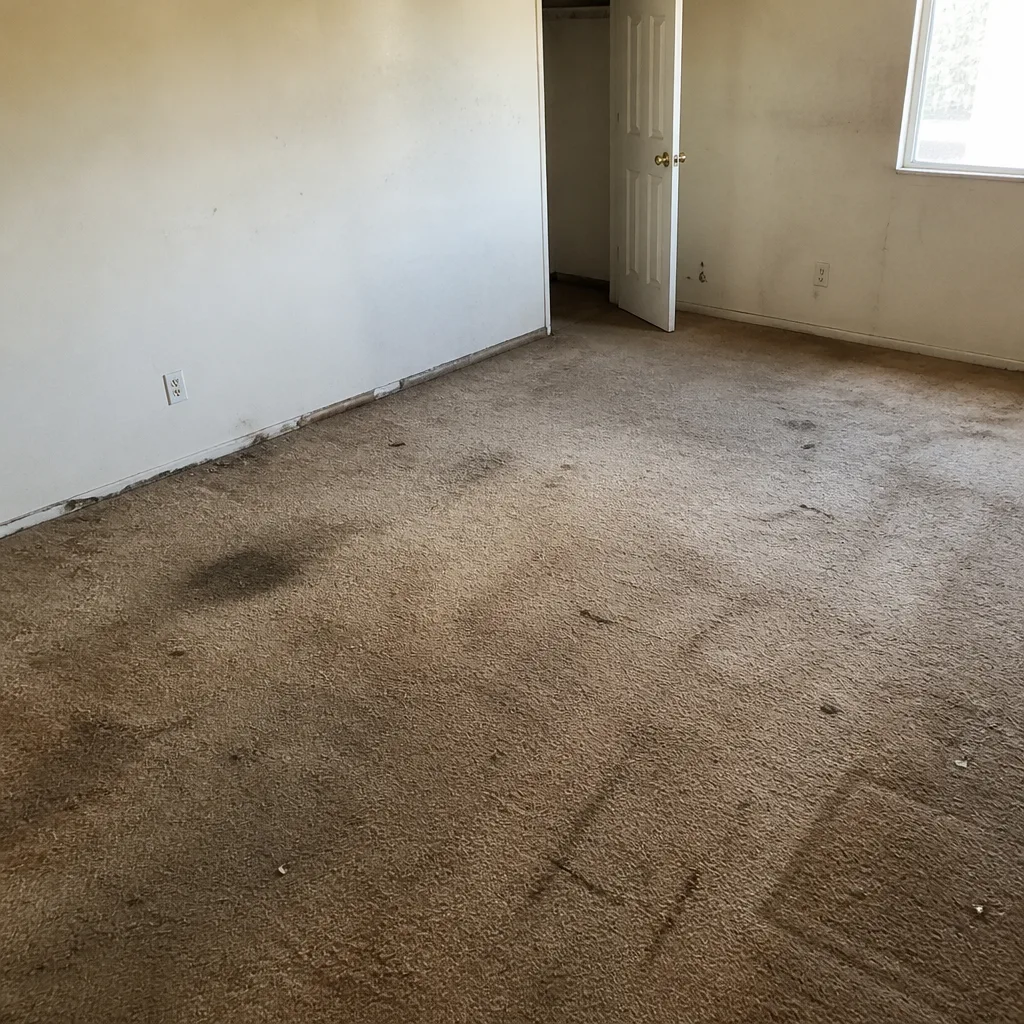 Before
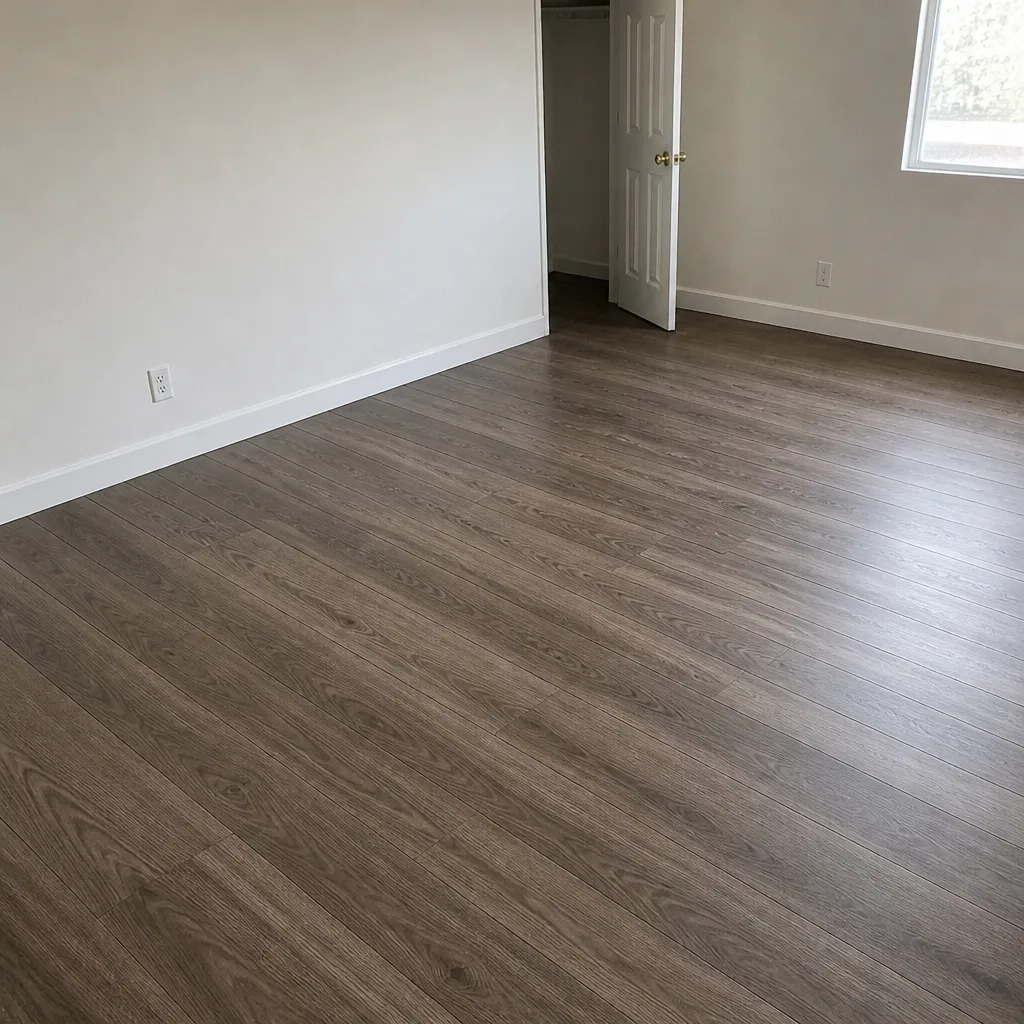 After
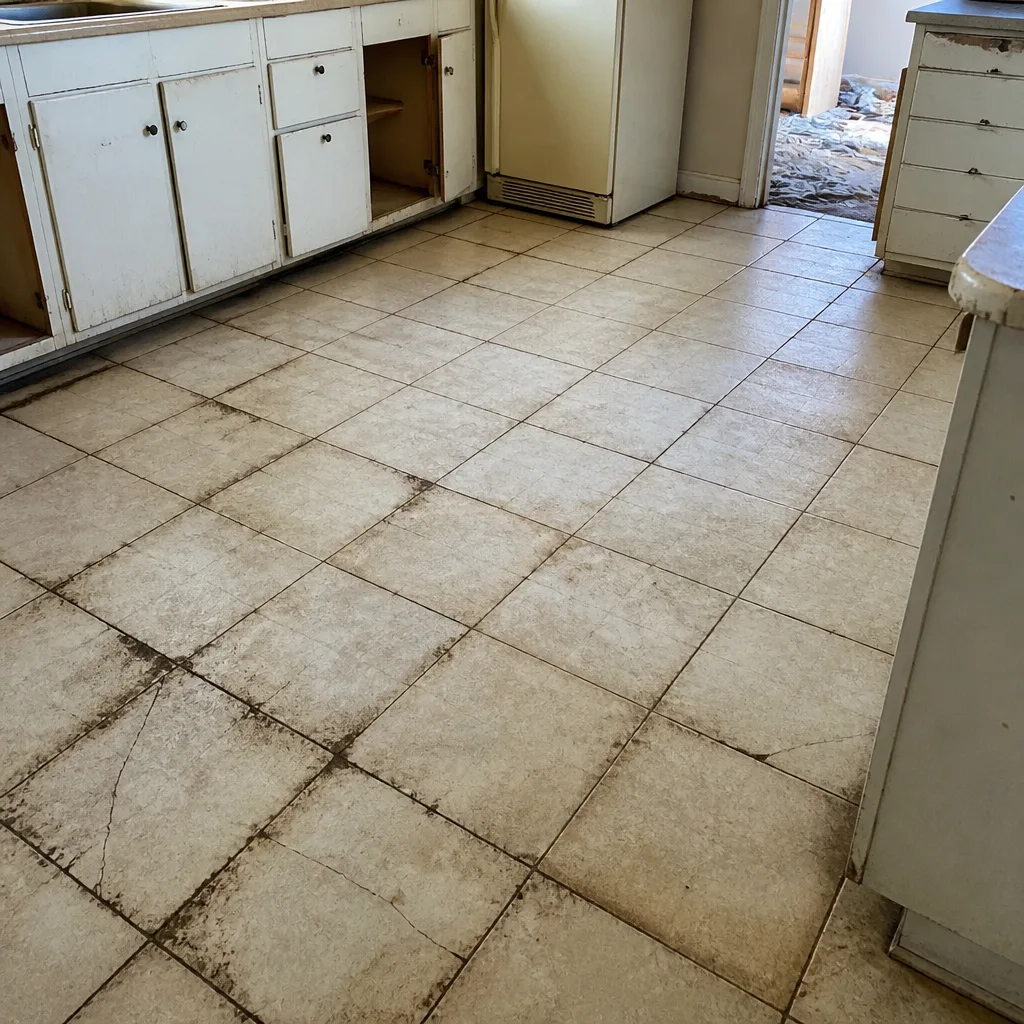 Before
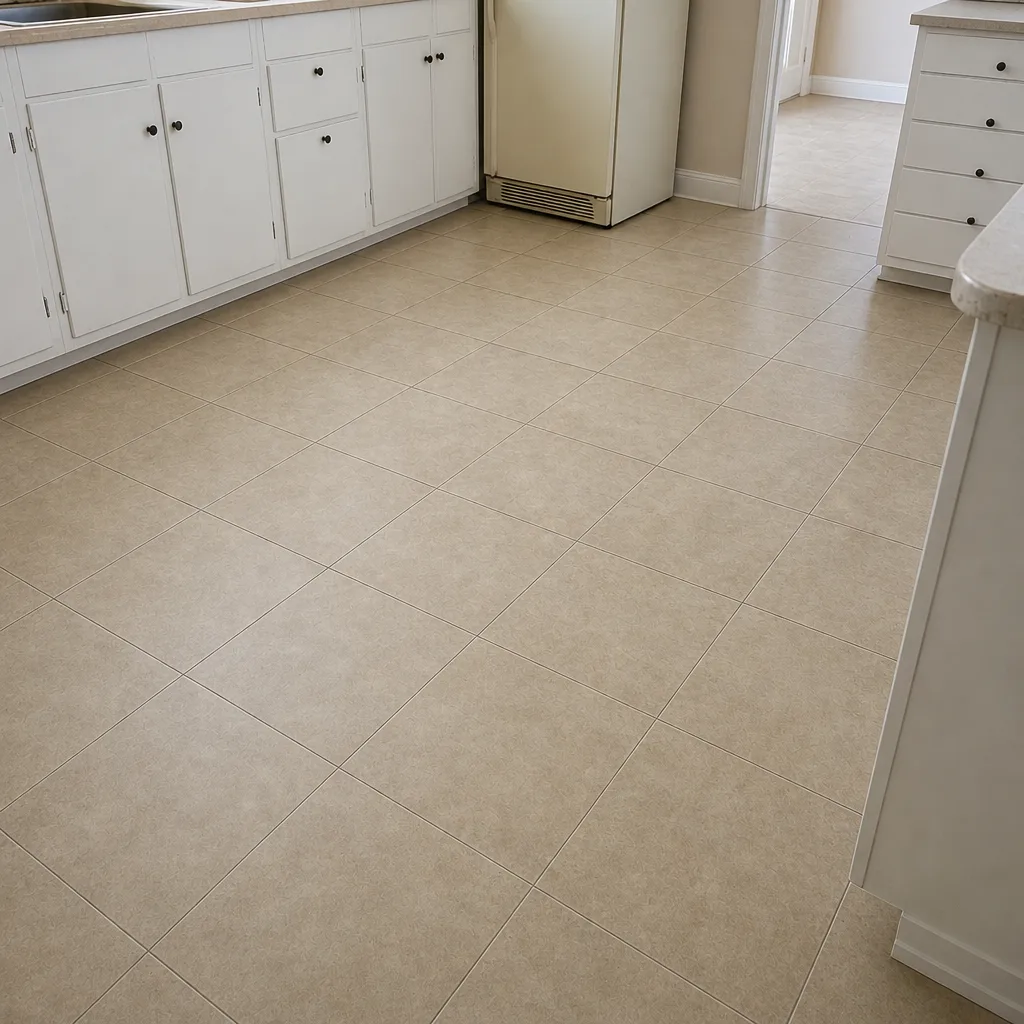 After
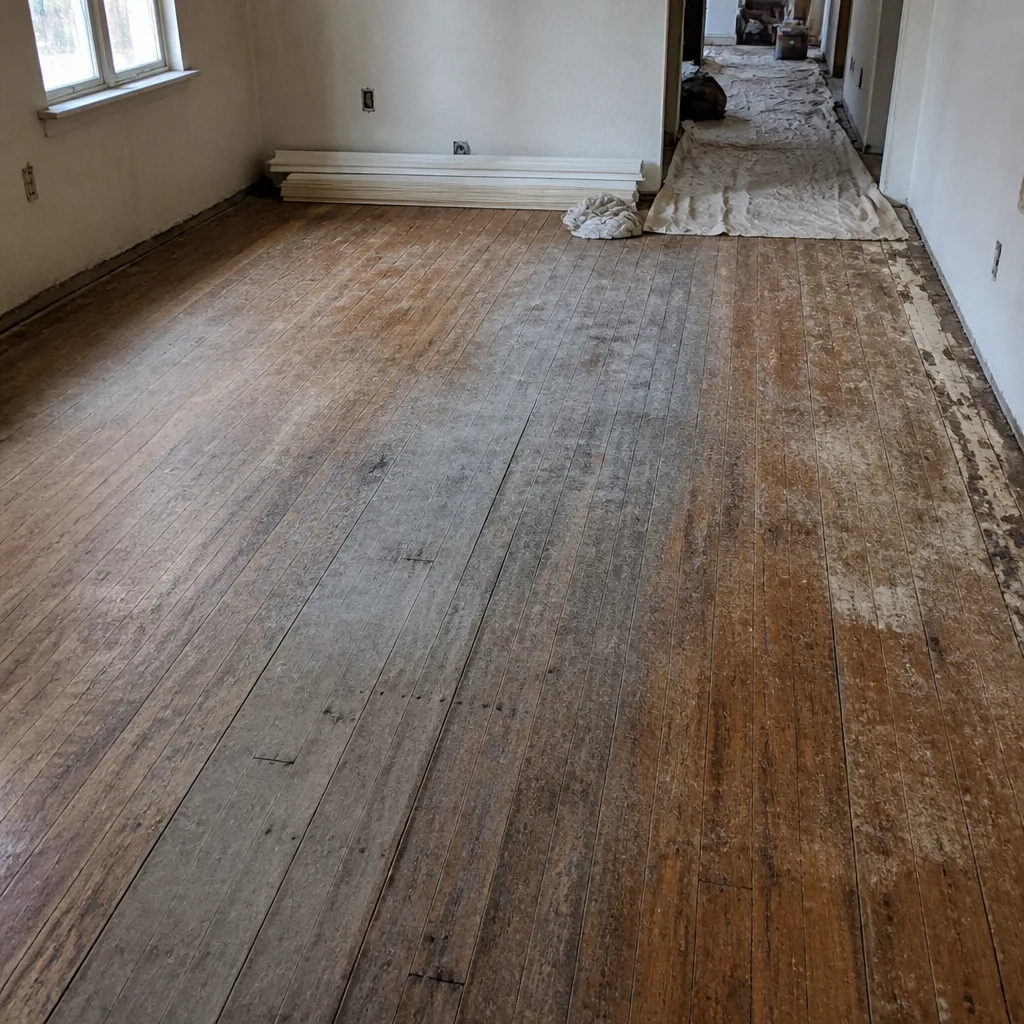 Before
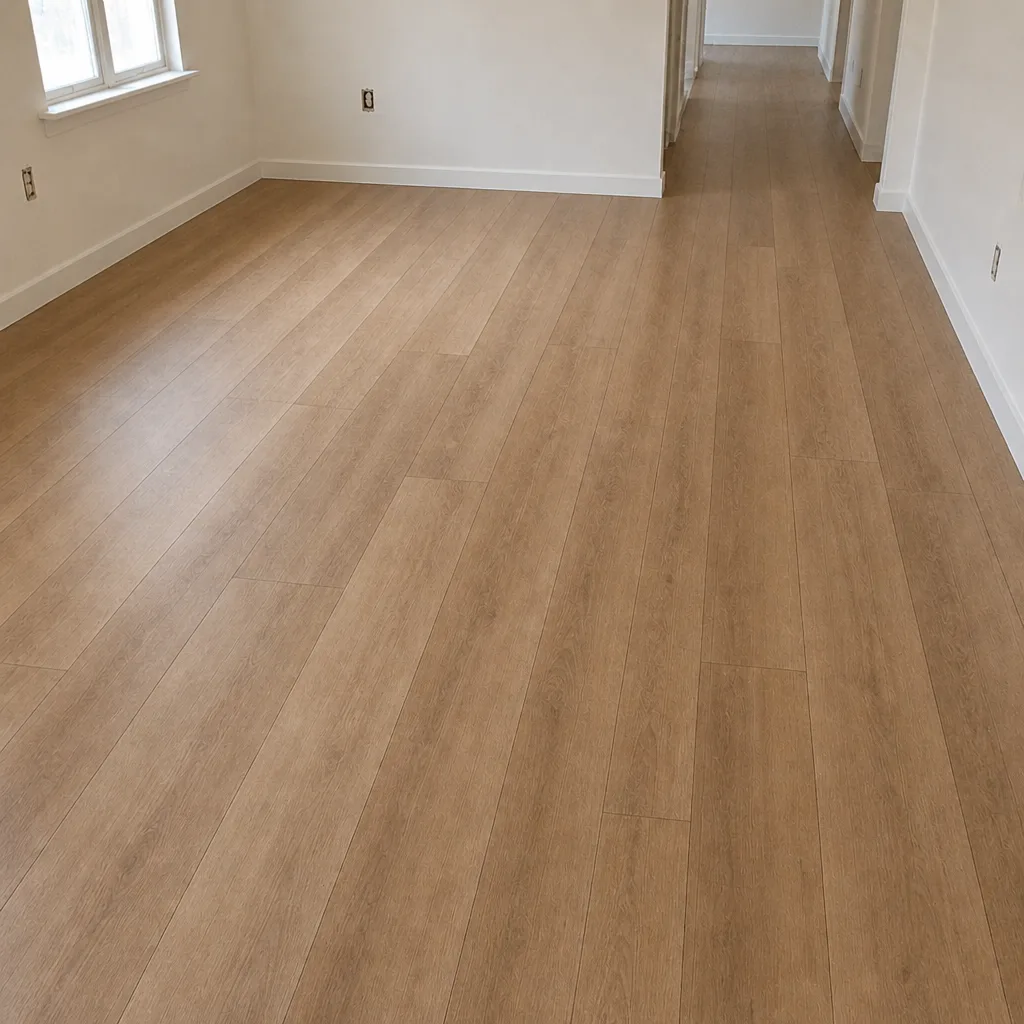 After
When to Call a Professional
Some care tasks are DIY, but a few are worth a professional call. Reach out to professional flooring specialists when a hardwood finish has dulled past cleaning and you’re weighing refinishing over replacement; when a wood or wood-based floor shows cupping, lifting or persistent gaps that point to a moisture issue; when grout lines are stained past a routine clean and you need to know whether to clean or regrout; or when carpet needs deep extraction that a home vacuum can’t deliver.
Whitney Flooring offers free estimates in Whitney. Call (833) 620-5226 to book one. We’ll assess the floor, talk through care options, and give you a written estimate so you know the price before any work starts. Our technicians have up to 12 years of experience, so the advice is floor-specific, not generic.
Frequently Asked Questions
Vacuum high-traffic carpet several times a week and lower-traffic rooms about once a week, more often during dry, dusty stretches. Fine desert dust settles fast and gets ground into fibers by foot traffic, so frequency matters more than a single deep pass. If the carpet still feels gritty after vacuuming, it’s worth a call to schedule professional extraction. Call (833) 620-5226 for a free estimate.
Use a pH-neutral vinyl floor cleaner and skip bleach, ammonia, citrus, solvent or wax-based products that can damage the wear layer. Damp-mop with a well-wrung microfiber pad and never let water pool in the seams. When in doubt, check the product’s care guidance and match the cleaner to it. If you’re choosing a new vinyl plank and want to know what it needs long-term, call us for a free estimate.
No, steam mops force moisture into the seams of a laminate floor and can damage the wood-fiber core. Use a barely damp microfiber mop and dry up any spills quickly instead. This matters even in dry Whitney because the risk comes from trapped moisture at the seams, not the air. Call (833) 620-5226 if you’d like our help choosing a floor that suits your routine.
Keep indoor humidity inside the range recommended on your floor’s product sheet, often with a humidifier in the dry season. Use a microfiber dust mop and a finish-appropriate cleaner, and avoid wet mopping. If you see gaps or finish stress that doesn’t resolve, we can look at it during a free estimate: call (833) 620-5226.
Follow the interval recommended by the sealer manufacturer for your grout and room. High-moisture rooms typically need more frequent attention than dry, low-traffic rooms. In a dusty home, unsealed grout can look stained sooner, so resealing on schedule is worth it. Call (833) 620-5226 if you’re unsure about grout condition or a reseal.
Yes, the estimate is free, and the price for any work is set per job by the written estimate. Estimates are scheduled during dispatch hours: we answer calls 24/7, and fast dispatch runs 7am to 7pm, Sunday through Friday. Call (833) 620-5226 to schedule yours.
The Bottom Line
Flooring care in Whitney is mostly about the two things this climate throws at a floor: abrasive dust and dry air. Lift grit before it grinds in, match your cleaner to the material, keep hardwood humidity in the recommended range, damp-mop vinyl and laminate instead of wetting them, seal grout on schedule, and vacuum carpet more often than the basic guide says. Every material here has its own routine, but the principle is the same: gentle and frequent beats hard scrubbing. And when a floor needs refinishing, sealing advice, or professional extraction, Whitney Flooring is one call away. Call (833) 620-5226 for a free estimate.
Written by the team at Whitney Flooring.