
Last updated November 18, 2026
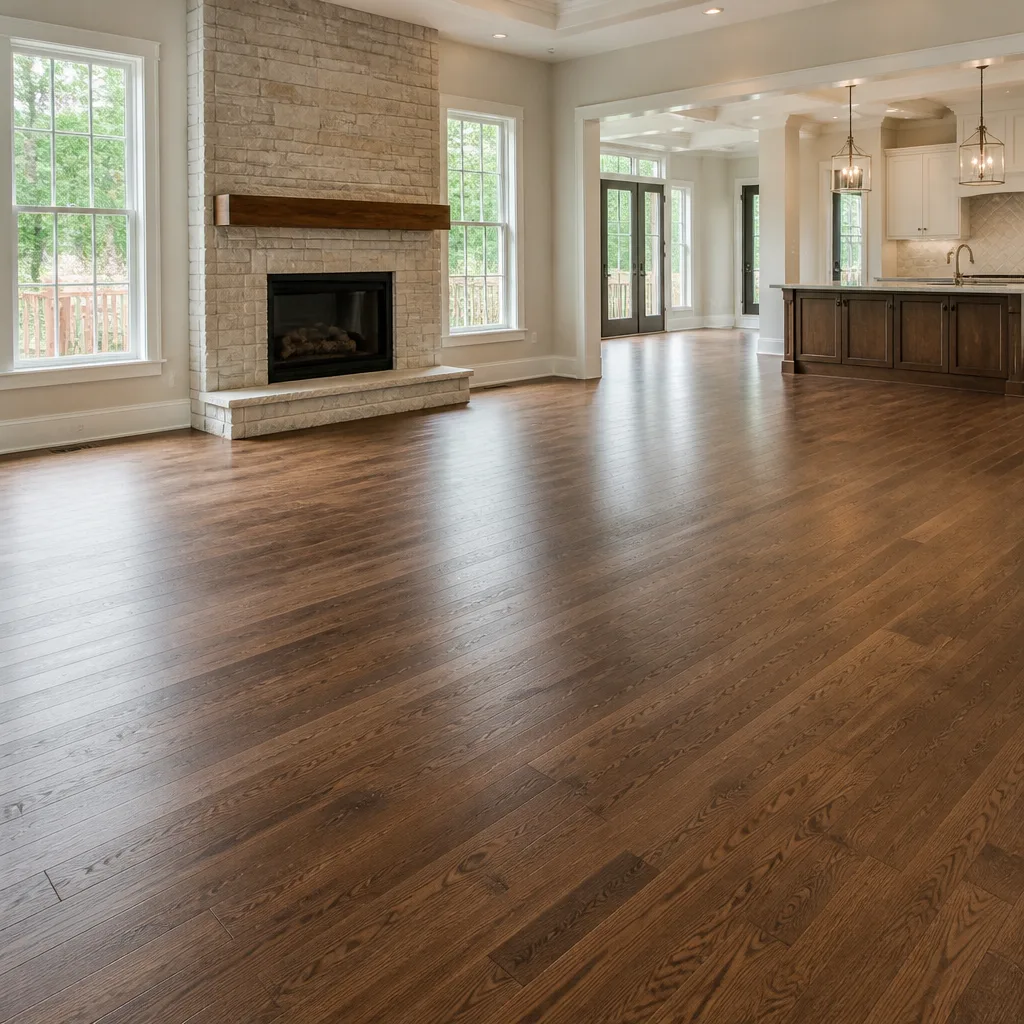 Hardwood
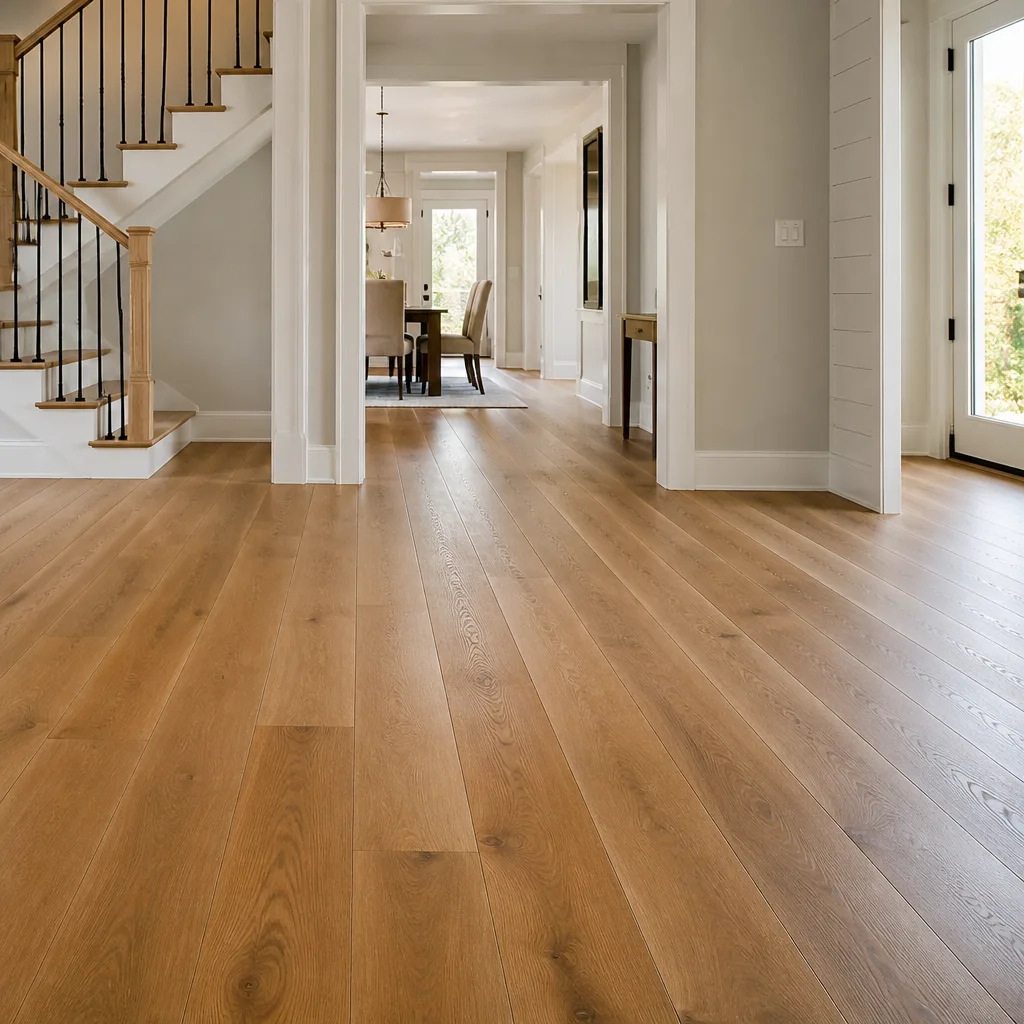 Engineered hardwood
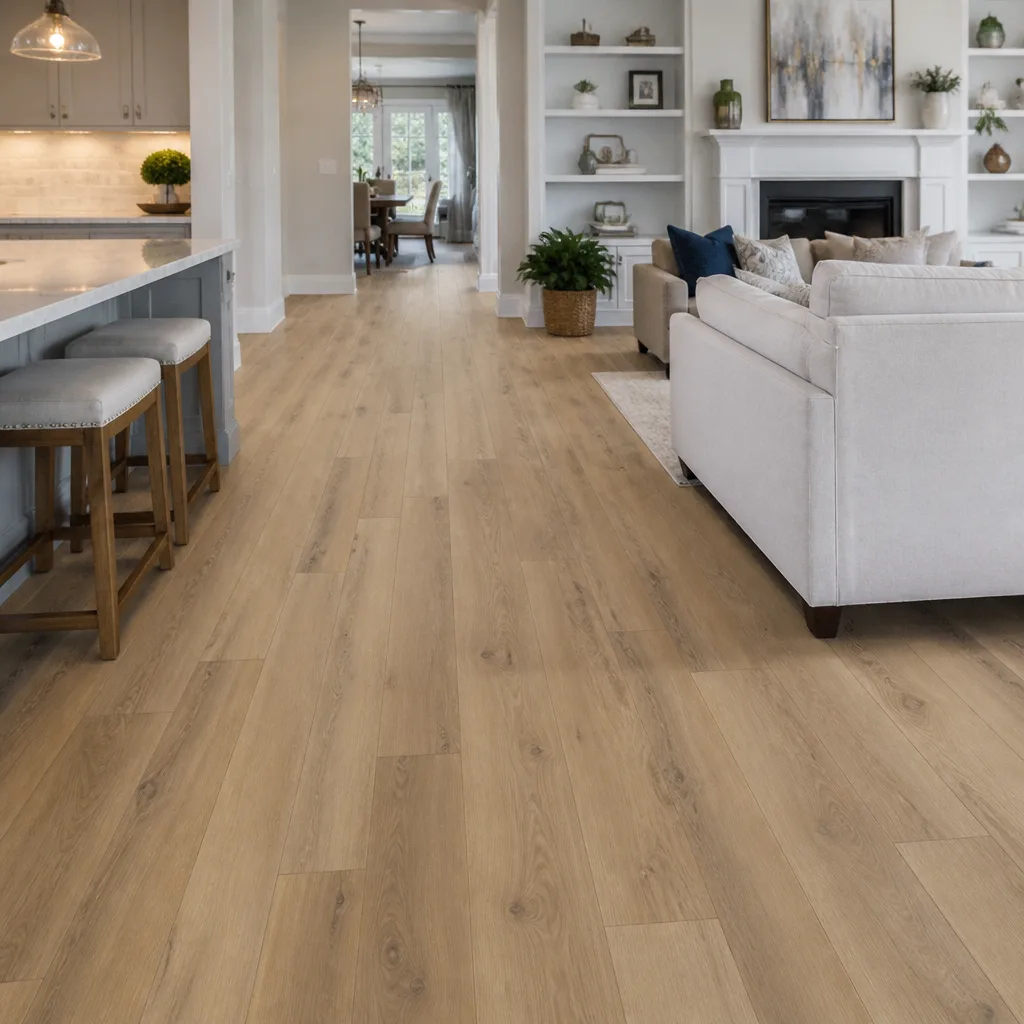 Luxury vinyl plank
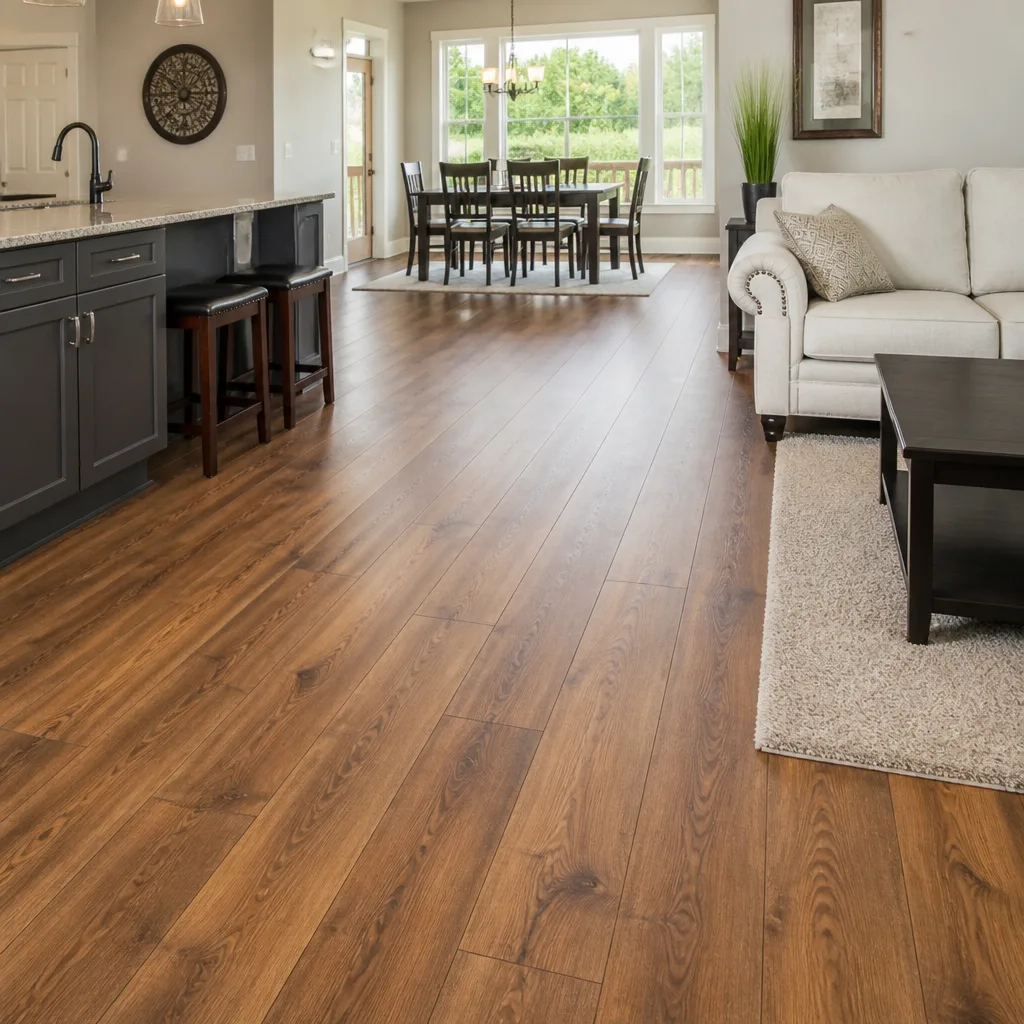 Laminate
 Porcelain tile
 Carpet
 Shaw
 Mohawk
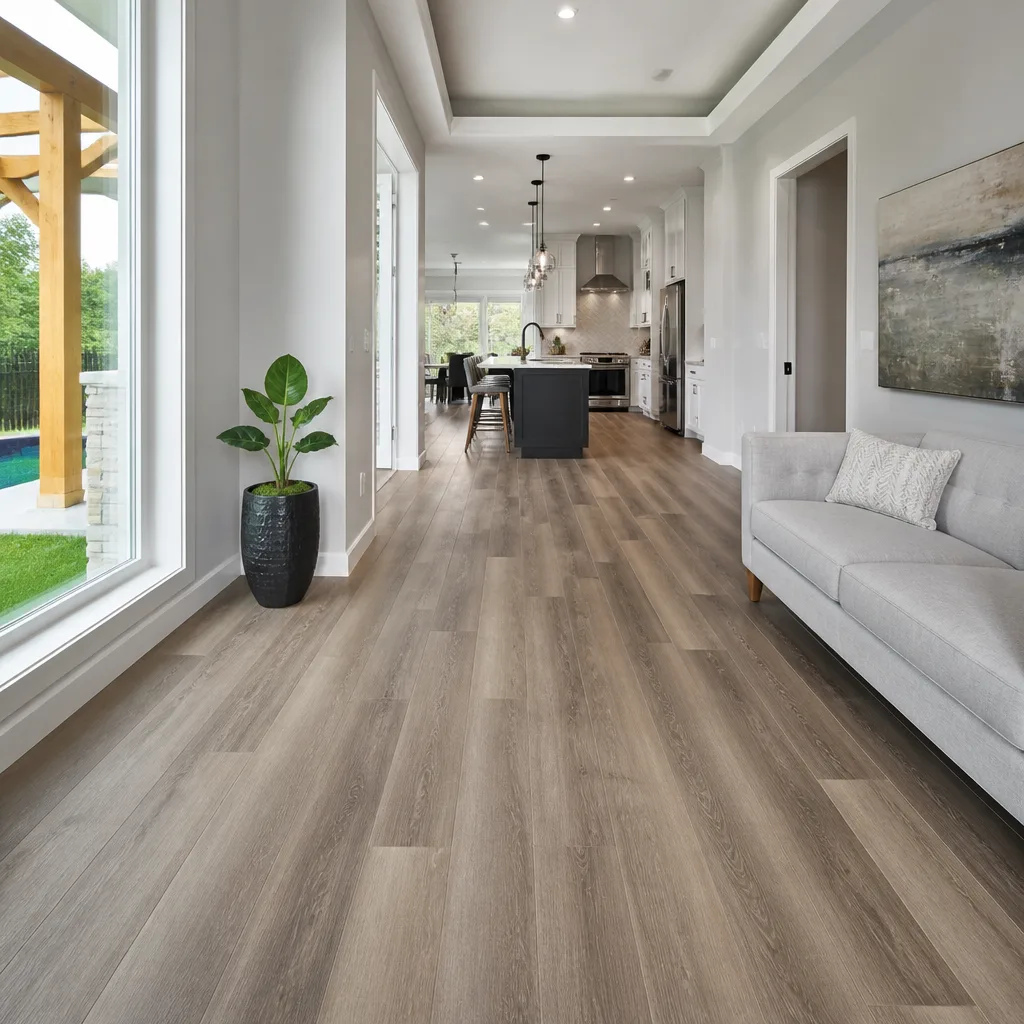 COREtec
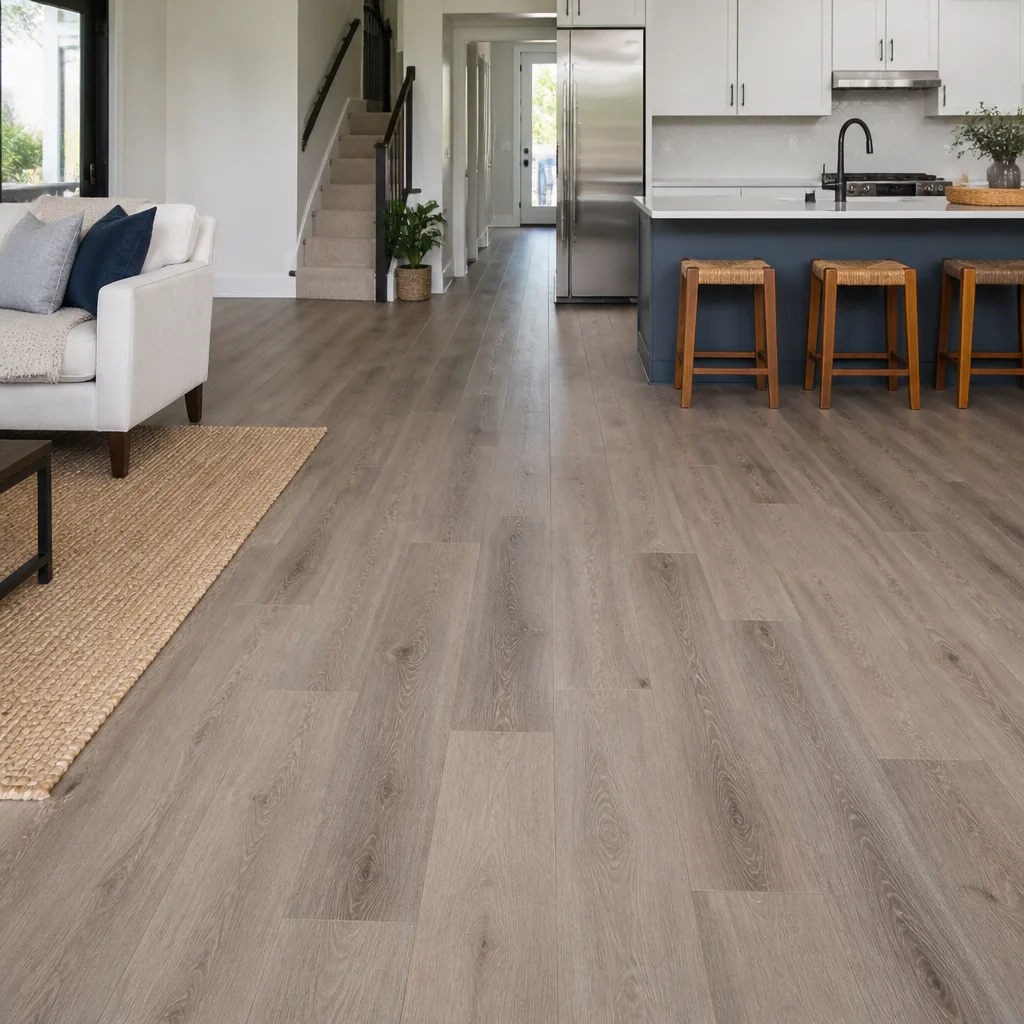 Pergo
Free in-home measure and written estimate: Shaw, Mohawk, COREtec and Pergo lines compared on your own rooms, with carpet, tile, vinyl plank, laminate and hardwood laid out side by side
Get your free estimateThe Complete Guide to Flooring in Whitney
Most buyers in Whitney pick a floor the way they’d pick paint: by color, on a sample board. Then the temperature swings 50 degrees between summer and winter, the floor moves, the grout cracks, and the material nobody warned them about becomes the most expensive decision in the room. Whitney’s high desert climate isn’t a footnote in the buying process; it’s the whole calculus. The same floor that works beautifully in a humid coastal home can fail here, and the floor you’ve been warned against elsewhere can perform for decades. In this guide, we’ll walk through every category against Whitney’s real conditions, the installation details that decide whether a floor lasts, and how Whitney Flooring thinks through a home from room to room.
Quick Answer
The right floor for a Whitney home depends on three things: how much temperature and humidity swing the room sees, how much dust and grit walk in the door, and how the material is installed. Carpet, tile, and hardwood all work here – but the product and the installation details have to match the climate. Choose based on how the home actually lives, not on what looks best in the showroom.
Styles & brands we work with
- Hardwood
- Engineered hardwood
- Luxury vinyl plank
- Laminate
- Porcelain tile
- Carpet
- Shaw
- Mohawk
- COREtec
- Pergo
Table of Contents
- Why Whitney’s climate changes what flooring works
- Flooring categories that make sense in Whitney homes
- The difference between a specialist’s brands and a big-box label
- A room-by-room breakdown for Whitney homes
- Installation details that are non-negotiable in this climate
- What flooring projects typically cost in Whitney
- Should you refinish or replace hardwood?
- Common mistakes to avoid
Why Whitney’s climate changes what flooring works
Whitney sits in Nevada’s high desert, where summer highs climb well past 100°F and winter nights drop toward freezing – a swing of 50 degrees or more between seasons. Indoors, that matters because relative humidity swings with it. Wood absorbs and releases moisture through the seasons, which causes it to expand in the humid months and contract in the dry ones. Broad plank floors move noticeably more than narrow strip floors, and a floor installed tight against a wall with no room to move will crown or cup within a season. Adhesives for tile and some engineered products have temperature and moisture windows during installation, and if those windows aren’t respected, the bond can fail underfoot – sometimes quietly, sometimes not. Grout cracks, too, when the substrate or framing moves under a tile floor that wasn’t given the right allowances. The high desert dust and dry air don’t cause problems on their own; they expose decisions that were already wrong.
We see the same pattern in Whitney homes across the valley. A homeowner loves the look of a wide-plank wood floor, installs it as if the house were in the Midwest, and then wonders why it gaps a year later. The fix isn’t choosing a different look – it’s choosing a different construction, a different plank width, or accepting that the floor requires a specific installation method. That’s the conversation we have at the estimate visit. In our experience, the home’s real conditions tell us more about the right floor than any showroom sample ever will.
Flooring categories that make sense in Whitney homes
All three of our main flooring categories – carpet, tile, and hardwood – perform well in Whitney when the right product and installation are chosen. What doesn’t work is pretending the same product is right for every room. Here’s how we think about each category against this climate.
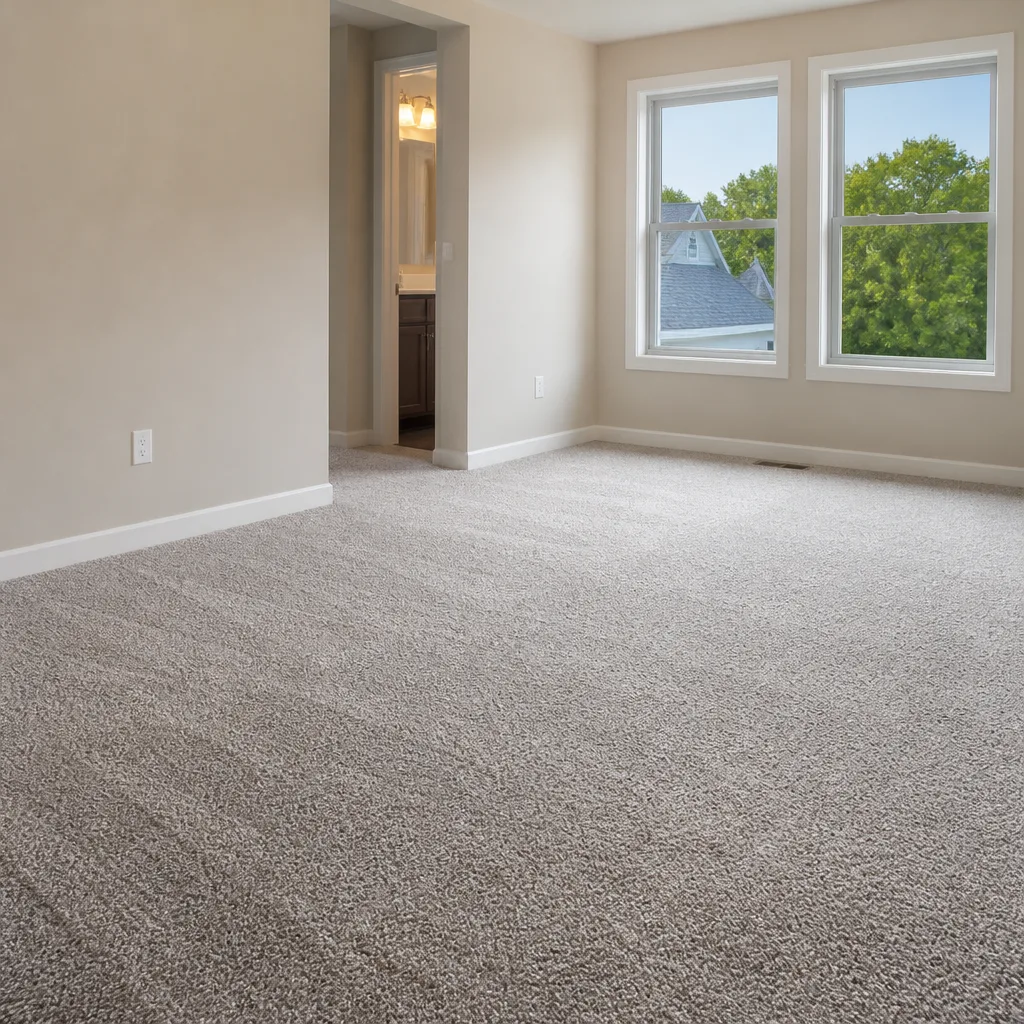
- Carpet handles Whitney homes well in bedrooms and living areas because it doesn’t care about seasonal expansion. It does care about dust and grit, so a good pad and regular vacuuming are the real maintenance story. Carpet is often the best fit for upstairs rooms where a hard floor would be cold and loud.
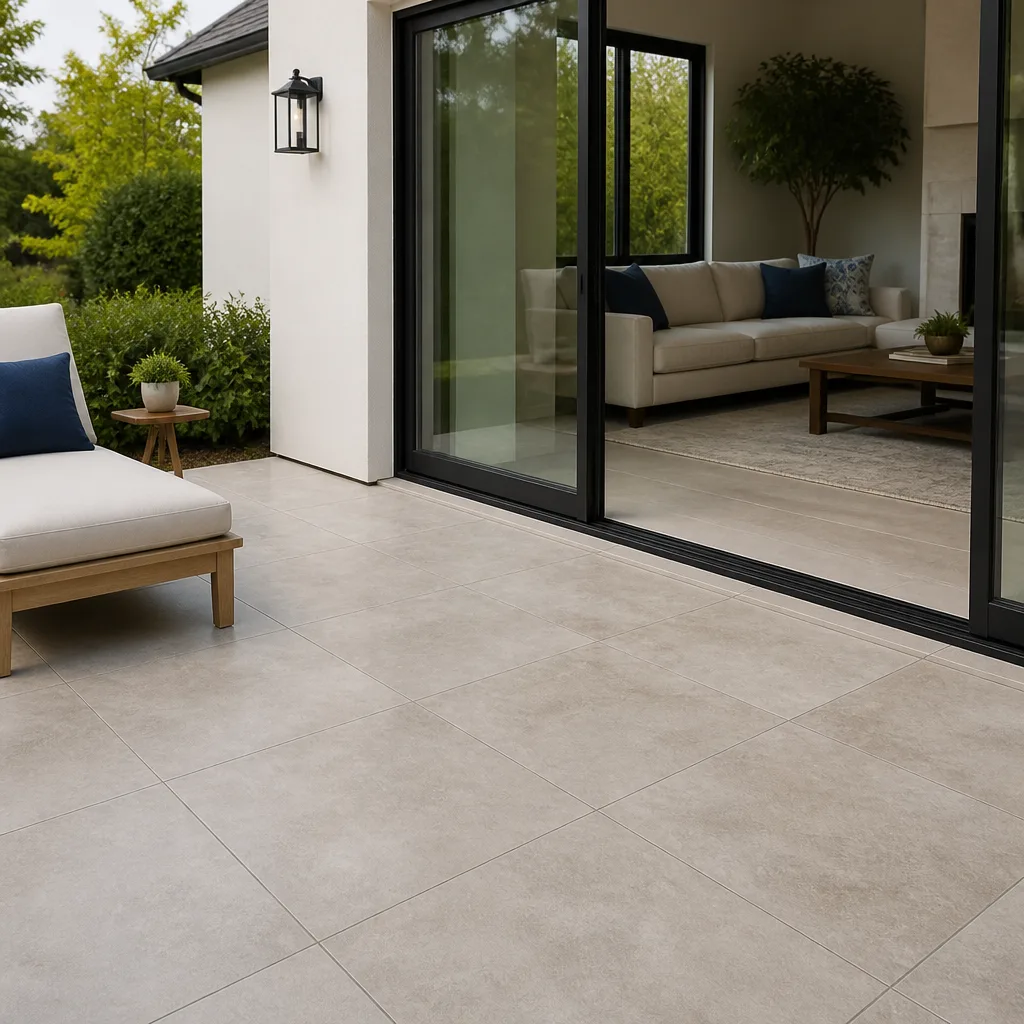
- Tile is the most stable floor in a Whitney home – porcelain and ceramic don’t absorb moisture and don’t care about the humidity swing. The two things that decide whether a tile floor lasts are the substrate prep and the grout choice; both are handled at installation.
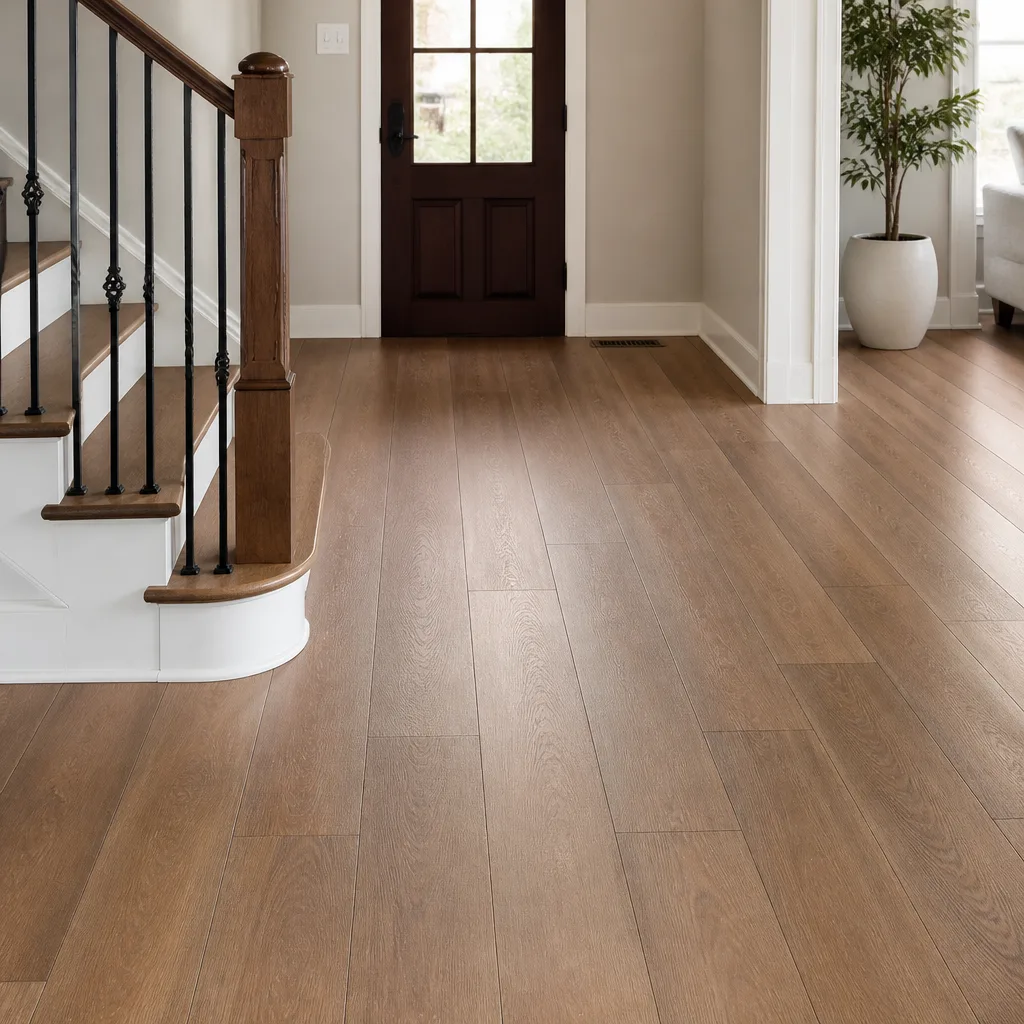
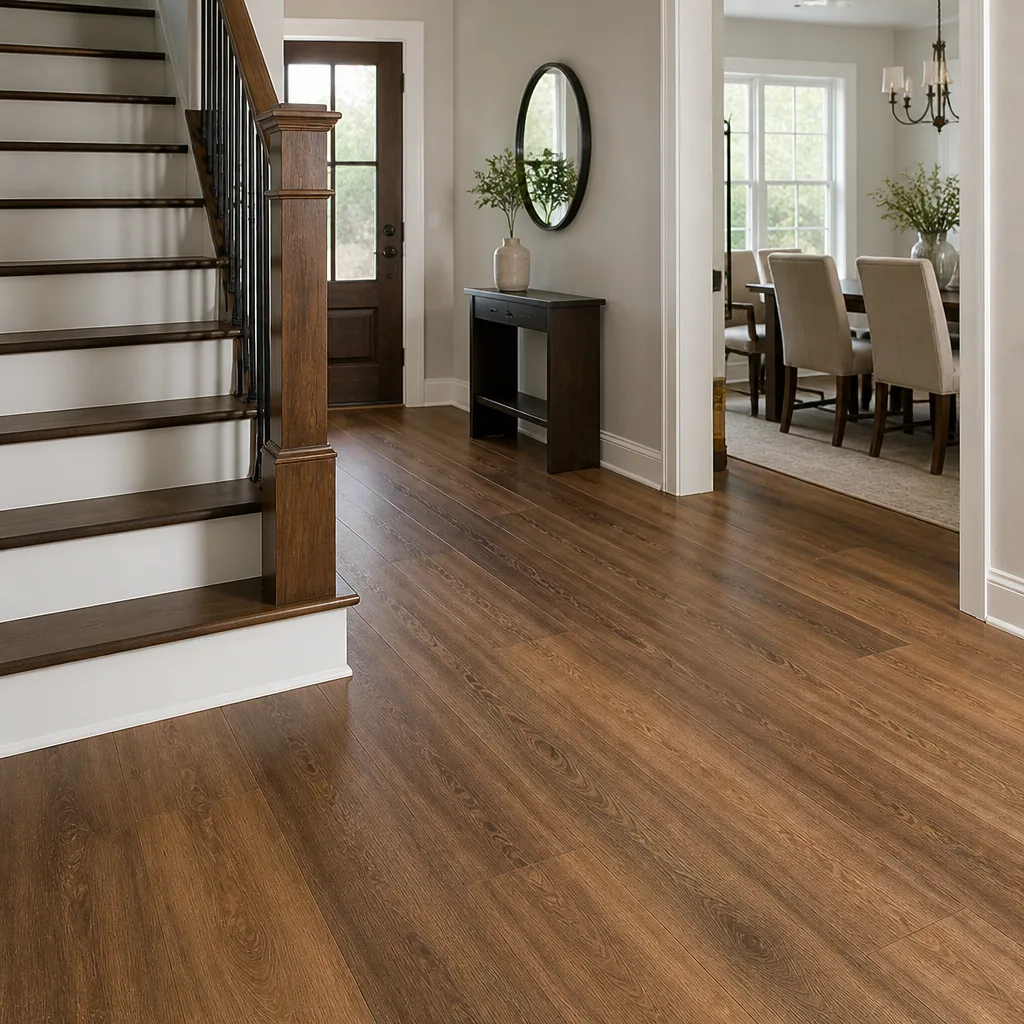
- Hardwood works beautifully here when the product and installation match the home. Engineered hardwood handles the swings better than solid in most Whitney houses. Solid wood can work too, but the subfloor, the humidity control in the home, and the plank width have to line up.
What about the categories we don’t install? We get asked about luxury vinyl plank and laminate all the time. Those can be good floors, but they’re not what we do, and we won’t pretend otherwise. Our focus is deep expertise in three categories, supplied by nine brand names and installed by technicians whose skills are floor-specific. That focus is the reason you’ll get a straight answer about what works in a Whitney home and what doesn’t.
The difference between a specialist’s brands and a big-box label
A big-box store has its own private-label product and a rotating list of what it stocks. A flooring specialist has a brand roster you can research before you buy. That difference matters more than most homeowners expect, because the brand tells you something about the construction of the product, not just its color.
At Whitney Flooring, we work with nine brands: Shaw, Mohawk, COREtec, Pergo, LifeProof, Mannington, Armstrong, Daltile, and Karndean. That’s a range that gives real choice across price points and material types. Shaw and Mohawk cover a huge span of carpet construction. Daltile is the same tile supplier that professional designers and commercial builders use, which means residential tile projects can draw from commercial-grade options. And the LVP brands – COREtec, Karndean, and LifeProof – are among the most durability-tested lines in their category.
Here’s how to use a brand roster when you’re shopping:
- Find the product you like by look and category first.
- Look up the specific construction and installation requirements from the manufacturer.
- Ask how the product handles temperature and moisture swings in a high desert home.
- Confirm the installation method matches your subfloor and the room’s conditions.
- Get a written estimate that names the product and the installation method.
That’s a very different experience from walking into a store and being told what’s in stock. Brand names you can research before you buy are the whole point.
A room-by-room breakdown for Whitney homes
The right floor in Whitney depends on the room, not the house. Here’s how we walk through the common spaces in a Whitney home and what each one actually needs.
Entryways
Whitney’s dusty stretches between rains mean grit gets tracked in and ground into whatever’s underfoot. Carpet in an entryway collects that grit and wears faster than anywhere else in the house. Tile is the better choice at the door – it takes the abuse, wipes clean, and doesn’t trap the dust. A dense, easy-to-clean tile in an entry is one of the highest-value upgrades in a Whitney home.
Living and family rooms
These rooms see the most hours of use and the most furniture movement. Carpet with a quality pad is comfortable and quiet for a family room. Hardwood or tile works for a room that gets a lot of foot traffic and needs to handle spills. The call comes down to how the family actually uses the space, not to which one looks best.
Bedrooms
Carpet is usually the right answer for Whitney bedrooms – soft underfoot, quiet, warm in the winter. Hardwood works in a primary bedroom that’s been designed around a hard surface throughout, and the seasonal movement is manageable with the right installation.
Kitchens and bathrooms
Tile is the default for both rooms. Tile handles spills, moisture, and the dry-to-wet cycle better than any other surface. Grout choice matters here – a grout that handles moisture and temperature swings will outlast one that’s chosen purely for color.
Rooms with radiant heat
Radiant heat is common in Whitney homes, and it narrows the field. Tile handles it well. Engineered hardwood can work if the product is rated for it. Carpet works if the pad is rated for it. The room-by-room answer is simple: check the product’s installation requirements against the system before you buy, because not every product is compatible.
Installation details that are non-negotiable in this climate
The best product in the world fails if the installation ignores Whitney’s conditions. These are the details we don’t skip.
- Acclimation. Every material that can move gets time in the home to reach its installed environment before it’s fastened down. The product instructions set the number; skipping it is how a floor gaps in six months.
- Moisture and vapor barriers. Concrete slabs wick moisture – an issue in Whitney homes just as anywhere else. The barrier goes down before the floor, and testing determines how much barrier is needed.
- Expansion gaps. Every wood and tile floor needs room to move at the walls and at doorways. A floor that’s tight against a wall, in a climate with seasonal humidity swings, is a floor waiting to crown or crack.
- Subfloor prep. Flat, clean, dry, and sound. Tile needs a stable substrate to prevent cracking. Wood needs a stable one to prevent squeaks and movement.
- Adhesive and grout choice. These products have temperature and moisture windows. Using the right one for the room and the season is part of the job, not an afterthought.
- Transition planning. Especially in a mixed-floor home – which is most Whitney homes – the boots and transitions between carpet, tile, and hardwood have to be planned before installation starts, not after.
What you should take away from this list is not how to do it yourself. It’s what to ask before you hire anyone. The written estimate should name the product, the installation method, and the prep work. If it doesn’t, keep asking.
What flooring projects typically cost in Whitney
Flooring prices depend on the product, the square footage, the prep work, and the install method. What follows are typical estimated ranges in the Whitney market, and the written estimate you receive sets the final price. They aren’t a quote, and no honest flooring company would give you a firm number over the phone.
- Carpet installation, mid-grade product and pad: typically $3 to $6 per square foot installed.
- Carpet installation, premium product and pad: typically $6 to $10 per square foot installed.
- Tile installation, standard porcelain or ceramic: typically $6 to $12 per square foot installed.
- Tile installation, large-format or intricate pattern: typically $10 to $20 per square foot installed.
- Hardwood refinishing: typically $3 to $6 per square foot.
- Hardwood installation, engineered product: typically $7 to $14 per square foot installed.
Prep work, subfloor repair, and removal of the old floor add to the total. Whitney homes often have mixed floors, and matching a new floor to an existing one at a doorway takes a transition piece and a little extra planning. That’s the kind of thing that’s better discussed at the estimate visit than discovered mid-job. Call (833) 620-5226 to schedule a free estimate, and we’ll give you a written price for your specific home.
Should you refinish or replace hardwood?
Refinishing is often the smart first option. If the existing hardwood in a Whitney home is solid or thick enough, the floor can be sanded back and finished fresh instead of torn out and replaced. That preserves the original character of the house, saves money versus a full replacement, and adds years of life to what’s there. The catch is that not every floor can be refinished. It depends on the thickness of the wood and its condition – things we check at the estimate visit.
Here’s how we think about it:
- Refinish if the wood is thick enough, the boards aren’t badly damaged, and the finish is worn but the structural material is sound.
- Replace if the boards are too thin, water damage or structural problems have reached the wood itself, or the existing floor is the wrong product for the room.
- Consider either if the floor is intact but the color or finish no longer fits the room.
Refinishing is a process-driven service and it takes a skilled hand. Our technicians have up to 12 years of experience, and refinishing is a core part of what they do – not an afterthought bolted onto installation. In our experience, homeowners who refinish are usually happily surprised by how much floor is still there underneath the wear. Not every floor can be refinished, and a stain won’t always match a sample, but a lot of Whitney homes have a floor worth saving.
Common Mistakes to Avoid
- Choosing the product on color alone. A floor that matches the paint but doesn’t match the room’s moisture and temperature conditions is a floor that will disappoint. Match the product to the room first, then the color.
- Skipping acclimation to save time. In a Whitney home with 50-degree seasonal swings, a floor that isn’t given time to adjust before installation gaps or crowns within a season. The product instructions set the time; don’t rush it.
- Choosing grout by color instead of by performance. Grout is what cracks first when a tile floor fails in this climate. Pick a grout that handles the room’s moisture and temperature conditions.
- Installing wood tight against the walls. Every wood and tile floor needs expansion room at the walls and doors. If you skip it, the floor will find its own space to move, and you won’t like where.
- Buying on price per square foot alone. Two products with the same per-square-foot price can have very different installation requirements and prep costs. Compare the installed cost, not the product line.
- Using a general contractor for flooring. Flooring has its own installation standards and its own climate considerations. A specialist’s training is floor-specific for a reason.
- Forgetting the transition between rooms. Mixed-floor homes are the norm in Whitney. Plan the transitions at the same time as the install, not after.
See the difference
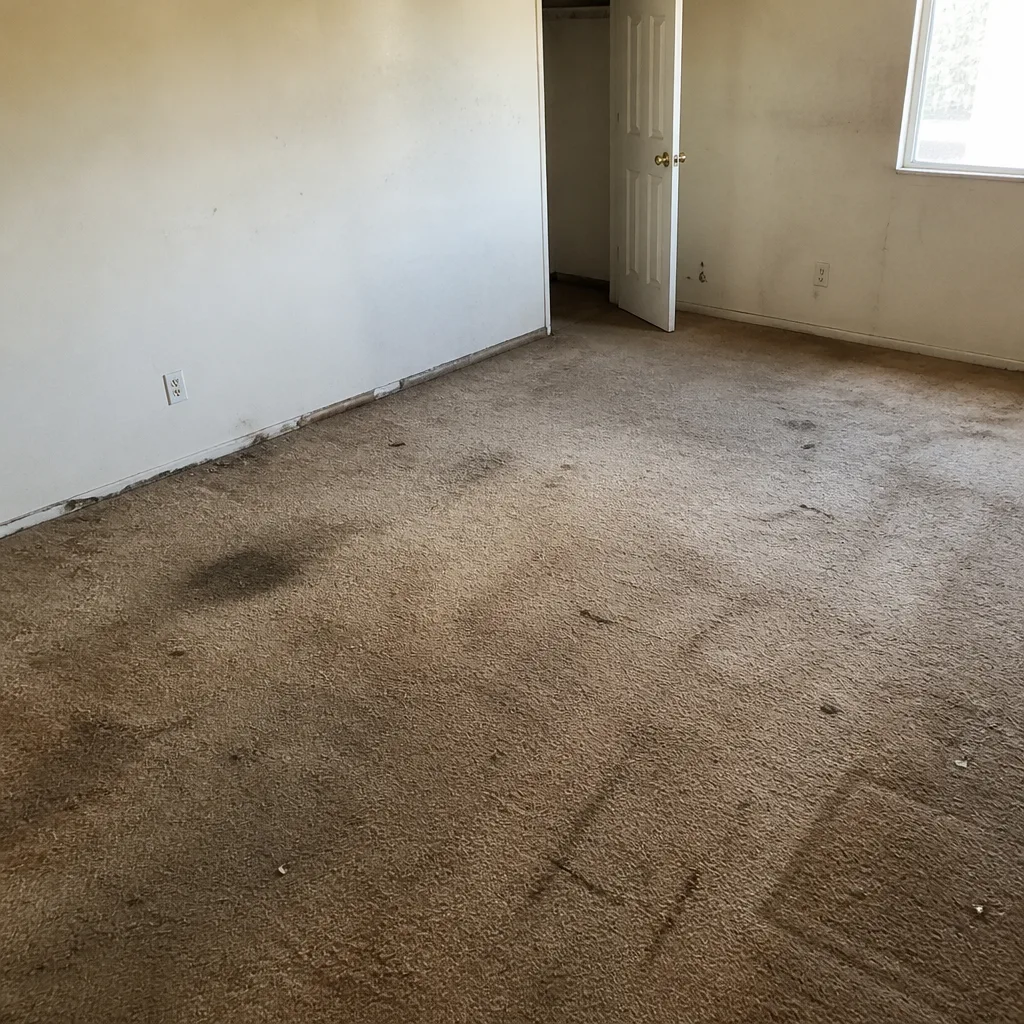 Before
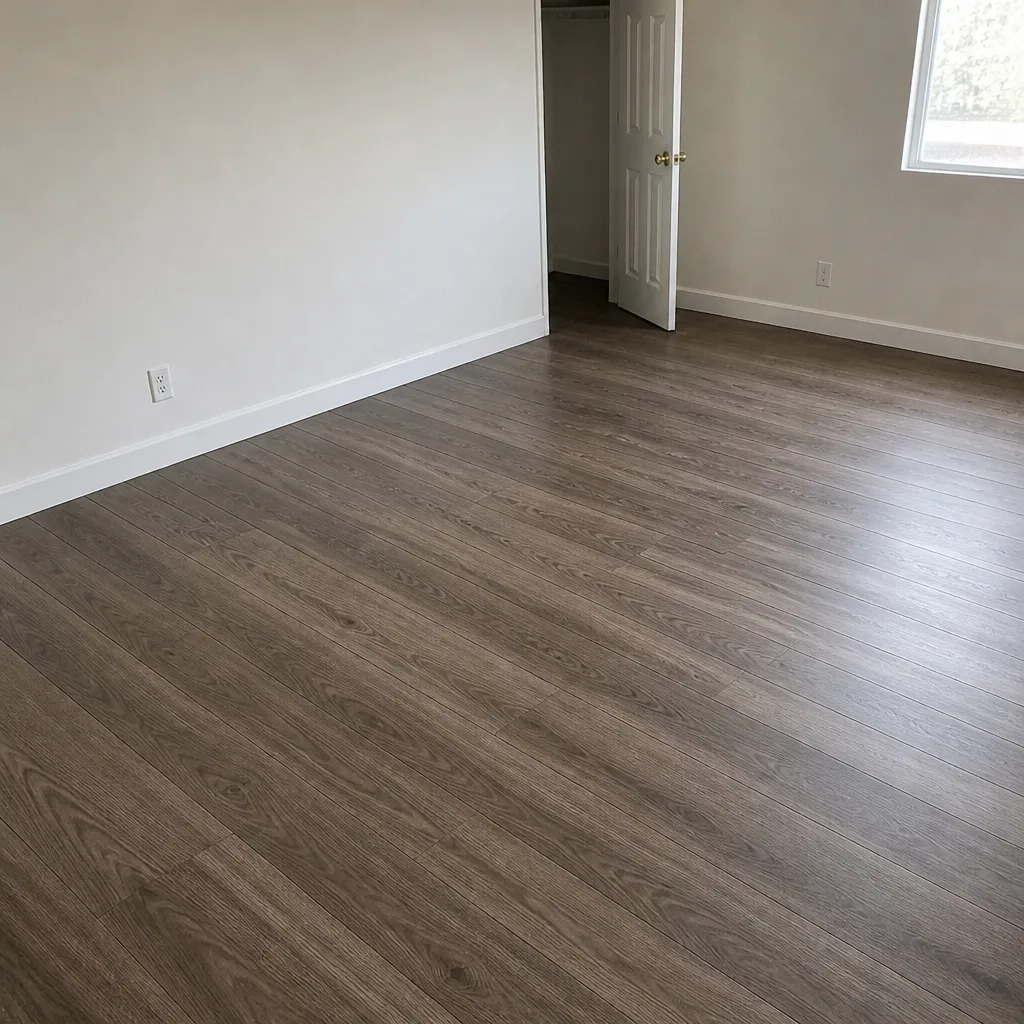 After
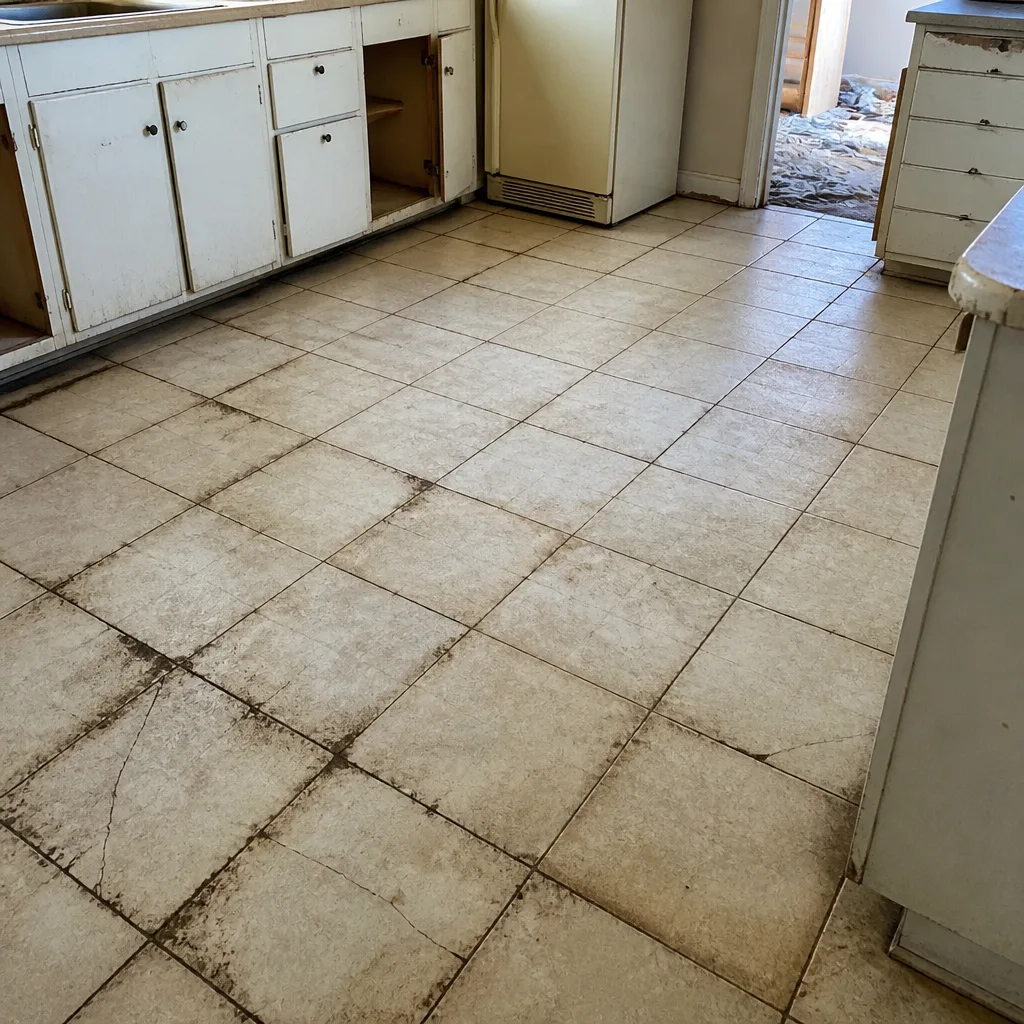 Before
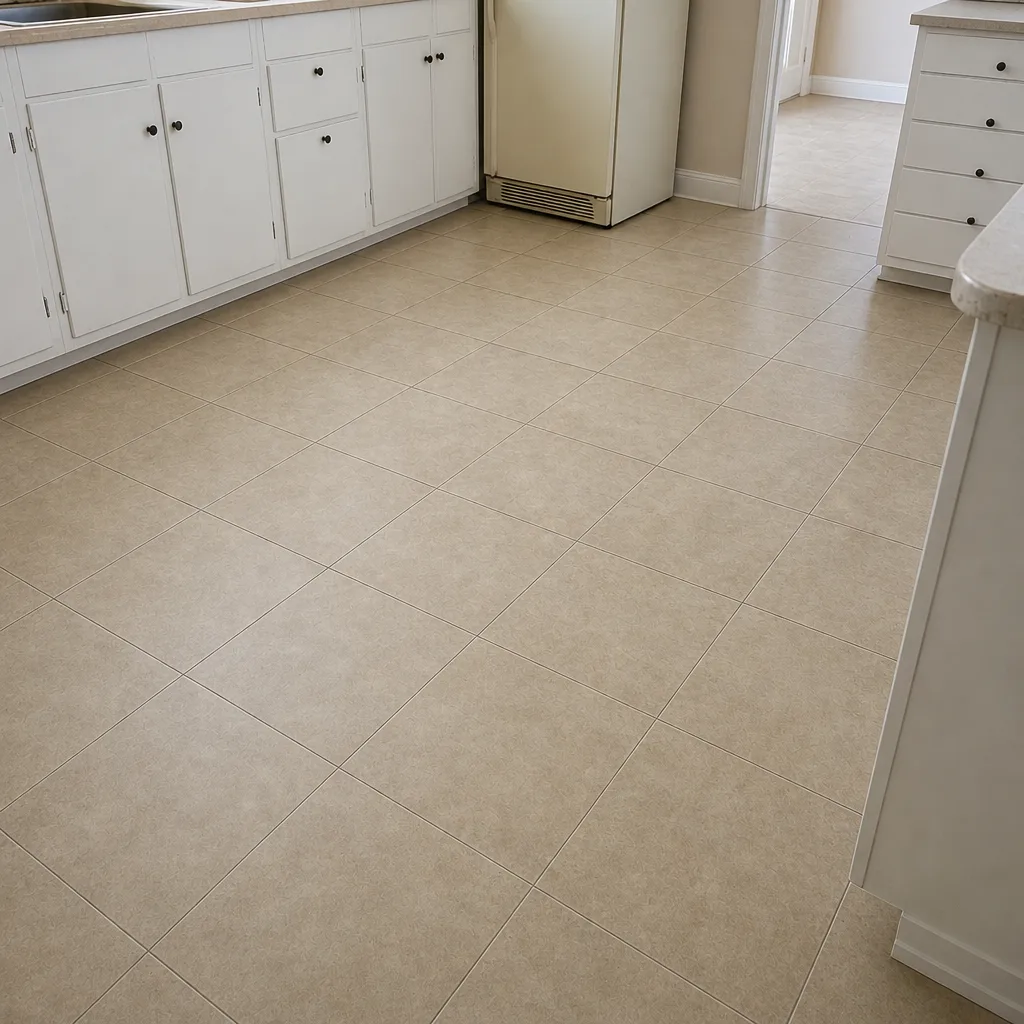 After
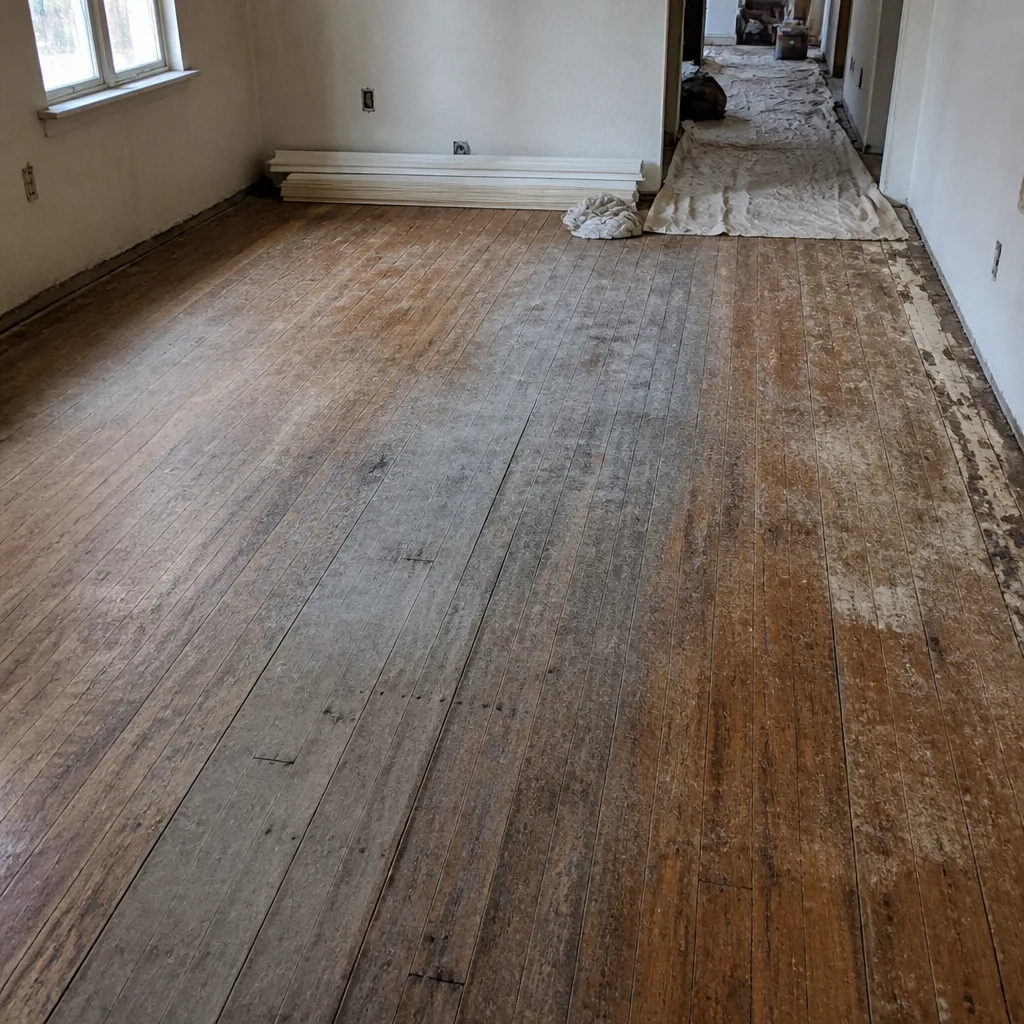 Before
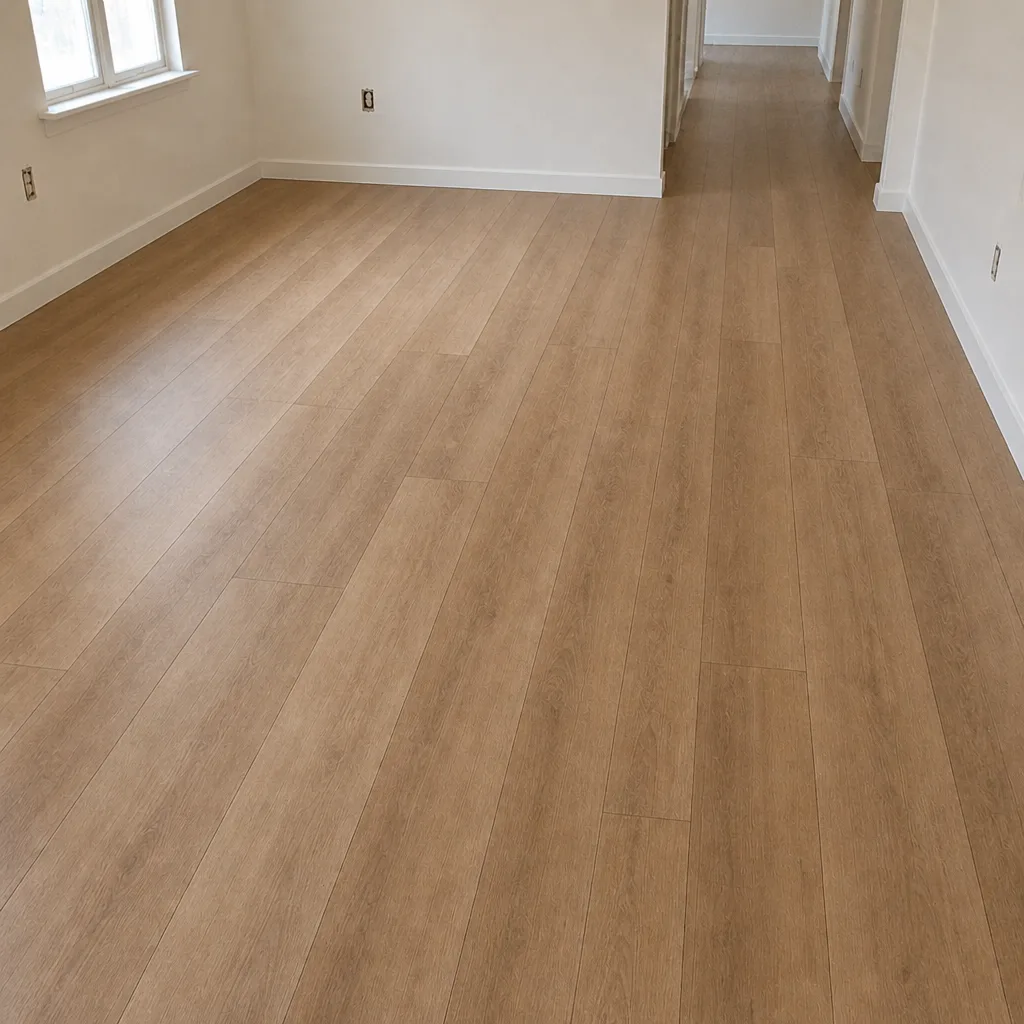 After
When to Call a Professional
Some flooring decisions are easy to make yourself. Others need an expert eye. Call a professional if any of the following is true: the floor is showing gaps, crowning, or cupping after a season; grout is cracking in more than one place; you’re planning a whole-home update and want to keep the floors consistent at the doorways; the existing hardwood might be refinishable but you’re not sure; or the room has radiant heat and you don’t know which products are compatible. For tile, an uneven substrate will show up in the finish, and that’s usually the difference between a professional install and a homeowner’s first attempt. Whitney Flooring offers free estimates in Whitney – call (833) 620-5226 to schedule yours. Our technicians are experienced in all three categories and will walk you through the decision with a written price in hand.
Frequently Asked Questions
There isn’t one best floor for every Whitney home – the best floor depends on the room. Tile handles kitchens, bathrooms, and entryways best because it’s stable through moisture and temperature swings. Carpet is the right fit for bedrooms and family rooms where comfort and quiet matter. Hardwood works well in living areas when the product and installation match the home’s conditions. The room-by-room breakdown above walks through each space.
Yes. Whitney’s high desert climate swings 50 degrees or more between seasons, and indoor humidity swings with it. Wood absorbs and releases moisture, so it expands in the humid months and contracts in the dry ones. Wide-plank floors move the most. Engineered hardwood handles the swings better than solid in most Whitney homes, but the installation details – acclimation, expansion gaps, moisture barriers – matter more than the product choice alone. Call (833) 620-5226 to talk through the right product for your home.
The schedule is set at the estimate, not before. How long a job takes depends on the square footage, the product, the prep work required, and whether the old floor has to come out. As a general rule, a single room is a shorter job than a whole-house installation, and tile takes longer than carpet. The written estimate you receive at the visit gives you the schedule along with the price. Call (833) 620-5226 to schedule a free estimate.
Refinishing is usually cheaper than replacing, and it preserves the original character of the floor. Whether refinishing is possible depends on the thickness of the wood and its condition, both of which we check at the estimate visit. Not every floor can be refinished, and a stain won’t always match a sample. In Whitney homes with solid hardwood, refinishing is often the smart first option before assuming the floor needs replacement. Call (833) 620-5226 to find out if yours is a candidate.
Sometimes. Concrete slabs wick moisture from below, and a vapor barrier prevents that moisture from reaching the floor. Whether you need one depends on the slab, the product, and the floor’s location in the home. The answer is determined at the estimate visit, and the barrier requirement is set out in the written estimate. It isn’t something to guess at before installation.
Yes, with the right product. Tile works with radiant heat. Engineered hardwood works if the product is rated for it, and carpet works with a pad rated for the system. The determining factor is the product’s installation requirements, not the floor category. Bring the radiant heat detail up at the estimate visit so the right product is chosen from the start. Call (833) 620-5226 for a free estimate.
The Bottom Line
The floors that hold up in Whitney are the ones chosen for the room and installed for the climate. Tile handles moisture and temperature swings; carpet handles bedrooms and family rooms; hardwood works when the product and installation match the home. The brands matter because the construction matters, and the installation details – acclimation, vapor barriers, expansion gaps, subfloor prep – are what decide whether a floor lasts a season or a generation. Refinishing is worth checking before replacement. And when a specialist walks your home and writes a real estimate, you find out what your floor actually needs instead of guessing. Whitney Flooring is a flooring specialist covering carpet, tile, and hardwood with nine brand names available, and we’d be glad to walk you through your home’s options.
Ready to price your project? Call Whitney Flooring at (833) 620-5226 for a free estimate. We answer 24/7. Fast dispatch from 7am to 7pm, Sunday through Friday. You’ll walk through the rooms, the products, and the installation details with an experienced technician, and you’ll get a written estimate with the final price before anything is ordered or scheduled.
For the full picture of what we do, start at Whitney Flooring, or jump directly to carpet installation and tile flooring installation. You can also learn more about our home base at Whitney.
Written by the team at Whitney Flooring.