
Last updated November 18, 2026
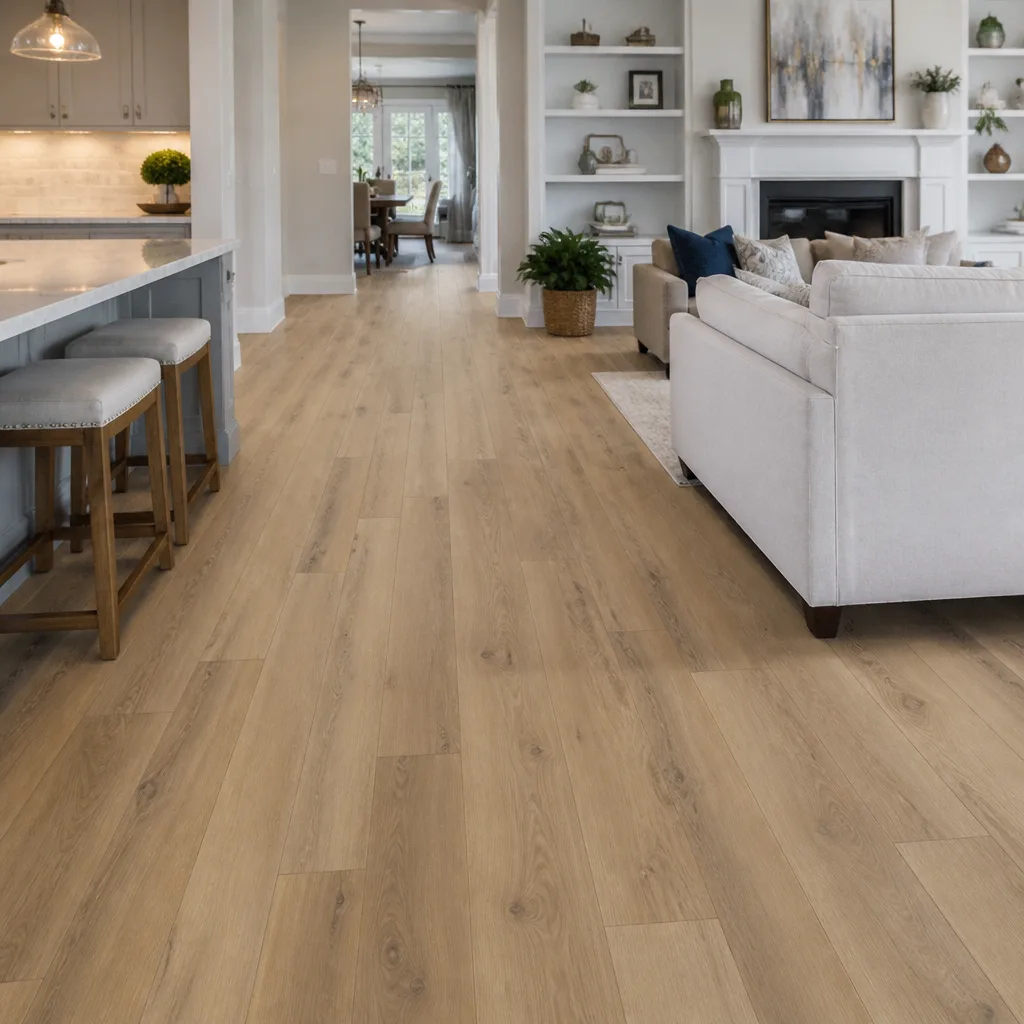 Luxury vinyl plank
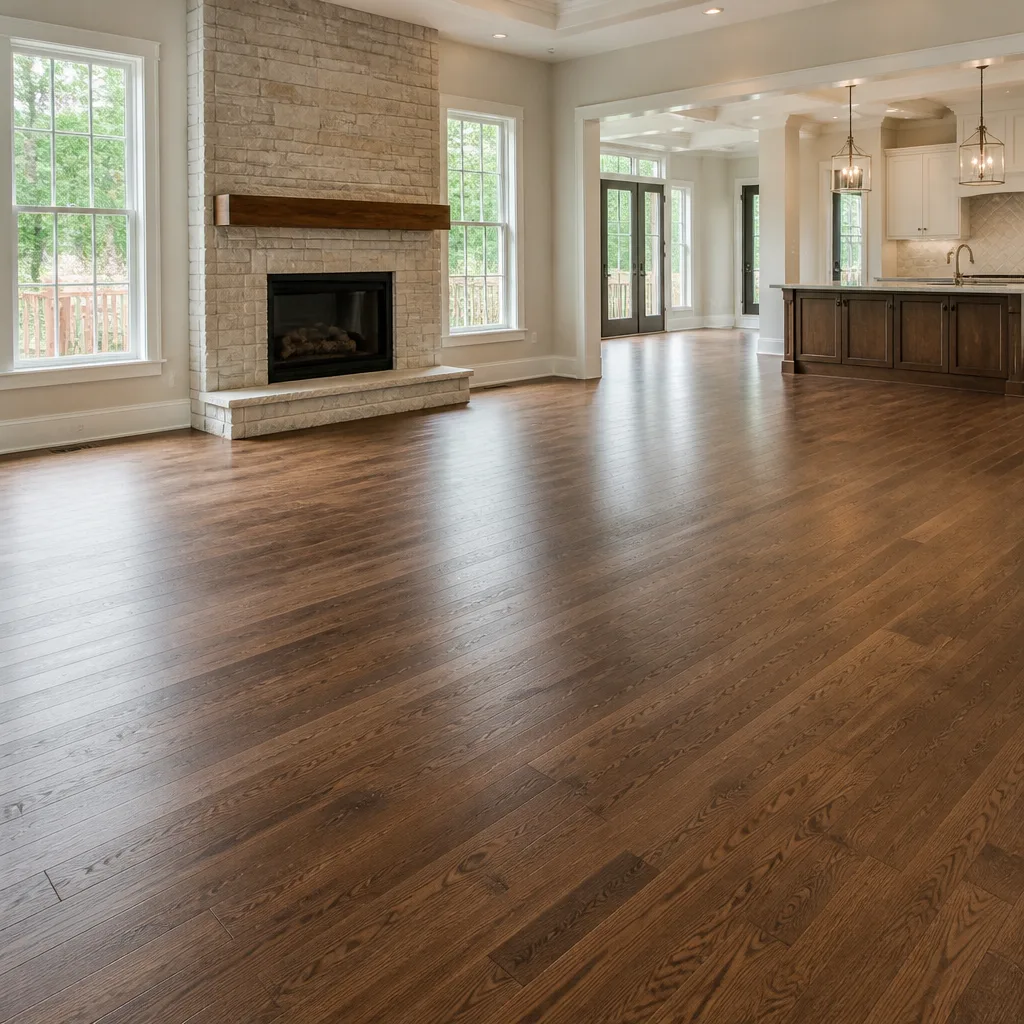 Hardwood
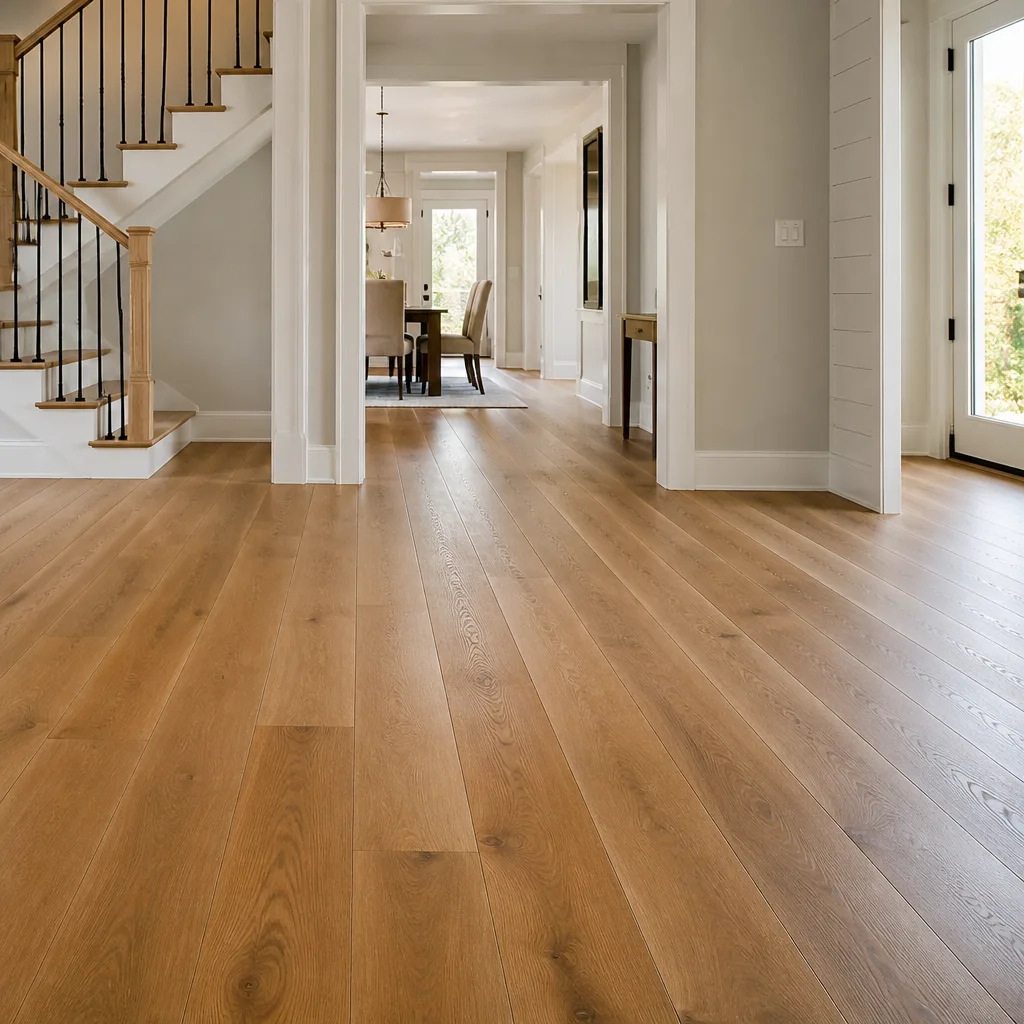 Engineered hardwood
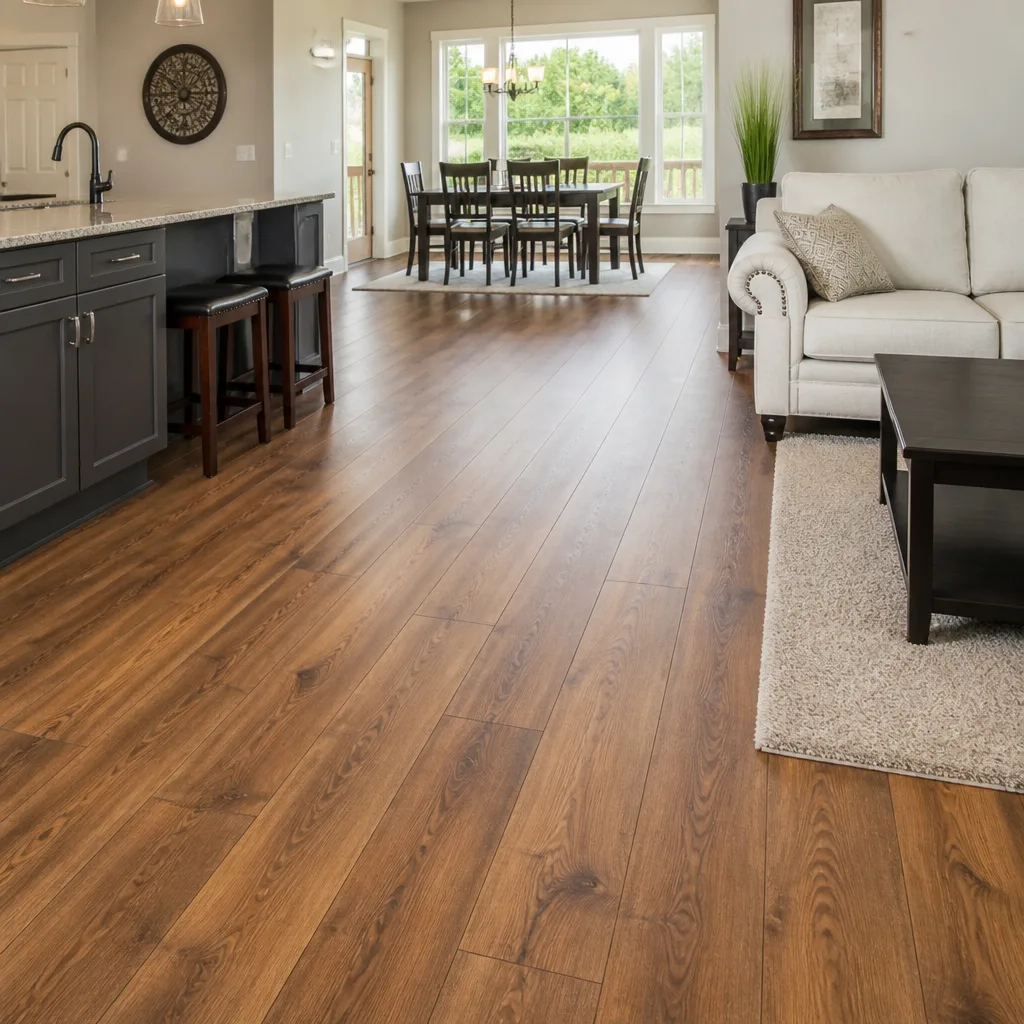 Laminate
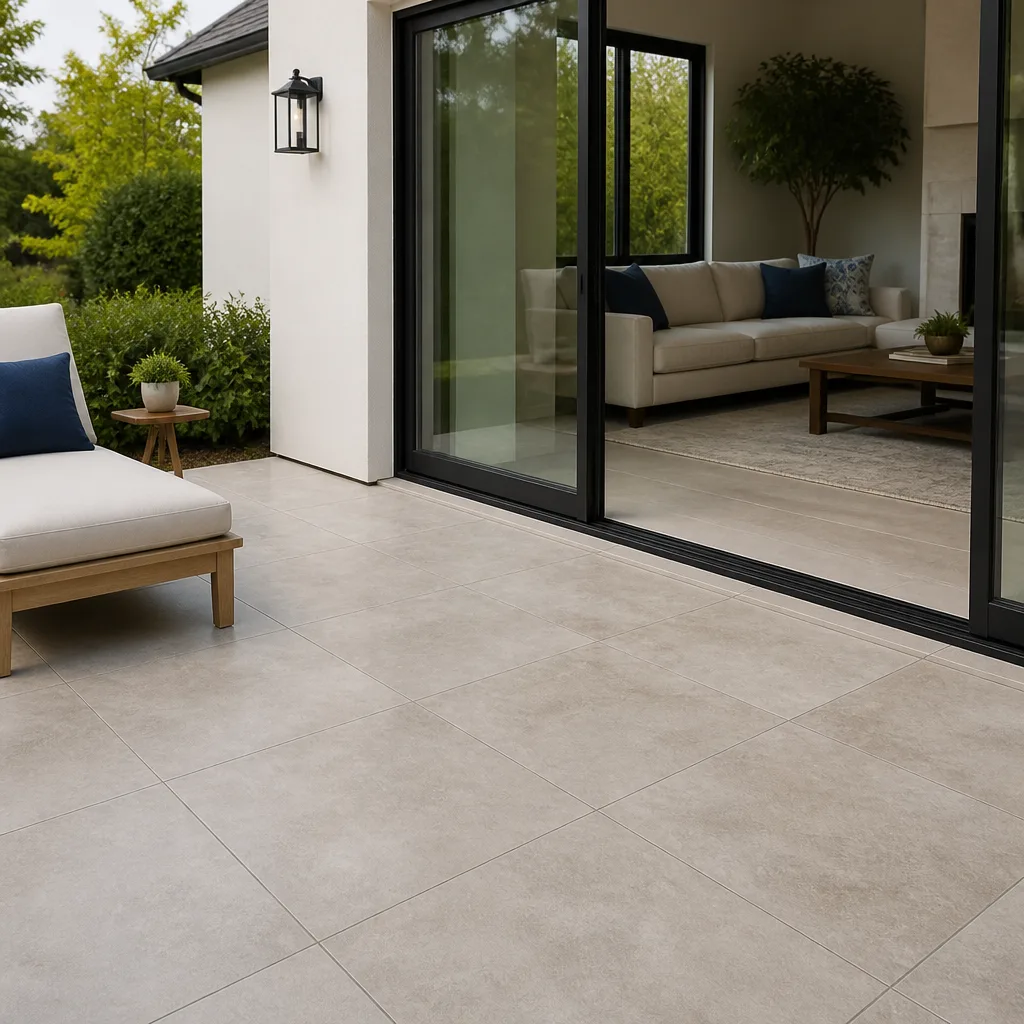 Porcelain tile
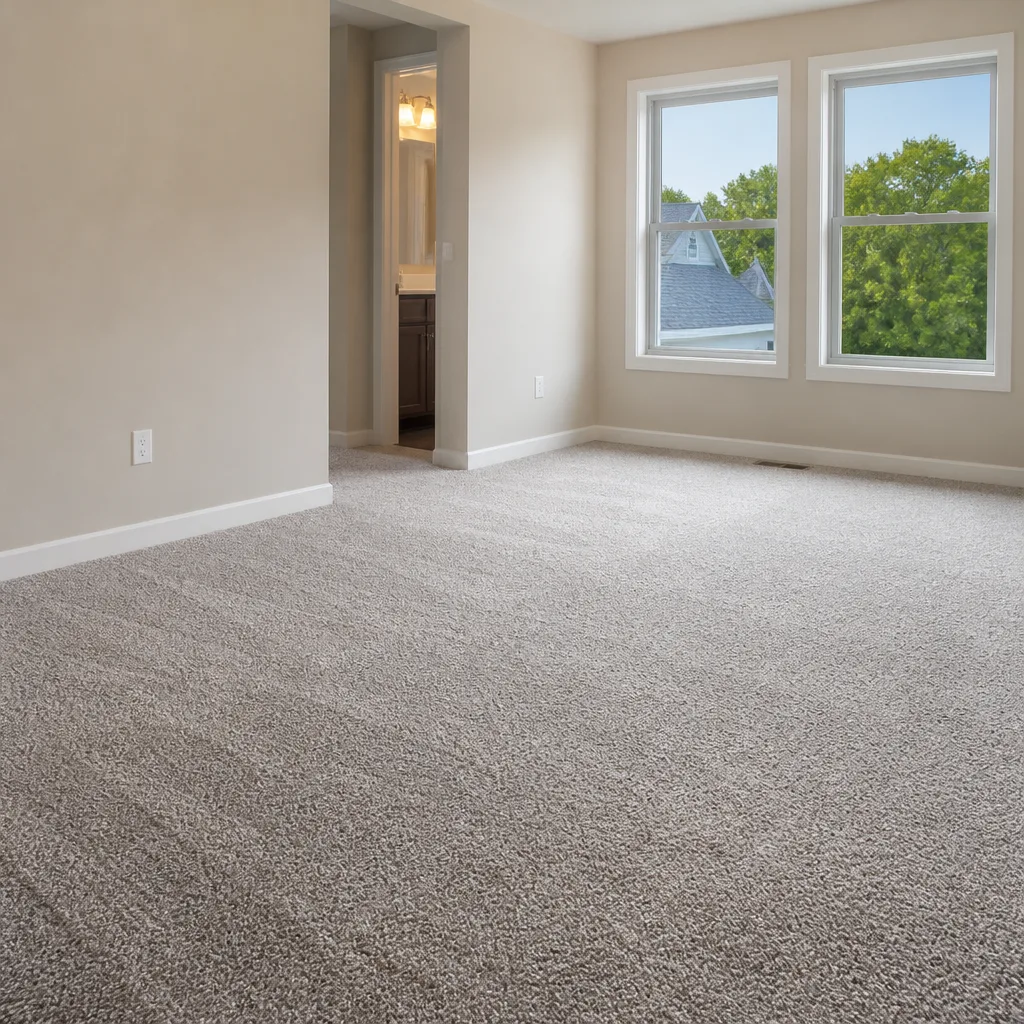 Carpet
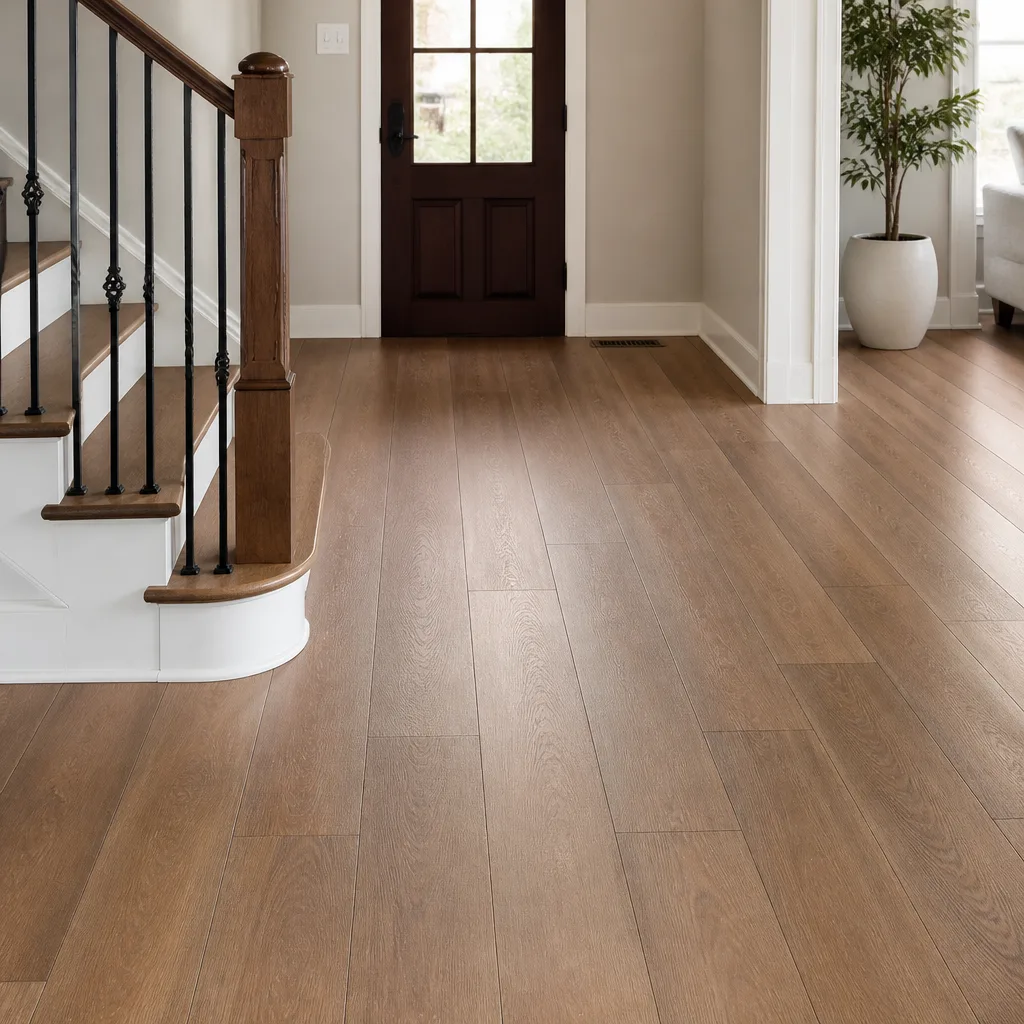 Shaw
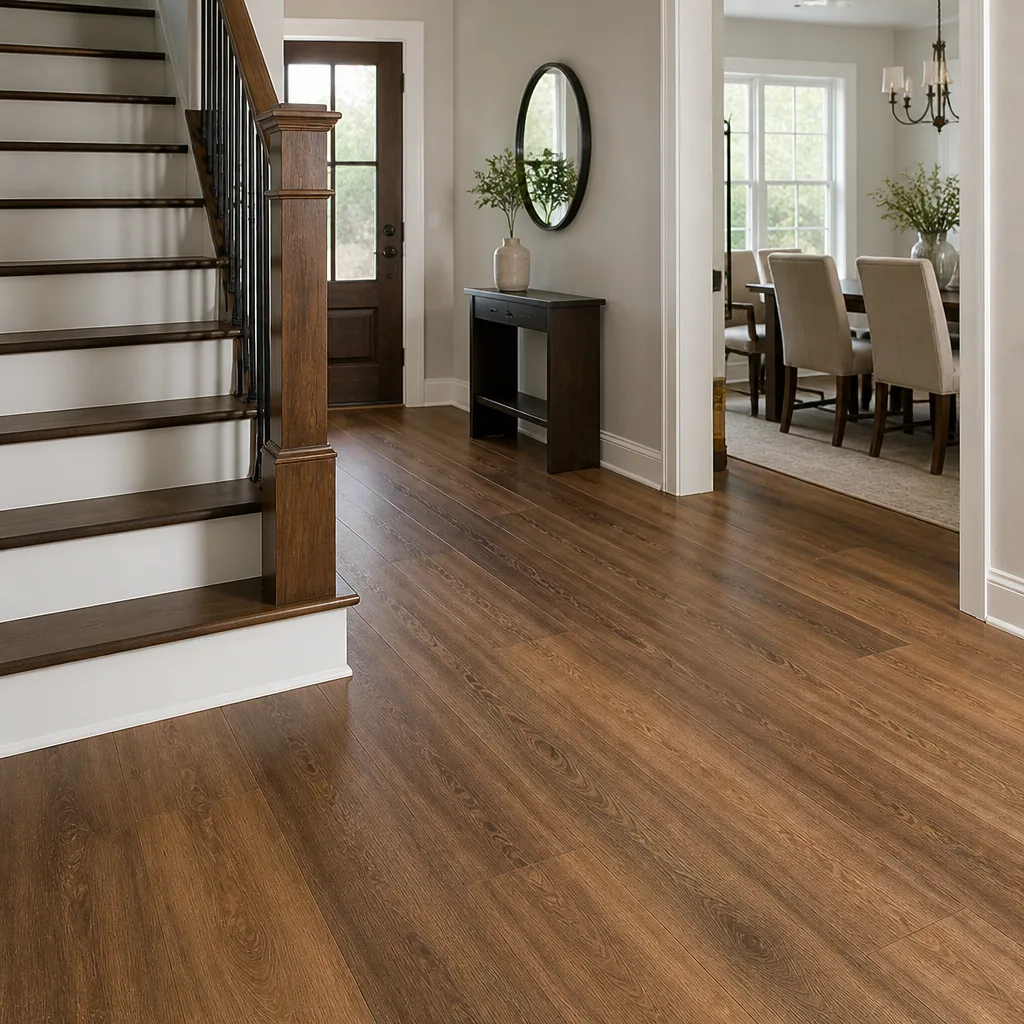 Mohawk
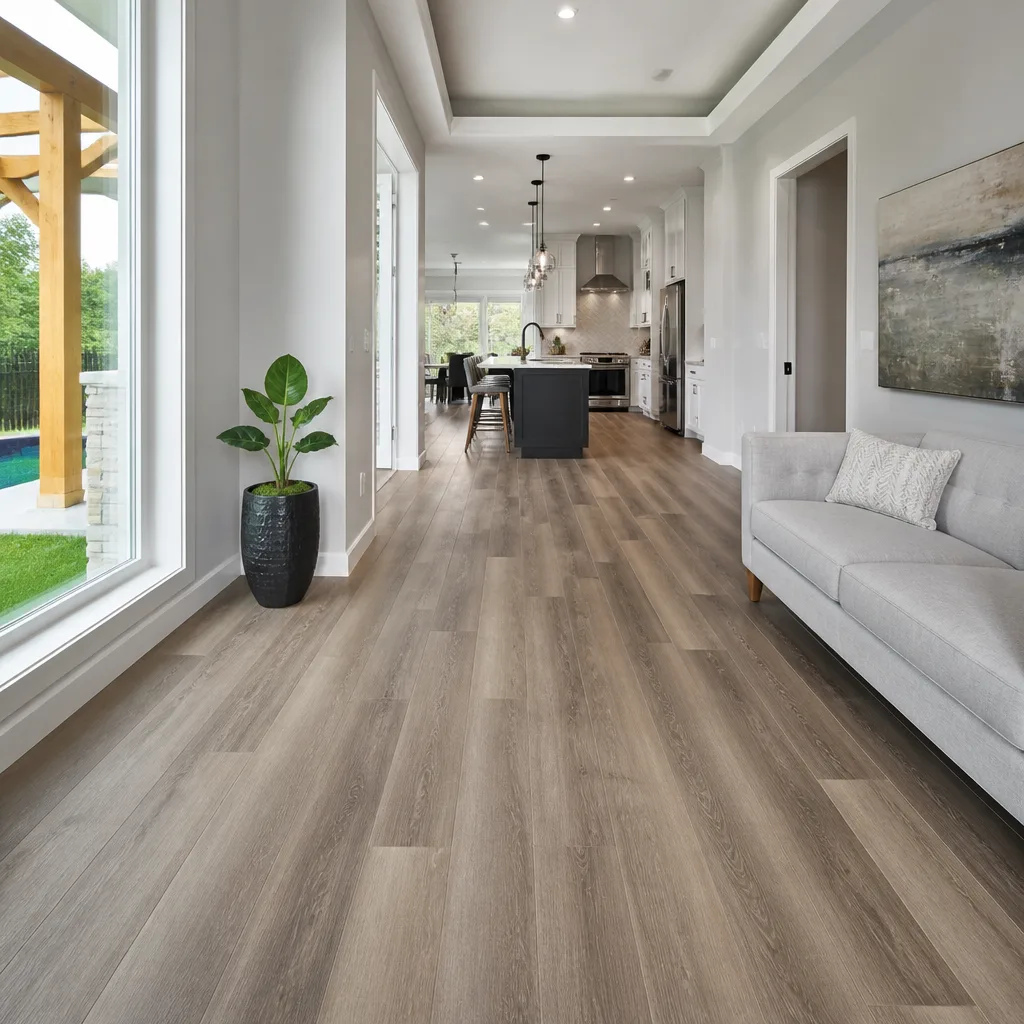 COREtec
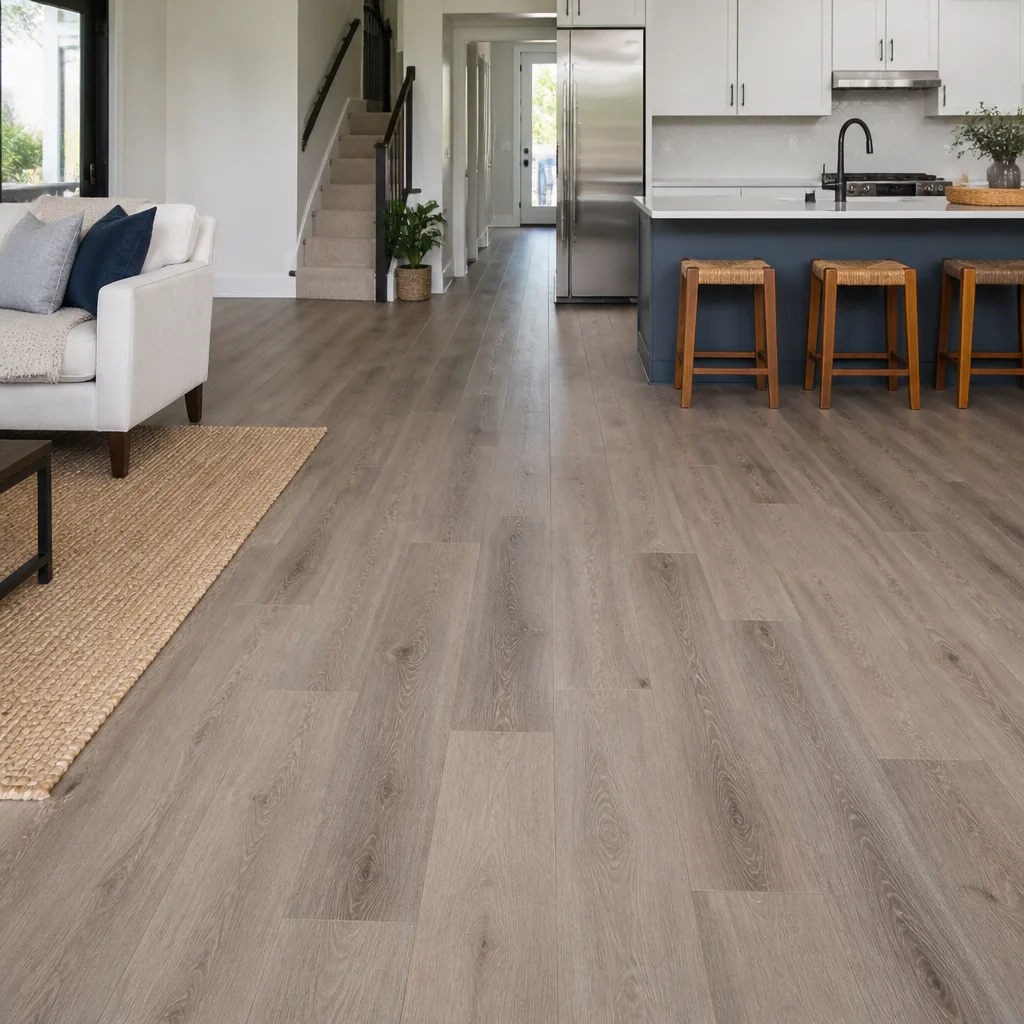 Pergo
Free in-home measure and written estimate: Shaw, Mohawk, COREtec and Pergo lines compared on your own rooms, with carpet, tile, vinyl plank, laminate and hardwood laid out side by side
Get your free estimateHardwood, Vinyl Plank, Laminate or Tile: How Whitney Homeowners Decide
Vinyl plank won’t warp in dry heat, but it will indent under a heavy bookcase over time – a tradeoff hardwood doesn’t have. That’s why the usual advice, “LVP beats hardwood,” is only true for some homes. The hardwood-versus-vinyl debate gets framed as luxury versus budget, and that framing misses the real decision. What you’re actually choosing is a set of weaknesses, and the smart pick is the one whose weaknesses are least likely to become your problem given how you live. This guide walks through each material’s primary failure mode in Whitney‘s conditions, how brand quality shifts performance within a category, and where laminate genuinely earns its place. By the end you’ll know which questions to bring to a Whitney Flooring estimate.
Quick Answer
The right floor in Whitney comes down to failure modes, not price tiers. Hardwood gaps in dry indoor air but can be sanded and refinished for a second life; luxury vinyl plank resists moisture and heat movement but indents under heavy point loads; laminate handles daily traffic well but swells at the edges if water sits; tile shrugs off water and wear but its grout lines crack as a house moves. Match the material to your home’s humidity swings, furniture weight, and traffic, and check the brand and construction within the category before you compare categories.
Styles & brands we work with
- Hardwood
- Engineered hardwood
- Luxury vinyl plank
- Laminate
- Porcelain tile
- Carpet
- Shaw
- Mohawk
- COREtec
- Pergo
Table of Contents
- Why failure modes matter more than price tiers
- Hardwood: gapping, species, and the refinish option
- Vinyl plank: indentation, wear layer, and what the spec means
- Laminate: edge swelling and its honest use cases
- Tile: grout cracking and where it earns its keep
- How brand quality within a category changes performance
- Matching the material to your Whitney home
- What a professional install changes
Why Failure Modes Matter More Than Price Tiers
Most flooring comparisons sort materials by cost, as if budget were the only variable. It isn’t. Every floor is a bet on which conditions it will face, and Whitney homes present a specific set: hot, dry summers, cooler winters, and indoor air whose moisture content swings with the seasons and with how hard the heating and cooling run.
When you frame the choice around failure modes – the way a floor actually goes wrong – the decision gets clearer. Here’s the short version of what each material tends to do in a Whitney home:
- Hardwood moves with indoor humidity. In dry seasons, boards can shrink and gaps open between them. It’s also the only material here that can be sanded and refinished later.
- Luxury vinyl plank handles temperature and moisture movement well, but it can indent under heavy furniture or sharp point loads over time.
- Laminate is a strong performer under foot traffic, but its core and edges swell if water stands on the surface or reaches the seams.
- Tile resists water and wear better than anything else here, but the grout lines can crack as the structure and subfloor move.
None of these is a defect. They’re the physics of the material. The question is which one you can live with, given your furniture, your traffic, and how your particular Whitney home holds moisture. In our experience, homeowners who start with that question regret their choice far less than the ones who start with the price sheet.
Hardwood: Gapping, Species, and the Refinish Option
Hardwood is the only floor in this lineup that can be restored rather than replaced. That alone changes the math. But hardwood also has the most visible relationship with Whitney’s dry indoor air, and species choice affects how gracefully it handles that.
When indoor humidity drops, wood boards lose moisture and shrink slightly. On a floating or nailed floor you’ll see thin gaps open between boards; in more humid months they close back up. Some movement is normal and not a sign of a bad install. What matters is how much a species moves.
Species and dry-climate behavior
Some wood species acclimate and hold more evenly than others in a dry climate, and some are prone to moving more. Denser, more dimensionally stable options generally handle Whitney’s seasonal swings better than the most unstable species. Your best move is to ask at the estimate visit which species are suited to your home’s indoor humidity pattern – a professional can look at your subfloor, your HVAC setup, and your room layout and give you a real answer rather than a general one. The wood’s thickness and its condition are also what determine whether a floor can be refinished at all, so that gets checked at the same visit.
Why refinishing comes first
Before anyone quotes you a new floor, ask whether the hardwood you already have can be sanded and refinished. If the boards are thick enough and in reasonable condition, refinishing restores the floor and preserves the original character of the house – often at a fraction of the cost of tearing out and replacing. A professional can tell you whether your floor qualifies; we never promise a floor can be refinished until the boards are inspected, and we won’t claim a stain will match a sample exactly. The condition check comes first, then the answer.
Hardwood refininishing is a core part of what we do at Whitney Flooring, and it’s the option we recommend you explore before defaulting to replacement. For the broader picture of what restoration involves, see Whitney Flooring.
Vinyl Plank: Indentation, Wear Layer, and What the Spec Actually Means
Luxury vinyl plank is the material most often sold as “better than hardwood,” and in some homes it is. But LVP has its own failure mode: it indents. Heavy furniture, a loaded shelf, a piano leg – over time these can leave depressions in the plank, and unlike hardwood, vinyl can’t be sanded out. That’s the tradeoff the sales pitch tends to skip.
Where LVP genuinely wins in Whitney is moisture and temperature movement. It won’t warp the way wood moves with humidity swings, and it stands up to occasional spills far better than laminate. If your home’s indoor conditions are the main worry, LVP removes that worry.
The spec most buyers don’t get explained
Luxury vinyl plank has a wear layer – the clear top coating that takes the traffic. The spec sheet usually states its depth, and that number matters more than the marketing name on the box. A deeper wear layer generally wears better under heavy traffic; a shallow one will show scuffs and dulling sooner. The point is not to memorize a figure, but to compare the actual wear layer depth between products you’re considering, and to ask what it means for how long the floor will hold up in the rooms you’re actually installing it in.
Just as important: LVP generally can’t be refinished. When the wear layer goes, the floor gets replaced. So the spec you’re buying is a durability forecast, and it’s worth reading carefully.
In the premium end of the market, COREtec and Karndean are the LVP lines we carry, because they’re among the more durability-tested options. Both handle Whitney’s dry indoor conditions well. We also work with LifeProof for homeowners who want a recognized, researchable name. We don’t claim LVP is waterproof in every situation – it’s water-resistant, but standing water and moisture coming up from below still need to be handled. We install the floor you choose and stand behind the installation; the product’s own documentation and the written estimate set the details.
Laminate: Edge Swelling and Its Honest Use Cases
Laminate gets oversold as a hardwood substitute and undersold as a genuinely solid floor. Its failure mode is edge swelling: if water stands on the surface or works into the seams, the core can swell and the edges can lift. That doesn’t mean it’s fragile – it means it belongs in the right rooms and gets installed correctly.
Laminate earns its place in Whitney in a few specific situations:
- High-traffic rooms with low moisture risk. Living rooms, hallways, and bedrooms where kids and pets do their damage – laminate’s surface takes foot traffic well.
- Homeowners who want hardwood looks without hardwood’s movement. Good laminate reads like wood and doesn’t gap with humidity the way solid wood can.
- Budget-conscious rooms where the wear surface will get the most abuse, but where a spill here or there is manageable with a quick wipe-up.
Where laminate gets oversold: bathrooms, laundry rooms, and other genuinely wet rooms. If water can sit on the floor or reach the seams regularly, the swelling risk becomes real damage. In those rooms, tile or luxury vinyl plank is the honest recommendation.
We supply laminate from established names including Mannington and Armstrong, both of which we carry because brand engineering on the core and locking system affects how well the floor handles the edges that tend to swell first. Within any laminate lineup, the practical questions are how well the seams seal and how flat and dry the subfloor is underneath. Both are settled during the estimate.
Tile: Grout Cracking and Where It Earns Its Keep
Tile doesn’t have a wear problem. It has a grout problem. Grout lines can crack when the floor moves underneath – from settling, from a subfloor that wasn’t flat enough, or from movement that shows up at the perimeter. That’s not the tile’s fault; it’s a reflection of what’s beneath it. A properly prepared subfloor and the right underlying materials make a difference over the life of the floor.
Where tile earns its keep in Whitney, it’s hard to beat:
- Bathrooms, kitchens, and laundry rooms. Water, spills, and daily cleaning don’t threaten tile the way they threaten laminate or wood.
- Entryways and high-traffic zones. Dirt and grit that would dull wood or vinyl don’t wear tile down.
- Rooms with radiant heat or heavy sun. Tile handles heat and light without movement issues.
- Whole-home projects where durability matters more than softness. In living areas, tile benefits from the right area rugs for comfort underfoot.
The brand question for tile
Tile quality varies widely between manufacturers, and the category itself doesn’t tell you how good a piece will be. We carry Daltile, which matters because it gives homeowners access to commercial-grade tile used by professional designers and builders, not just residential-grade stock. That’s a meaningful step up when durability matters and it’s a name you can research before you commit. The same is true for surface prep – tile is only as good as what’s under it, and that’s checked during the estimate visit.
If you’re considering tile alongside other hard surfaces, take a look at our tile flooring installation service for the details on how a tile project runs.
How Brand Quality Within a Category Changes Performance
The category you choose is only half the decision. Two luxury vinyl planks with similar specs can perform very differently; two laminates from different manufacturers can have very different edge behavior; two hardwood species can handle Whitney’s dry air very differently. The quiet variable is the brand and the construction quality behind it.
That’s why we carry nine nationally recognized brands rather than one. It gives homeowners the ability to compare actual product lines at real price points instead of taking whatever a single label offers. The names you’ll see most often in this comparison:
- Shaw and Mohawk for broad selection across carpet, hardwood, and laminate
- COREtec and Karndean at the premium end of luxury vinyl plank
- LifeProof for recognizable, researchable LVP at mainstream price points
- Mannington and Armstrong for laminate and hardwood with strong consistency
- Daltile for commercial-grade tile used by professional designers
We carry brands you can research before you buy rather than private labels you can’t compare. That’s the whole point. Whether you’re looking at plank, sheet, or a name you found online, we can help you sort real specifications from marketing language. The final price is set by the written estimate, not a sticker, and it’s free.
One more note on scope: we do all three primary flooring categories – carpet, tile, and hardwood – which means mixed-floor homes can go through one company and one installation standard. That matters most in homes where the living room, hallway, and bedrooms need to feel like one project. If carpet is part of the plan, our carpet installation page covers how we handle soft flooring.
Matching the Material to Your Whitney Home
The right floor for how you actually live in your home is usually decided by a handful of questions. Answer these honestly and the material choices narrow quickly. The order matters.
- How does your indoor air behave? If your home has strong seasonal humidity swings and you want solid wood, plan for the wood to move and pick a species that handles it. If you want zero movement, luxury vinyl plank or tile is the safer bet.
- How heavy are your heaviest pieces? A grand piano, a loaded bookcase, or a home gym makes LVP’s indentation risk real. In those rooms, hardwood or tile ends up feeling more forgiving over time.
- Where is water a factor? Bathrooms, laundry, kitchens, and entryways push laminate off the table. Tile or LVP is the answer, and tile is the most forgiving of standing water.
- Do you already have hardwood? Refinish before you replace. If the boards are thick enough and in good condition, you’re getting a new-looking floor without the cost or the waste of a tear-out.
- What’s the traffic pattern? Kids, pets, and guests running from entryway to kitchen change the answer. Laminate and tile both handle heavy traffic well; hardwood benefits from a refinishing cycle later; LVP depends heavily on the wear layer you buy.
- What are you willing to accept? Every floor has a weak point. Pick the one whose weak point is least likely to become your problem.
Whitney’s dry heat and cooler winters make humidity a real factor, and how you heat and cool the house shifts the moisture inside the walls. That’s why we recommend staring at the failure-mode question rather than the price; the floor that fails gracefully in your home is usually worth more than the one that’s cheaper on day one.
What a Professional Install Changes
The single biggest factor in whether a floor performs is not the material. It’s the installation. A premium LVP with a deep wear layer installed over an uneven, damp subfloor can fail sooner than a modest laminate laid properly. A beautiful hardwood floor installed without addressing moisture can gap worse than it should in Whitney’s dry months. Tile is only as good as what’s under it.
What a professional install brings is process:
- Subfloor check. Flatness, moisture, and condition get inspected before any material goes down. The product’s instructions and the estimate set the specifics.
- Right materials underfoot. Underlayment and moisture barriers are chosen for the product and the room, not whatever’s in the truck.
- Room-by-room sequencing. The project is booked around your home’s use, and the schedule is set at the estimate.
- One installation standard. Mixed-floor homes go through one process and one installer team.
Our technicians have up to 12 years of experience, and every one of them works only on flooring. That matters in a town where general contractors often lay tile on the side. If you want to see what we do across the three primary categories, start with the Whitney page for the general overview.
Common Mistakes to Avoid
- Buying by category instead of failure mode. “LVP beats hardwood” is true for a rental kitchen and false for a home with a grand piano. Compare the way each floor fails under your conditions first, and the price comparison comes second.
- Ignoring the wear layer depth on luxury vinyl plank. Two planks with the same look and different wear layer depths can perform very differently. Ask for the depth and compare it across products, not just within a single brand.
- Choosing hardwood species without asking about dry-climate behavior. Whitney’s dry indoor air is real, and species differ in how much they move. The wrong pick is a floor that gaps more than it needs to.
- Putting laminate in genuinely wet rooms. Bathrooms, laundry rooms, and other rooms where water can puddle on the surface are where edge swelling starts. Tile or luxury vinyl plank belongs there instead.
- Skipping the refinish question on existing hardwood. If the boards are thick enough, refinishing is often the better value and preserves the character of the house. Ask before you price a replacement.
- Assuming the subfloor is fine. Tile and laminate both fail at the surface when the layer under them hasn’t been addressed. The estimate visit is where the subfloor gets checked properly.
See the difference
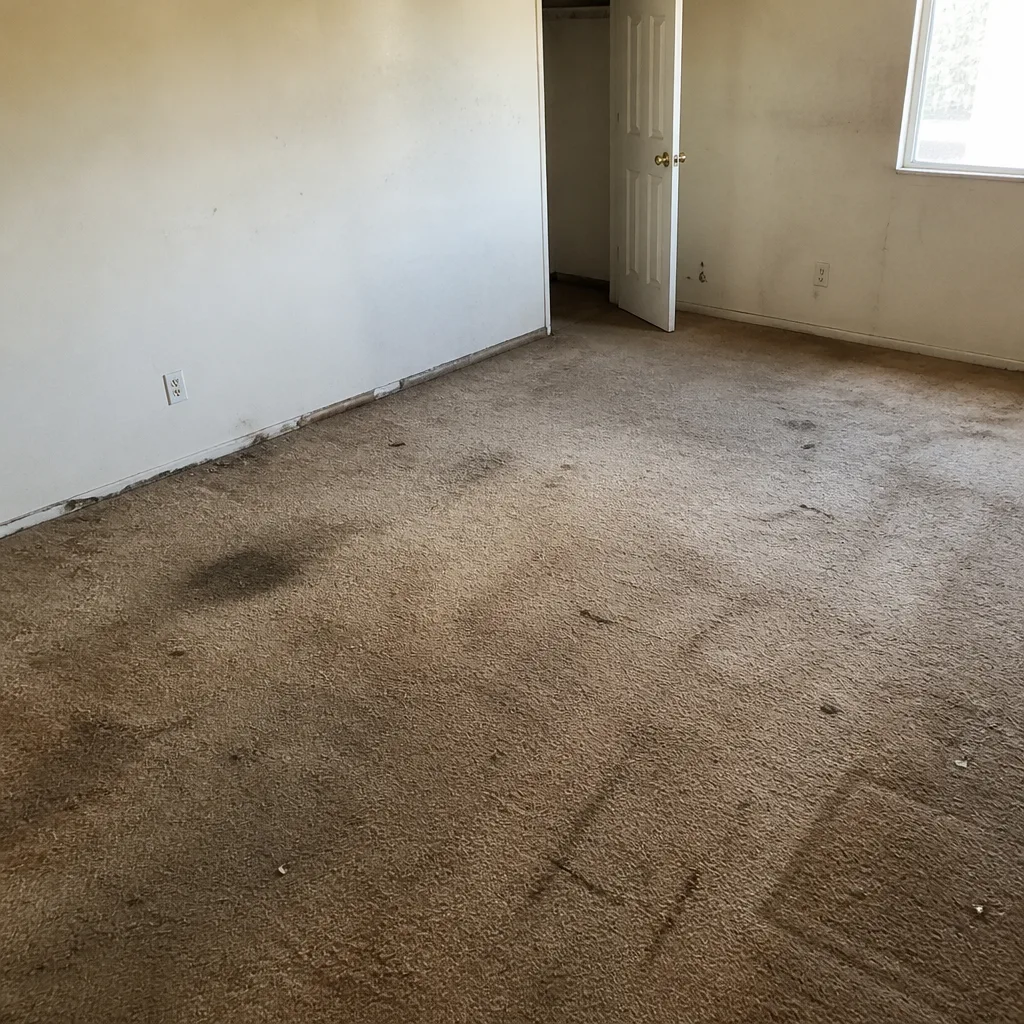 Before
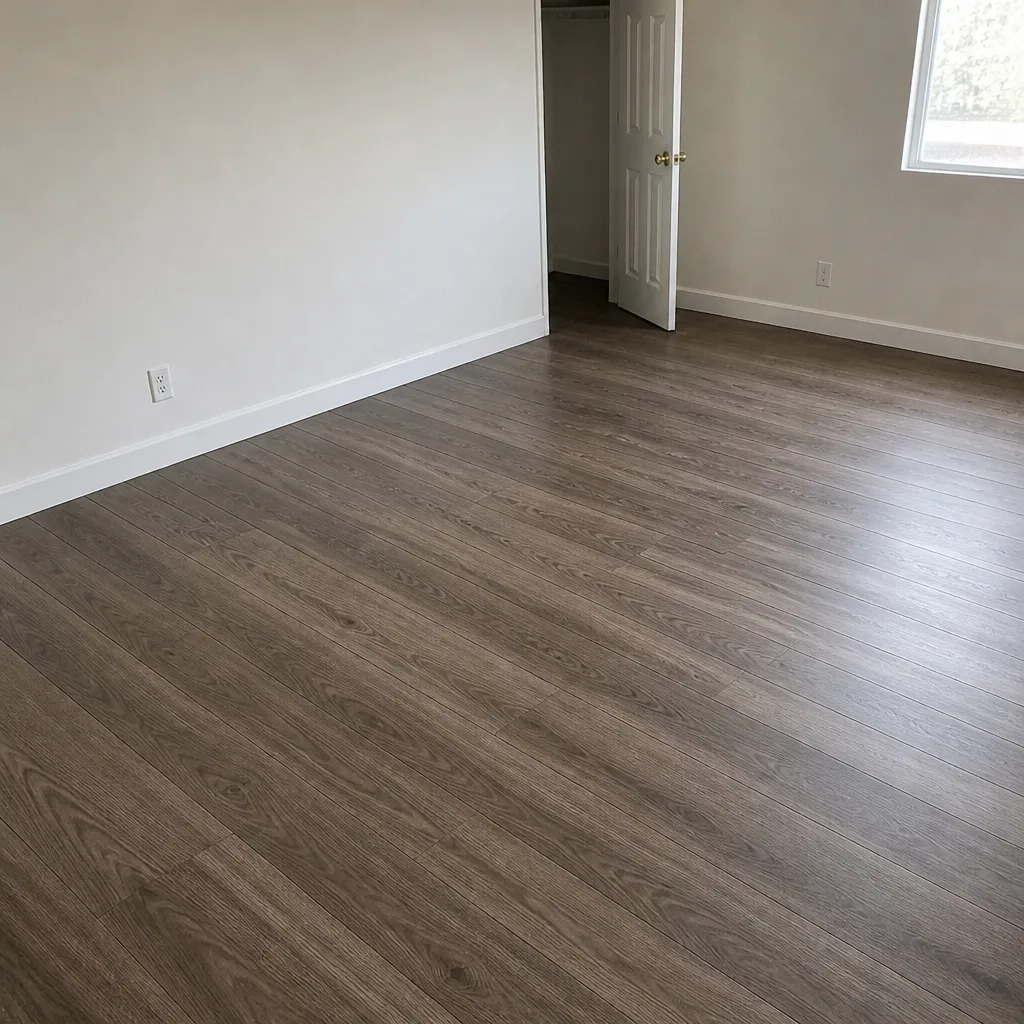 After
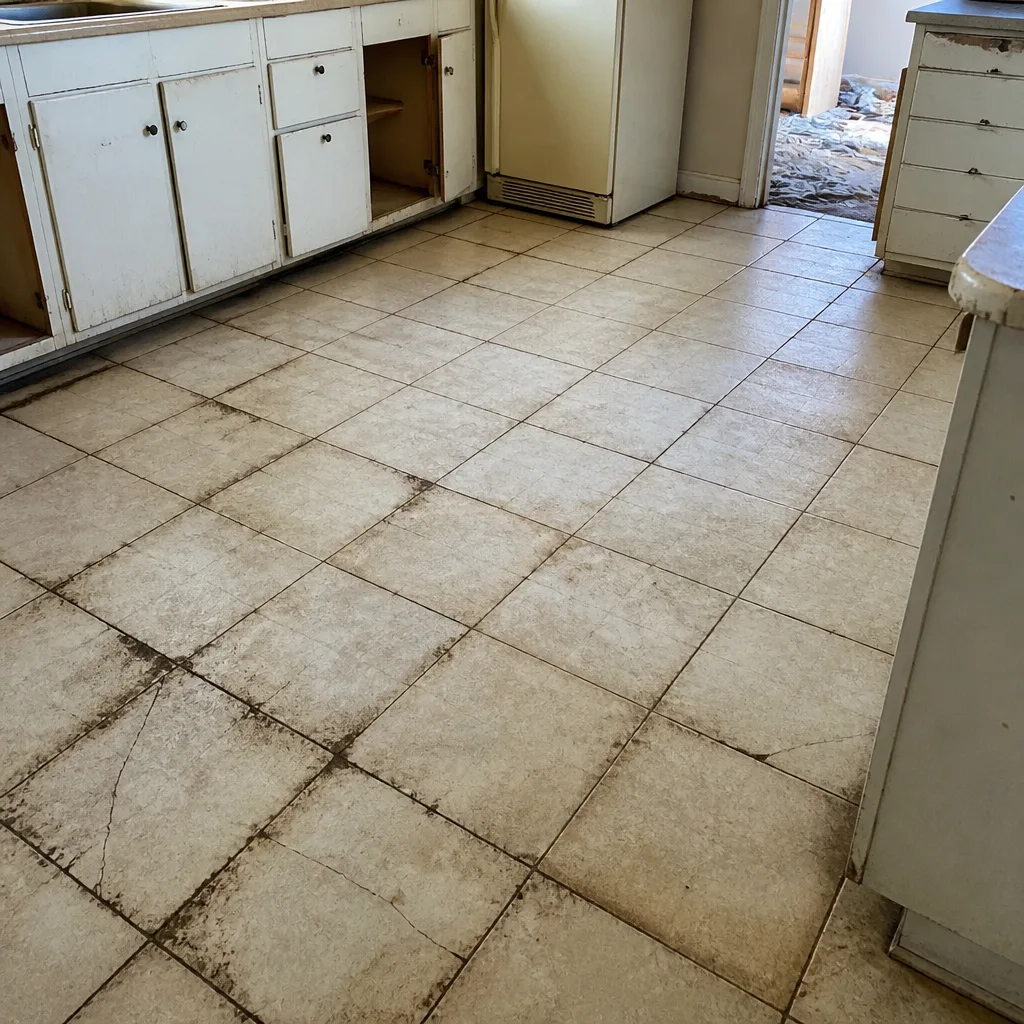 Before
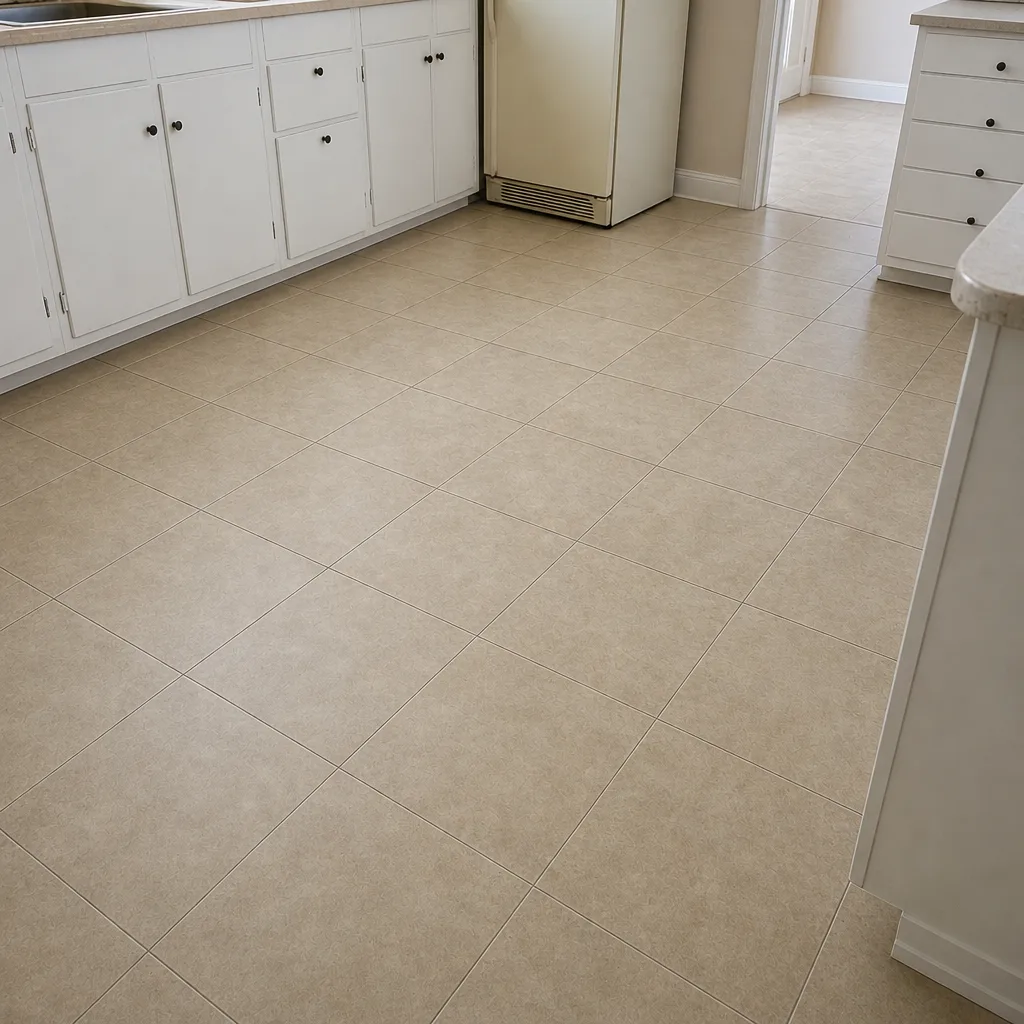 After
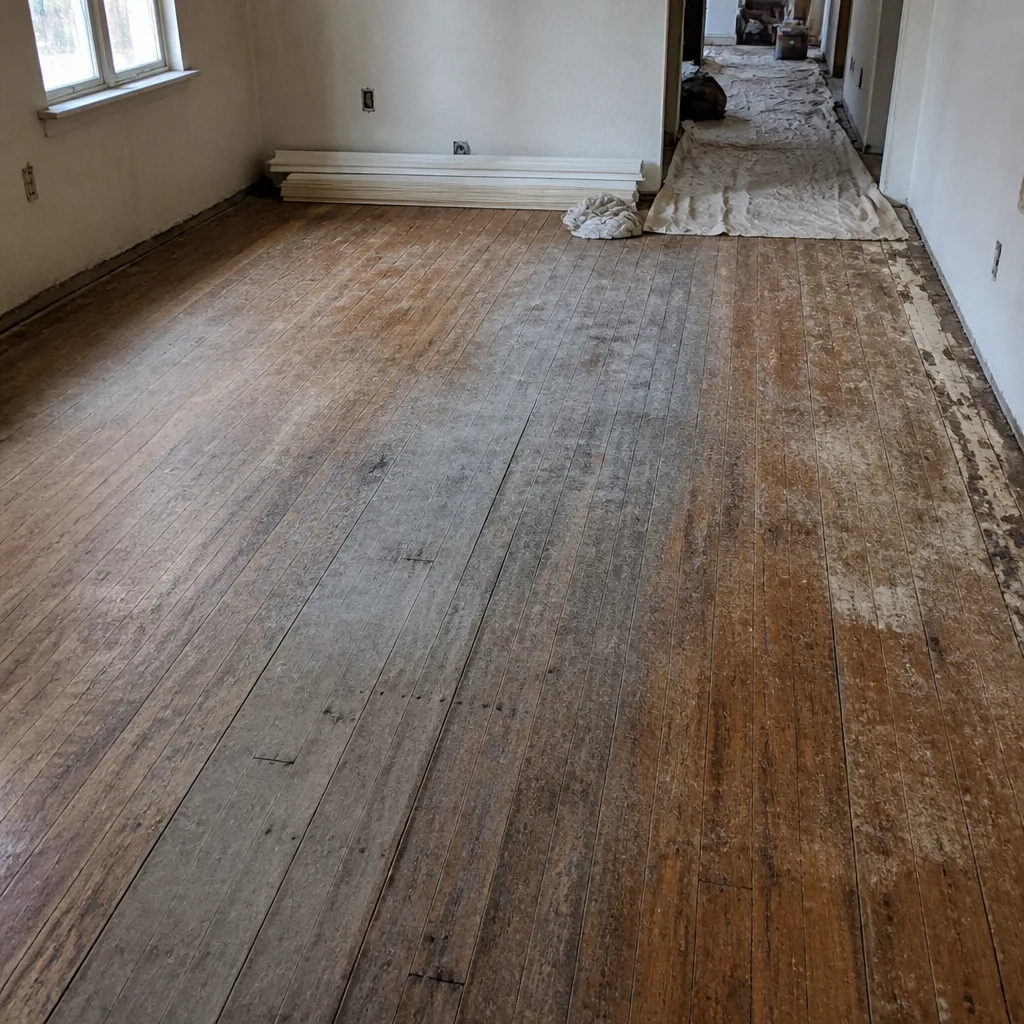 Before
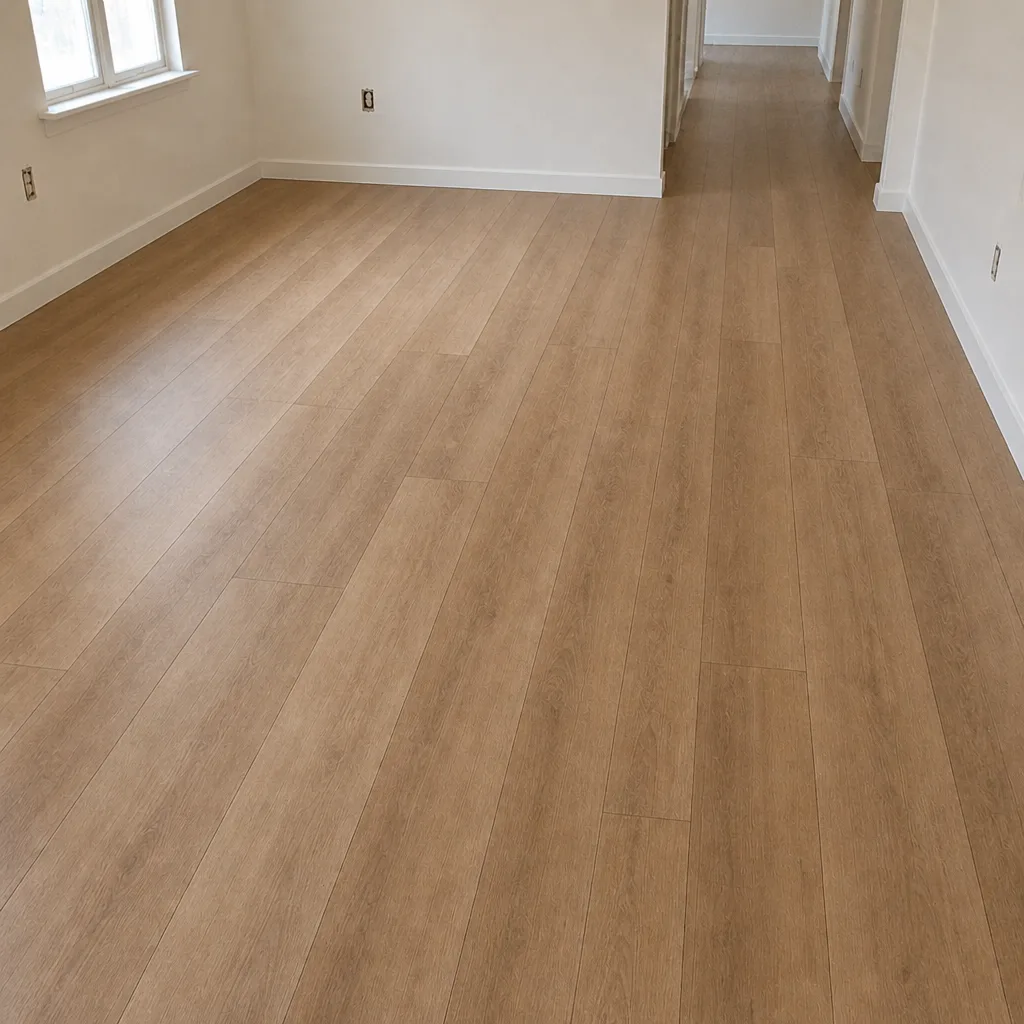 After
When to Call a Professional
Call a professional when the material choice matters to a room you use every day and the wrong answer is expensive to undo. That includes hardwood refinishing where you don’t know whether the boards can survive another sanding, tile projects in wet rooms where the subfloor is uncertain, laminate or luxury vinyl plank installs across a large area, and any whole-home project where the new floor has to run continuously from room to room. It’s also the moment to call when you’re weighing two materials closely and want someone to look at your specific subfloor, your specific rooms, and your specific use before you commit.
Whitney Flooring offers free estimates in Whitney – call (833) 620-5226. We answer 24/7, with fast dispatch from 7am to 7pm, Sunday through Friday. There’s no service-call fee, the estimate is free, and the written estimate sets the final price.
Frequently Asked Questions
Hardwood handles Whitney’s dry air well if you choose a species suited to indoor humidity swings and plan for some seasonal gapping; vinyl plank avoids the movement issue entirely but can indent under heavy furniture over time. Neither is unconditionally better – the right pick depends on how much weight your furniture puts on the floor and how much you value being able to refinish later. Call (833) 620-5226 for a free estimate and we’ll help you compare honestly.
A deeper wear layer generally wears better under heavy traffic than a shallow one, and it’s the closest thing the spec sheet has to a durability forecast. The exact depth that makes sense depends on the room and the traffic it sees, and no single number fits every situation. Ask to compare wear layer depth across products at the estimate rather than accepting a marketing name as proof. Call (833) 620-5226 for a free quote with the specs in front of you.
Laminate handles daily traffic well in Whitney, but its edges and core swell if water stands on the surface or gets into the seams. It’s a solid floor for living rooms, hallways, and bedrooms where spills are rare and wiped up quickly. It’s a poor fit for bathrooms and laundry rooms. Call (833) 620-5226 for a free estimate and we’ll tell you straight where laminate belongs in your home and where it doesn’t.
Grout cracks when the floor moves underneath it – from settling, an uneven subfloor, or perimeter movement. The tile itself usually isn’t the problem. A properly prepared subfloor and the right installation materials reduce the risk significantly. Call (833) 620-5226 to book a free estimate and we’ll check your subfloor before we quote a tile project.
Refinish first, if the boards are thick enough and in reasonable condition. Refinishing restores the floor, extends its life, and preserves the original character of the house – often at less cost than a replacement. Whether a given floor qualifies depends on its thickness and condition, so it needs to be checked in person. Call (833) 620-5226 for a free estimate and we’ll assess it honestly.
Yes. Two products in the same category can perform very differently depending on the manufacturer’s engineering, and the brand tells you something real about construction quality. That’s why we carry nine established names – Shaw, Mohawk, COREtec, Pergo, LifeProof, Mannington, Armstrong, Daltile, and Karndean – so you can compare actual product lines rather than take a single label on faith. Call (833) 620-5226 for a free estimate and we’ll help you sort the specs.
The Bottom Line
The hardwood-versus-vinyl question isn’t luxury versus budget. It’s a question about which failure mode you can live with in your Whitney home. Hardwood gaps with dry air but can be refinished; luxury vinyl plank ignores humidity but indents under weight and depends on the wear layer; laminate fights traffic but not water at its edges; tile holds up to everything except movement in the layer underneath it. Match the material to how you use the rooms, then check the brand and construction within the category. Every floor has a weak point. The right floor is the one whose weak point is least likely to become your problem.
Call (833) 620-5226 for a free estimate. We answer 24/7, with fast dispatch from 7am to 7pm, Sunday through Friday. We’ll walk your rooms with you, look at the subfloor, and give you a written price on the material that fits your home.
Written by the team at Whitney Flooring.